The Necessity of Focusing on Water Seepage Issues
Water seepage not only causes visual dampness or peeling on walls, but its hidden dangers also involve chronic damage to the building's structure. If not detected in time, water infiltrating the reinforced concrete layer can cause rusting, which severely impacts the building's overall service life and safety.
Furthermore, the long-term presence of moisture in indoor environments can trigger mold growth, which poses a potential threat to the respiratory health of occupants. Through professional OPO Inspection, owners can clarify signs of water seepage before renovation, avoiding the high costs of structural repairs later on.
- Preventing Mold Growth Caused by Indoor Dampness
- Protecting the Main Building Structure from Corrosion Damage
- Reducing Economic Costs of Frequent Future Repairs
- Improving Grasp of Property Quality During Handover
Key Points for Checking Ceilings and Drainage Systems
When inspecting ceilings, carefully observe the junction between the wall and ceiling for stains or discoloration. If abnormal traces appear on the ceiling, you should suspect potential leakage, especially near balcony drains or the drainage pipe areas of the unit above. Ensuring that drainage is clear and free of water accumulation is the first line of defense against leakage.
The integrity of a waterproof layer is difficult to confirm with the naked eye, but it can be inferred from the sealing conditions around drainage outlets. Check whether ceiling trims have come loose or retain water stains, and ensure that all drainage pipes show no signs of aging or seepage; this is the most basic and critical step during property inspection.
- Check Ceiling Seams for Water Stains
- Verify Whether Ceiling Drains are Clogged
- Confirm the Tightness of the Joint Between Ceiling Trims and Walls
- Observe Pipe Joints for Signs of Seepage
High-Risk Waterproofing Checks for Kitchens and Bathrooms
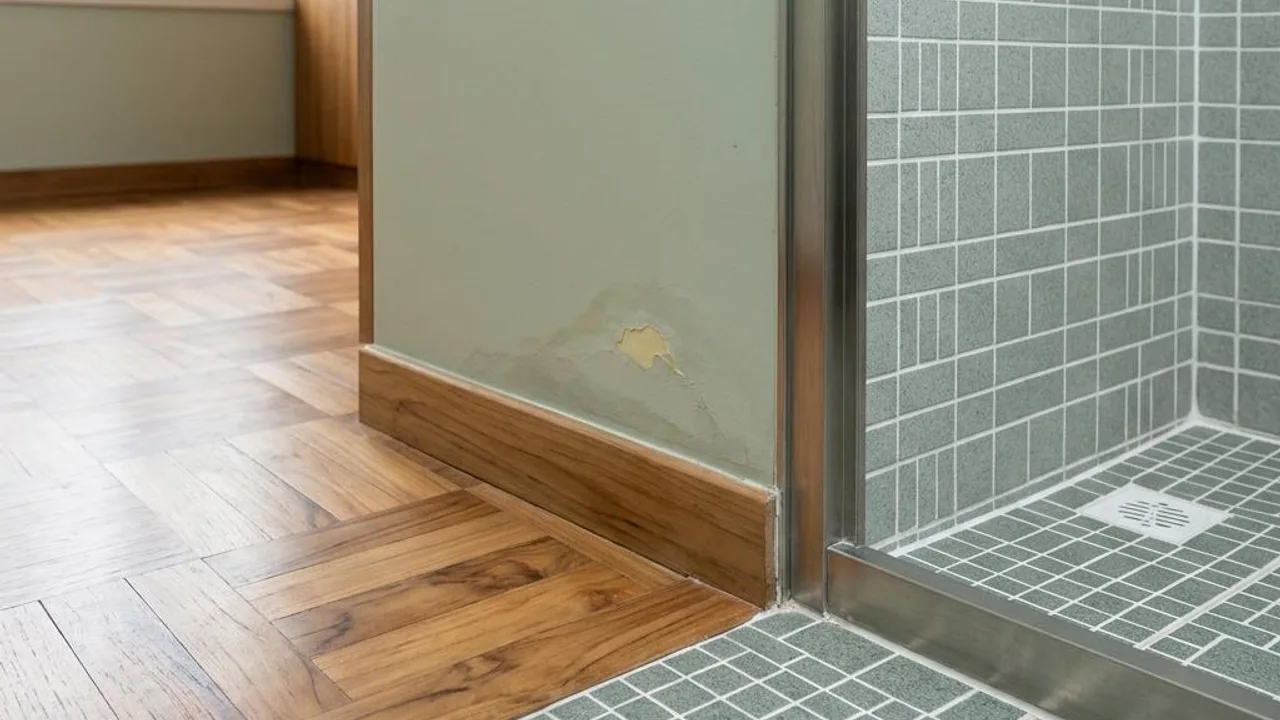
Kitchens and bathrooms are areas with high water usage in a unit. You should check if wall paint shows abnormal blistering or peeling, which is usually a sign of water seeping out from within the wall. Faucet and shower connections should be checked for dripping; any issues found should be recorded immediately.
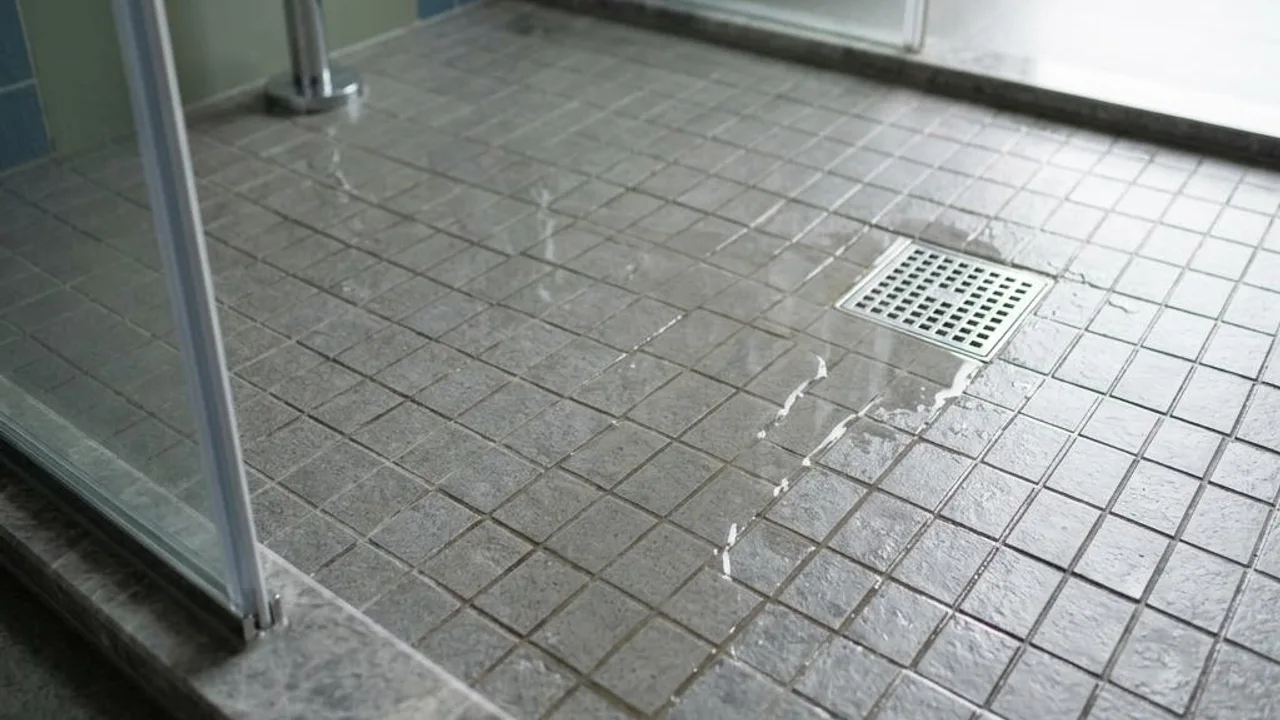
The effectiveness of waterproof coatings requires careful observation of the corners between the floor and the wall. Ensure these areas are free of cracks, check the drainage capacity of floor drains, and watch for any abnormal condensation or joint corrosion on water pipes to ensure the bathroom's structural waterproofing is intact.
- Check for Signs of Blistering or Mold on Wall Paint
- Confirm There is No Leakage at Faucet Connections
- Assess Floor Drain Flow Rate and Clogging Risk
- Observe for Cracks at Wall-to-Floor Junctions
Window Anti-Seepage and Daily Maintenance Prevention
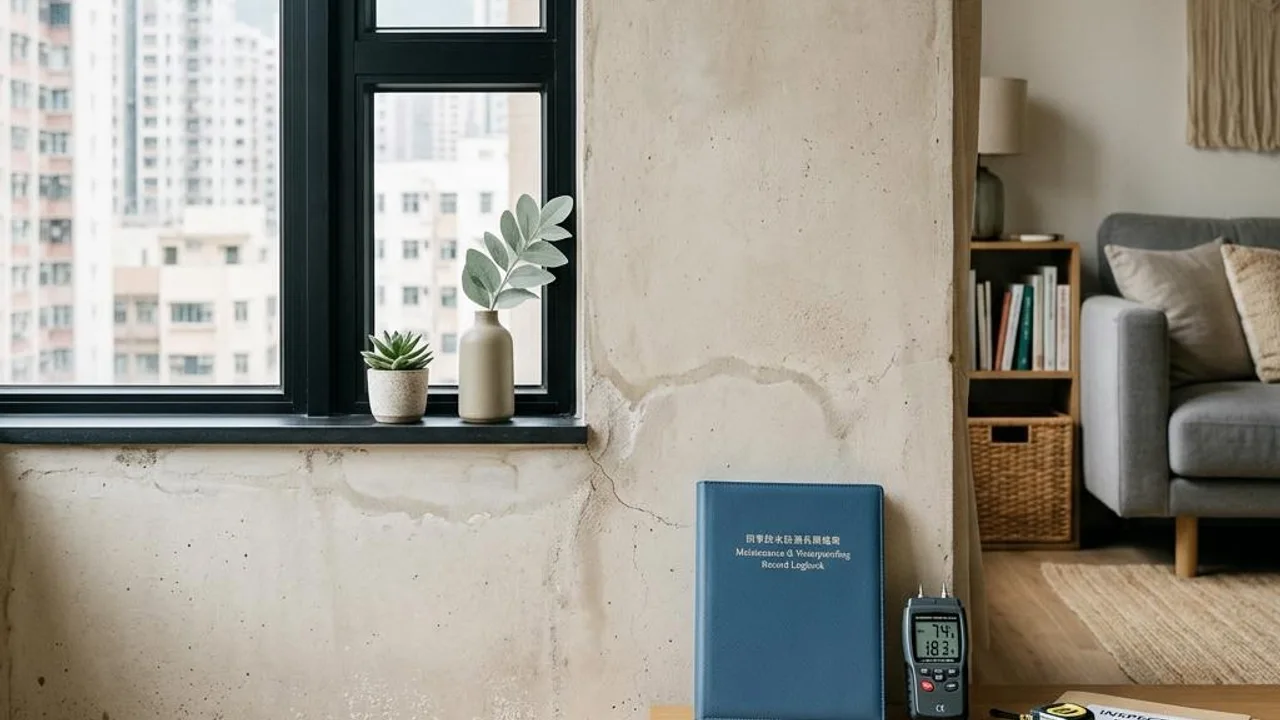
Window frame edges are often entry points for rainwater into a unit. During inspection, look for aging or cracked sealing strips to ensure the filler between the window frame and the wall is seamless. If water seepage has occurred at the windows during bad weather, you should request a waterproof test.
Regarding the mechanical function of the windows themselves, ensure they close tightly without gaps. We recommend owners regularly inspect window frame edges in daily life. If aging is discovered, replace the sealing rubber in time to prevent small cracks from expanding into seepage loopholes, keeping the living space dry.
- Inspect Whether Window Frame Sealing Strips are Hardened or Cracked
- Verify the Integrity of the Joint Between the Window Frame and the Wall
- Regularly Check the Airtightness of Windows After Closing
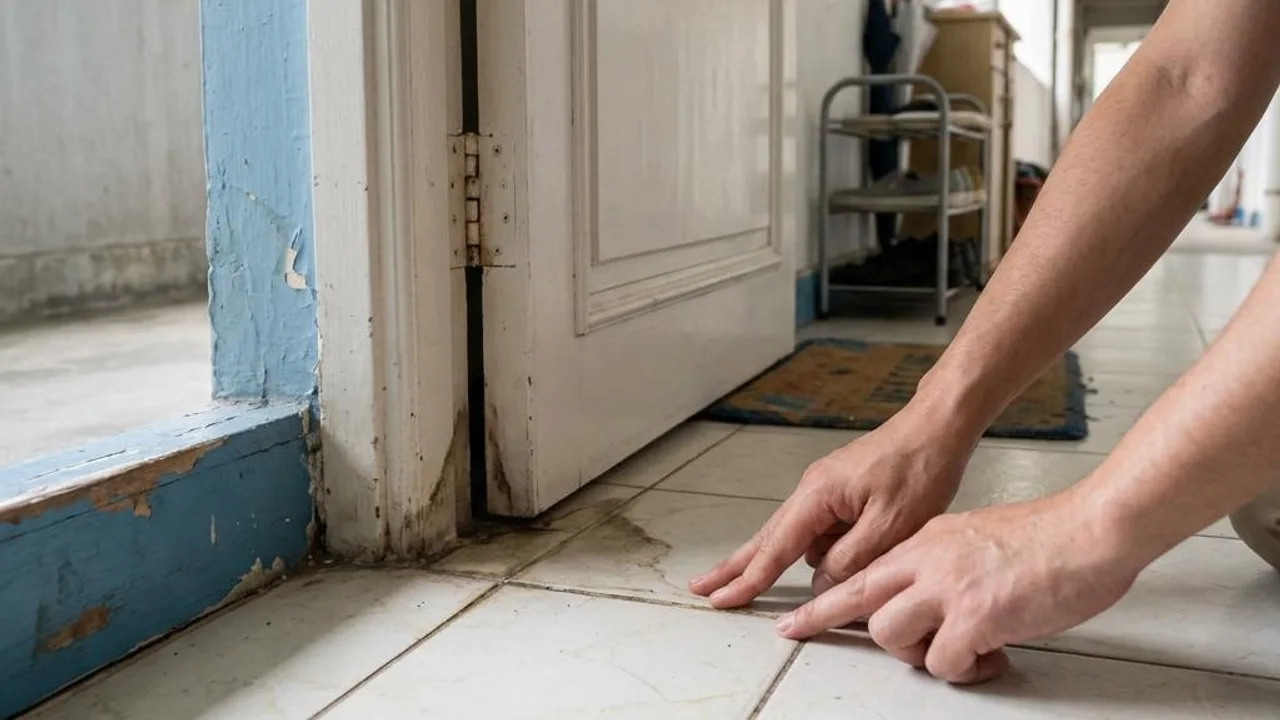
- Observe Door Thresholds for Signs of Water Backflow
Professional Inspection and Risk Assessment Explanation
If a high-pressure water jet test or similar method is used to indicate leakage points, the service does not constitute a structural safety assessment, nor can it guarantee that all hidden causes of leakage will be found. Before performing any tests, you must obtain permission from the property management office. These should be carried out by qualified personnel following safety procedures to avoid unauthorized alterations to the building structure or water supply system.
If serious structural issues or persistent seepage are discovered, we recommend that owners hire a registered engineer or professional structural consultant for an in-depth inspection to obtain a professional assessment report and compliant repair plan.
- Permissions from the Property Management Office and Related Parties Must be Obtained Before Testing
- Testing is Only for Leakage Indication, Not a Proof of Structural Safety
FAQs
If paint blistering is found on walls during a property inspection, does it definitely mean there is water leakage inside the wall?
Paint blistering could be caused by water seeping from within the wall, but it could also be due to poor renovation and construction quality. We recommend recording the condition and asking an inspector to perform a moisture test to confirm whether it is a persistent seepage issue.
How can owners perform a simple check on whether their windows have anti-seepage capability in daily life?
Owners can regularly observe whether window frame sealing strips have hardened, cracked, or peeled off, and ensure the filling between the frame and the wall is intact. We recommend checking for water stains around the windows after windy and rainy weather to handle them in a timely manner.
If a unit is suspected of having structural water seepage, what kind of professional assistance should the owner seek?
If structural water seepage is suspected, you should consult a registered engineer or professional structural consultant. They can conduct professional assessments of the leakage source and provide repair advice that complies with building structural standards.