
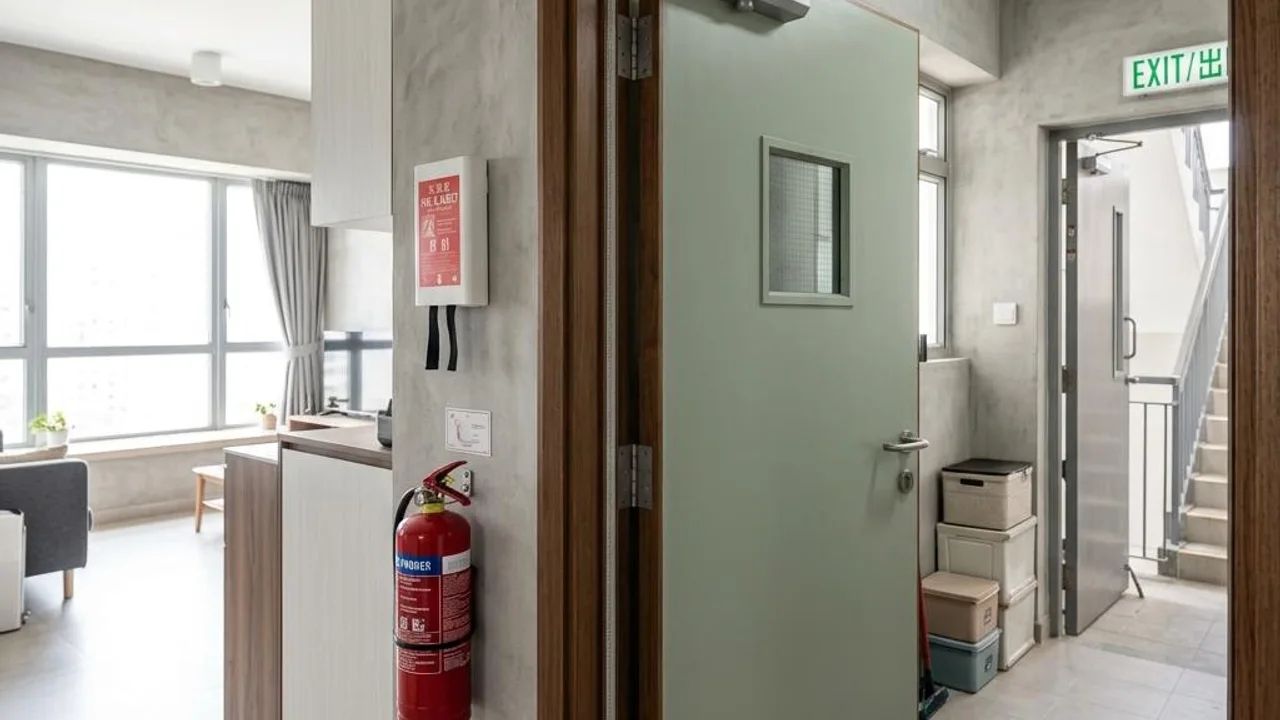
Home Fire Alarm System Inspection
The fire alarm system is the first line of defense in home fire safety, including smoke detectors, heat sensors, and alarm devices. Homeowners should establish a habit of self-testing once a month to ensure the alarm sounds correctly when smoke or high temperatures are detected. At the same time, check if the alarm sound is clearly audible in every room and confirm that the installation locations comply with regulations.
Most standalone smoke detectors rely on batteries; it is recommended to replace the battery once a year to prevent alarm failure due to depletion. In addition, regularly clean dust from the detector surface as accumulation may affect sensitivity, and check the device casing for aging or cracks to ensure the equipment is in good condition.
- Test fire alarm functions monthly.
- Replace batteries annually to ensure sufficient power.
- Regularly remove dust accumulation from the external sensors.
- Confirm that all alarm devices are operating normally.
Residential Fire Extinguisher Management and Maintenance
Home fire extinguishers should be placed in prominent and easily accessible areas, such as kitchen exits or hallways. When inspecting, first confirm that the pressure gauge needle is in the green safety zone; if it indicates pressure is too low or too high, replacement is recommended. Also, observe the exterior of the cylinder to ensure there are no signs of severe corrosion, dents, or nozzle blockages.
Fire extinguishers have expiry dates; owners should check the label information on the cylinder. It is recommended to hire a professional for inspection annually to ensure the efficacy of the agent remains stable. Additionally, occupants should regularly explain the correct placement and the 'Pull, Aim, Squeeze, Sweep' operation method to family members so they can handle emergencies calmly.
- Confirm the pressure gauge needle is in the green zone.
- Check the cylinder for rust or damage.
- Ensure the placement location is easy to access and free of obstacles.
- Regularly check the manufacture or maintenance date of the fire extinguisher.
Escape Route and Emergency Exit Maintenance
Escape routes are lifelines in the event of a fire. Occupants must ensure that corridors, stairwells, and doorways are free of debris, especially flammable items, to avoid obstructing escape or exacerbating the spread of fire. Meanwhile, check that all exit door locks can be easily opened from the inside and ensure that door frames are not deformed, making them difficult to push open.
Safety exit signs must be kept clearly visible. If the building is equipped with fire doors with automatic closing functions, do not wedge the bottom of the door with debris or modify them yourself. It is recommended to develop an emergency evacuation plan for the home to ensure all members are familiar with the escape routes and to regularly clear obstacles from the passages to keep them unobstructed.
- Keep escape route areas clear.
- Ensure fire doors can close and open normally.
- Regularly plan and review the household evacuation route.
- Check if exit signs are obstructed or damaged.
Fire-Resistant Structure and Electrical Safety Inspection
Building fire-resistant structures include fire walls and fire barriers; if you discover through-cracks or damage in the walls, consider that their fire-resistant performance may be impaired. Occupants should avoid arbitrarily adding hooks or drilling holes in fire walls to prevent damaging the original fire-resistant construction. If you find abnormal structural deformation, consult a professional for assessment as soon as possible.
Household appliances are common fire sources; pay close attention to the condition of plugs and flexible power cords, avoiding the use of charred, deformed, or damaged cables. High-power appliances like electric heaters or dehumidifiers must be plugged into fixed wall sockets; sharing power strips with other high-load equipment is prohibited. Any fixed installation involving electrical devices must be performed by a registered electrical contractor.
- Check if the wall's fire-resistant layer is intact.
- Avoid improper drilling on fire-resistant wall surfaces.
- High-power appliances should occupy wall sockets exclusively.
- Regularly replace aged or damaged cables.
Professional Fire Safety Assessment Needs
Beyond basic tenant checks, seeking assistance from a professional team is crucial for issues involving public fire safety facilities in a building. Professional property inspection services can assess the compliance of systems and provide specific maintenance recommendations based on actual conditions. This not only ensures the system meets building fire safety standards but also improves the overall safety coefficient.
When selecting consultancy services, evaluate their past experience and professional qualifications to ensure they have in-depth knowledge of building electrical and mechanical systems and fire safety systems. Professional advice helps identify hidden risks and provides practical maintenance solutions for occupants. The professional testing process can provide owners with more solid technical evidence, avoiding blind maintenance.
- Prioritise selecting an inspection team with professional backgrounds.
- Consult professionals regarding fire safety system maintenance plans.
- Regularly update the record of the building's overall safety status.
- Ensure the inspection process complies with current safety standards.
FAQs
What should I do if the smoke detector at home keeps giving false alarms?
First, ensure the detector surface is free from dust or insect interference. If false alarms persist after cleaning, it is recommended to contact a professional technician to check if the sensor sensitivity is abnormal; do not remove the detector yourself.
How can I install home decorations without compromising the fire resistance of the walls?
Avoid drilling or installing hooks on fire walls or fire doors. It is recommended to use fixing methods that do not damage the structural surface, or consult a professional to confirm the wall construction before making any changes.
Do fire extinguishers need regular inspection even if the pressure gauge shows normal?
Yes. The pressure gauge only shows internal pressure and cannot reflect whether the internal agent has expired or solidified. It is recommended to have a professional examine the fire extinguisher agent status annually to ensure it functions normally in an emergency.


