
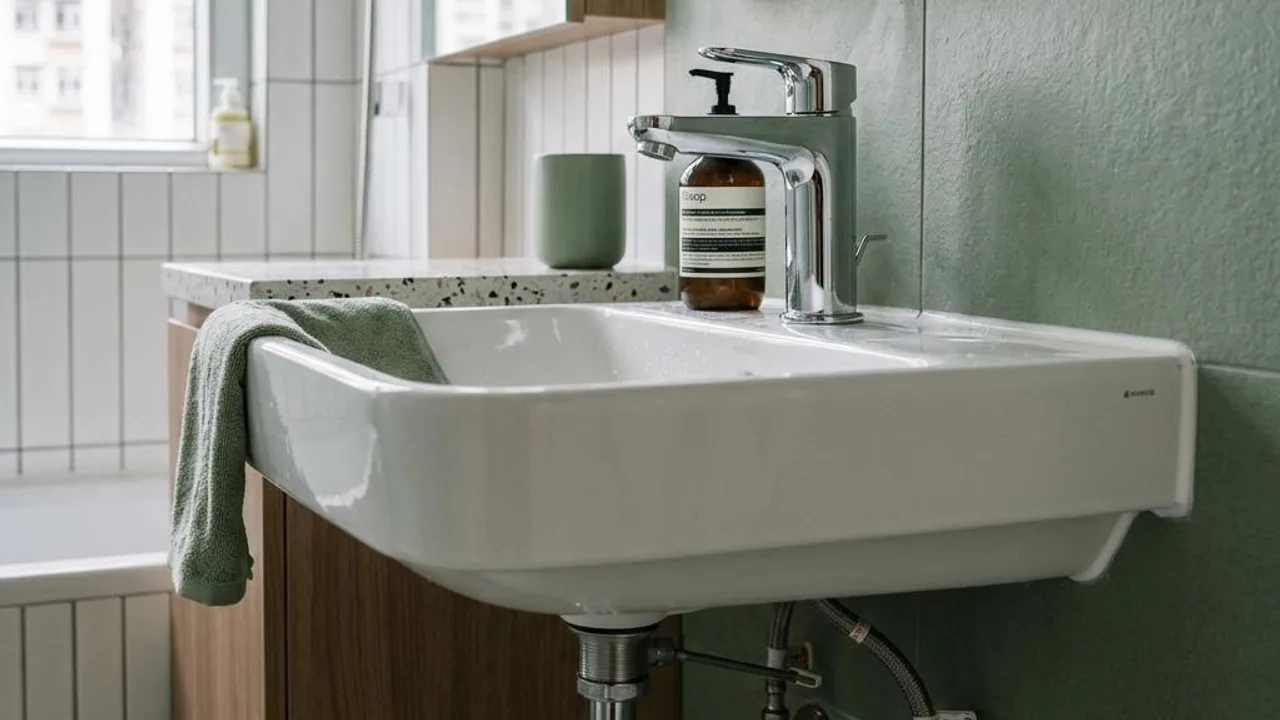
The importance of the washbasin in daily life
The washbasin is a core fixture in home bathrooms and kitchens, which we cannot do without for daily cleaning and grooming. Its design and function not only relate to the convenience of the user but also directly affect the indoor sanitary environment. A high-quality washbasin should feature smooth drainage performance, stable installation, and an easy-to-clean surface, which is crucial for enhancing the living experience.
During a property inspection, the washbasin is often mistaken for a minor fitting and overlooked. However, installation flaws or material defects (such as hairline cracks) often only become apparent after moving in, leading to long-term hidden hazards like water leaks or mould growth. Therefore, including it as a key inspection item is not only to ensure living quality but also to protect your personal property asset value.
- Core equipment used frequently every day
- Quality directly affects the sanitary environment
- Installation details determine long-term durability
- Avoid additional losses caused by water leaks
Professional points for inspecting a washbasin
When testing a washbasin, first check the material surface for hidden cracks or chipped edges. Although ceramic washbasins are wear-resistant, they are susceptible to hairline cracks from impact, which affects their sealing. For stainless steel materials, check whether the surface is smooth and free of abnormal scratches or dents. Meanwhile, confirm whether the anti-leak silicone at the contact point between the washbasin edge and the countertop is even and complete, ensuring there are no gaps.
Regarding functional testing, the most important thing is to observe the drainage speed. Turn on the tap to let water run continuously for a few minutes to observe whether the drain hole is unobstructed and whether there is any water pooling at the bottom of the basin. In addition, it is essential to carefully check that the tap is securely fixed, the controls operate flexibly and smoothly, and check the interior of the cabinet below the countertop for any signs of seepage after releasing water; this is a step that cannot be overlooked during the inspection process.
- Check the material surface for cracks and chipped edges
- Confirm that the silicone sealing edges are complete
- Test the degree of obstruction and speed of the drain hole
- Inspect the cabinet space for traces of leakage
Early warning signs of common washbasin faults
During the property inspection, if you observe that the washbasin is not installed levelly, this not only affects the aesthetics but may also cause drainage to stagnate, which over time can easily lead to dirt accumulation on the basin surface. Furthermore, focus should be placed on the performance of hardware accessories such as the drain stopper switch; many homeowners only discover after handover that the cover plate spring is faulty or cannot lock securely, causing an inability to store water—these are all considered delivery quality issues.
For integrated washbasins, particular attention must be paid to the seams at the frame. If the seams are not tight, water can easily seep into the vanity unit structure, causing the cabinet body to swell and warp. If rough sealing is discovered during inspection, you should immediately request relevant personnel to redo the caulking; such preventive measures can save on expensive repair costs and the burden of replacing the cabinet body in the future.
- Check the installation level and drainage inclination
- Test the drain stopper spring and switch performance
- Confirm the sealing effect of the countertop joints
- Prevent cabinet swelling caused by water seepage
Safety usage and maintenance tips
Daily maintenance of the washbasin and its surrounding facilities is equally important. Users should avoid pouring strong acid or alkaline cleaners into the washbasin to prevent damaging the ceramic surface glaze or causing corrosion to the metal drain pipes. For stainless steel basins, avoid using rough tools like steel wool for cleaning to prevent irreparable surface scratches; it is recommended to use neutral detergents and a soft cloth for wiping.
If there are electrical facilities (such as sockets or fan heaters) below the washbasin, please ensure the area remains dry. According to home electrical safety recommendations, do not touch electrical appliances in a damp environment and ensure that the drainage system and sockets maintain an appropriate safety distance. If you discover that the drainage system is draining slowly over a long period, you should contact a professional to investigate as soon as possible; do not disassemble complex drainage parts yourself.
- Avoid using corrosive chemicals for cleaning
- Use neutral detergent combined with a soft cloth
- Maintain distance between the drainage area and electrical appliances
- Seek professional assistance if slow drainage is discovered
Long-term care after property inspection
Beyond inspection during handover, long-term care after moving in is equally critical. Homeowners should regularly clear hair and debris from the drain opening, as this effectively prevents the risk of drainage backflow caused by blockages. It is recommended to perform a simple drainage test at least once a month to observe if the drainage speed has significantly dropped and to monitor the tap connection points for condensation or slight seepage.
If abnormal water stains or a musty smell appear below the washbasin in daily life, this may be caused by loosened connections in the drain pipe or an aged sealing ring. Homeowners do not need to disassemble the structure; simply record the location of the seepage and take photos or videos, and seek a professional with experience in plumbing installation to inspect, avoiding secondary damage caused by attempting self-repair.
- Regularly clear debris from the drain opening
- Monitor whether the drainage speed has decreased
- Pay attention to the tap connection position
- Record and seek help upon discovering abnormal water stains
FAQs
When checking a washbasin, if a small amount of water is found at the base of the tap, does it necessarily mean there is a leak?
Water pooling at the base of the tap does not necessarily mean there is a leak in the internal structure; it could also be caused by improperly handled sealing rubber edges during installation, allowing water to seep in. It is recommended to clean it thoroughly and ensure the surrounding area is dry. If water pools in that location again after use, it should be added to the defect rectification list and a professional should be asked to inspect the anti-leak sealing at that position.
If the washbasin drain stopper spring is faulty, can the homeowner replace it themselves?
Replacing the drain stopper spring may appear simple, but it involves adjustments to connectors and sealing components. If not handled correctly, it can easily lead to the failure of the basin's water storage function or long-term slow seepage. It is recommended to first record the details of the fault, such as an inability to lock or a failure to pop up, and contact qualified personnel for replacement or adjustment to ensure the integrity of the overall system.
If signs of mould are found inside the washbasin cabinet, how should one initially respond?
First, keep the cabinet ventilated and thoroughly clean the mould spots, then observe whether the mould stains reappear in the short term. If the mould recurs, it is highly likely that there is hidden seepage at the basin base interface or the drain pipe. In this situation, you should not seal the cabinet body yourself; you should contact relevant personnel to investigate the drainage system to thoroughly resolve the root cause.


