
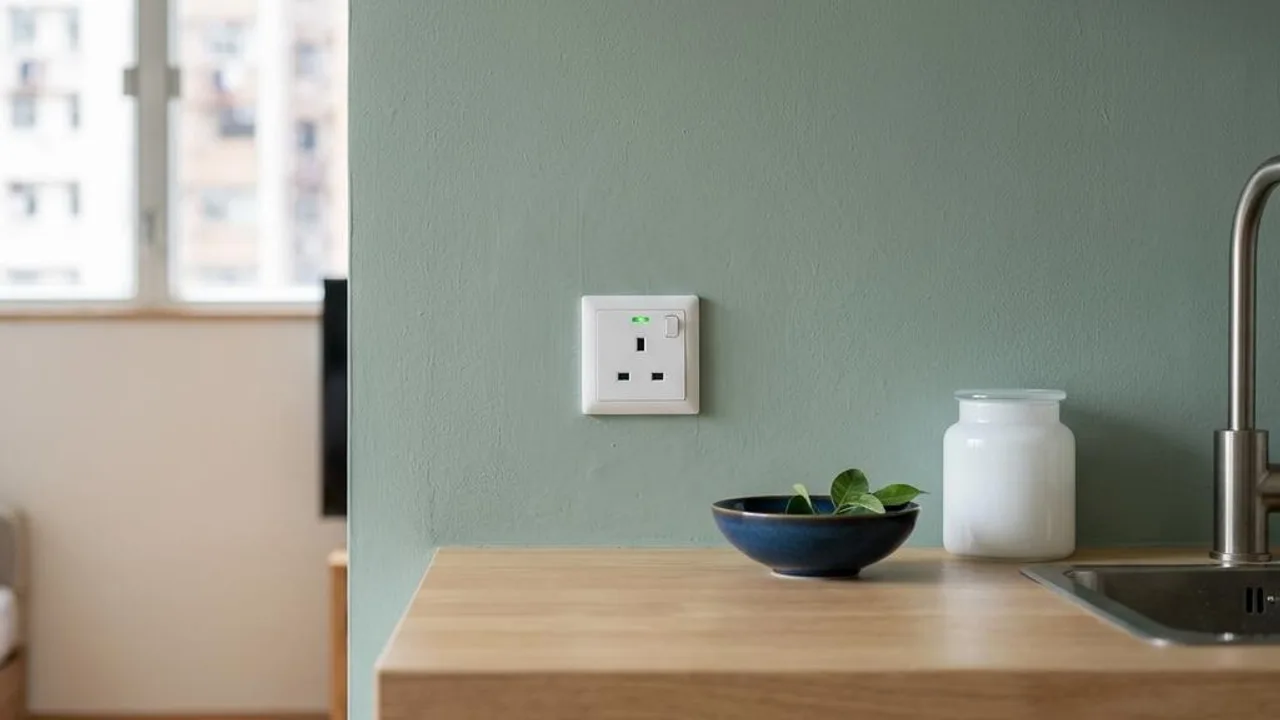
The importance of electrical inspection during property inspection
During a property inspection, the safety of the electrical system is a core part of the assessment. Electrical installations not only support the operation of all household appliances but are also the most important line of defence against fire risks. Proper electrical installation ensures stable circuit loading and effectively prevents problems caused by short circuits or overloads.
When buyers take possession of a property, they should conduct an initial safety assessment of the indoor electricity supply facilities, including checking the integrity of the consumer unit (fuse box), socket layouts, and the overall circuit configuration. Understanding the property's electrical condition allows homeowners to reserve time to deal with potential hazards before renovation or moving in, avoiding the inconvenience and danger caused by electrical faults after occupation.
- Assessing the safety and durability of the electrical system
- Testing the operational status of the consumer unit and various circuits
- Checking whether socket distribution meets daily usage requirements
- Reducing risks caused by potential electrical sparks and short circuits
Comprehensive electrical system inspection steps
When conducting a professional household electrical safety inspection, a systematic check process must be followed. Property inspectors usually conduct a visual inspection of all sockets in the house first to look for signs of damage or scorch marks and ensure that the wiring connections within the consumer unit are tight; additionally, checking whether the main switch and individual circuits of the consumer unit are operating correctly, and whether labels are clear and accurate, is also key.
If high-power appliances such as air conditioners or electric water heaters are involved, the property inspector will pay special attention to their power connection methods, checking if they comply with safety guidelines, for example, whether improper extension leads are being used for power. For fixed appliances not connected via sockets, such as ceiling lights or built-in water heaters, one should check if their wiring connections meet the completion certification requirements of a registered electrical contractor.
- Visual inspection of sockets for scorch marks and physical damage
- Verifying the internal wiring status of the consumer unit and switch labels
- Ensuring high-power appliances have independent power supplies and secure wiring connections
- Checking voltage stability and earth wire connections
Analysis of common electrical system problems
Common electrical system problems often discovered during a property inspection include aging wiring and consumer units with insufficient load capacity to handle the demands of modern appliances. If the protective coating of old wires shows cracks, it is very easy to trigger short circuits; especially in older buildings, if the circuit breakers in the consumer unit have not been upgraded in time, they can easily cause frequent tripping when multiple air conditioners are switched on simultaneously.
Improper installation is also a major cause of risk, with common mistakes including excessive socket daisy-chaining and the stacking of extension leads leading to current overloads. These problems are often discovered during the inspection process by observing abnormal heat at wiring terminals or the looseness of socket panels; identifying these hazards helps homeowners arrange for a compliant registered electrical contractor to carry out repairs as soon as possible.
- Fire risks brought by aging electrical wire insulation
- Circuit overload caused by insufficient consumer unit capacity
- Loose socket panels or improper wiring
- Excessive load caused by using extension leads to connect high-power appliances
Professional avenues for resolving electrical hazards
Upon discovering electrical hazards, homeowners should seek professional help rather than handling them personally to ensure the repair process complies with technical standards. Through formal repair routes, homeowners not only ensure the electrical system can cope with daily usage requirements but also safeguard long-term safety.
After repairs are completed, be sure to request a Work Completion Certificate (WR1) from the relevant contractor. This is an important legal document certifying that the electrical installation meets statutory standards and acts as a key record of compliance; it is recommended that homeowners keep it safe.
- Hire a registered electrical contractor to carry out repairs
- Never attempt to repair fixed electrical installations yourself
- Replace overloaded and aging wiring systems
- Request a WR1 Work Completion Certificate as evidence of compliance
Daily safeguards for household electrical safety
In addition to inspecting the electrical system through professional property inspection, homeowners should maintain good electricity habits in their daily lives. Regularly check electrical equipment, especially observing whether plugs and flexible cables have damage, heat, or burnt smells, as these are early signals of circuit faults; if any abnormality is found, unplug the power immediately and commission an electrician for testing.
Avoid excessive use of extension leads in damp environments. For high-power appliances like dehumidifiers or air conditioners, it is recommended to use fixed wall sockets to ensure voltage stability. Never touch electrical switches when your body is wet or in a damp environment, as this greatly increases the risk of electric shock; maintaining good electrical discipline is an important safeguard for maintaining long-term household electrical safety.
- Regularly check the condition of household appliance plugs and flexible cables
- Stop using immediately if abnormal odours or electrical sparks are detected
- Strictly forbidden to operate electrical equipment in damp environments
- High-power appliances must exclusively occupy a fixed wall socket for power
FAQs
How should one handle scorch marks found on sockets during a property inspection?
Scorch marks on a socket usually indicate that an overload or short circuit has occurred. Please record the location and it is suggested to commission a registered electrical contractor to check the wiring condition and whether internal socket connections are loose, and if necessary, have a professional replace the socket panel or carry out relevant repairs. It is not recommended to attempt repairs yourself or touch internal circuits.
Why should high-power household appliances not use extension cords or power strips?
High-power appliances have a higher current when operating; if connected to a power strip, it is easy for wires to heat up, melt, or trigger electrical sparks due to excessive load. Fixed wall-mounted sockets provide more stable current and better heat dissipation.
How can one determine if the electrical installation in the home meets legal standards?
Homeowners can refer to the Work Completion Certificate (WR1) issued by a registered electrical contractor after the installation of electrical equipment, which documents that the relevant electrical installation complies with statutory safety regulations. If this document is lost or missing, hire a professional to perform testing and issue certification.


