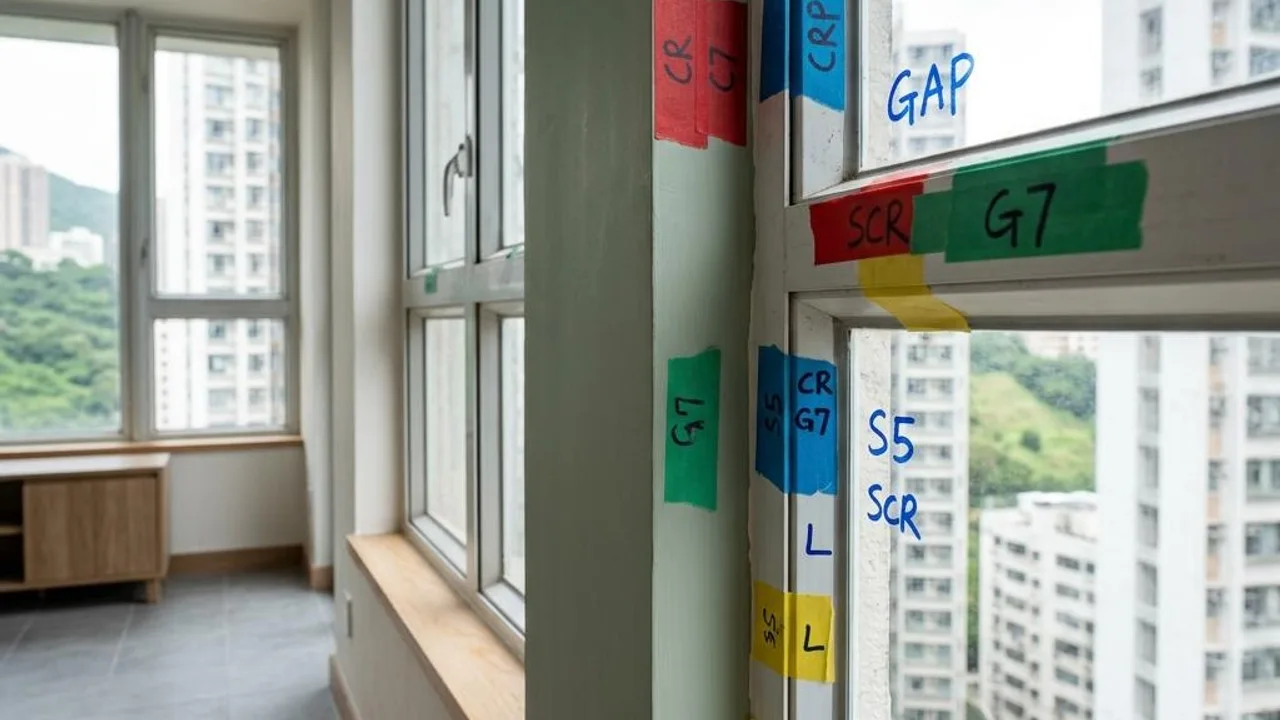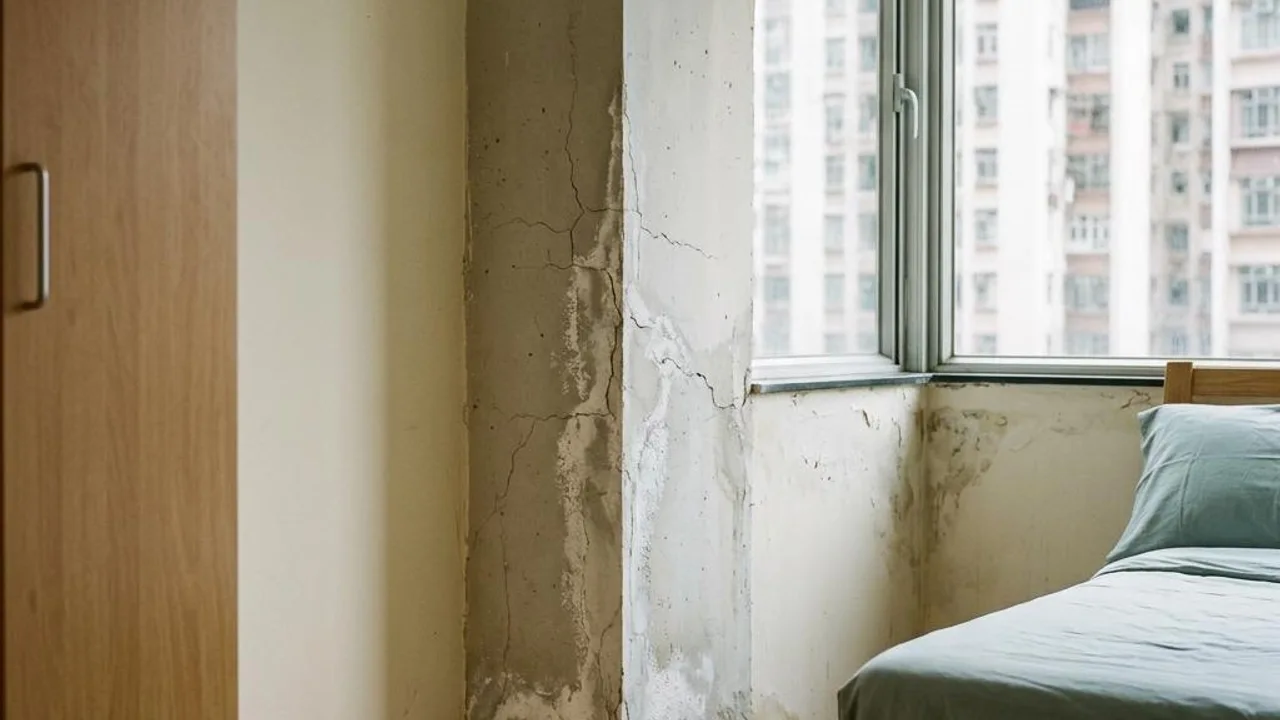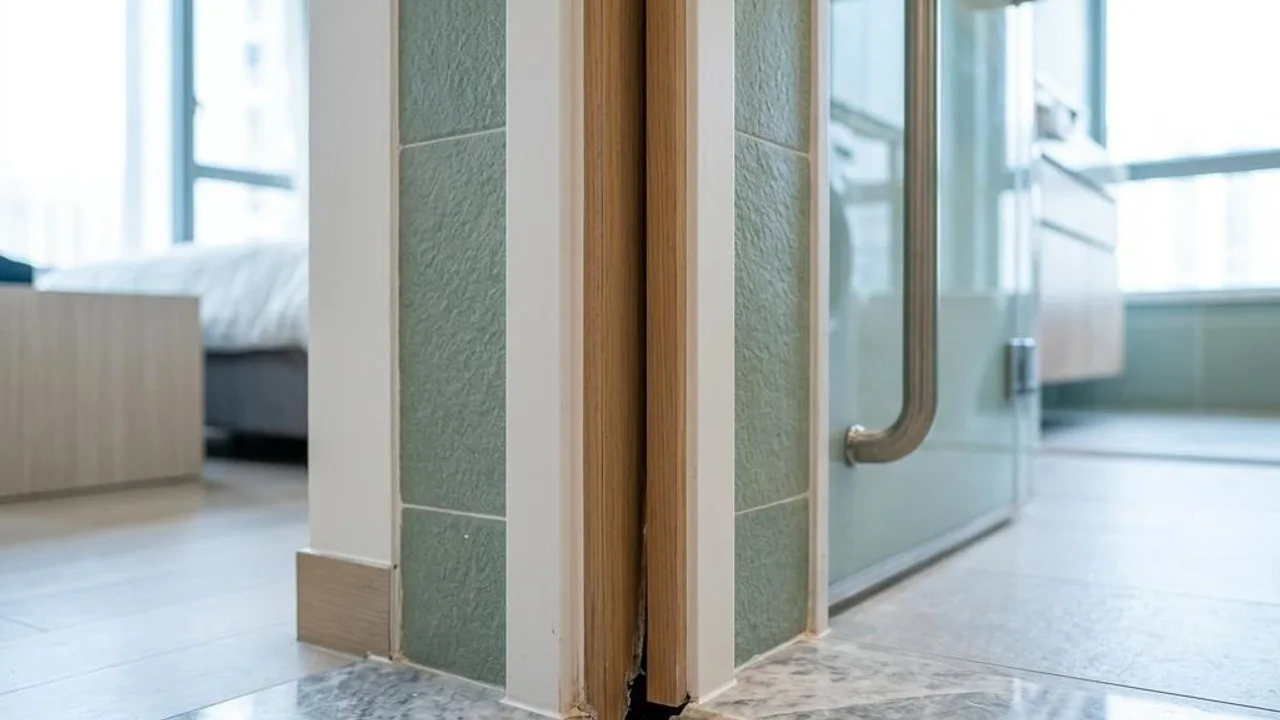
Legal role and positioning of property inspection reports
In claims involving renovation disputes or property damage, a professional property inspection report is an important reference document used by the court to clarify responsibilities. The report must maintain a high degree of objectivity and independence, detailing damage specifics, cause analysis, and repair cost budgets to serve as technical proof in litigation.
Unlike simple lists prepared by individuals, reports issued by professional property inspectors not only possess engineering professional logic but can also serve as powerful evidence in first-hand property claims, rental dispute handling, or neighbor water seepage issues. These documents can convert subjective feelings into objective facts that can be adopted by the court.
- As a basis for renovation project quality disputes
- As powerful proof for first-hand property defect claims
- As a comparison of property status after the lease term expires
- As technical evidence for neighbor water seepage issues
Difference between professional property inspection reports and ordinary lists
There is an essential difference between professional property inspection reports and defect lists recorded by owners themselves. The former is written by professional property inspectors or surveyors, covering a systematic range of checks, and clearly listing the specific location, scope of impact, and measurement data of each defect.
Through scientific causal analysis, professional reports can clarify the boundary between improper construction and normal property aging wear and tear. The third-party repair quotations and engineering logic cited in the report are important reference criteria for the adjudicator to determine the amount of damages, and are much more persuasive than mere descriptions of defects.
- Possessing recognized engineering professional qualifications
- Including measurement data from professional instruments
- Clear engineering logic and cause analysis
- Including repair quotations that meet market levels
Core indicators of court evaluation reports
The court has clear standards for the adoption of evidence; the property inspector must have an independent third-party identity to ensure that the report is not affected by any conflict of interest. In addition, the report must be supplemented by scientific quantitative indicators, such as wall inclination, water seepage humidity data, etc., rather than just presenting surface phenomena observed by the naked eye.
The rigor of the report depends on the correct citation of local building regulations or construction guidelines, which helps to corroborate the fact of poor workmanship. The final report must include a formal expert statement and handwritten signature from the property inspector to bear corresponding professional responsibility, which is also a key condition for the report to be listed as legal evidence.
- Qualifications and independence of the property inspector
- Objective test data from professional instruments
- Specific citation of local construction standards
- Clear causal relationships and cost linkages
- Formal expert witness signature
Practical practice and process of small claims
In the early stages of a dispute, owners should maintain the site in its original state and hire professionals to conduct survey records. Submitting this report as a necessary attachment to the statement of claim, and clearly listing each repair fee and appraisal fee, is a key step to ensure that the claim requirements can be successfully reviewed by the court.
During the hearing, if the judge or the defendant has technical questions about the content of the report, the claimant can apply to summon the property inspector to testify in court as an expert witness if necessary. Through an expert's explanation of complex engineering details, technical issues can be effectively clarified, thereby increasing the overall chances of winning the case.
- Hire a professional team to conduct a survey and keep records.
- Complete the claim form and submit the report.
- Serve a copy of the documents to the defendant.
- Cooperate with the adjudicator's directions for the mention.
- Prepare to summon an expert to testify in court.
Operational explanation of professional property inspection records
To ensure the smooth running of legal proceedings, the property inspection process requires precision in data recording. Owners should note that OPO Inspection's electronic property inspection reports do not include photos, and reports typically take time to compile, usually completed by the next working day after inspection.
If needed, owners should take their own photos during the property inspection as additional reference. Furthermore, if there are concerns regarding subsequent defect rectification, reinspection is a separate, independently applied service rather than a free inclusion; owners should factor this cost into their litigation plan.
- Property inspection reports do not usually include photos.
- Reports are usually completed the day after the inspection.
- Owners may take additional photos for their own records.
- Reinspection service is a separate application item.
FAQs
If the property inspection report does not include photos, will the court refuse to accept it as evidence?
The court primarily evaluates the professionalism of the report, the objectivity of the data, and the causal logical analysis. As long as the report includes the expert signature of the building inspector, cites engineering standards, and provides relevant measurement data, it meets the requirements for evidence. If necessary, owners may submit their own photos as supplementary explanations.
Is the building inspector automatically responsible for all subsequent maintenance and acceptance work?
It is not automatically included. Property inspection and post-repair reinspection are generally two independent professional services. If an owner requires the inspector to verify the status after repairs, a separate application for a reinspection service is required; it is recommended to confirm the relevant terms and details with the professional team in advance.
In Small Claims Tribunal proceedings, must a property inspection report be signed by someone with professional qualifications?
Yes. When evaluating evidence, the adjudicator will review the inspector's credentials and independence. Only a report compiled and personally signed by someone with relevant professional engineering background can serve as a legitimate expert opinion, thereby assuming legal responsibility for the technical conclusions.