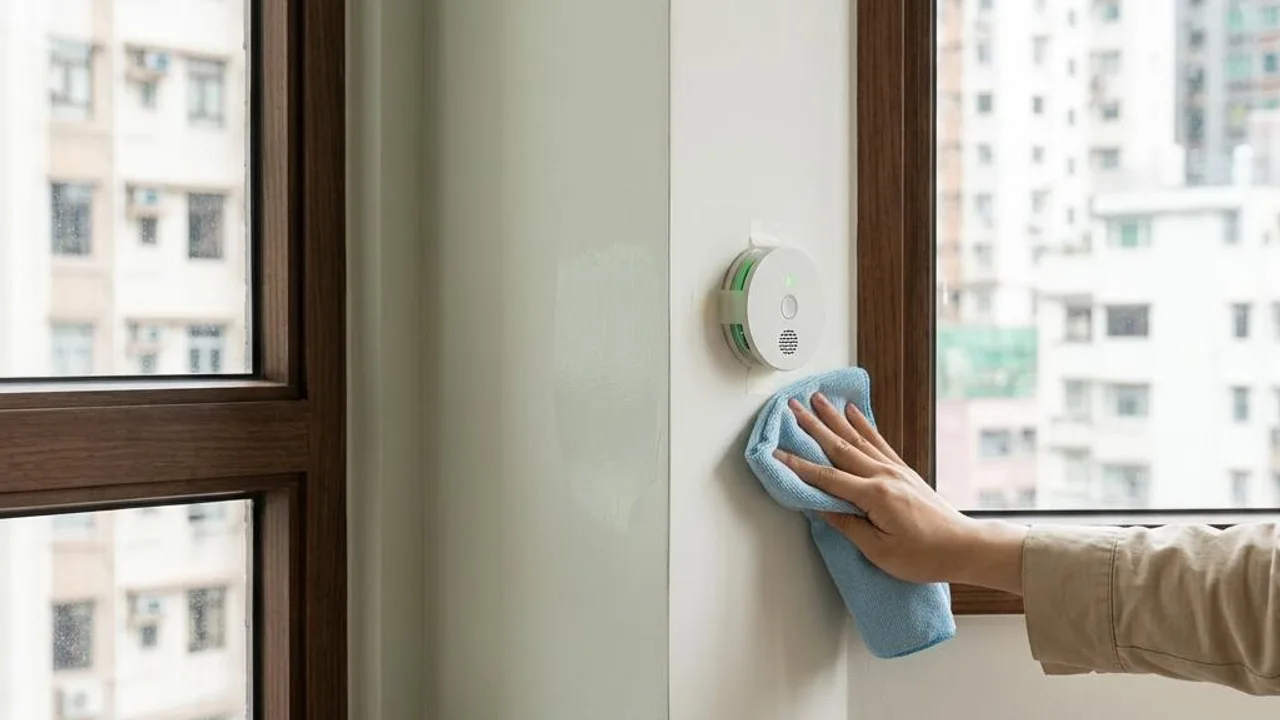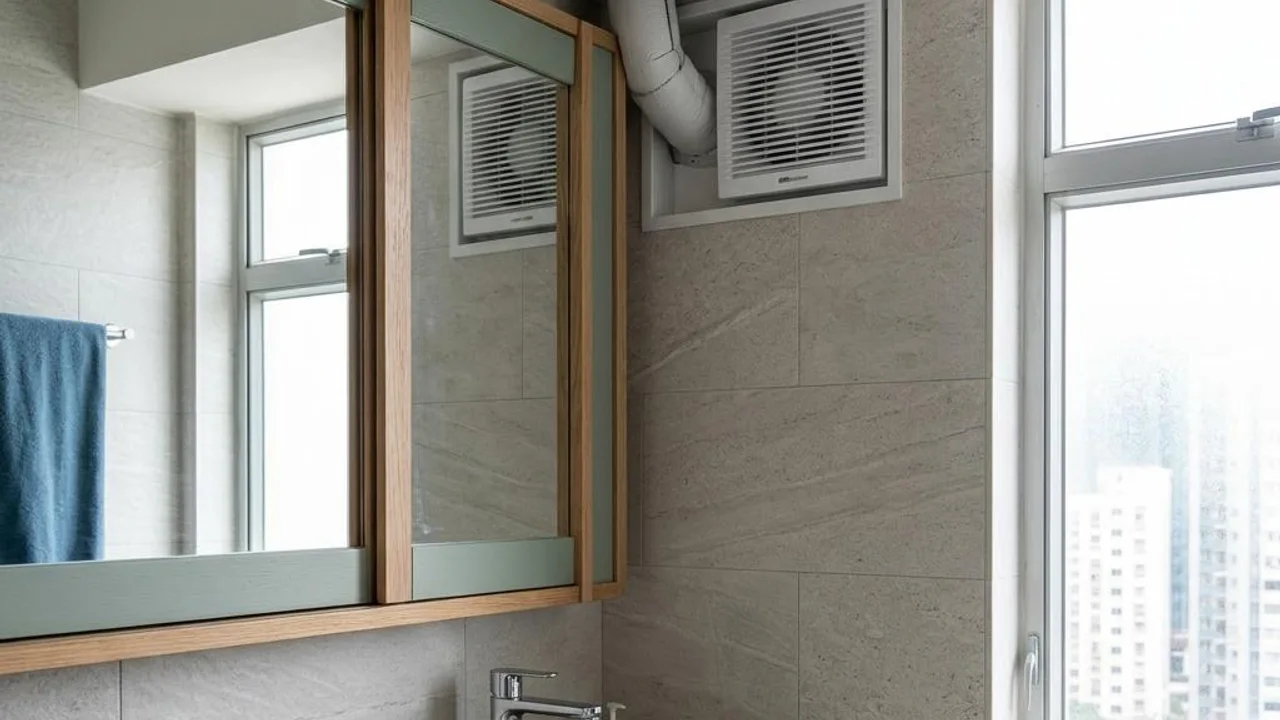
Operating mechanisms of property inspection exhaust systems.
Modern high-rise unit exhaust systems are primarily designed to assist with indoor air circulation and renewal. The system typically integrates components such as fans, ducts, vents, and filter screens, aimed at removing moisture or odours accumulated indoors and introducing an appropriate amount of fresh air.
When the system is activated, mechanical ventilation devices generate negative pressure or airflow, drawing indoor exhaust air out through specific ducts. Well-designed ventilation paths ensure uniform air movement across different spaces, preventing the accumulation of pollutants in stagnant air zones.
- Fan components are responsible for driving airflow discharge power.
- Exhaust ducts are responsible for guiding airflow to external vents.
- Filters help block dust and particulates within the ducts.
- System operation requires periodic testing of its airflow volume and operational performance.
The function of ventilation systems in high-rise residences.
In high-density buildings, the exhaust system is not only a comfort device but an important line of defence for environmental management. Effective exhaust can continuously reduce the dwell time of indoor pollutants, providing residents with a stable living environment.
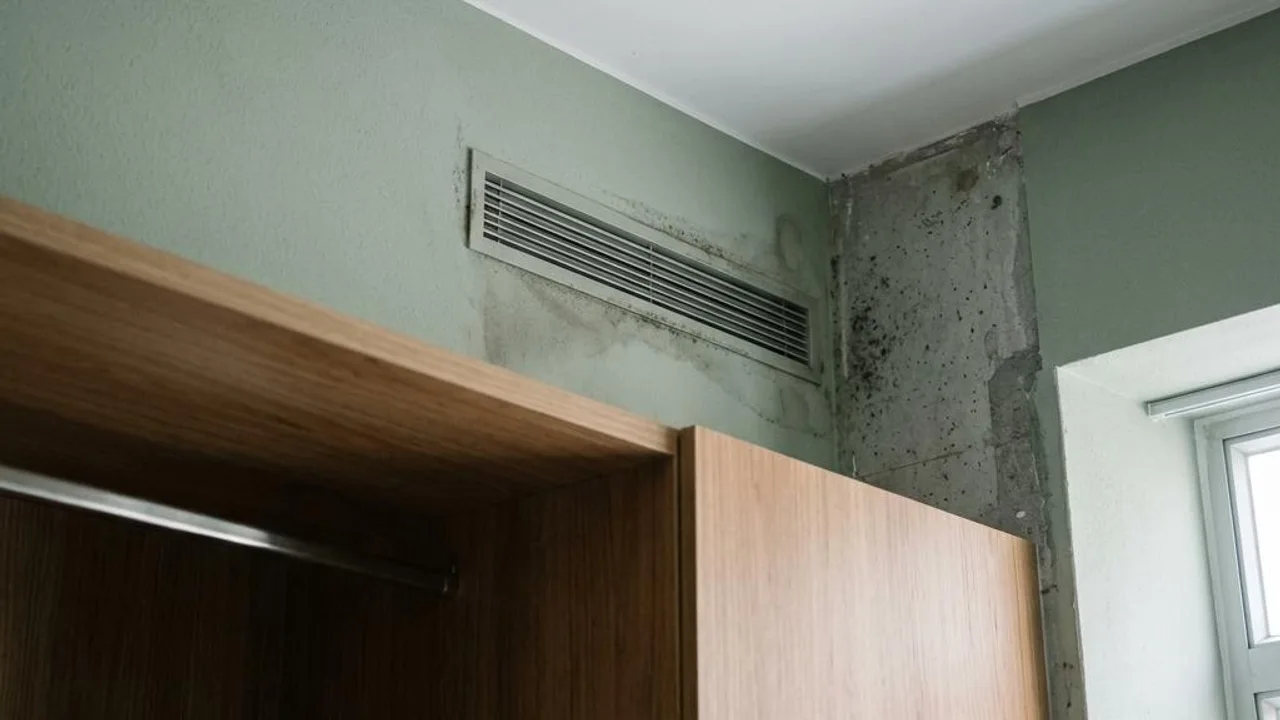
In seasons with higher humidity, the system's exhaust operation assists in regulating indoor temperature and humidity, reducing the risk of mould growth behind walls or cupboards due to moisture accumulation, thereby protecting building finishes and the respiratory health of occupants.
- Improve indoor air circulation and reduce the accumulation of harmful substances.
- Assist in reducing indoor humidity and preventing mould risks.
- Maintain indoor thermal comfort and slow down the retention of heat.
- Prevent damage to interior structural finishes caused by humidity.
Routine inspection points for exhaust systems.
Residents should establish a regular inspection habit to ensure the system is in good condition. Inspections should primarily be non-disassembly observations; if structural duct repairs are involved, you must seek professional assistance—do not alter them yourself.
During maintenance, inspection focus should be on accessible filters and exhaust vents. During the inspection, pay attention to signs such as strange noises, stagnant operation, or clearly insufficient airflow, and record related abnormalities.
- Check filters for obvious dust blockages or damage.
- Observe if the exhaust vent is covered by debris to ensure unobstructed airflow.
- Listen for abnormal vibrations or metallic clanging when the fan is running.
- Record any signs of reduced exhaust performance for reference.
Maintenance limitations and professional support.
Some exhaust systems involve building structures or high-altitude exhaust devices; non-professionals should not attempt to clean or modify them to avoid causing leaks or damage to the building's exterior walls. For performance issues that cannot be resolved, commission a registered contractor for follow-up.
If a resident finds that bathroom or kitchen exhaust functions have failed, do not forcibly remove the vent cover. Such issues involve communal building facilities; please contact the management office or professional technicians for inspection to ensure compliance with building safety standards.
- It is strictly prohibited to disassemble exhaust ducts involving the building structure.
- High-altitude or external ventilation devices should be maintained by qualified professionals.
- If electrical abnormalities are discovered, please hire a registered electrical contractor to handle it.
- System performance testing should consult professional property inspection or maintenance experts.
Common ventilation system performance issues.
When an owner notices strong vibrations accompanying the exhaust fan's operation, or continuous condensation accumulation around the exhaust vent, this may indicate dust or blockages inside the ducts. Avoid spraying cleaning agents directly to prevent them from seeping into the motor and causing faults.
Additionally, if the exhaust system makes a muffled sound after closing doors and windows, this may be due to excessive indoor negative pressure and a lack of sufficient air supply channels. Owners can observe door gap ventilation to ensure indoor air can be changed smoothly.
- Observe if there is rhythmic metallic clanging in the system's operating noise.
- Check if there is dust accumulation or mould spots in the ventilation vent.
- Confirm if the exhaust fan blades rotate steadily without shaking.
- Observe the drying efficiency changes of bathroom walls after exhaust.
FAQs
Can owners clean the bathroom ceiling exhaust fan filter themselves?
Owners can only perform surface cleaning on removable cover plates and filters—be sure to turn off the power first. If it involves internal motor disassembly or cleaning deep inside ventilation ducts, professional maintenance personnel should be hired to avoid damaging electrical wires or casings due to improper removal.
Which items should be checked if kitchen exhaust performance worsens?
First, confirm if there is debris blocking the exhaust vent, and notice if there are abnormal odours or vibrations when the fan is running. If the problem persists, it is recommended to record the decrease in operational performance and contact the management office or professionals for inspection; avoid disassembling ventilation equipment yourself.
Is backflow of air (reverse wind) in the exhaust system normal?
Backflow is usually caused by excessive external wind pressure or aged exhaust valves. Residents can first observe and record the times and conditions when backflow occurs. If this phenomenon frequently affects indoor comfort, a professional technician should be commissioned to check if the backflow preventer is damaged or needs replacement.