Why identifying poor decoration is crucial
Decoration quality directly affects living safety and future quality of life. Poor construction may hide risks such as abnormal electrical load, water pipe leakage, or structural flaws. This not only threatens the safety of the home but may also affect long-term health.
Many serious decoration problems are not easily detected from the surface. If problems are discovered only after moving in, the repair process often involves tearing down walls or re-laying, which not only significantly increases repair costs but also brings great disturbance to the homeowner's life.
- Early identification of defects allows for follow-up requests within the maintenance period
- Prevent decoration problems from evolving into expensive structural hazards
- Ensure water and electrical systems meet safety operation standards
- Maintain long-term living environment comfort
Inspection methods for external decoration details
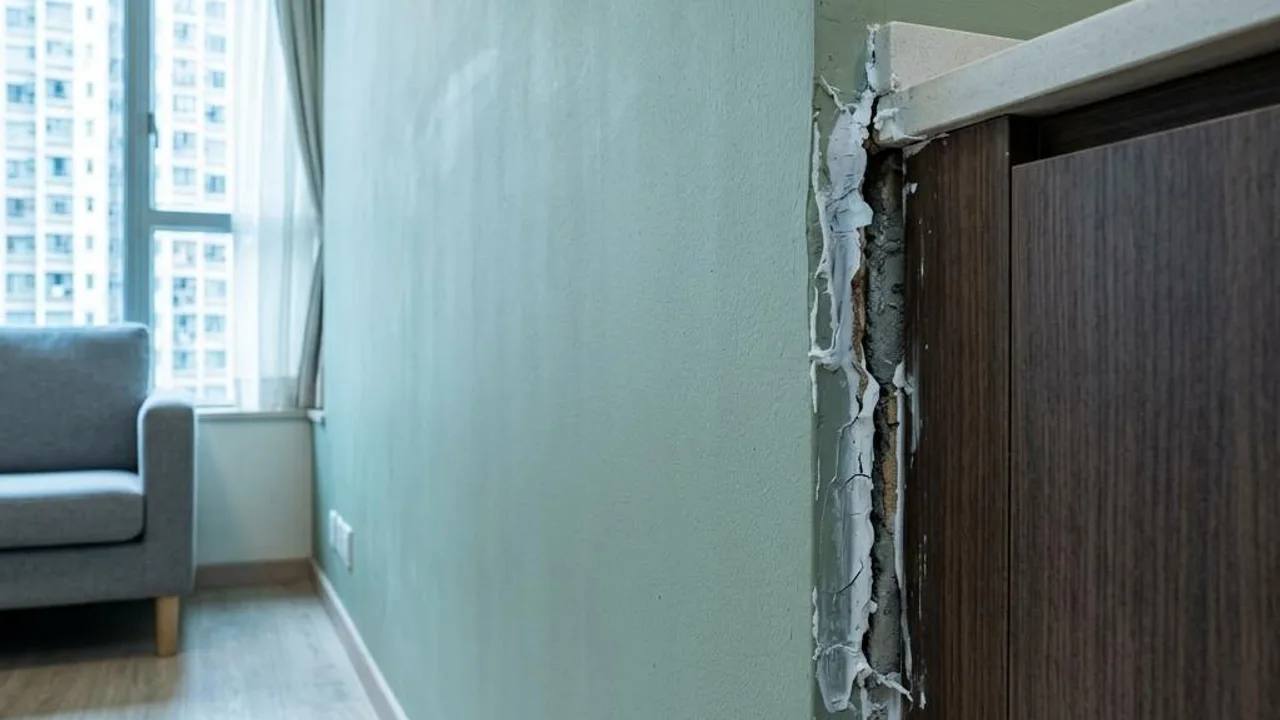
The property inspection should begin from the walls and ceilings, noting any unevenness, cracking, blistering, or peeling plaster, as these signs reflect poor base treatment or substandard materials. Additionally, check if floor tiles are hollow or uneven, and whether woodwork such as door frames and cabinets fit tightly.
The inspection of water and electrical facilities also cannot be overlooked. Test the power supply of all sockets, and check the water flow and drainage status of taps. Be sure to observe whether the kitchen and bathroom drainage outlets are clogged, and ensure that all cabinets open and close smoothly without strange noises.
- Check whether the wall and ceiling paint colors are uniform
- Inspect floor tiles for hollowness and ensure gaps are properly sealed.
- Test all power sockets and switches to ensure they are functioning correctly.
- Check the finish of door and window frames and the smoothness of hardware operation.
Risks and identification of concealed works
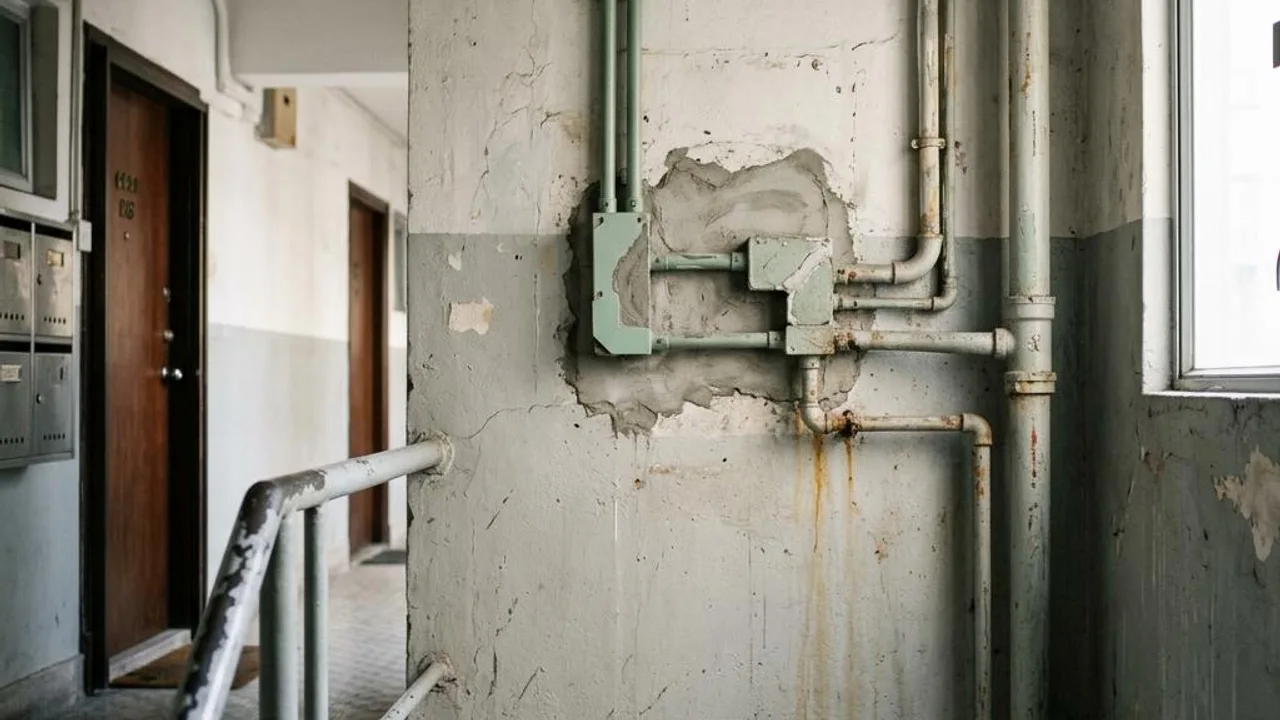
Water pipes and electrical wiring are usually concealed within walls or ceiling voids, making them generally difficult for homeowners to inspect directly. If you notice water stains on walls, messy wiring inside the distribution board, or feel abnormal electrical load when starting high-power appliances, you should remain vigilant.
Particular attention must be paid to electrical safety at home; power strips should not be used in damp areas, and high-wattage appliances such as air conditioners should be connected to independent sockets. Any modifications to fixed electrical appliances must be performed by a registered electrical contractor, and relevant certificates should be obtained.
- Observe the walls for any unusual water stains or mould.
- Be alert for any burning smells or tripped circuit breakers when appliances are in operation.
- Listen to the soundproofing quality of the walls in adjacent areas.
- Employ professionals to inspect the condition of concealed pipes.
The role of professional property inspectors
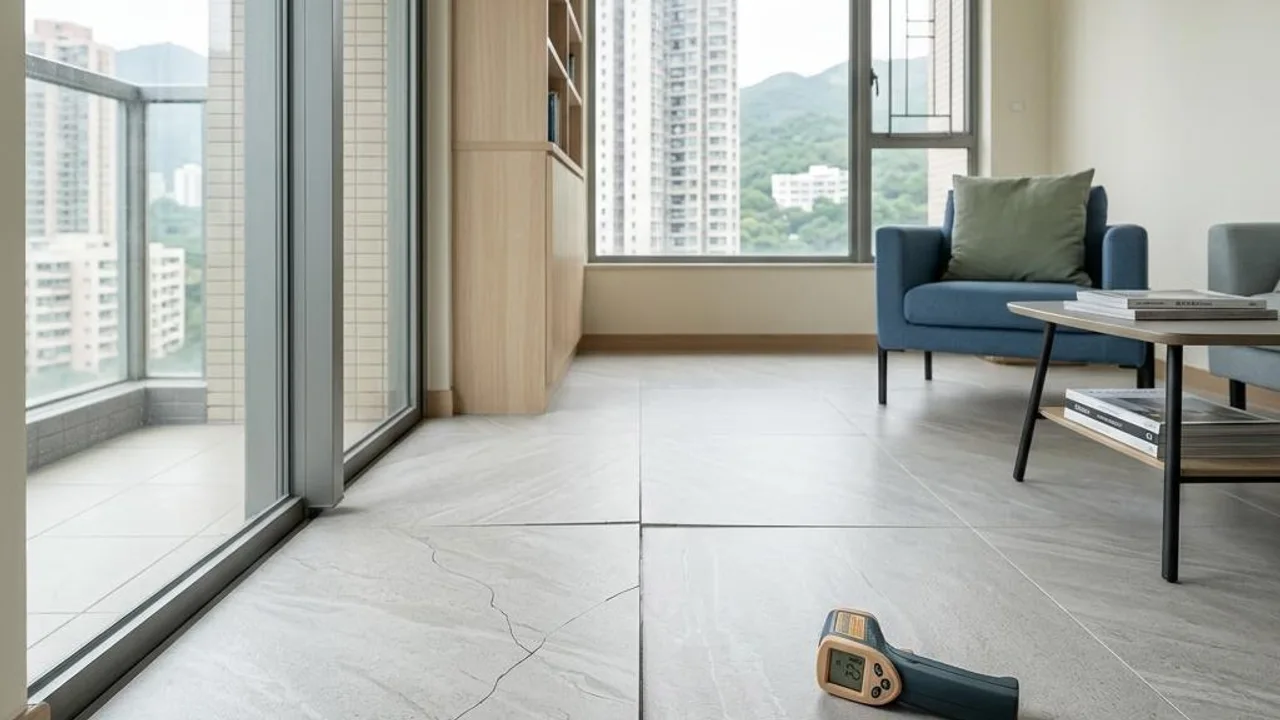
Although homeowners can carry out basic checks, professional OPO Inspection specialists use specialised equipment (such as infrared thermal imagers, water pressure testers, etc.) to more accurately identify hidden leaks or hollow tiles, which are often difficult to detect with the naked eye.
Through professional assessment, homeowners can obtain a more structured written record. This not only allows for an evaluation of the quality of renovation work but, more importantly, if serious construction defects are found, the professional report can serve as an important basis for communication between the homeowner and the contractor.
- Use instruments to detect leak risks invisible to the naked eye.
- Assess the consistency of electrical load with safety standards.
- Provide a well-structured written property inspection record.
- Determine the quality of renovation work based on industry standards.
Practical checklist for homeowners' self-inspection
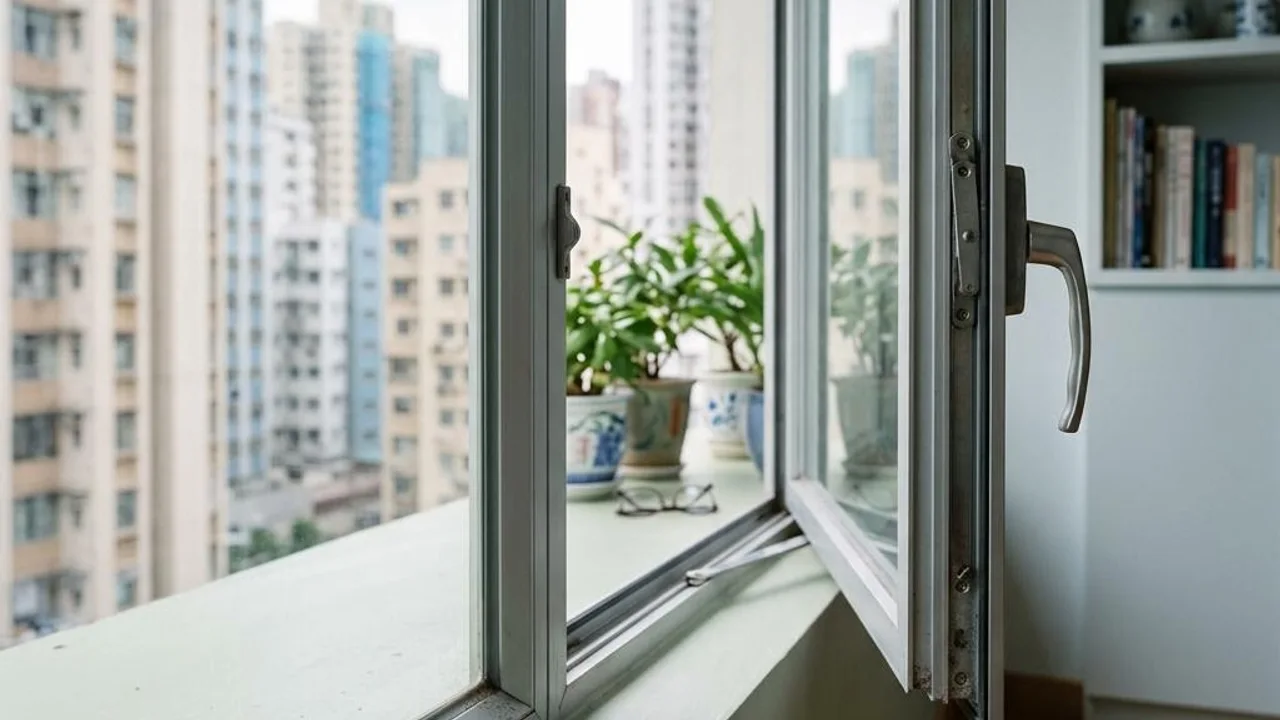
Preparing a checklist can help homeowners conduct the acceptance process more systematically. From the living room to the bedrooms, inspect the walls, floors, and window sealing performance one by one. In humid climates, window sealing is particularly important as it effectively blocks out wind, rain, and noise.
Beyond the structural finishes, the installation quality of soft furnishings and furniture should also be noted. All doors and windows must open and close smoothly, and locks should operate flexibly without any rubbing or resistance. If any issues are found, they should be photographed immediately as a record to facilitate subsequent verification with the renovation company.
- Walls and ceilings should be free of cracks, mould, or water stains.
- Floor tiles should be level with no hollowness or abnormal sounds.
- Power sockets should pass functionality tests.
- Windows should open and close smoothly and have good seals.
- All water pipes and drains in the property should function smoothly without leaks.
FAQs
If hollow floor tiles are discovered, how should they be handled?
Hollow floor tiles indicate trapped air or insufficient adhesive during the laying process, which may lead to the tiles becoming loose over time. Homeowners should document the exact location of the hollow tiles and take photos, requiring the contractor to perform defect rectification according to the contract terms.
If a DIY inspection reveals suspected water stains on a wall, what should be done next?
Wall stains may indicate concealed pipe leaks. Homeowners should not dismantle the wall themselves; they should first take photographs to document the situation, keep the area undisturbed, and contact a professional immediately to perform a pressure test or thermal imaging scan to determine the source before requiring the responsible party to conduct repairs.
If an abnormal power supply is detected during socket testing, can I replace the socket faceplate myself?
This is absolutely not recommended. Any maintenance involving electrical systems must be carried out by a licensed registered electrical worker. If an unstable power supply is found, the main power should be switched off immediately, and a professional should be requested to check the circuit load and connections.