Property inspection service: Focusing on handover status and foundation for defect rectification
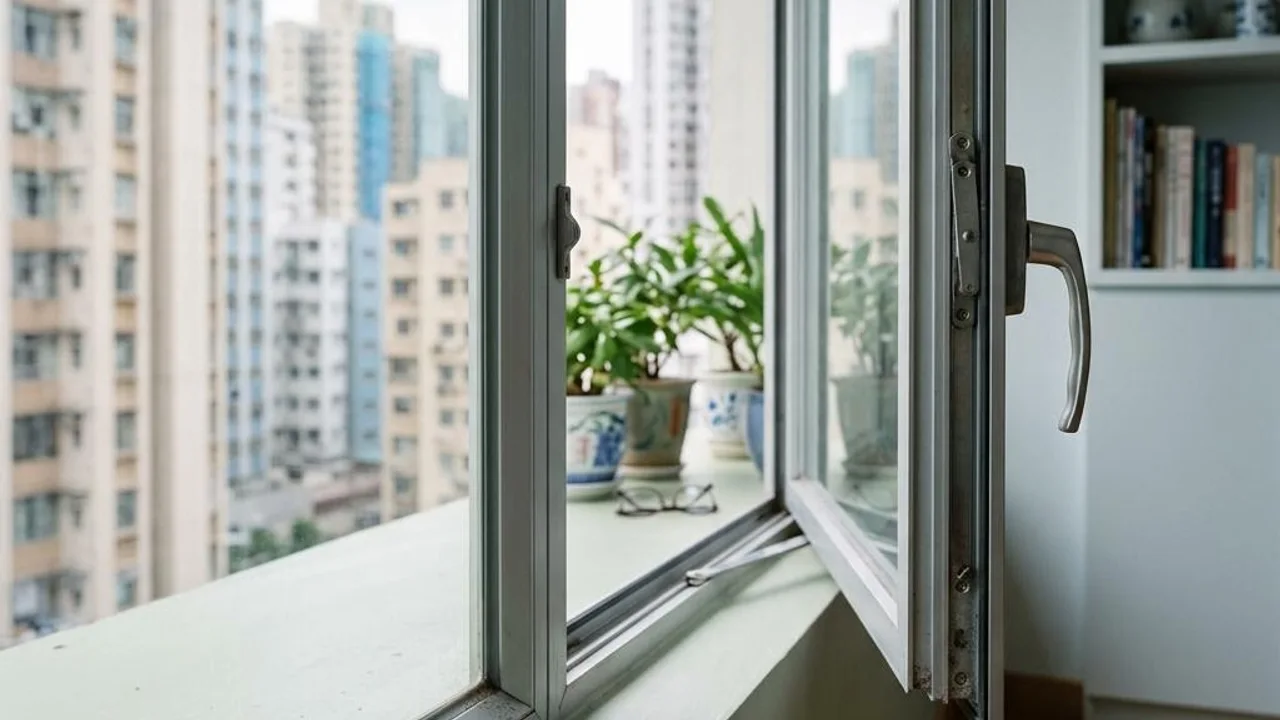
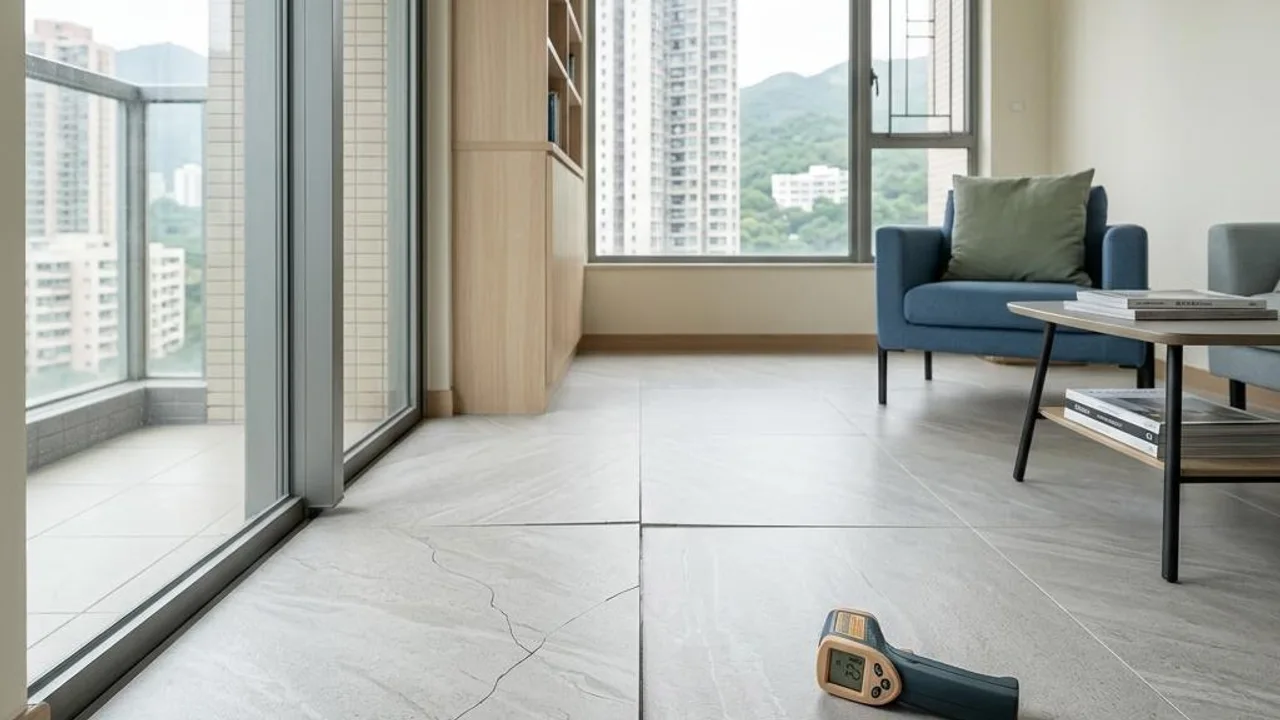
Property inspection services are usually carried out during the property handover or collection stage. The core goal is to examine whether the unit's current status meets acceptance standards using objective criteria. Professional property inspectors will comprehensively evaluate the flatness of internal walls, hollow floor tiles, water tightness of aluminium windows, drainage systems, and basic electrical installations. The purpose is not merely to 'find faults' but to ensure the safety and operational efficiency of the unit at the time of handover.
The focus of observation at this stage is the developer's delivery standard of the original property. Through professional testing, owners can discover defects that are difficult to notice with the naked eye and submit repair requests within the defect rectification period specified by the developer, ensuring the property is in an ideal state upon receipt.
- Test floor flatness and check for hollow tiles
- Check aluminium window seal performance and smoothness of opening/closing
- Verify basic safety of electrical sockets and distribution boards
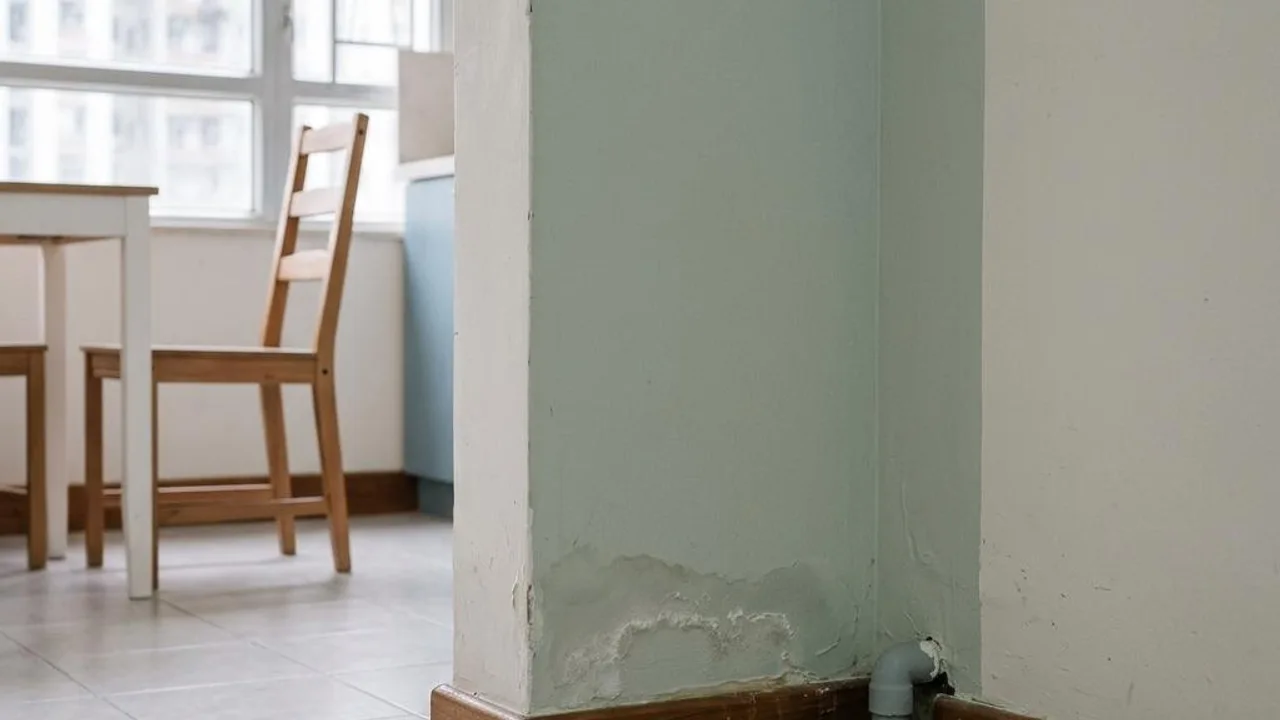
- Perform drainage tests to detect signs of water seepage
Renovation supervision: Focusing on construction quality and progress control
Renovation supervision differs from property inspection; supervision services span the entire renovation period. Their core responsibility is to ensure that workers execute work strictly according to construction drawings, monitor material quality, and conduct meticulous inspections before key processes such as cement work, waterproofing, and hidden wiring are completed. This effectively prevents the discovery of flaws only after 'boarding up' or 'laying tiles', significantly reducing the cost of future demolition and rework.
Supervisors also assist in managing process coordination and project progress, acting as a bridge between the owner and the contractor. During the renovation, professional supervisors can remind owners to conduct on-site inspections at critical stages (e.g., before installing air conditioning or ceiling bulkheads) to ensure that construction quality meets standards. In short, supervision is about controlling hidden risks during the construction process, rather than a one-off delivery inspection.
- Monitor the construction standards of plastering and waterproofing works.
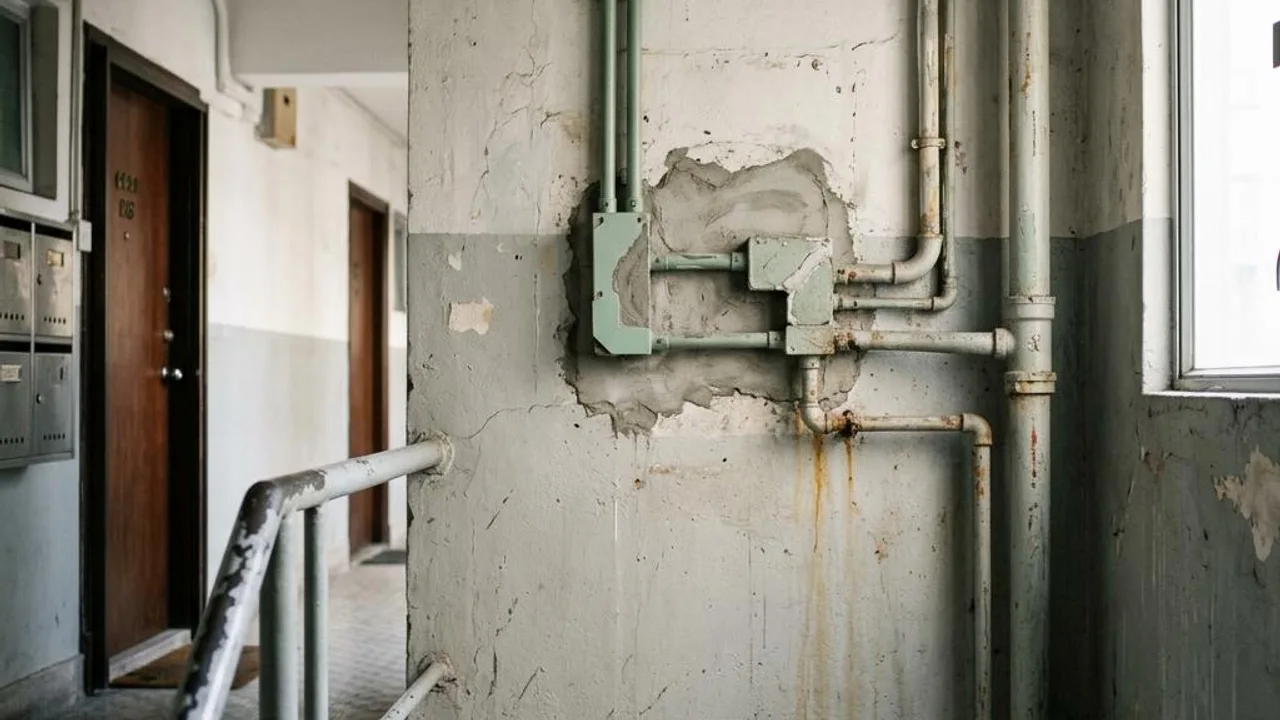
- Verify the installation layout and safety of water and electrical conduits.
- Ensure decoration progress complies with contract specifications.
- Perform on-site inspections before sealing key construction phases.
Core functional differences between property inspection and renovation supervision
There are three core differences in their roles: First, a timing difference—property inspection typically occurs at the beginning of handover or purchase, while site supervision occurs during the decoration period. Second, the object of inspection differs—property inspection mainly tests the delivery state of the original building, whereas site supervision tests the quality of decoration works. Third, the goal—property inspection aims to identify defects as grounds for a claim, while site supervision aims to prevent construction errors.
Confusing the two can lead to a waste of resources. If you wish to resolve existing structural or water seepage hazards before starting new home renovations, you should prioritize hiring an inspector. If you are entering the renovation stage, you need a professional site supervisor to ensure work quality. Clarifying their roles helps owners find the right professional at the right time, thereby significantly reducing potential risks from decoration defects or handover disputes.
- Property inspection focuses on delivery status, whereas site supervision focuses on the construction process.
- The inspection objects are respectively the developer and the decoration contractor.
- Property inspection provides repair recommendations, while site supervision provides immediate improvements.
- The two services differ in their project stage and functional objectives.
How to choose the right service according to the construction stage
If you have just received a new property, you should first consider a professional property inspection to raise issues during the defect rectification period provided by the developer. For owners of secondary properties, a property inspection can effectively assess the aging of existing water and electricity systems, window safety, and potential seepage risks, serving as a basis for deciding whether to undertake major renovations. This step is a necessary procedure for ensuring living safety and budget allocation.
If you are certain about conducting a full renovation or major refurbishment, it is recommended to hire a site supervisor to follow up. A supervisor can ensure that quoted items match the actual construction and reduce communication barriers. For owners pursuing a high-quality living environment, the 'inspect first, supervise later' model is ideal: first ensure the building's foundation has no major structural or seepage issues, then ensure engineering quality during the decoration stage to minimize risks.
- New property handovers should prioritize professional property inspection.
- Secondary property purchases require structural safety assessments through property inspection.
- Major renovations require commissioning a site supervisor to control engineering quality.
- It is recommended to adopt the orderly procedure of 'inspect property first, then decorate'.
Clarifying common misconceptions about professional services
In addition, many owners mistakenly believe that the property inspector will be responsible for the subsequent supervision of decoration work, or that decoration contractors can perform property inspection duties. In reality, inspectors focus on delivery standards, while contractors focus on construction operations; their professional scopes do not overlap.
Site supervision and professional property inspection have different functions. Decoration contractors generally do not conduct concealed work inspections according to property inspection standards, nor can they be held responsible for the unit's original structural defects. Owners are advised to treat these as independent professional services, with each performing their own duties, ensuring proper supervision from handover to moving in. This type of inspection is a non-destructive assessment and cannot guarantee the safety of structures, electricity, or gas, nor can it confirm the condition of concealed pipes, the thickness of waterproofing layers, or the remaining service life. The thermal imaging camera only displays surface temperature distribution and cannot be regarded as direct evidence of moisture sources or concealed structural problems.
Statutory window inspections must be conducted by qualified persons registered with the Buildings Department and are not part of general property inspection scope. For technical issues, please consult relevant qualified personnel. For safety reasons, it is not recommended that owners perform electrical tests, disassemble fixtures, adjust pressure valves, or enter roof and external wall window areas.
- Property inspection services do not include supervision of renovation progress.
- Property inspection services only cover visible areas and cannot provide guarantees for structural, electrical, or gas safety, property compliance, concealed pipes, waterproofing thickness, remaining service life, or repair outcomes. Thermal imaging technology only shows surface temperature distribution and is not proof of the cause of moisture seepage, nor can it reveal concealed structures. Inspection tools do not guarantee the detection of all concealed defects. Statutory window inspections are a separate procedure and must be performed by qualified persons registered with the Buildings Department; this is not part of the property inspection service. For professional fields, consult relevant qualified professionals. Residents are strictly forbidden from conducting their own electrical tests, disassembling devices, adjusting water pressure valves, or climbing on roofs or windows. Site supervision services do not provide guarantees on the base condition of the delivered property.
- Neither can fully replace the other's responsibilities.
- Mixing professional roles may result in additional risks.
Important reminders from the professional team
Whether it is property inspection or site supervision, selecting a team with relevant professional experience is the key. Inspectors should be familiar with various building structures and common defects, while supervisors must possess extensive project management knowledge and understand the construction standards for various critical processes. Before commissioning, it is recommended to understand the company's scope of service, reinspection arrangements, and communication mechanisms with contractors to ensure they can effectively fulfill their duties.
Especially for projects involving seepage tracing, old building aluminium window safety, or major electrical installation changes, be sure to seek the participation of professionals with relevant qualifications. This avoids safety loopholes arising from misleading inspections and safeguards the property's long-term appreciation potential. Professionals are not just inspectors, but the best partners for owners when dealing with property repairs and renovation challenges.
- Confirm that the service provider has relevant construction experience.
- Clarify inspection points and quotation contents beforehand.
- Confirm follow-up mechanisms that include inspections of key construction processes.
- Seek expert advice for complex projects.
FAQs
When a property inspector finds signs of water seepage in the unit, how should the owner handle it?
The owner should request the inspector to record the location of the seepage and relevant observational data, and take photos for filing. Subsequently, a qualified professional tester should be hired for a detailed check. Do not perform any disassembly or forced repairs yourself to prevent causing further damage to the structure or waterproofing layer.
During the decoration period, at which critical milestones should owners request the site supervisor to perform on-site verification?
Owners should request the supervisor to perform checks before concealed works are completed (e.g., after the installation of hot and cold water pipes, and after wire threading). Additionally, after applying waterproofing coatings and before tiling or sealing ceilings are recommended stages for inspection to confirm the current status of the works. Such observations do not constitute a guarantee or certification of waterproofing performance or the structural strength of concealed works; related technical and safety matters should be consulted with qualified professionals.
Why is it said that secondary property buyers must prioritize property inspection services before renovation?
Secondary properties have aging issues. Property inspection can assess existing electrical systems, aluminium window stability, and potential water hazards, allowing owners to understand real repair needs, avoid wasting renovation budgets on unresolved hazards, and use this as a basis for formulating renovation plans.