The Importance of Window Inspection: A First Line of Defence for Safety and Energy Efficiency
As a crucial part of the building envelope, the construction quality of aluminium windows directly impacts living safety. During property handover, a stable window frame structure and reliable locks are the basic guarantees against illegal entry, while also ensuring the window's stability during weather conditions such as strong winds.
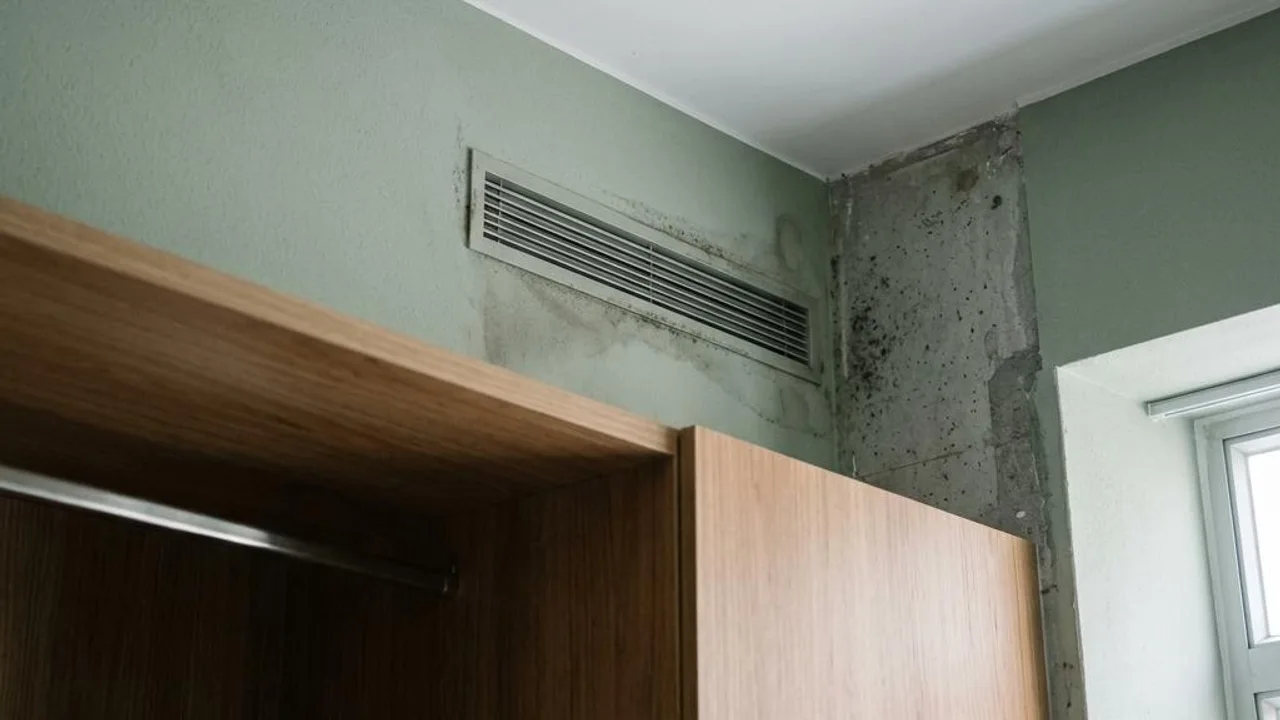
High-quality aluminium window installation enhances a unit's thermal and sound insulation. The airtightness of windows directly relates to the rate of heat or cooling loss; good sealing can significantly improve the indoor environment, help homeowners save on long-term energy expenditure, and prevent dampness and mould issues caused by water seepage.
- Safeguarding Unit Structure and Physical Security
- Improving Indoor Sound Insulation and Temperature Stability
- Preventing Water Seepage Risks to Protect Furniture
- Optimising Natural Ventilation and Environmental Quality
Professional Window Inspection Workflow and Detailed Checks
When inspecting aluminium windows, the primary check is the joint between the window frame and the wall; observe for obvious cracks or looseness, and confirm that there are no deformations, dents, or corrosion on the aluminium frame. Basic frame stability is a prerequisite for long-term durability, and any structural defects must be documented.
Glass quality cannot be ignored. Check the glass surface for cracks, scratches, or chipped corners, and confirm whether the glass sealant is level and if there are signs of detachment or ageing. These nuances are often the source of water ingress and require special attention during inspection for their sealing state.
- Inspect the joints between the window frame and the wall for gaps
- Observe the aluminium frame structure for any deformation or corrosion
- Confirm the glass for any cracks or scratches
- Inspect the installation quality of the glass sealant
Operational Flexibility and Lock Inspection
The operational flexibility of aluminium windows reflects the precision of the installation. Every window should undergo a full opening and closing test to confirm smooth operation without resistance or abnormal noise. Fixing devices (such as hinges or stays) must be able to securely hold the window in the open position, ensuring it does not slide automatically during use.
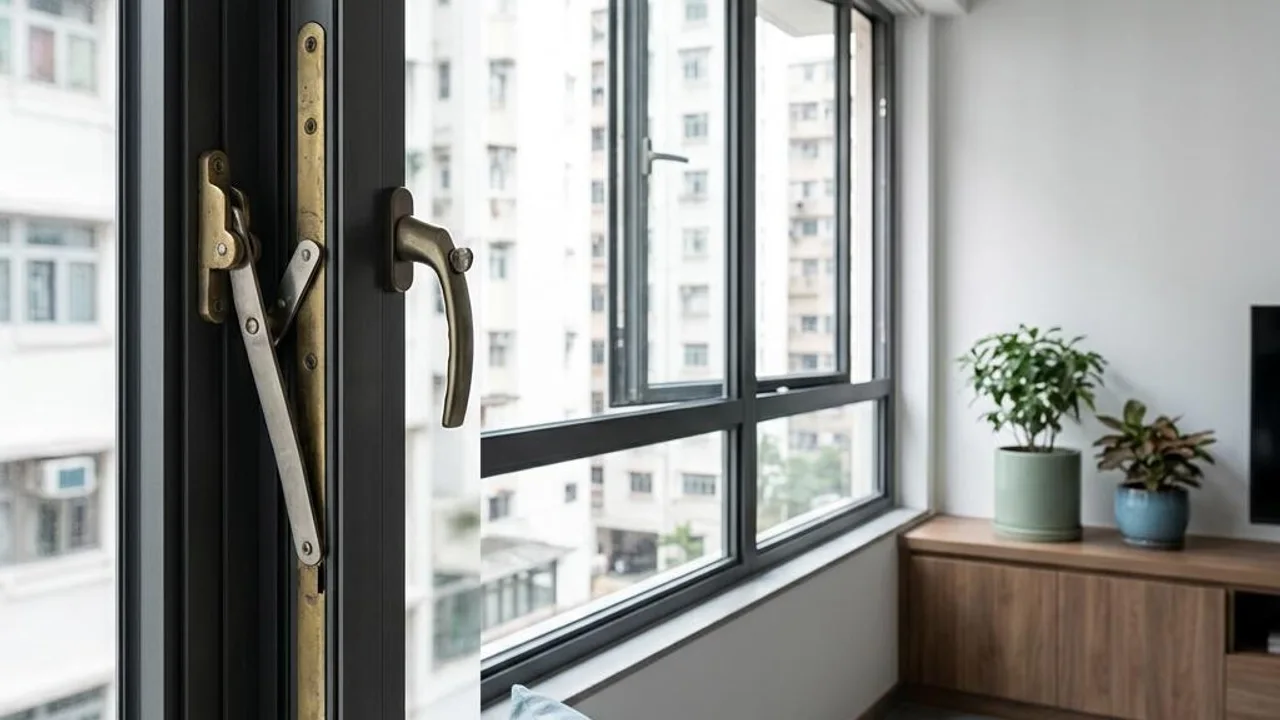
Locks are key to aluminium window security; you must check that the latch and strike plate are perfectly aligned, ensuring a tight feel when locked without any looseness or difficulty in closing. If the lock operates unsmoothly, it may prevent the window from closing completely, affecting safety and airtightness.
- Confirm that each window's opening and closing movement is smooth
- Test that the window lock closes tightly and is aligned
- Check for any abnormal noise during the opening and closing process
- Verify that the stay/fixing mechanism is reliable
Preventive Maintenance and Early Intervention
Through regular observation and timely maintenance, aluminium windows can remain in good condition for a long time. If any water seepage or hardware looseness is found, professional inspection should be arranged early to prevent the problem from worsening and necessitating higher costs for major repairs or replacement.
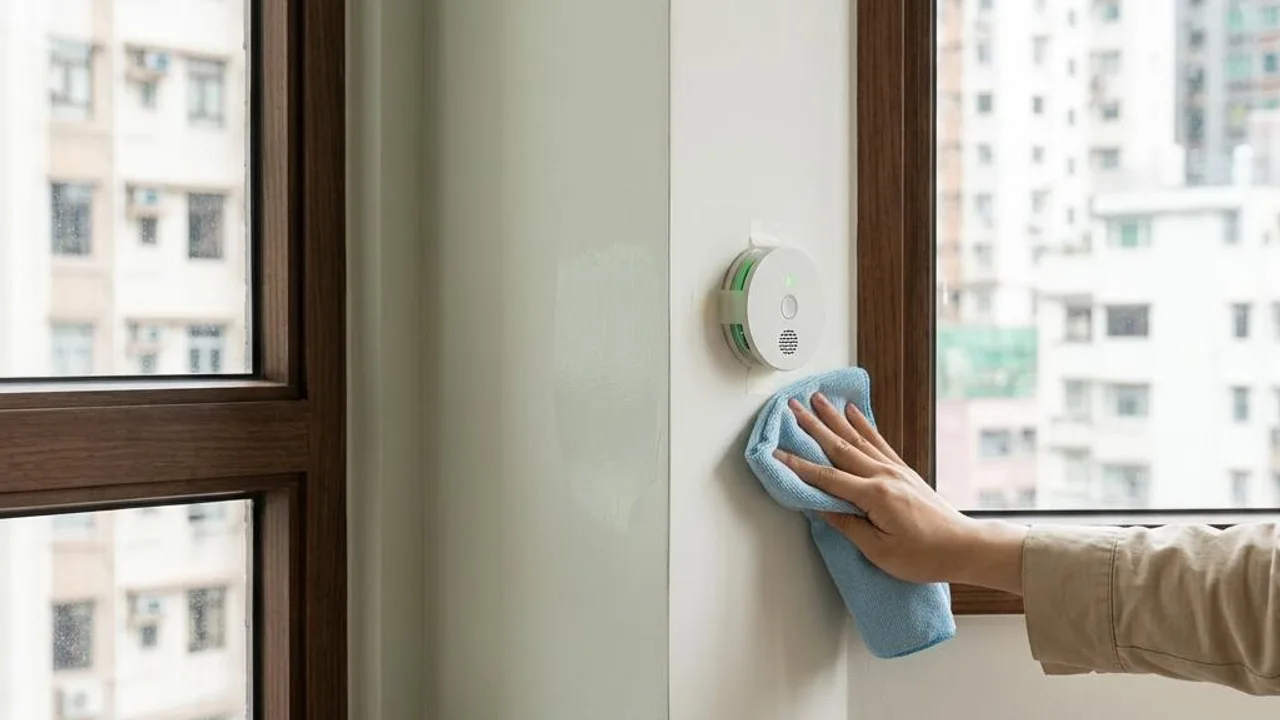
Daily maintenance should focus on cleaning window frames, checking for debris blocking the tracks, and ensuring hinges are lubricated to reduce the risk of wear. If hardware components appear abnormal, professional assistance should be sought early.
- Regularly clean debris from the window frame tracks
- Check the lubrication level of hinges
- Look for signs of loose hardware components
- Seek professional assistance if water seepage is discovered
Regulatory Requirements and Professional Maintenance Recommendations
During window inspection, homeowners should understand relevant regulatory responsibilities and must not perform high-risk dismantling or repair work themselves. Especially for high-rise windows, designated inspection works must be carried out by a registered contractor to ensure personal safety and compliance with regulations.
For structural parts or window hinge replacement, work must be performed by professional personnel. Homeowners should focus on recording the specific location and condition of issues to explain the situation to the contractor for precise assessment and repair.
- Please hire a registered contractor for high-risk repairs
- Regularly inspect to ensure window frames and locks are secure
- Do not replace structural components yourself
- Address water seepage early to prevent mould growth
FAQs
If a minor chipped corner is found on the edge of the aluminium window glass during property inspection, is it a serious defect?
If a chipped corner appears on the glass edge, stress concentration may occur due to heat or wind pressure, increasing the risk of crack propagation. It is recommended to record this in the inspection report and request the contractor to conduct an assessment to confirm if replacement is needed to ensure safety.
How can one determine if an aluminium window has a water seepage problem?
Homeowners can observe the inner lower edge of the window frame or wall corners for water stains, bubbling paint, peeling, or signs of mould. If such abnormalities are found after rain, it is recommended to hire professional personnel for inspection; do not use silicone sealant to fill gaps yourself to avoid covering up the source of the problem.
Can homeowners adjust the window lock themselves if it does not close tightly?
It is not recommended for homeowners to dismantle or adjust window locks and related hardware themselves. If a window lock does not close tightly, it may involve latch misalignment or frame structural issues; a qualified contractor should be hired for inspection to avoid damaging the structure through improper work.