Understand the aesthetic and functional value of glass curtain walls
As the core structure of modern commercial buildings, the value of a glass curtain wall lies not only in its visual transparency but also in optimizing indoor natural lighting and improving the building's overall energy efficiency. Through the assembly of large-area high-performance glass and metal frames, the curtain wall can closely connect the building with the external environment, creating a sense of an open interior space.
During the inspection process, it is crucial to understand the composition of the glass curtain wall. It is not just an outer shell but an important part of the building's envelope structure. Owners should pay attention to how its design handles heat penetration in different environments, as well as the stability of the frame structure when bearing wind pressure; this is an essential observation point when assessing property quality.
- Optimise natural indoor lighting performance
- Improve the overall energy efficiency of the building
- Establish a visual connection between the architecture and the modern city
- Strengthen the protective functions of the building envelope
The advantages and structural challenges of glass curtain walls
Glass curtain walls are extremely popular in commercial environments, primarily due to their unique aesthetic contribution. They can be customised to a wide range of styles to suit design requirements, allowing the building to become part of the urban landscape. At the same time, abundant natural light not only reduces daytime lighting costs but is also considered to improve the working atmosphere and the health of personnel in office spaces.
However, glass curtain walls also face challenges. Due to prolonged exposure to the outdoors, their maintenance costs are higher, especially in heavily polluted urban environments, requiring regular cleaning to prevent dirt accumulation from affecting light transmission. Furthermore, structural safety is of paramount importance; the curtain wall must be designed to withstand strong winds and cope with minor vibrations to ensure the safety of users.
- Maintain light transmission to preserve building aesthetics
- Manage air pollutants in the urban environment
- Design must ensure wind pressure resistance and structural stability
- Perform regular inspections of sealing performance to prevent water ingress
Factors to consider when choosing a glass curtain wall
When selecting a suitable glass curtain wall solution, the building's geographical location and environmental factors must be comprehensively considered. For example, for buildings situated in areas with strong western sun or high temperatures, priority should be given to high-performance coated glass capable of blocking solar radiation to reduce the load on air conditioning systems. Conversely, if the building is in a noisy urban area, special selection for sound insulation performance is required.
Design style and budget expectations also dictate the direction of choice. As there are various ways to assemble glass curtain walls and materials for metal frames, owners should compare against contract specifications during property inspection to ensure that the glass grade, safety performance, and ventilation requirements all comply with the original planning and design; this has a direct impact on the property's future operating costs and living comfort.
- Select high-performance glass based on climate and environment
- Consider the impact of sound insulation performance on offices or living spaces
- Compare against contract specifications to ensure design compliance
- Balance design aesthetics with subsequent maintenance costs
Budget management and maintenance cycle planning
Budget management for glass curtain walls involves not only the initial construction investment but also subsequent operating and maintenance expenses. Although high-performance, long-life curtain wall systems have higher initial procurement and installation costs, they often feature a longer service life and require less frequent cleaning. Owners or management committees should conduct comprehensive evaluations from the perspective of long-term maintenance requirements.
For situations requiring high maintenance, a clear maintenance plan should be established, including regular checks on the condition of sealants at structural joints and flexible adjustments to cleaning cycles based on environmental degradation. Through reasonable investment, expensive repair costs resulting from glass damage or structural aging can be effectively reduced, extending the lifespan of the entire building envelope.
- Balance initial installation with long-term maintenance
- Plan for regular inspection of sealant structural performance
- Establish a flexible daily cleaning and maintenance system
- Evaluate operating costs over the property's lifecycle
Maintenance and practical care tips
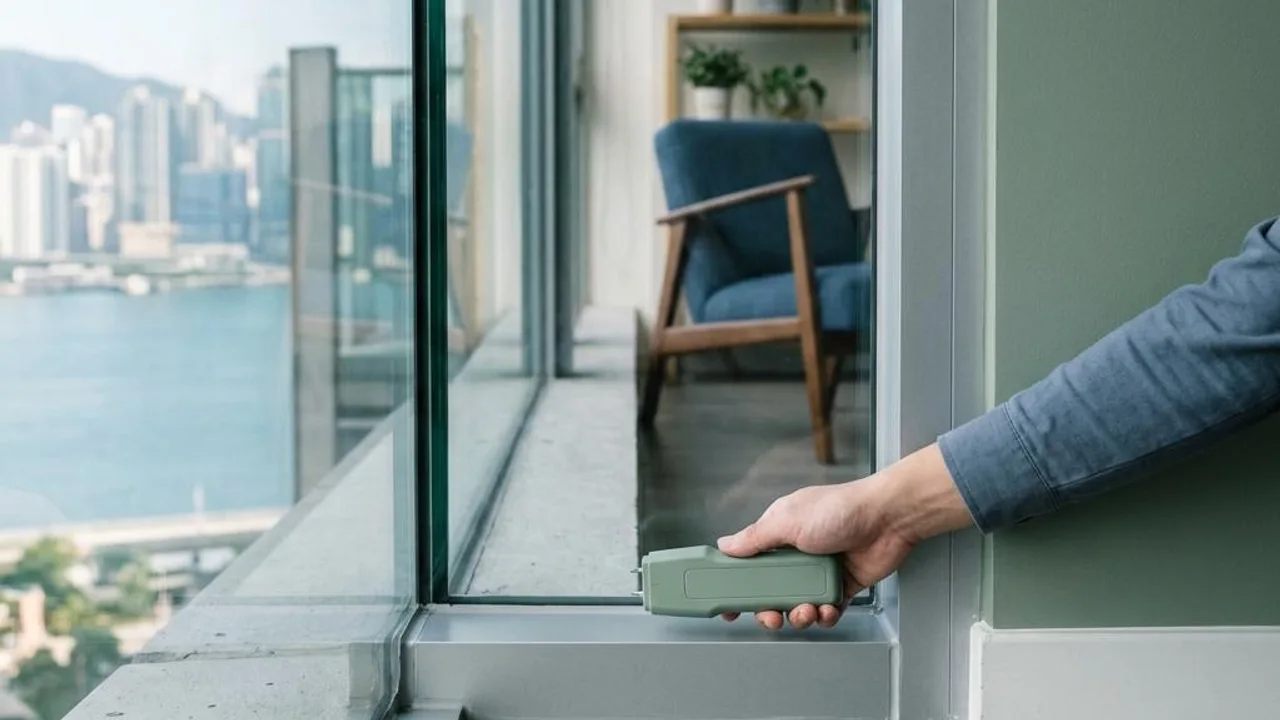
Maintenance of glass curtain walls must strictly adhere to safety regulations. In addition to maintaining transparency, regular cleaning is an opportunity to spot tiny cracks in the glass or failure of the seals. In urban environments, special attention must be paid to the corrosive effects of acid rain and industrial exhaust gases on metal frames; cleaning should be performed using professional tools to avoid scratching the glass surface.
Regular structural checks are also crucial, especially in areas prone to extreme weather, where focus should be placed on examining connectors and glass edges to prevent moisture penetration into the interior. Any wind pressure protection devices or ventilation systems must be included in the daily inspection checklist to ensure that the curtain wall system can maintain its required structural safety and protective performance in emergency situations.
- Use professional cleaning materials for regular maintenance
- Check metal frames for signs of corrosion
- Examine the integrity of glass joints and sealants
- Conduct structural reinspection before the high-wind season
FAQs
What structural details should owners pay most attention to when inspecting glass curtain walls?
Owners should prioritise observing whether the connections between the glass and metal frames are secure, check for signs of aging, cracking or peeling in the sealants, and compare the glass thickness and safety grade against the construction specification document.
What should owners do if they find signs of water leakage in a glass curtain wall?
Do not perform destructive tests without authorisation. Owners should record the location and time of the water leakage, take photographs as evidence, and then contact qualified professionals or surveyors to conduct an on-site structural assessment and water leakage test.
Do glass curtain wall sealants have a fixed service life?
The performance of sealants is affected by climate and environment, and there is no uniform expiry date. It is recommended to include them in the regular inspection checklist; if obvious shrinkage, cracking or loss of elasticity is observed, a professional contractor should be hired for replacement as soon as possible.