The fundamental importance of paint inspection
Paint is not just the decorative coat for a unit, but also the fundamental barrier protecting the wall structure and underlying materials. Conducting a detailed paint inspection at the handover stage can effectively avoid later maintenance issues triggered by poor construction.
High-quality paint coatings should have good hiding power and smoothness. Examining the walls from a professional perspective allows for the early discovery of surface flaws, ensuring the developer has completed the painting work within the handover standards.
- Check the surface for paint drips, brush marks, or roughness.
- Check that the paint colour is even, with no obvious colour variations.
- Check whether wall joints are level and show no signs of flaking.
- Assess the completion status of the work and ensure corner details are handled properly.
Key factors in identifying construction flaws
The first step during a property inspection is to observe the overall visual effect of the wall surface. Inspectors should be mindful of indoor lighting conditions and check for colour consistency under natural light to avoid missing colour differences or touch-up marks due to lighting discrepancies.
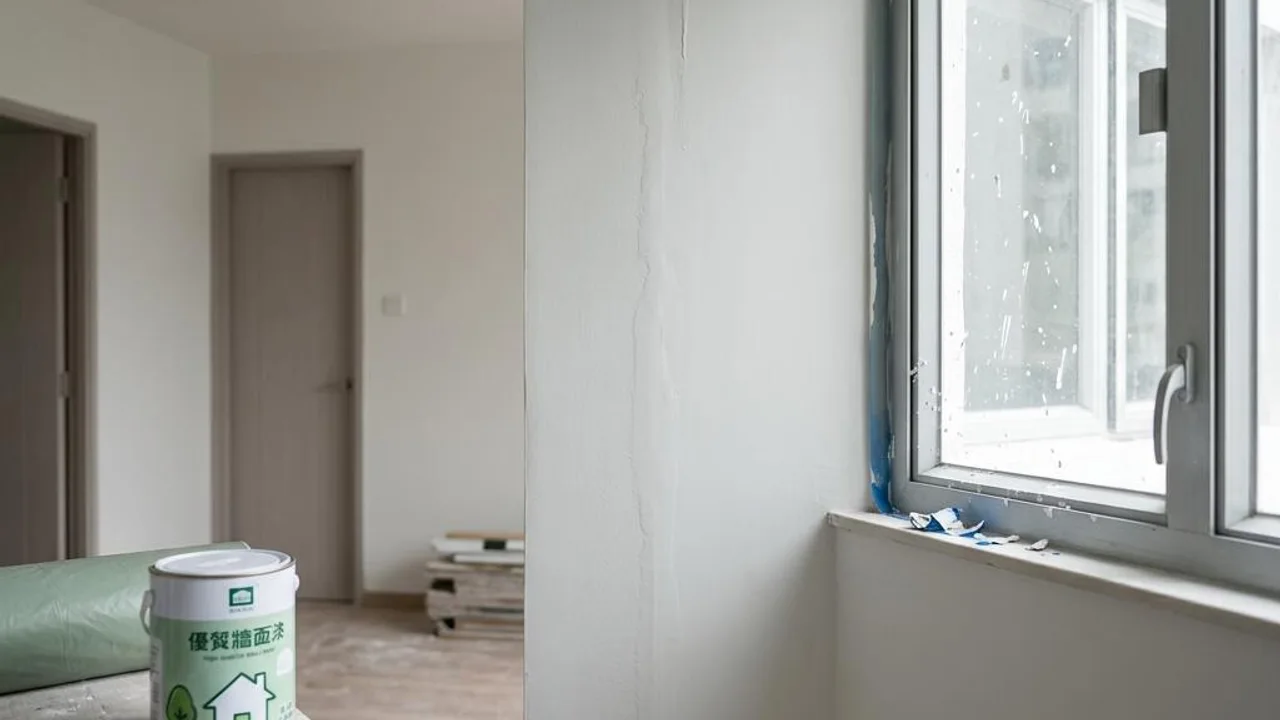
Wall cracks or incomplete coatings often suggest that the underlying plastering was handled improperly. If cracks or paint peeling are found on the wall, it is recommended to note them on the property inspection checklist to confirm with the developer later whether this involves structural or finish damage.
- Check for wall colour consistency and any obvious patches of touch-up paint.
- Check if there are drip marks or irregular brush strokes on the painted surface.
- Check if the paint at the corners is sealed completely with no cracks.
- Check for excessive graininess or paint layers that are too thin.
Recommendations for paint types and suitable environments
Selecting the correct type of paint is crucial to extending the lifespan of wall surfaces. Damp environments like kitchens and bathrooms usually require paints with anti-mould and moisture-resistant properties, while living rooms and bedrooms can be finished with flat or matte paints based on design preferences.
When confirming the paint type, residents should pay attention to the product's safety specifications. Low-VOCs (volatile organic compounds) paints are ideal in terms of health, which has a positive impact on the air quality management of the home environment.
- Kitchens and bathrooms should use specialized moisture-resistant and anti-mould paints.
- For living spaces, it is recommended to use eco-friendly low-VOCs paints.
- Observe whether the gloss level of the paint finish is consistent with the design expectations.
- Confirm the compatibility between the primer and topcoat to reduce the risk of peeling.
Practical tips for late-stage paint maintenance
Daily maintenance after a property inspection is key to maintaining the beauty of the walls. It is recommended to regularly dust the surface with a dry or slightly damp soft cloth, and avoid using rough or abrasive cleaning tools to prevent damage to the protective layer of the paint surface.
If local damage occurs in the future, it is recommended to carry out spot repairs rather than a full repaint. At the same time, consider the load-bearing capacity of the wall before hanging heavy objects to avoid cracking or delamination of the paint finish due to excessive decoration.
- Regularly wipe the wall gently with a slightly damp cloth to remove dust.
- Avoid hanging heavy objects before the wall coating is fully stable.
- Try to avoid frequent contact between furniture and the wall to prevent scratches.
- Minor damage should be touched up promptly to prevent the area from spreading.
Observation and investigation of abnormal wall conditions
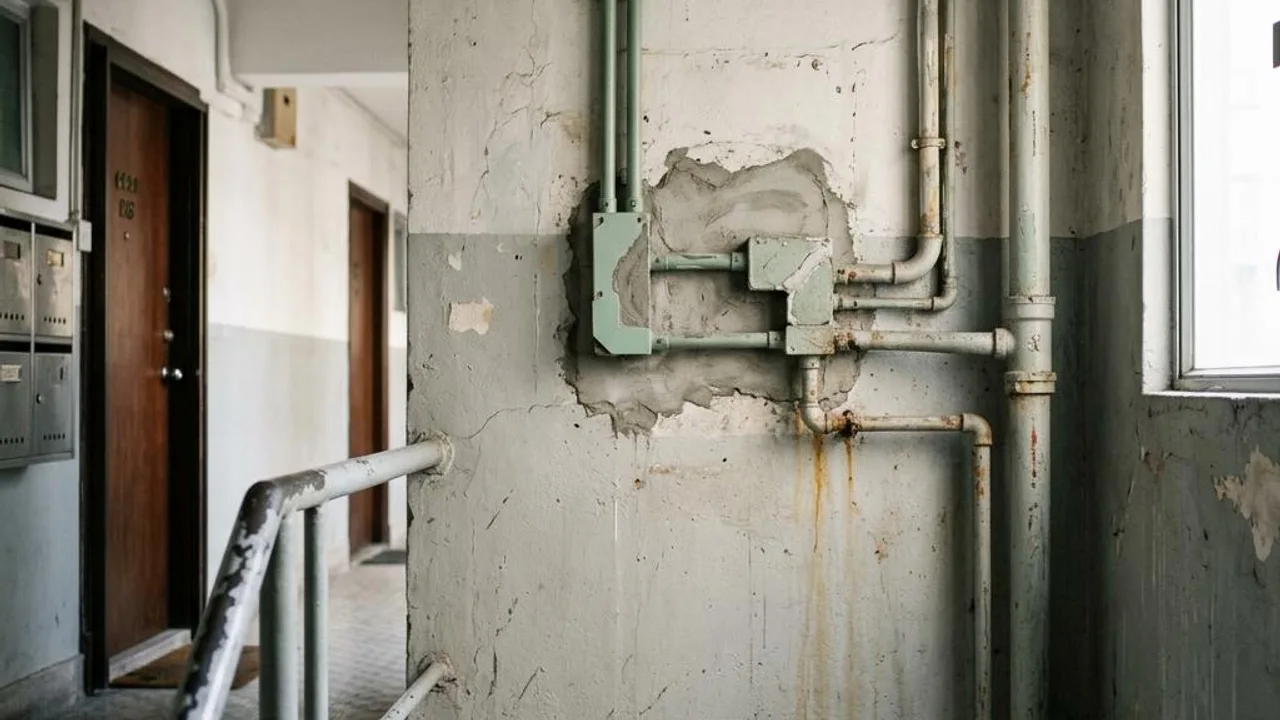
If widespread mould or damp stains are found on the wall, this may be related to internal wall seepage or condensation. Owners should record these abnormal locations in detail and photograph them for filing, as this is important evidence for assessing the condition of the wall.
If there is paint blistering or discolouration from unknown causes, it is recommended that the owner does not try to chisel the wall themselves. Contact the property management office or hire professionals for an inspection to specifically assess the cause of moisture in the wall.
- Observe if there are spreading damp spots on the wall.
- Record the location and distribution range of any wall blistering.
- Check for signs of seepage at the connections with water pipes or external walls.
- Inquire with professional tradespeople whether further testing of the substrate moisture content is required.
FAQs
Is colour difference on the wall found during a property inspection a mandatory item to be repaired?
Colour difference affects the beauty of the wall. If there are obvious uneven colour patches under natural light, it is recommended to include them in the property inspection items and require the developer to rectify them to ensure the unit appearance meets the handover standards.
Why do minor cracks appear on the walls of a newly purchased unit?
Minor cracks on walls may be caused by the shrinkage of the plastering layer or building settlement. It is recommended to first record the location and observe the length and depth of the cracks. If the cracks continue to grow, contact the property management office for handling as soon as possible.
What do I need to pay attention to when DIY paint repair?
When repairing, first clean off loose dust from the wall and ensure the base is dry before applying local paint. Avoid using paint that is too thick and it is recommended to choose products compatible with the original wall paint to maintain visual harmony.