Understanding 'black bathrooms' and their environmental challenges
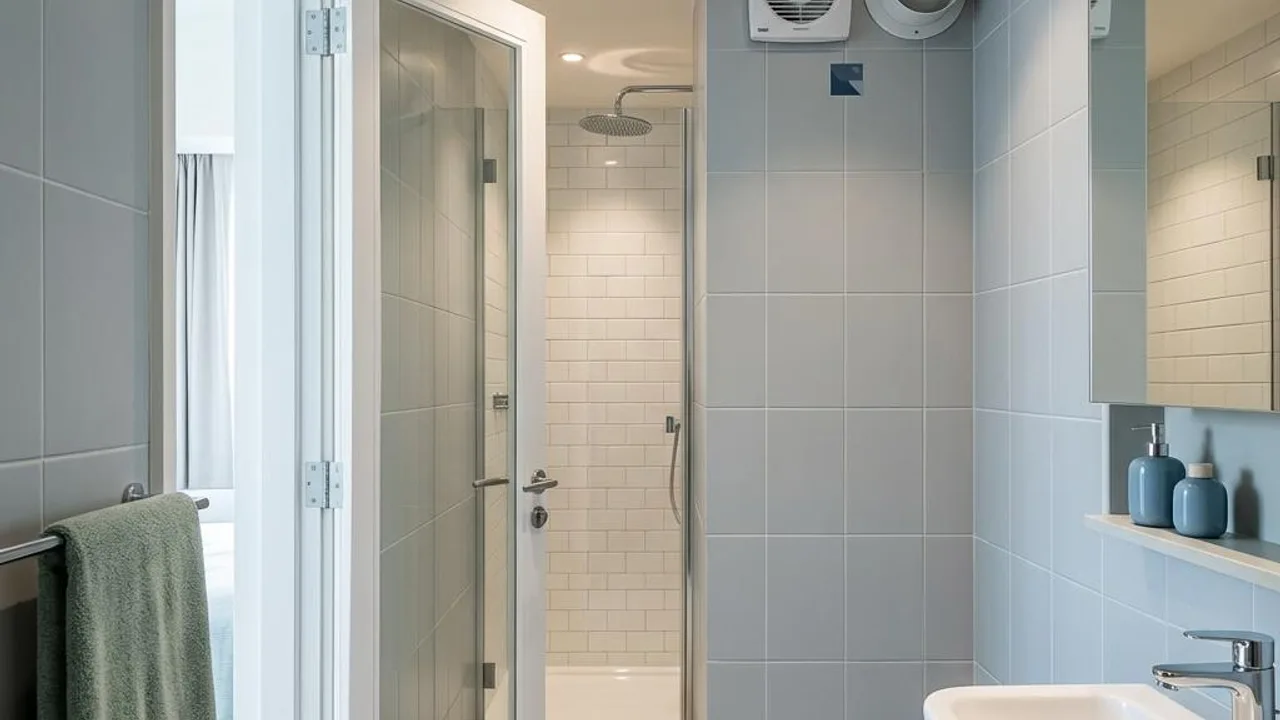
'Black bathrooms' are bathrooms without external windows, commonly found in modern high-density residential designs. Due to the lack of natural light and natural ventilation, these spaces rely heavily on mechanical ventilation systems. If exhaust efficiency is poor, they easily suffer from water accumulation, mould growth, and lingering odours, which affects indoor air quality.
During the property inspection, the owner should examine the overall ventilation design and renovation quality of the bathroom. Although 'black bathrooms' have inherent limitations, professional inspection can identify potential hazards in ventilation pipes or electrical installations early, preventing wall seepage or mould on finishes caused by an inability to eliminate moisture after moving in.
- Check if the exhaust fan effectively extracts airflow after it is turned on.
- Confirm whether there is any abnormal vibration or noise during the operation of the ventilation system.
- Monitor indoor environmental humidity and avoid maintaining it above 70% for long periods.
Functional testing of the exhaust system
Because 'black bathrooms' lack natural convection, the exhaust fan is core to maintaining indoor dryness. OPO Inspection surveyors will test the wind speed and exhaust efficiency of the exhaust fan, check if it has sufficient pressure difference to discharge damp air from the bathroom, and prevent moisture retention from damaging the ceiling or wall materials.
Apart from the exhaust fan itself, it is also necessary to check whether the pipes connected to the building's ventilation shaft are clear. If pipes are poorly connected during installation or blocked by debris, exhaust efficiency will be severely reduced. It is recommended to check the ceiling access panel to confirm that pipe sealing and insulation have been installed correctly.
- Confirm that the exhaust fan is installed securely, with no swaying or abnormal noise.
- Use a tissue to lightly touch the vent to confirm whether the suction is even.
- Check the sealing degree between the exhaust vent and the ceiling.
Indoor lighting and electrical/mechanical facilities assessment
'Black bathrooms' rely entirely on artificial lighting; the lighting design not only affects daily use but also affects the observation of flaws in walls and floor tiles. During the property inspection process, it is necessary to confirm that all lighting fixtures have sufficient brightness and to test the sensitivity of switches. Additionally, it is mandatory to check whether electrical sockets in the bathroom have waterproof protection mechanisms.
Given the damp environment of a bathroom, circuit safety is paramount. Check all electrical connections for waterproof seals and confirm that the lighting configuration meets safety standards. If any light fixture components are found to have rust or exposed wires, they should be recorded immediately and a request made for their replacement to prevent electrical accidents.
- Test the brightness and switch functions of all light fixtures in the bathroom.
- Confirm whether the electrical socket configuration has a safety waterproof cover.
- Check for traces of water seepage around the edges of light fixtures.
Finishing construction and water seepage risk inspection
'Black bathroom' walls often use waterproof paint or tiles; during the property inspection, you should carefully check the construction status of these finishes. Focus on observing whether there are hollows or cracks at corners, the edges of shower screens, and the floor waterproofing layer, as these fine cracks are high-incidence areas for water seepage, especially on walls near the shower.
In addition, the ceiling needs to be checked for water stains. 'Black bathrooms' often have condensation problems, but if water stains are found to be spreading or appearing yellowish-brown, there may be a risk of water seepage from the floor above. When checking, combine this with professional testing tools to assess whether the moisture content of the walls exceeds the standard so that corresponding engineering corrections can be made.
- Check whether tiles have a hollow sound when tapped or have obvious cracks.
- Note whether the rubber seal of the shower screen is stable.
- Use professional tools to test the moisture content of walls and floors.
Property inspection process and site observation advice
Property inspections should be conducted during the day to ensure sufficient light. For 'black bathrooms', it is recommended to carry a high-intensity torch for auxiliary lighting so that construction details in corners or inside the ceiling can be seen more clearly. You should be patient during the inspection, record every finding in detail, and take photos for filing as evidence for future requests for the contractor to rectify.
If owners discover poor ventilation or suspected water seepage, they should not dismantle the ceiling or alter pipes themselves. They should record the specific location and circumstances of the abnormalities in detail and consult qualified building inspection personnel for professional diagnosis and testing.
- Conduct property inspection during the day and bring your own high-brightness torch.
- Take detailed photographs of found defects for your records.
- If ventilation abnormalities are encountered, consider having them tested by a professional.
FAQs
If there is slight condensation on the 'black bathroom' ceiling, is it a construction issue?
'Black bathrooms' lack natural ventilation; if exhaust performance is normal but there is still condensation, it is mostly related to ambient humidity and insufficient exhaust time. If you find water accumulation for a long time or spreading water stains, you need to check the insulation performance and waterproof sealing status of the ventilation pipes inside the ceiling.
How should an owner handle it if water seepage marks are found around the bathroom socket?
Sockets are electrical installations; if you find seepage marks around them, you should stop using that socket immediately, keep the surrounding area dry, do not dismantle it yourself, and contact a qualified electrician for an inspection to ensure the safety of the electrical system.
How can one determine whether the exhaust performance of the fan in a 'black bathroom' meets the standard?
Owners can observe whether there is enough suction to hold a tissue against the vent when the exhaust fan is running. If the noise is too loud or the suction is clearly insufficient during operation, a professional property inspector should be asked to help check whether the pipes are blocked or if the fan has a mechanical fault.