The impact of wall paint on children's health.
Wall paint in newly renovated units is often the primary source of indoor air pollution. After application, paint continues to release volatile organic compounds (VOCs), including harmful substances like formaldehyde, which remain in the indoor air for a long time. For infants and young children whose immune systems and respiratory tracts are not yet fully developed, even low concentrations of chemical residues can lead to allergies or respiratory discomfort.
Young children breathe more frequently than adults, meaning their risk of inhaling harmful gases in a unit is relatively higher. Living in a space where chemical residues exceed safety standards long-term can not only affect comfort but also pose a burden on long-term health. Scientifically assessing wall materials and environmental quality is a necessary procedure after home renovation, which can effectively identify hidden risks and allow for timely environmental adjustments.
- The release of volatile organic compounds hidden in paint is continuous.
- Young children have high breathing rates and are more sensitive to harmful substances in the air.
- Excessive chemical residue may trigger skin allergies or respiratory problems.
Scientific pre-air testing after renovation.
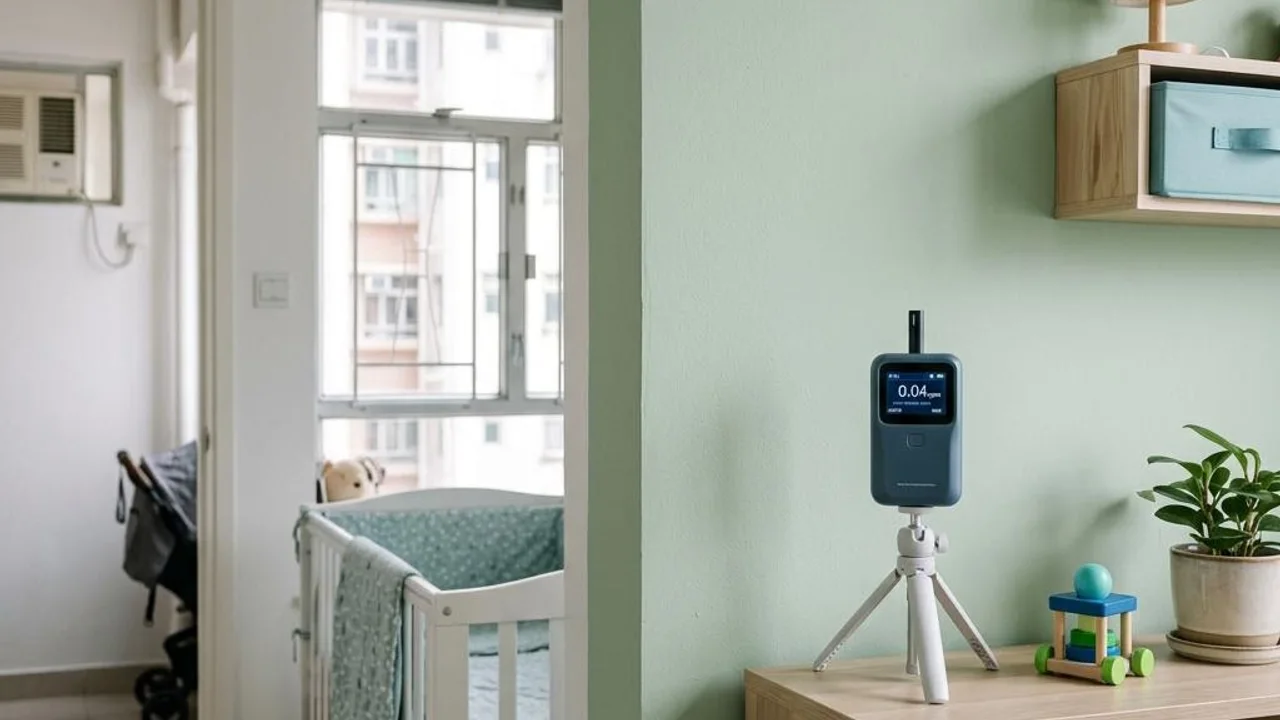
Before arranging for children to move into a new home, conducting a professional Indoor Air Quality (IAQ) test is the most direct way to ensure safety. This does not rely on smell or simple gas detectors on the market, but uses precise industrial-grade Photoionization Detectors (PID) and spectrophotometers to sample and quantitatively analyze the air at multiple indoor points, ensuring the concentration of chemical substance release meets safe reference levels.
After obtaining objective air data, parents can take targeted improvement measures, such as strengthening physical ventilation or installing appropriate air purification equipment. A data-driven acceptance method avoids bias from subjective judgment, allowing parents to obtain a clear health risk assessment when arranging move-ins and ensuring every living space has been scientifically verified.
- Use industrial-grade instruments for gas sampling and quantitative analysis.
- Obtain objective air health indices to judge risk.
- Plan ventilation or purification countermeasures based on data results.
IAQ management and environmental control recommendations.
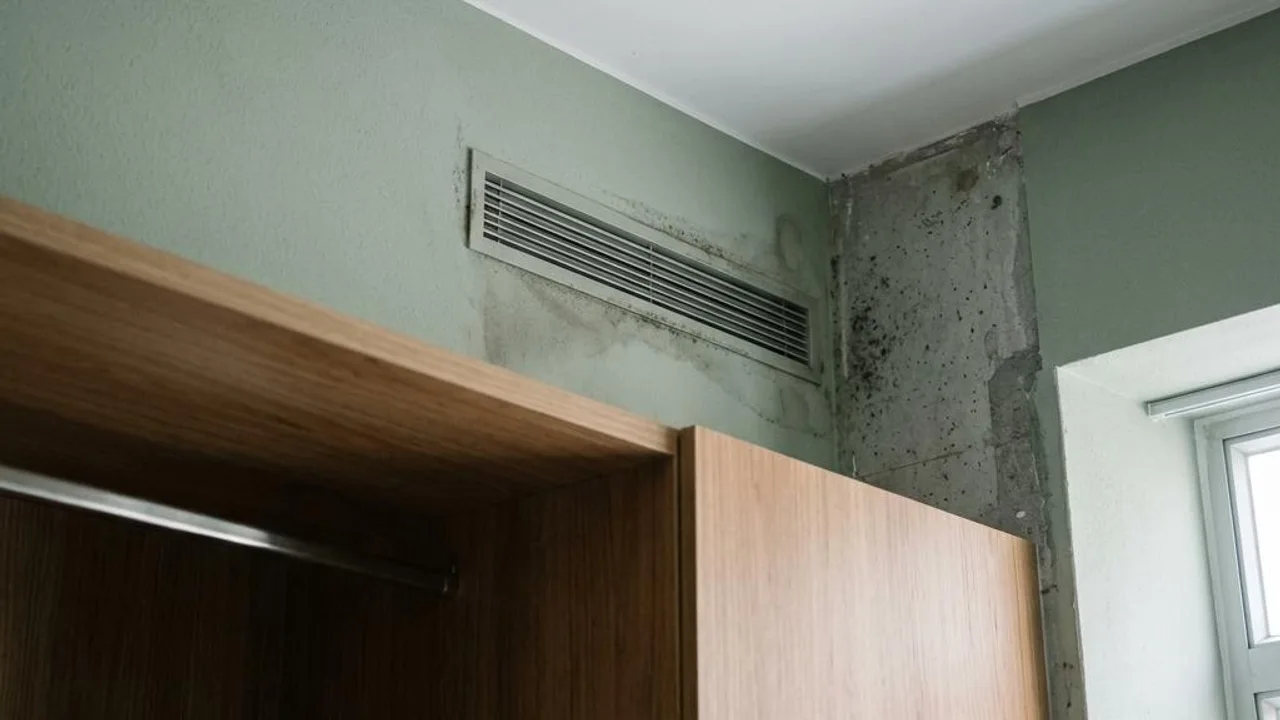
The appearance of bacteria and mould in indoor air is usually a hint of poor environmental humidity or ventilation conditions. According to guidelines, if mould odours or abnormal gas indicators are detected in an indoor environment, they should be treated as a prompt for investigation, not as equivalent to a serious health diagnosis; the focus should be on targeted source removal and remedial measures.
Maintaining good mechanical ventilation and air conditioning operation is key to controlling the indoor environment. Parents should ensure indoor humidity is kept below 70% to inhibit the growth of bacteria and mould. If mould is found caused by wall leaks, it should be repaired and cleaned first before conducting an environmental safety assessment, avoiding reliance solely on air purifiers to handle the underlying engineering problem.
- Maintain indoor humidity below 70% to prevent mould.
- Mould or odours should only serve as a signal for further investigation.
- Prioritize removing the source rather than relying solely on filtration equipment.
Rational material selection and acceptance strategies.
Prevention is better than cure; choosing coatings with environmental certifications or low volatility during the renovation planning stage is the foundation for safeguarding the home environment. When communicating with engineering contractors, ensure that paint complying with safety standards is used, and avoid excessive decoration that leads to over-stacking of building materials, reducing the concentration of harmful substances in cramped spaces at the source.
Post-completion acceptance must include a check of the coating process to ensure the quality of the work is solid. Rigorous acceptance is not just for appearance, but to confirm that all finishes and base treatments comply with specifications. Through rational material selection combined with rigorous acceptance, the negative impact of renovation on the indoor environment can be greatly reduced, creating a safe, non-toxic space for the family.
- Prioritize the use of paints with environmental certifications at the design stage.
- Strictly monitor the materials and construction techniques used in renovation projects.
- Reduce the possibility of harmful gas accumulation from the source of construction.
Role support from professional inspection teams.
Indoor air quality involves complex physical and chemical analysis, and a professional inspection team can provide authoritative, objective reports. The team uses calibrated professional equipment for testing, eliminating errors associated with simple household devices. Experts can assist families in analyzing potential gas release points, making repair plans more precise and efficient.
Through systematic testing by a professional team, parents can obtain specific reference data to judge whether the indoor environment is suitable for living. The focus of this testing service is to clarify the environmental state and, when abnormal values are discovered, provide professional background knowledge to assist parents in consulting qualified persons in relevant fields to solve the problem at the source.
- Professional teams are equipped with calibrated instruments for precise measurement.
- Provide objective data reports to assist in prescribing the right remedy.
- Integrate environmental testing and building structure acceptance services.
FAQs
When is the most accurate time to conduct air testing after new renovation?
It is recommended to conduct testing after construction is complete and basic cleaning has been performed, while maintaining a stable indoor temperature and humidity. Before testing, avoid turning on powerful air purification equipment so that professional equipment can accurately collect air samples in the space, reflecting the most realistic VOC release situation.
If testing reveals that indoor formaldehyde levels exceed standards, how should I handle it?
First, identify and remove excessive sources of pollution and ensure there is sufficient indoor ventilation. If paint or other building materials are suspected to be the main cause, contact professionals for a follow-up assessment of base or surface treatments, rather than relying solely on filtration equipment to mask the problem. For families with infants and young children, move-in should only be arranged after confirming that data has returned to safe levels.
How can I tell in daily life if the walls are causing indoor pollution?
Parents can observe whether there is abnormal discolouration, dampness, or mould spots on the walls, while also noting if there is a persistent chemical odour indoors. If abnormalities are found, first check for environmental issues such as wall seepage or poor ventilation. If the situation persists, commission a professional team to conduct air quality and structural environmental testing to obtain specific objective data as a basis for judgment.