Property inspection is not just about handing over keys: The practical value of the owner being present in person
Many owners, when preparing for property handover, often hesitate about whether they need to be present personally to supervise the inspection. In fact, property inspection services are not just about recording hollow wall spots or window leaks, but are more about expectations for future living space. If an owner is absent, while the property inspector can list a standard defect list, they may not necessarily accurately capture the owner's requirements for specific renovation details.
The owner's on-site presence can effectively reduce the time cost of post-inspection communication. When dealing with minor layout adjustments or preset decoration plans, the owner's immediate decisions and supplementary background information are crucial aspects to improve property inspection efficiency, ensuring the report content is highly consistent with future construction requirements.
- Immediately clarify the owner's tolerance level for minor defects
- Align decoration planning information with the property inspector
- Reduce the time for repeated post-inspection communication and confirmation
Cooperation techniques for on-site supervision: How to maximize benefits
The owner's attendance at the site is not for constant supervision, but to assist in the inspection through effective coordination. Before the property inspection begins, one should proactively brief the technician on decoration plans, which helps the property inspector conduct targeted checks on key areas like the kitchen and bathroom, ensuring waterproofing and electrical planning meet requirements.
The owner can focus on recording issues in key areas, such as water seepage or hollow tiles, allowing professional equipment to function at its maximum capacity. Meanwhile, communicating with the technician during breaks to understand the severity of various defects and subsequent processing suggestions can help the owner plan appropriate defect rectification works after receiving the property.
- Provide decoration blueprints and planning requirements in advance
- Focus on assisting in recording core structures and water seepage issues
- Make good use of gaps to immediately ask questions and confirm treatment suggestions
Art of maintaining communication: Giving professionals space and trust
During the on-site visit, it is crucial to strike a balance between supervision and respect. Owners should remain open-minded and avoid excessive interference while the property inspector is using precision instruments for measurements or concentrating on recording data, allowing the inspection work to be completed in a stable environment; this effectively maintains the accuracy of the inspection.
If there are questions regarding report terminology or inspection procedures, it is recommended to wait until a stage is completed before consulting collectively. This fluid interaction model can significantly improve work efficiency, ensuring the property inspector can focus on checking every safety hazard that might affect living quality, avoiding missed details due to communication conflicts.
- Ensure the property inspector has enough space when operating instruments
- Avoid frequent interruptions that lead to distraction during data recording
- Inquire about professional terminology in segments to save time
Long-term considerations from inspection to renovation
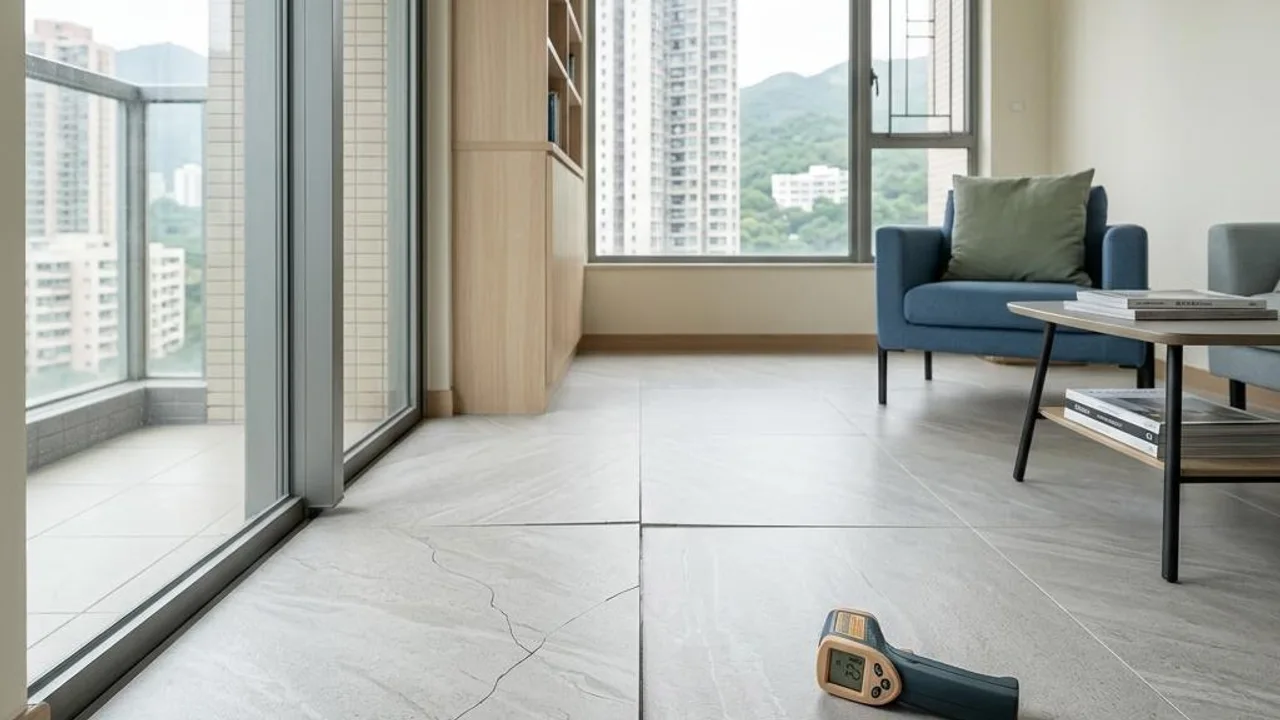
Proper on-site participation not only protects the property's initial acceptance quality but also enhances move-in efficiency. By discussing risks of concealed works with the property inspector early on, owners can devise more targeted plans for subsequent interior decoration, thereby allocating resources to the most critical repair items. General non-destructive property inspection records only cover visible areas: there is no guarantee regarding structure, electricity, gas safety, regulatory compliance, the condition of concealed pipes, waterproofing layer thickness, remaining service life, or repair results. Thermal imaging scans only show surface temperature distribution and cannot be taken as a definitive conclusion for causes of leakage or concealed structural problems. Do not view inspection tools as an absolute basis for discovering all hidden defects.
The Mandatory Window Inspection Scheme is an independent procedure that must be performed by a registered qualified person under the Buildings Department and is not an inevitable item of this property inspection service. In case of professional technical issues, please refer to relevant qualified professionals for handling. Do not conduct electrical tests, dismantle electrical equipment, adjust water pressure valves, or perform repair work involving external walls, windows, and heights by yourself.
Acceptance is not just for counting problems, but for obtaining a comprehensive understanding of the property's overall condition. After mastering the unit's condition, the owner can pre-determine which defects must be handled immediately and which can be followed up during decoration, effectively planning the overall budget and schedule.
- Reserve enough time to handle critical concealed problems
- Balance the time cost of receiving the property with long-term decoration needs
- Make good use of the preliminary report to set priorities for defect rectification
Collaboration between professional evaluation and personal checking
Although the owner's personal presence helps with information alignment, it is inevitably difficult to be completely flawless when facing complex floor plans or a busy daily schedule. Professional OPO Inspection services can provide systematic testing, screening for common decoration defects to compensate for the limitations of personal observation and provide professional protection for a secure living environment.
Owners should record technical advice provided by professionals in detail. If questions regarding walls or drainage structures are involved, owners should ask the property inspector to explain the observed phenomena rather than relying solely on the written report, which makes following up with developers or decoration teams clearer.
- Utilize the expert's extensive experience in local building inspection
- Ensure report data is objective and has reference value
- Effectively reduce details that might be missed in personal inspections
FAQs
Does the owner's inability to be present throughout the property inspection affect the completeness of the inspection report?
Professional property inspectors will complete a full-house inspection according to established inspection criteria. While the owner's absence will not affect the technical accuracy of the report content, if the owner is present, they can provide more decoration planning details, assisting the property inspector in observing specific locations of concern to the owner more deeply.
If a suspected water seepage problem is observed on-site, how should one communicate with professionals?
Owners should record the size, location, and morphology of water stains observed and proactively inform the property inspector during the check. It is recommended to ask the property inspector to examine the surrounding area in detail and inquire about reasonable follow-up investigation suggestions after professional testing; do not conduct destructive tests yourself.
Does the defect rectification advice proposed by the property inspector represent the final repair plan?
The property inspector's advice is usually based on professional inspection data and experience in handling such problems. This is an objective current status report, and the owner should use this advice as a basic reference for discussing rectification plans with the developer, rather than as a mandatory contractual obligation.