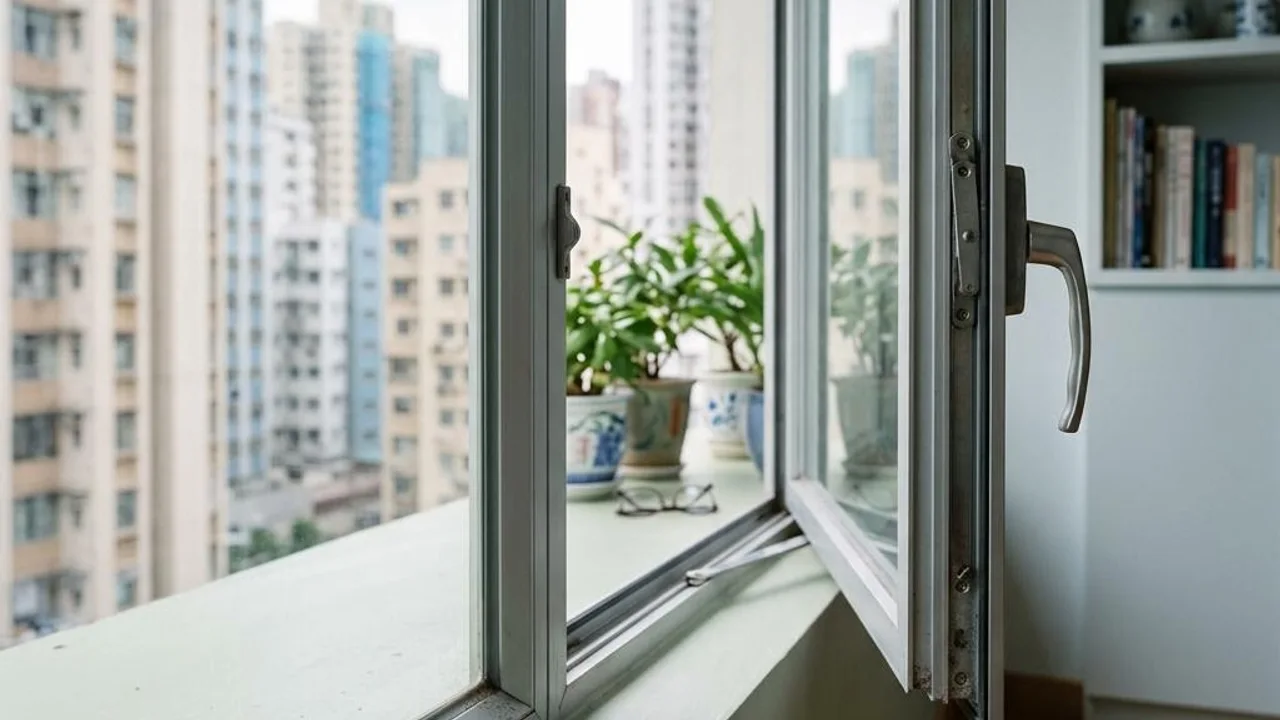
Wall plastering and paint flatness.
Wall quality directly determines the visual appeal of a home. During inspection, it is recommended to turn off strong indoor lights and use a torch to shine parallel to the wall surface. This method highlights bumps, wavy lines, or joint flaws on the wall. Focus on checking wall corners and ceiling cornice positions to confirm whether there are cracks or paint peeling.
Uneven plastering not only affects aesthetics but also indicates that the construction was not fully dried or that necessary steps were missed. If obvious shadows or textures are visible on the wall, the workmanship needs improvement. The owner should mark these defects on-site and require the decoration contractor to perform touch-up plastering and painting to ensure the wall surface is smooth and even.
- Use a torch with parallel light to check for ripples
- Focus on checking the corners between walls and ceilings
- Mark any peeling paint or cracks on the walls
- Confirm if the plastering is completely flat
Masonry, tile laying, and floor drainage inspection.
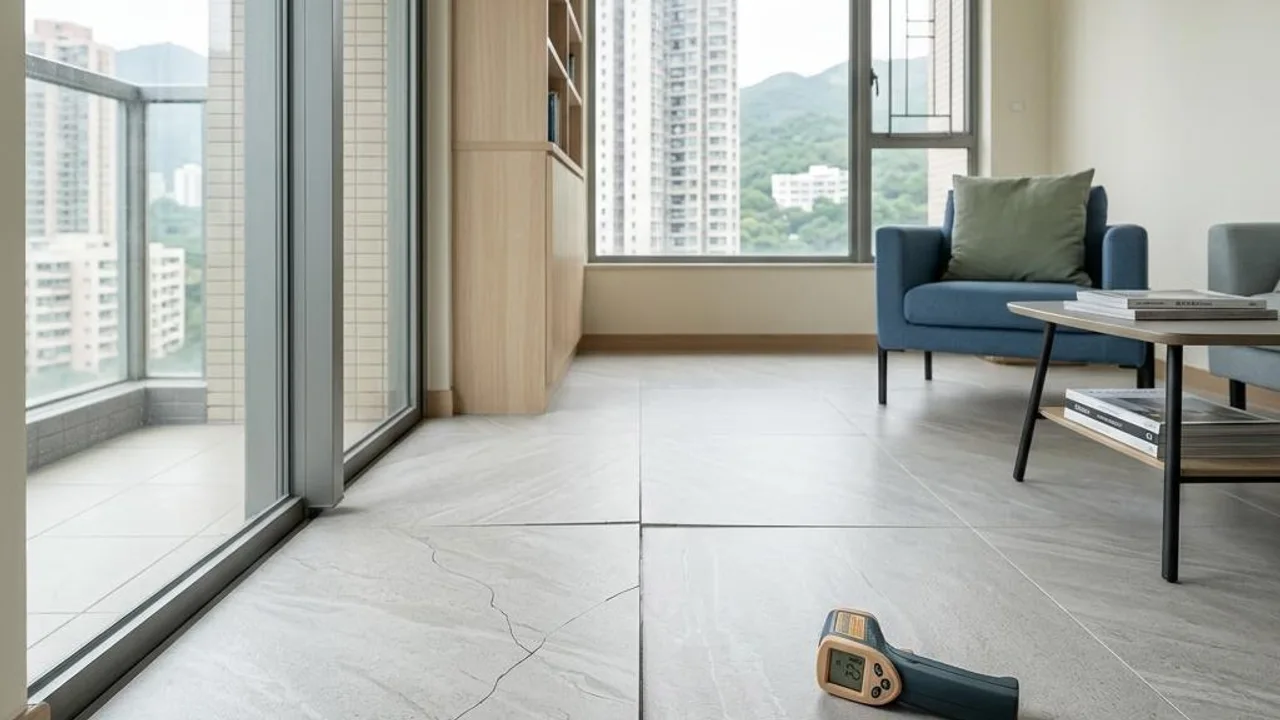
Poorly laid floor tiles can lead to serious maintenance problems later on. Owners should use a tapping tool to lightly tap the tiles; a crisp, hollow sound indicates insufficient cement grout filling underneath. In such cases, thermal expansion and contraction can easily cause tiles to crack or detach completely, so this must be addressed before the final payment.
Floor waterproofing and drainage in bathrooms and kitchens are equally important. During inspection, ensure that floor drains are clear. Conduct a water pour test to observe if water flows rapidly toward the drain without pooling in corners. Also, check if the doorway threshold is sealed to prevent bathroom water from seeping onto the living room floor.
- Use the tapping method to check for hollow floor tiles
- Test the drainage speed of bathroom and kitchen floors
- Check floor tile gaps and the detailing of the grout
- Check if there is any water pooling during the floor water pour test
Safety verification of hidden water and electrical equipment.
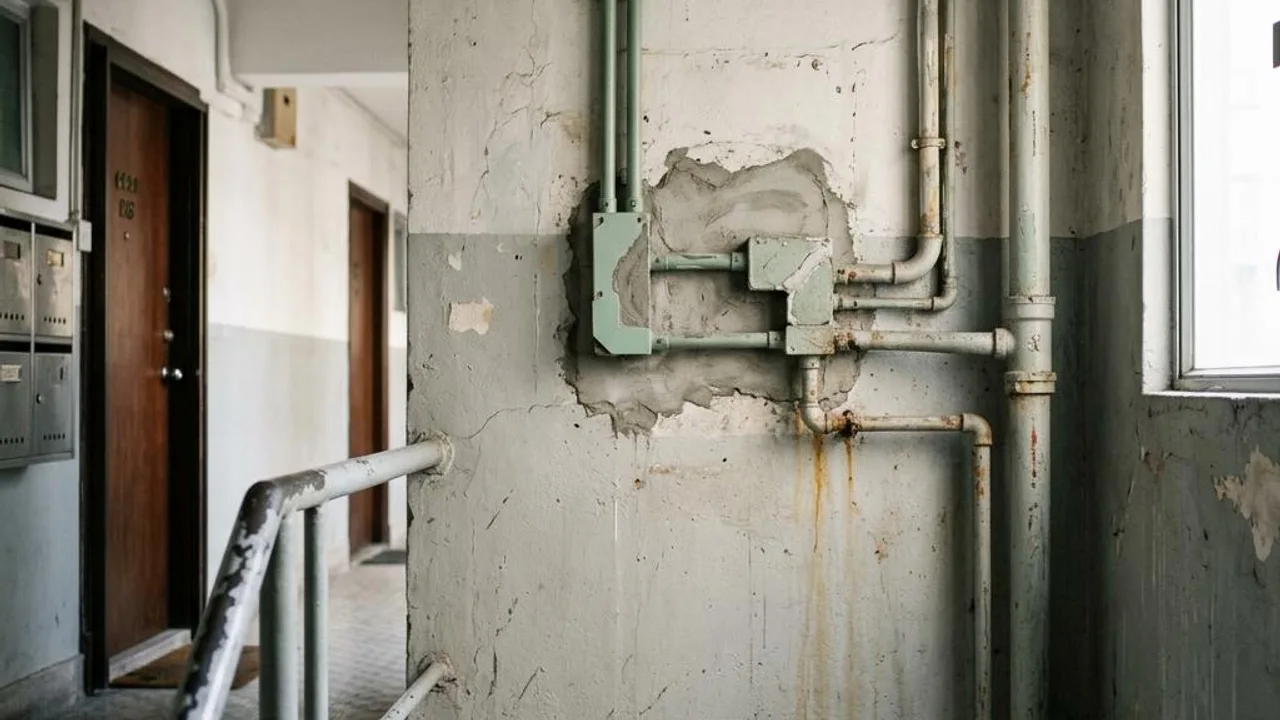
Concealed plumbing and electrical work are vital for safety and durability. When checking the drainage system, plug the drain, fill it with water, and then release it all at once to test the drainage speed, while checking for signs of leakage at pipe joints. Any minor leak can become a long-term problem after moving in, so ensure all connections are tight.
For electrical work, ensure all sockets are functioning properly and that all labels inside the consumer unit are clear and accurate. If you have concerns about the installation quality of fixed electrical installations like ceiling lights or electric water heaters, be sure to consult a professional Registered Electrical Contractor for an assessment to ensure all equipment complies with electricity safety regulations.
- Leak test for all water pipe connections in the house
- Test the drainage speed of floor drains
- Check socket operation and earthing safety
- Confirm that consumer unit switch labels are accurate
Woodwork furniture and finishing details.
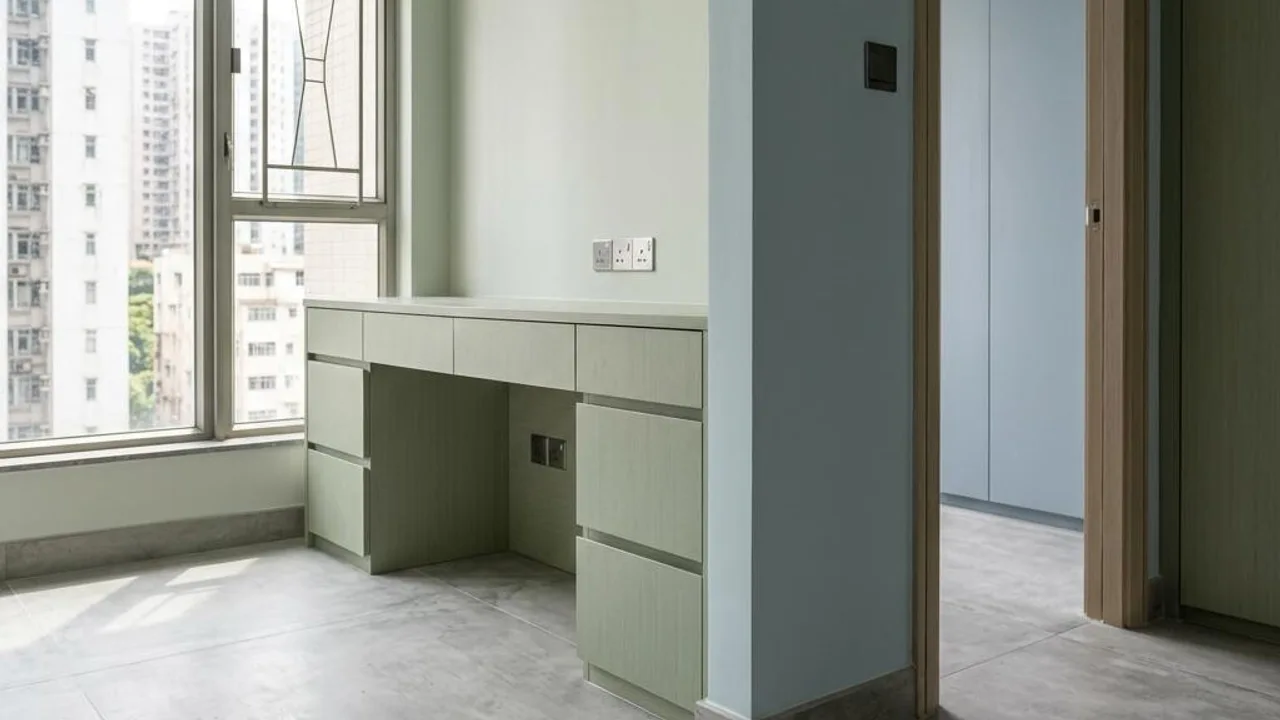
Acceptance of bespoke furniture is not just about appearance but also functional details. All cabinet doors and drawers should be opened and closed multiple times to ensure smooth operation and no abnormal noise. Carefully inspect the interior and hidden areas to ensure all edges of the plywood have been properly edge-banded; unbanded edges not only look poor but may also have concerns regarding off-gassing.
Observe whether the sealant between the furniture and the wall is even and tidy. If the sealant edge is uneven or shows obvious cracks, ask the contractor to repair it. High-quality decoration focuses on these fine details, which directly reflect the professionalism and standards of the entire engineering team.
- Repeatedly test the operation of cabinet doors and drawers
- Check if wooden board edges are properly banded
- Check if furniture edges sit flush against the wall
- Confirm that hardware fittings are installed securely
The importance of a professional OPO Inspection team.
Owners without an engineering background often find it difficult to identify hidden defects after renovations. Engaging a professional OPO Inspection team provides more comprehensive and objective protection. Professional inspectors are equipped with relevant testing instruments to accurately check moisture distribution in walls and the condition of electrical connections, reducing disputes between owners and renovation companies.
Entrusting the quality control to a professional team not only yields a credible inspection result but also effectively prompts the renovation company to carry out thorough repairs. Only by ensuring every detail of the new home meets safety and quality standards can owners live with peace of mind and truly complete the final property inspection process.
- Use professional instruments to detect hidden plumbing and electrical hazards
- Provide objective third-party engineering inspection reports
- Reduce quality disputes between owners and contractors
- Ensure renovation meets safety standards
FAQs
If hollow tiles are found, is it necessary to ask the contractor to re-lay them?
Hollow tiles can lead to cracking after thermal expansion and contraction. If the hollow area is large or located in high-traffic zones, it is recommended to request the contractor to remove and re-lay the tiles to ensure structural stability and safety.
When inspecting walls, if paint defects are found, how should I ask the contractor to improve them?
In good lighting, owners should use a torch angled against the wall to find uneven areas, mark them, and notify the contractor to perform touch-up plastering and painting, ensuring the wall color is consistent and smooth without ripples.
What hidden problems that are invisible to the naked eye can a professional OPO Inspection team detect?
Professional teams can use detection instruments to identify potential moisture seepage marks inside walls and check the earthing of the electrical system, compensating for the limitations of visual inspection.