Understanding the market pressure and challenges behind brief property viewings
In Hong Kong, the property viewing process is typically extremely brief, constrained by the high-frequency schedules of estate agents and the unwillingness of existing tenants or owners to be disturbed for long periods. Under this high-pressure environment, viewers are easily led by agents to focus only on superficial views or floor space, while overlooking structural problems hidden behind the walls. For first-time buyers, failing to effectively use these few minutes for screening often means missing key signs of water seepage and hollow tiles, leading to expensive repair costs after moving in.
Learning to conduct efficient inspections under tight time constraints is the first practical lesson in home ownership. By pre-planning your observation sequence, you can maintain a cool head during your visit. Remember, savvy buyers are not blinded by fresh white emulsion paint but instead use key observation points to evaluate the unit's true condition. Mastering these skills will help you break away from the agent's hurried pace and make the smartest property purchase decision.
- Keep a clear head and avoid being influenced by the agent's sales rhythm, ensuring you do not overlook details.
- Pre-designate key inspection areas, such as window sills, bathrooms, and corners, to ensure key points are not missed.
- Use your mobile phone to record photos during your visit to facilitate in-depth comparison and assessment after returning home.
Key observation areas: foyer, corners, and behind large cabinets
The moment you step through the door, the golden observation period begins counting down. The foyer and skirting boards are the frontline for detecting moisture issues. In Hong Kong, due to long-term humidity, peeling or blistering paint at the skirting often implies the presence of dampness within the walls. Especially in older private buildings, these signs provide a direct reflection of the unit's long-term ventilation status and hidden water seepage risks.
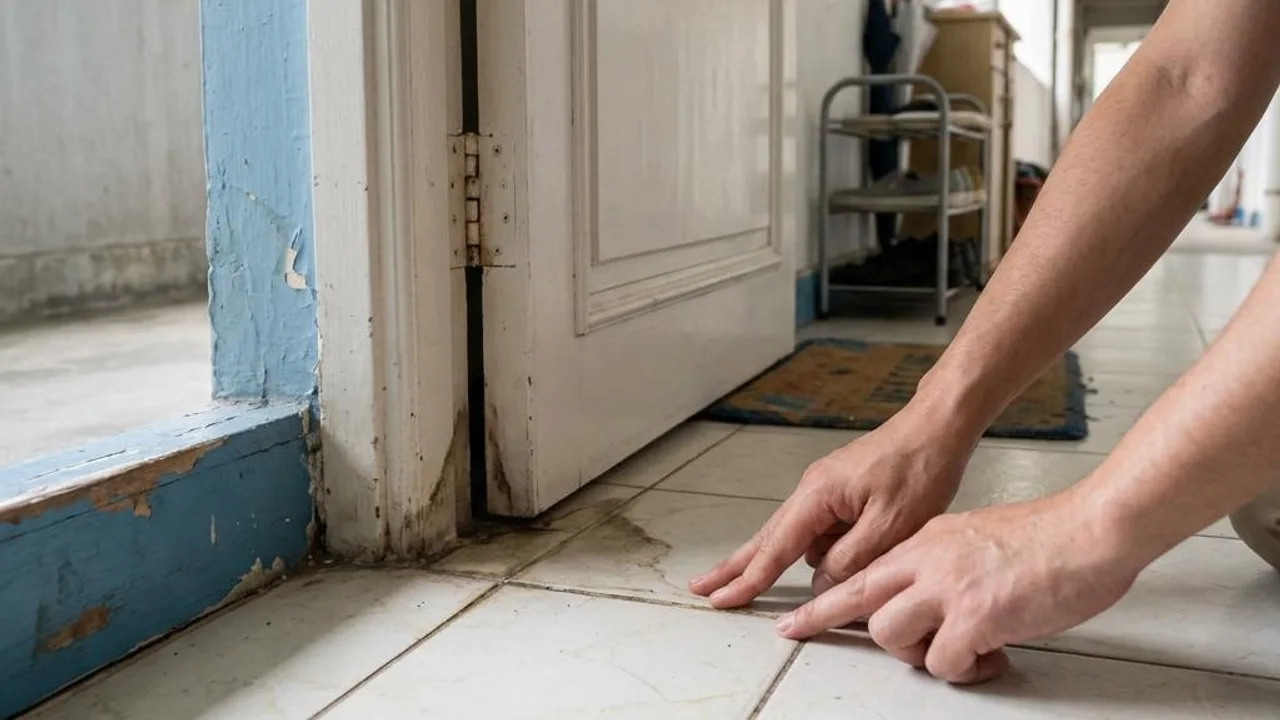
Beyond visual inspection, moderate touch can also provide clues. Pay attention to whether the bottom of the door frame is swollen and moldy, as this is often linked to water ingress at the floor level or a history of leakage. If there are built-in cabinets, it is recommended to bring a torch to illuminate the gaps at the cabinet edges. If mold spots or dark stains are found on the wall behind the cabinetry, it indicates high humidity in that area, which may not only involve seepage but also reflects a serious lack of air circulation at that position; extra vigilance is required.
- Carefully check the skirting boards for blistering or peeling paint, as this is a direct signal of dampness.
- Touch the bottom of the door frames to feel for moisture swelling, helping to infer previous water ingress history.
- Use a torch to shine into the gaps behind fixed cabinetry to look for mold marks to determine the condition of hidden areas.
Instant diagnosis of structural flaws in window sills and bathrooms
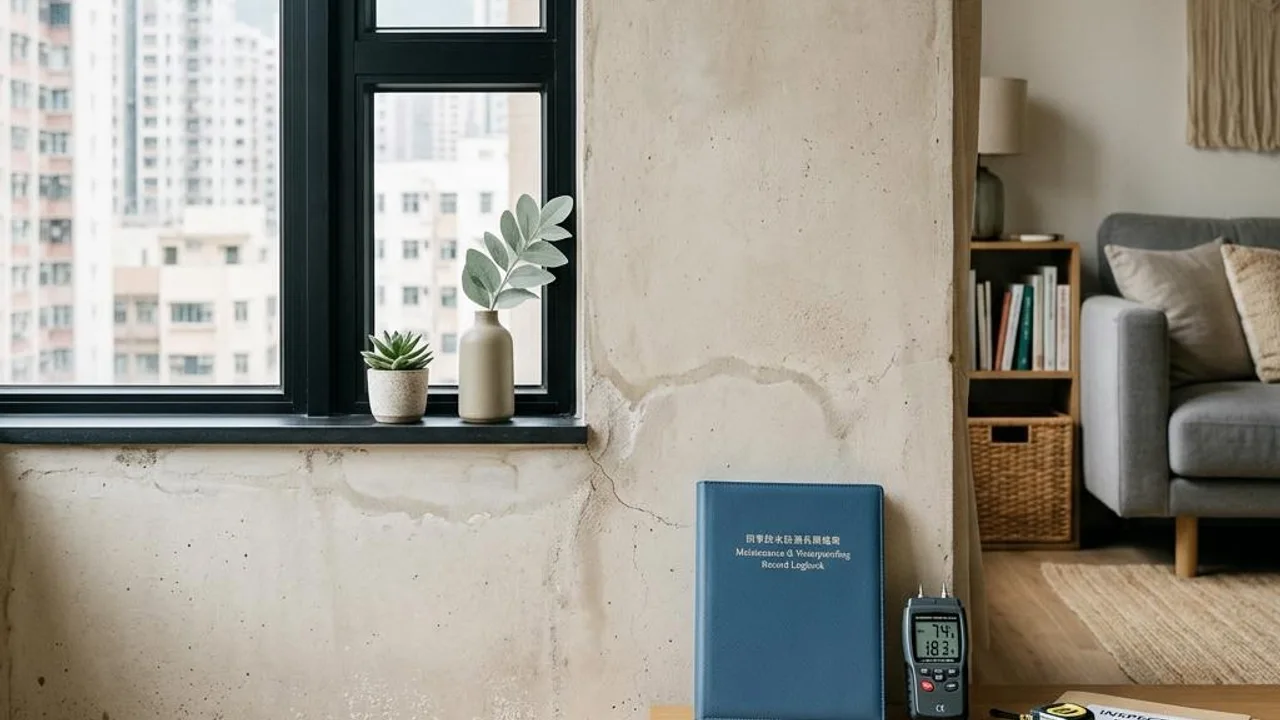
Window sills and bathrooms are the two areas in Hong Kong households where water leakage is most concentrated. During the rainy season, if there are cracks in the plaster at the junction of the window frames or if the silicone sealant is aging and cracking, moisture can easily seep into the walls. Newly renovated units may use fresh paint to temporarily cover old water stains, so the focus of observation should be on the flatness and tactile texture of the plaster, rather than simply noting whether the walls are bright white.
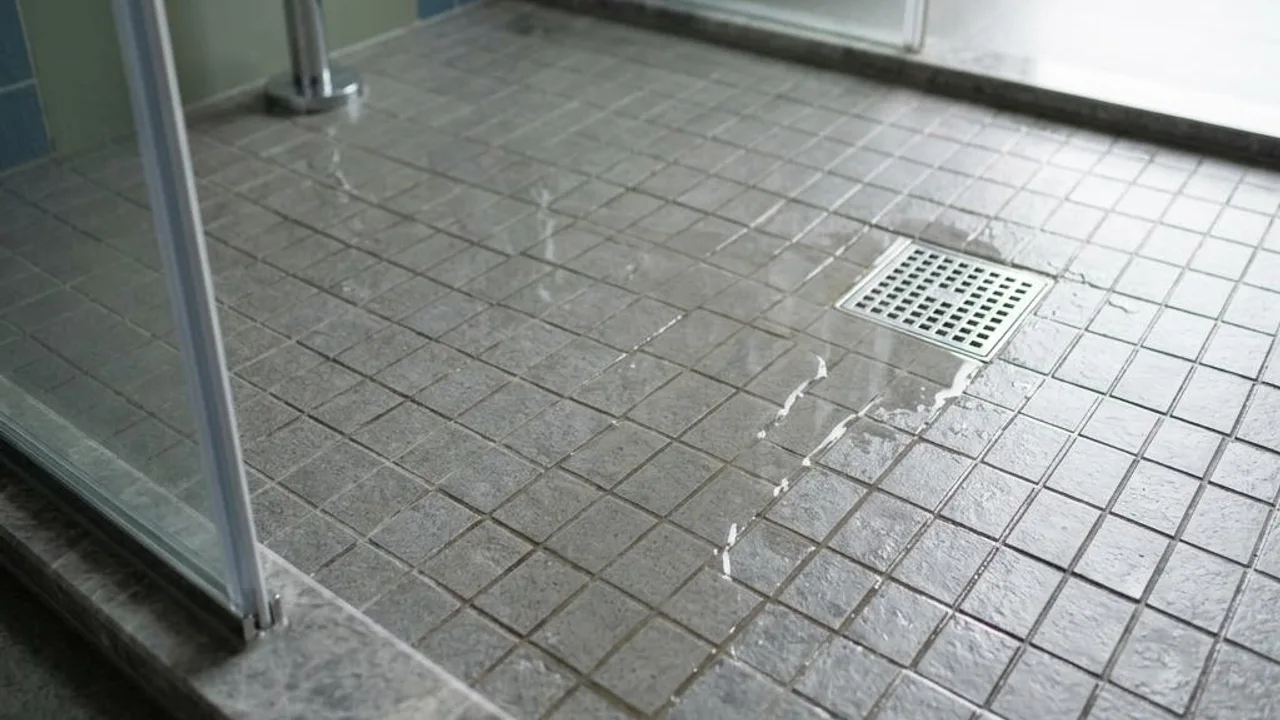
For bathrooms, check the wall outside the door and the floor. If the walls in that area show severe dampness or hollow plaster, it suggests that the waterproof membrane inside the bathroom may have undergone functional aging. Additionally, look up quickly to inspect the ceiling of the bathroom and kitchen, especially at the junction where pipes penetrate the walls. If you find water stains or peeling emulsion paint, it indicates that the leakage problem around the pipes is worsening over time, which is a structural warning sign that must be taken seriously.
- Check the plastering on all four sides of the window sill for cracks, and whether the silicone sealant has hardened or detached.
- Observe the bottom of the wall outside the bathroom door for any blistering or hollow areas to speculate on the condition of the bathroom's waterproof membrane.
- Look up to check for water stains at the point where pipes penetrate the ceiling, as this is usually the core source of water leakage.
Practical inspection rules: Seeing through the truth concealed by renovations
To avoid buyers falling into the trap of decorative concealment, we recommend adopting a comparative observation method. Surfaces with glossy renovations often hide structural pathologies. For instance, if a newly renovated unit's walls are excessively white and flawless, you should counter-think whether repair traces are hidden in corners covered by furniture or beside door frames. Knocking on walls to check for hollow sounds can usually reveal whether the plaster has separated from the main structure, a physical phenomenon that cannot be perfectly masked no matter how the renovation is refreshed.
For buyers, a quick checklist is an essential tool. By observing the sound of skirting boards, the condition of window sill sealant, and door frame deformation, you can directly reflect the property's maintenance level. These details are often overlooked during an agent's rapid tour, but they are key factors in determining maintenance costs after moving in. Stay alert and observe the true state of subtle details to effectively filter out problematic listings.
- Knock on walls to test for hollow sounds, evaluating the condition of the wall plaster and identifying any hollow spots.
- Compare the color difference of freshly renovated wall surfaces to speculate whether they have been used to specifically mask water seepage marks.
- Test the opening and closing of interior room doors and bathroom doors to observe any resistance caused by deformation from moisture.
Common technical support notes for professional property inspections
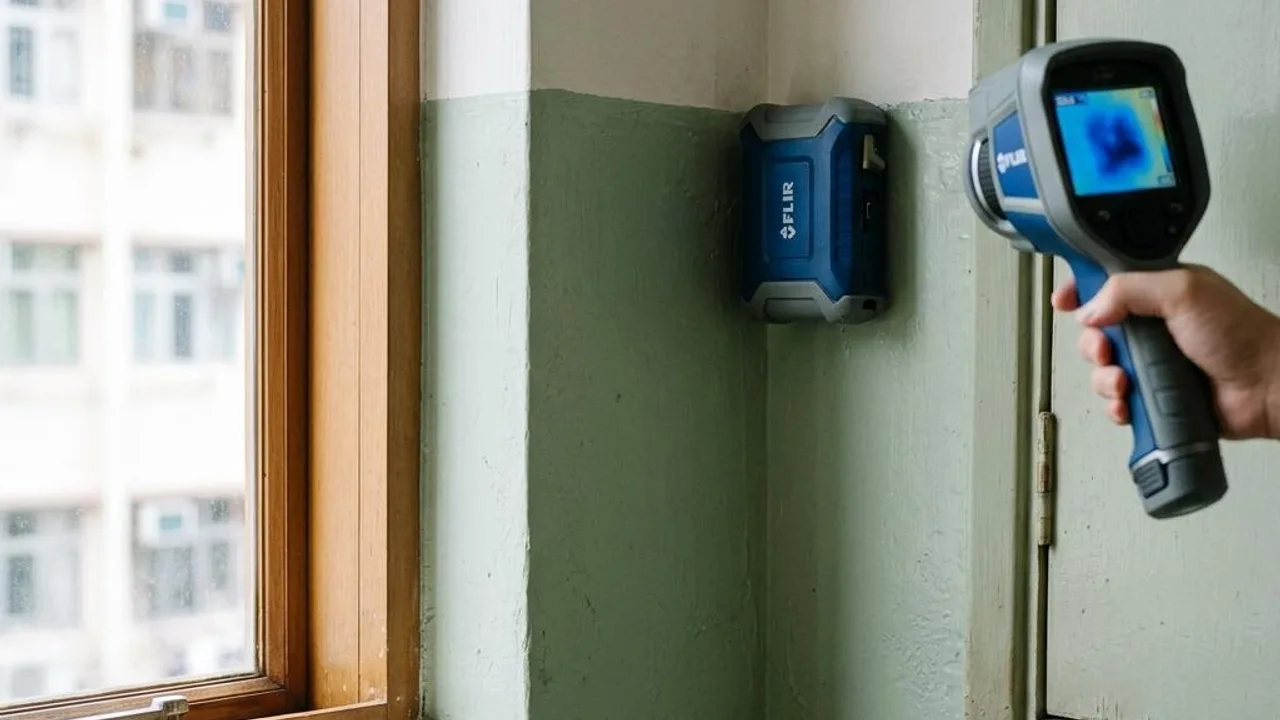
When encountering difficult issues or situations where it is hard to judge the cause of seepage with the naked eye, seeking assistance from inspectors equipped with professional instruments is a wise move. Professionals can use objective data to assist buyers in conducting a more in-depth assessment of the property's condition.
By having a qualified person conduct an inspection, you can obtain specific data on deep moisture in walls and hollow areas, rather than relying on sensory guessing, providing extra reference information for your home-buying decision.
- Use infrared thermal imaging technology to precisely locate potential areas of water seepage.
- Use a wall moisture meter to confirm whether the humidity inside the walls exceeds the standard, predicting the risk of water seepage.
- Use a professional hollow-hammer to check the quality of wall plastering and identify hidden risks of peeling.
FAQs
If you only have five minutes to view a property, which three places should be prioritized for inspection?
Prioritize checking whether the skirting boards have blistering or peeling, whether the window sill plaster has cracks or aging sealant, and whether the wall outside the bathroom door shows signs of dampness or hollow spots; these locations usually reflect the property's history of water seepage the quickest.
Why do newly renovated units require more careful observation of the walls?
Newly renovated units may use fresh paint to cover old water seepage marks or mold spots; buyers should pay special attention to color differences on wall surfaces, positions hidden by furniture, or check if the plaster has separated from the structure by knocking on the wall to determine if the renovation was an act of concealment.
If water stains are found on the ceiling, does it necessarily mean the unit upstairs is leaking?
Water stains or peeling paint at the point where pipes penetrate the ceiling indicate that this area is being eroded by moisture. Although this shows a leakage problem, the specific cause and source of the seepage must be determined by a professional conducting a detailed on-site inspection; it cannot be decided by the naked eye alone.