
Can you inspect before paying a resale deposit? Obtain permission first
An inspection depends on the seller's consent, transaction timing and access conditions. Buyers should not assume a right to test at any time. Arrangements before signing, after a preliminary agreement and after vacant possession may differ. Ask the legal professional handling the transaction about inspection, repair or cancellation rights; a general inspection guide cannot promise them.
Viewing restrictions and safety principles
When visiting second-hand properties, especially units that are already occupied, the rights and privacy of the owner must be respected. During a viewing accompanied by an agent, prospective buyers may not be allowed to touch equipment at will, open all cupboard doors, or take photos. Owners should only observe after obtaining explicit permission and should always maintain a safe distance. Do not move personal items, forcibly dismantle fixed installations, or conduct large-scale water flow tests to look at internal structures, to avoid causing damage or disputes.
The time for a viewing is usually very limited, meaning it cannot replace a formal professional property inspection. A formal property inspection requires professional equipment and sufficient time for comprehensive testing, whereas a viewing is mainly used for a preliminary assessment of whether the overall condition of the property meets expectations. Understanding the difference in nature between a viewing and a property inspection will help you obtain the most valuable information within limited time and avoid treating a viewing as having completed all safety checks.
- Seek consent from the owner or agent before visiting.
- Conduct visual observations within safe limits.
- Avoid operating electrical appliances and plumbing equipment on your own.
- Understand that a viewing is a preliminary assessment, not a professional property inspection.
Systematic viewing observation path
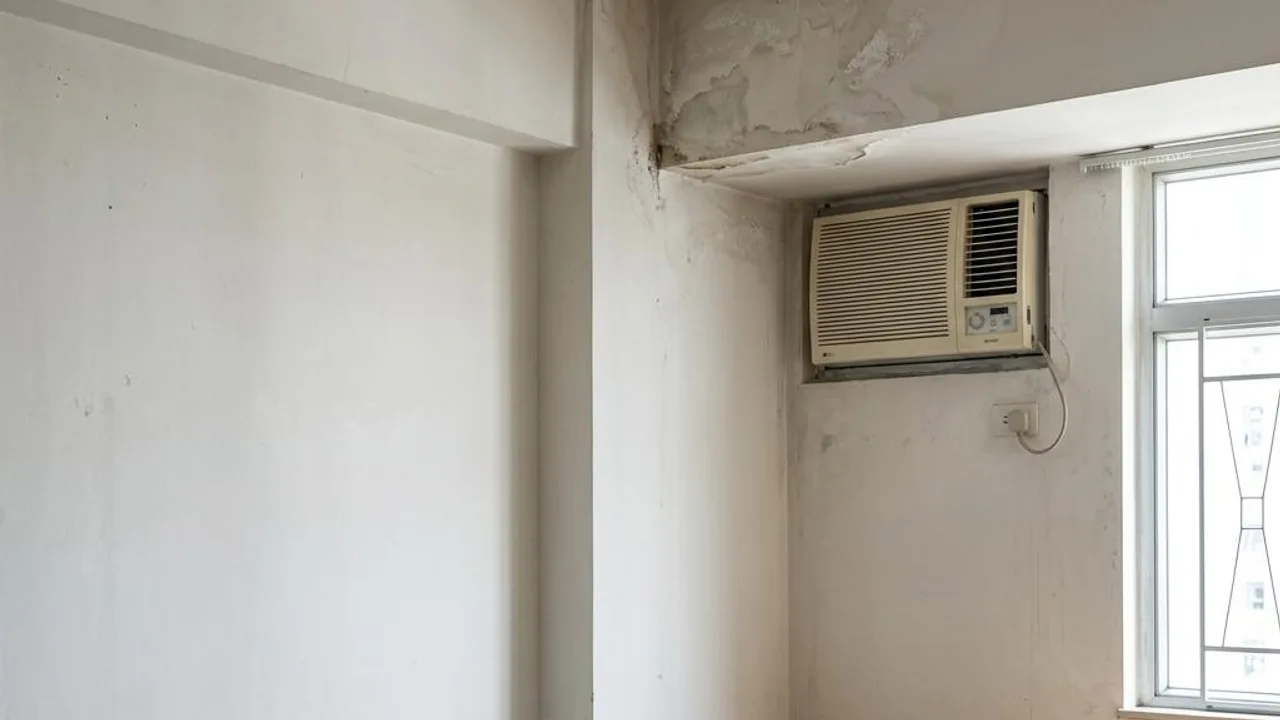
It is recommended to start from the entrance and observe the room in a circular order. Focus on whether there are water stains, mould spots, or colour differences from repainting on wall corners and ceilings; these traces are often signs of leakage. At the same time, check if the floor is noticeably uneven, if door frame gaps are too large, and the drainage condition in kitchens and bathrooms. Whether fixed installations like cupboard doors open and close smoothly, and whether the bottom of the cupboard can be inspected at close range are also key points.
Record the environmental phenomena observed, such as areas with insufficient light or sources of strange odours, but remember not to determine the cause based on a single clue. For example, an odour on a wall does not necessarily mean water leakage; it could be due to insufficient ventilation. If permitted to take photos, please compare close-ups of details with the overall space to make it easier to accurately identify the location of issues after leaving and avoid confusion.
- Focus on inspecting traces of leakage on ceilings and wall corners.
- Assess the condition of the floor and the integrity of fixed installations.
- Pay attention to the inside of cupboards and visible conditions in kitchens and bathrooms.
- Record findings on environmental lighting and odours.
Raising verifiable questions
During a viewing, one should not be satisfied with just a 'no problem' statement from the agent, but should turn the problem into a verifiable query. For example, ask the owner if they have carried out repairs, if there are fault records for the equipment, or if there is a relevant maintenance manual. If the other party cannot respond on the spot, be sure to record it for future enquiry. Do not turn an agent's personal conjecture into a promise by the owner; all verbal information must be verified through official channels.
Clearly asking about the known problems of the property and its maintenance history is an important means of assessing potential repair costs. If it is found that the unit has been refurbished, you can further understand the scope of the refurbishment in order to assess whether it may have covered up some underlying issues. Keeping records of these queries will allow you to analyse the condition of the unit more objectively and provide a reference for whether you need to hire professional property inspection services in the future.
- Enquire about previous maintenance records and processing receipts.
- When conducting a second-hand property viewing, one should check the actual operating status of the equipment and request relevant proof, rather than relying solely on the seller's verbal promises.
- Record all outstanding items that could not be clarified on the spot.
- Compare verbal responses with actual observations.
Preparation and conditions for advanced property inspection
If you are considering appointing a professional property inspector to conduct a formal inspection, you must first confirm the access conditions of the unit, including power and water supply and operation permits for equipment. Verify the available time slots with the owner and list in advance the obscured areas that could not be observed during the viewing, such as walls blocked by furniture, to inform the property inspector. Ensure that the scope included in the property inspection service meets your needs.
A formal property inspection also has its scope limitations; it mainly assesses the condition of visible items and does not involve property valuation, title verification, or complex analysis of legal risks in contracts. Before conducting a property inspection, you should clearly understand the content of the service and clarify which items are eligible for functional testing and which are out of bounds; this can make the property inspection process smoother and achieve the desired results.
- Verify the status of water and electricity supply required for a formal property inspection.
- Prepare a list of problems discovered during the viewing in advance.
- Confirm the time and access arrangements for the professional inspection.
- Recognise the service limitations and nature of a formal property inspection.
Consolidating observation data and decision-making
Buying a second-hand property is a major investment. You should treat property inspection observations as part of your property purchase assessment and make a comprehensive decision in conjunction with the estate's past maintenance records and professional legal advice. Rationally analysing every observation record and remaining vigilant about parts that cannot be confirmed can effectively reduce hidden costs and maintenance risks after the purchase, ensuring your decision is based on a comprehensive information foundation.
Regarding questions discovered during the viewing, it is recommended to compile them into a list to be prioritised during a second viewing or when commissioning a professional. This organised preparation method not only improves your grasp of the unit's condition but also ensures that you can put forward reasonable discussions based on objective facts when negotiating with the seller, rather than relying solely on personal feelings.
- Integrate observation records, data to be investigated, and professional advice.
- Be sure to seek legal support for matters concerning contract terms.
- Synthesise information from all parties to conduct an objective property purchase assessment.
Occupied and vacant inspections may reveal different areas
During viewing, note ceiling stains, window marks, visible finishes and equipment condition without moving furniture or operating equipment without consent. After vacancy, compare previously blocked positions, exposed surfaces and fixtures agreed to remain. A defect not seen earlier should not automatically be attributed to later damage.
FAQs
If I find colour differences on the walls during a viewing, does it mean there has been water seepage there?
Colour differences on walls can be caused by various reasons, including repainting, repairing cracks, or signs of old seepage. The viewing stage can only observe surface phenomena and cannot determine the deep-seated causes. It is recommended to record the location and observe whether there are water stains, mould spots, or loose conditions there. If you still have concerns, you should consider appointing a professional to conduct an in-depth inspection before the formal transaction.
If there is large furniture blocking the view inside the unit, how should I handle it?
Prospective buyers should take the initiative to record areas blocked by furniture and ask the owner or agent about the situation there during the visit, such as whether there are maintenance records or hidden facilities. Since it is not appropriate to move others' furniture at will during a viewing, if that location is crucial to you, you can negotiate with the seller to see if the furniture can be moved for observation during a formal inspection accompanied by professionals.
If the agent says verbally during a viewing that the water and electricity in the unit are normal, does that mean there are no problems?
The agent's verbal description is only auxiliary information and cannot replace actual inspection and verification. A formal inspection needs to confirm the actual operation of the water and electricity supply and the condition of the equipment. To safeguard your rights, all queries regarding maintenance records and equipment status should be supported by documents, and you should remain objective and prudent when assessing, without making decisions based solely on verbal promises.