
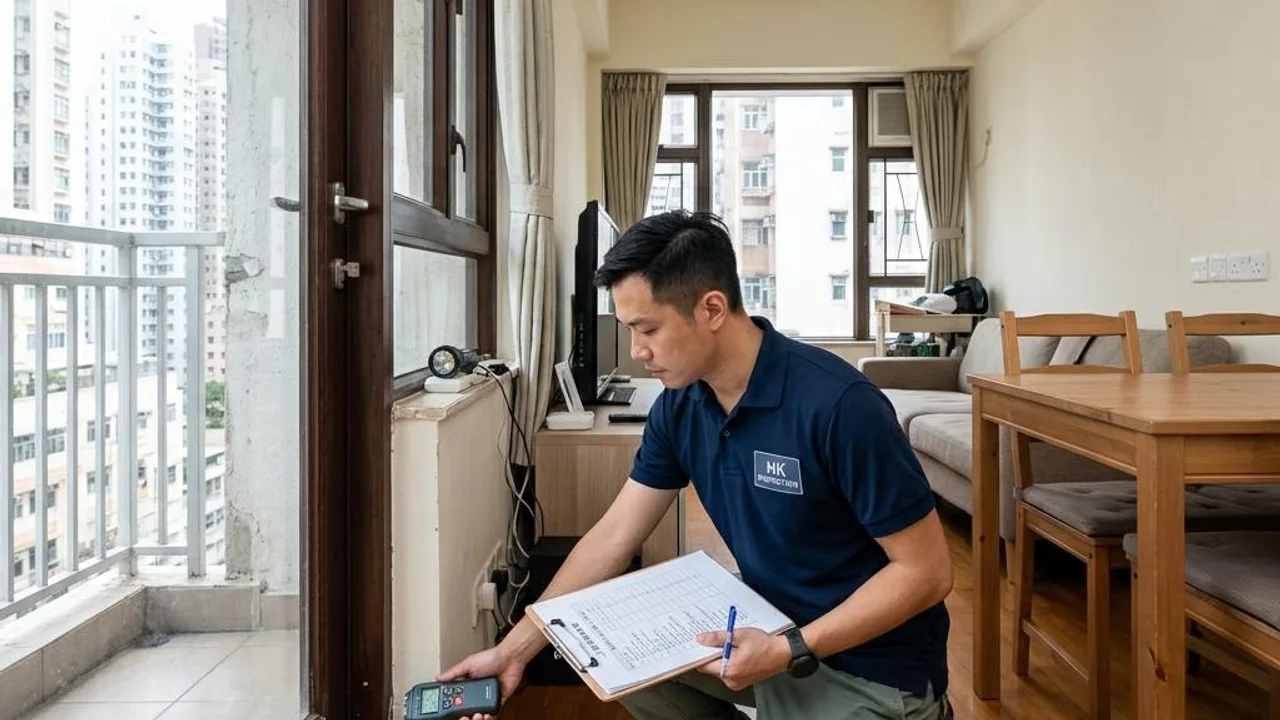
Clarify the property inspection stages and scope limitations
Second-hand property inspection covers viewing, pre-signing enquiries, and formal post-handover inspection. Before entering the unit, you must first obtain explicit consent from the owner or estate agent, and confirm the property inspection date, persons present, and various inspection limitations. It should be noted that ordinary indoor property inspection is not equivalent to professional valuation, legal title search, or unauthorised building works compliance certification; legal terms in the contract and maintenance indemnity responsibilities should be verified separately by legal professionals or according to the sales agreement.
Before carrying out any inspection, you must first establish the correct mindset. The main purpose of property inspection is to record the current state of the unit, rather than determining whether the building structure is completely safe. If it involves dismantling fixed installations, moving heavy furniture, or entering concealed positions, consent must be obtained from the owner, and avoid dismantling structural or fixed equipment yourself without professional guidance, so as to avoid unnecessary damage or legal disputes due to human negligence.
- Confirm unit entry authorisation and inspection time limits
- Distinguish the nature of differences between property inspection and legal title search and property valuation
- Only perform on-site inspections after obtaining the owner's consent
- Clarify the agreed scope of delivery inside the unit
Combine collection of maintenance records with on-site observations
Obtaining past maintenance records is extremely important for second-hand property inspection. The information provided by the owner or agent includes the time of pipe replacement, whether water leakage has occurred, and the relevant maintenance scope. Although old property renovations or repainting can cover some traces of time, these documents help inspectors pinpoint potential problems. It must be noted that newly completed renovations do not mean that hidden parts are necessarily intact, and observations still need to be based on the actual on-site situation.
The status of equipment operated on that day should also be noted in detail. Recording which electrical devices are still operating and which water pipes have been decommissioned can avoid misunderstandings about the division of responsibility afterwards. In addition, all fixed installations and the scope of delivery after handover should strictly follow the sales and purchase contract terms and the agreement signed by both parties, and do not assume all equipment is in optimal operating condition based solely on verbal promises.
- Approximate time of repairs, rooms involved, and scope of handling
- Which equipment can be operated on the day and which have been decommissioned
- Original furnishings, fixtures and the handover scope are subject to the contract and mutual confirmation between both parties.
Systematic observation of wall, ceiling, and window conditions
The inspection should be conducted room by room, ensuring the focus remains beyond just the age or appearance of the renovation. Key areas to check include walls, ceilings, floors, and windows for water stains, peeling paint, bubbling, or discoloration. These features are often early signs of water seepage, though such visual cues alone cannot determine the source of a leak. Given that different materials and building ages involve natural wear and tear, separating cosmetic issues from functional problems will facilitate subsequent repair follow-ups.
Pay special attention to the underside of kitchen and bathroom cabinets, pipe connections, and drainage points. If signs of dampness, a musty odor, or fresh paint touch-ups are found under cabinets, record the exact location and environmental details. Simultaneously, check that door and window locks operate smoothly and are free from friction or looseness. These minor details of daily use are typically important indicators of the property's maintenance standard and must be recorded and categorized individually.
- Walls, ceilings, floors, and windows within the same room.
- Underside of kitchen and bathroom cabinets, pipe connections, and near drainage points.
- Door locks, window locks, and any abnormalities encountered during daily use.
Handle spaces obstructed by furniture and areas that cannot be tested
Second-hand properties are often occupied by tenants or owners, and furniture may obstruct most walls and sockets, limiting the scope of the inspection. In such cases, do not forcibly move heavy furniture or dismantle fixed cabinetry, as this may result in accidental damage. If a location is inaccessible or lacks water and electricity supply, the reason must be clearly recorded to prevent these areas from being mistakenly interpreted as 'confirmed normal' later.
Maintaining an honest record of areas that could not be inspected is key to protecting the interests of both buyer and seller. If a socket located behind furniture cannot be tested, the report should state 'unable to test due to furniture obstruction' rather than prematurely drawing conclusions about the circuit or wall condition. Such detailed records of 'what was not seen on the day' can effectively reduce disputes over responsibility for property damage after handover.
- List of areas obstructed by furniture.
- Locations without water/electricity supply or where inspection was not permitted.
- Written records detailing the reasons for being unable to access specific areas.
Final verification procedures upon handover
During official handover, cross-reference findings with the pre-handover record list. Confirm the number of keys, accessible areas, the current state of equipment, and whether previously raised issues have changed. If new problems are discovered, handle them according to the contract and written agreements between both parties. Do not assume that second-hand properties carry the same defect rectification standards or periods as new developments; this is the most common expectation gap among buyers.
If major structural or electrical safety changes are discovered during the handover process, immediately cease use of the affected area and report it to the estate agent. The owner must understand that once a second-hand property is handed over, subsequent maintenance and repair responsibilities generally fall to the new owner. Therefore, a thorough pre-handover inspection is not only for identifying defects but also for establishing a clear handover file for future maintenance reference.
- Verify the number of keys and accessible areas.
- Compare whether there are changes to the issues recorded before handover.
- Confirm the ownership of responsibility for follow-up repairs.
Principles for professional record keeping and follow-up
Each record should detail the room, specific location, inspection date, and environmental conditions at the time. Owners may take panoramic photos and close-ups as supplementary material, but the report content should remain objective; do not inflate simple observations into structural safety diagnoses. Any repair responses provided by the other party should be filed separately, and original observation records should not be overwritten.
If ongoing leaks, electrical abnormalities, or loose components are involved, notify the property management office or owner first and have professionals follow up. Handling electrical or structural issues personally carries extremely high risks, especially when involving circuit modifications or exterior wall safety. Maintaining professional communication records can provide strong evidence for future repairs while ensuring personal safety and property value protection.
- Observed phenomena should not be interpreted as structural assessments.
- Locations that could not be inspected and the reasons why.
- Arrangements that the other party has confirmed in writing versus those still awaiting confirmation.
FAQs
If water stains are found on the walls during property inspection, does this necessarily mean there is a water seepage problem?
Water stains, peeling paint, or bubbling are observed phenomena and are not directly equivalent to confirmed sources of water seepage. These signs may stem from old repair marks or ambient humidity; owners should record the specific location and take photos, seeking further investigation by professionals if necessary.
How should I handle areas obstructed by furniture that were not inspected during the handover?
You should honestly note in the inspection checklist that the area could not be tested due to furniture obstruction; do not forcibly move furniture. This approach clearly defines the inspection limitations at the time of handover, protecting your right to know the condition of those areas after moving in and avoiding future disputes over responsibility.
After a second-hand property is handed over, is the seller obligated to deal with problems I newly discovered?
Second-hand property delivery is typically conducted according to the terms of the sales and purchase agreement, unlike new properties which have a defect rectification period. If major structural or electrical problems are found, it is recommended to handle them according to the contract terms; if they are considered routine wear and tear, maintenance responsibility generally falls to the new owner after handover. It is advisable to establish a clear inspection file before handover as a basis for reference.