
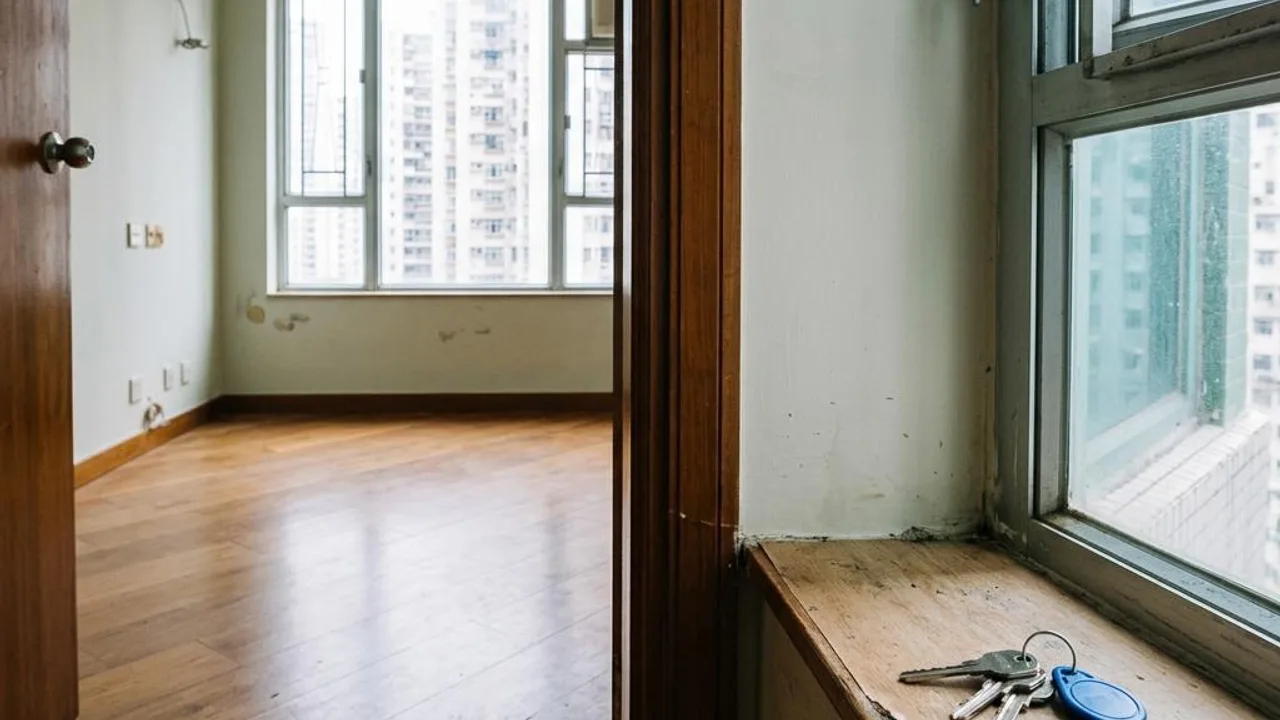
Documents Required for Handover Re-inspection and Entry Preparation
Second-hand property handover re-inspection is not just about looking at the unit's current state, but also requires rigorous comparison against the contract and records made during viewings. Ensure you have the authorized photos, equipment lists, and confirmed items from both parties ready; do not rely solely on memory for comparison. All content regarding handover conditions, water/electricity arrangements, key handovers, and which furniture will remain is subject to the written terms of the contract.
Before entering the unit, you should confirm that both parties have scheduled an entry time and ensure there is sufficient time to check the electricity, water, and the operation of various equipment. It is recommended to arrange for the relevant agent or the owner's representative to accompany you so that queries can be addressed on-site immediately. Clearly delineating which items are fixed installations that must be handed over and which are for the owner to clear can significantly reduce the risk of disputes arising from communication misunderstandings.
- Asset List in the Sales and Purchase Agreement
- Photographs and Records Taken During Viewings
- Confirmation of Water/Electricity/Gas Appointments and Handover Arrangements
- Unit Entry Permission and Key Quantity Audit
Assessment Methods for New Phenomena After Furniture Clearance
When the former owner's large furniture, cabinets, or floor mats are moved, walls, floor areas, or socket areas that were previously concealed will be revealed for the first time. Owners must not immediately conclude that 'first discovered' problems are 'damage caused during the transaction period'. These locations were invisible due to obstruction during viewings, so when recording, you should mark the location and rationally assess the cause.
When facing new phenomena, you should calmly verify the nature of the wear. For example, water stains found at the base of a wall may have existed for a long time but were merely hidden by cabinets. It is recommended to photograph the condition of the area first and compare it with the background details captured in viewing photos. If there is a clear disagreement regarding responsibility, communicate through the agent and keep a written record to prevent the dispute from escalating.
- Assessing whether wear in concealed areas conforms to material aging characteristics
- Comparing pre-transaction photo records to confirm the cause
- Recording discovery locations and reasons for past obstruction
- Inquiring with relevant persons in writing and retaining replies
Methods for Precisely Comparing Locations and Conditions
When conducting a property inspection, you should perform a strict comparison based on room locations and shooting angles. Use similar lighting conditions where possible for shooting to accurately judge whether original issues have been repaired and if new phenomena have arisen. Do not overlook checking other untouched areas just because a few items have been handled; carefully comparing every detail is key to a handover re-inspection.
Creating a detailed inspection checklist is crucial, listing resolved items, old issues that still exist, and newly discovered phenomena separately. Avoid mistaking them for new damage simply due to camera angles or light and shadow differences. For items where the cause cannot currently be confirmed or that cannot be resolved immediately, they should be recorded and continuously followed up on to ensure every dispute has evidence for review.
- Categorizing inspections by number and room
- Comparing past photos with on-the-day visual results
- Recording items pending investigation with unclear causes
- Clarifying repaired issues versus original issues that still persist
Guidelines for Auditing Keys and Equipment Accessories
Ensuring safety and given permission, check the handed-over keys, smart lock settings, and accessories for various equipment in the unit one by one. Confirm that remote controls, air conditioning vent regulators, water tap switches, and window catches are all present and operating correctly. Avoid attempting to disassemble unfamiliar equipment without consent to prevent causing extra damage.
If you find equipment that cannot be operated or lacks an instruction manual, inquire with the accompanying person immediately and mark the unverified items as pending confirmation. For example, if the unit is equipped with complex home automation systems or security facilities, be sure to obtain operating instructions or access rights transfers. For uncertain equipment operations, it is recommended to leave them to professionals for assistance; do not try to force them to avoid accidents.
- Check all door locks and spare key quantities
- Check equipment remote controls and operating accessories
- Ask for solutions to inoperable equipment
- Mark devices pending further verification
Written Communication Techniques for Handling Handover Disagreements
If major disputes are discovered during handover re-inspection, do not rely solely on verbal promises. You should compile the location of the discovery, photos taken at the time, and the original record comparisons into a formal written record for delivery to relevant parties, and request a written reply. This method defines the responsibility of all parties and prevents disputes from being shirked in the future due to 'misremembering' repair obligations.
During the handover re-inspection process, please remain objective and focus on the contract terms. For queries involving structural or concealed work, do not force disassembly or make any technical guarantees. If hidden hazards are suspected, record the current situation and recommend commissioning qualified technicians in the relevant field for follow-up professional surveys and assessments to ensure the handling procedures comply with safety regulations.
- Compiling a list of specific issues and comparison records
- Requesting relevant parties to provide written replies
- Avoiding reliance on verbal promises not confirmed in writing
- Seeking legal advice to handle contract disputes
Safety Precautions and Follow-up Procedures After Handover
Before carrying out deep cleaning, renovation, or formally moving in, be sure to properly preserve records of the environmental condition on the handover day. This visual material is important supporting evidence if potential disputes arise later. If dangerous situations such as serious water leakage, electrical abnormalities, or loose components are found, prioritize seeking professional assistance; do not delay repair opportunities to preserve evidence.
If subsequent repair work involves re-inspection, use the original issue numbers to establish a complete timeline record. Each repaired project should undergo an independent re-inspection to ensure no details were missed. If problems continue to appear, immediately check for deep-seated structural issues and take targeted, compliant repair measures.
- Retaining images from the handover day as supporting evidence
- Prioritizing handling of leakage or electrical safety crises
- Using old numbers to track repair progress
- Assessing whether to appoint professional technicians
FAQs
After handover, I discovered cracks in the wall; should I request compensation from the previous owner?
The owner should first compare the photos taken during viewings and the contract terms to confirm whether the crack was located behind furniture or was in its original state. If the cause cannot be confirmed, record it in writing and communicate with the agent to avoid prematurely determining it as damage caused after handover.
If electrical appliances are found to be inoperable during handover, how should I handle it?
The owner should first check if it is a power supply or basic setting issue; do not disassemble it yourself. Record the issue immediately and confirm with the accompanying agent whether the equipment is in the 'handed-over items' list agreed upon in the contract, then consult a qualified professional to assess repair plans.
Is it necessary to use professional equipment for property inspection during the final walk-through?
Owners should focus on visually verifying the contract checklist and the condition of the space to ensure the unit matches the initially agreed state. If concerns regarding safety or deep-seated structural issues are discovered, you should seek out relevant professional technical personnel for an inspection; it is not recommended to use unknown equipment yourself for invalid tests.