The importance and value of balcony inspections
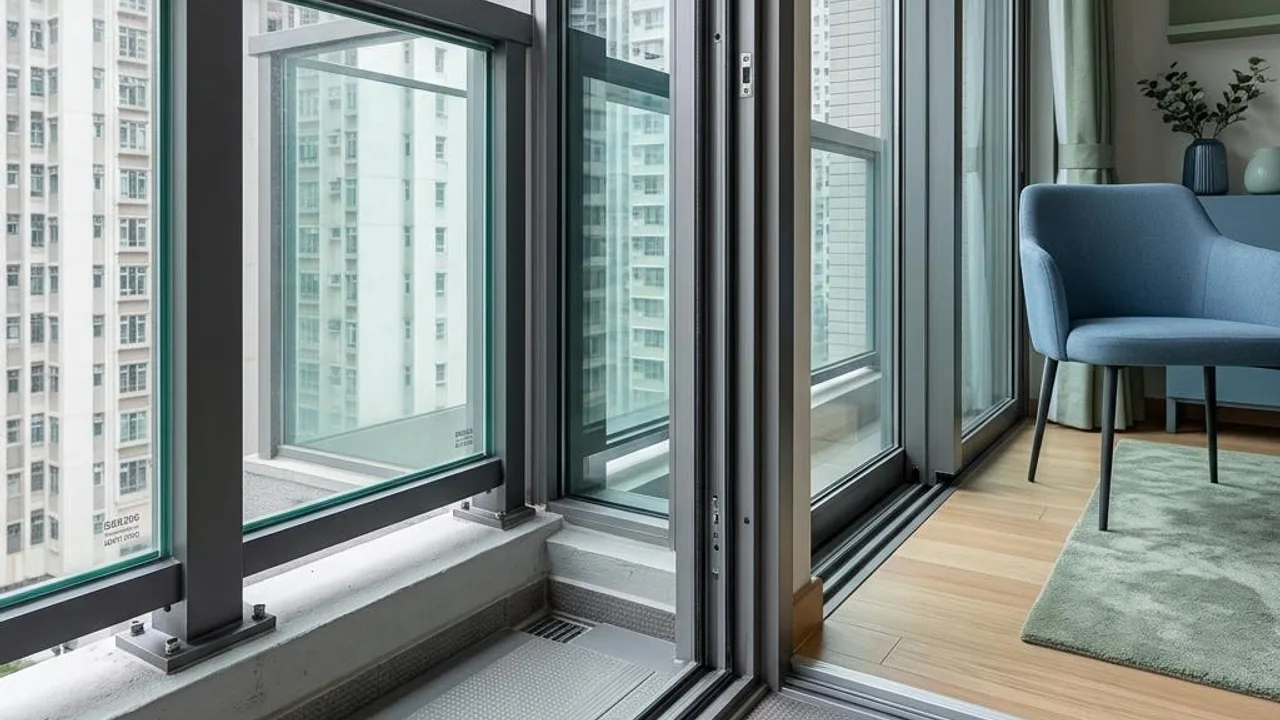
As an extension of a residence, a balcony not only offers advantages in leisure and ventilation but is also a highlight of the unit's value. A well-designed balcony can become a green space or a daily relaxation area, but its structural safety must undergo rigorous inspection upon move-in.
Considering the outdoor environment where a balcony is exposed to wind and rain over long periods, whether its waterproofing system and drainage structure are compliant directly affects the moisture risk to internal walls and flooring. Ensuring balcony safety is not only for asset protection but also for the daily safety of the occupants.
- Increase overall property market value
- Improve indoor air circulation and natural lighting
- Ensure waterproof and drainage functions are intact
- Prevent outdoor structural safety hazards
Structural load-bearing and foundation assessment
Before carrying out any renovations or placing heavy objects, owners need to pay attention to the balcony's structural strength, including load-bearing walls and connecting beams/columns. Ensuring the design load of the balcony meets standards and preventing potential collapse risks caused by structural defects is the foundation of safe use.
At the same time, it is necessary to note whether the height and spacing of the railings meet safety specifications, as this is the frontline against accidental falls. Installation must be absolutely secure; if railings show signs of rust, looseness, or cracks at junctions, they should be immediately recorded and the relevant parties asked to address the issue to ensure the safety of family members.
- Check beam and column structural stability
- Confirm the security of railing installation
- Verify railing height and safety spacing
- Assess if the structure shows signs of rust
Waterproofing and drainage system checks
The balcony waterproofing layer is the key to preventing water from penetrating into the structural layer. During inspection, one must check the ground waterproof sealant strips and wall corner seals for obvious cracks or damage. Good waterproofing works can prevent water from seeping to the floor below or entering the interior during the rainy season, protecting the renovation.
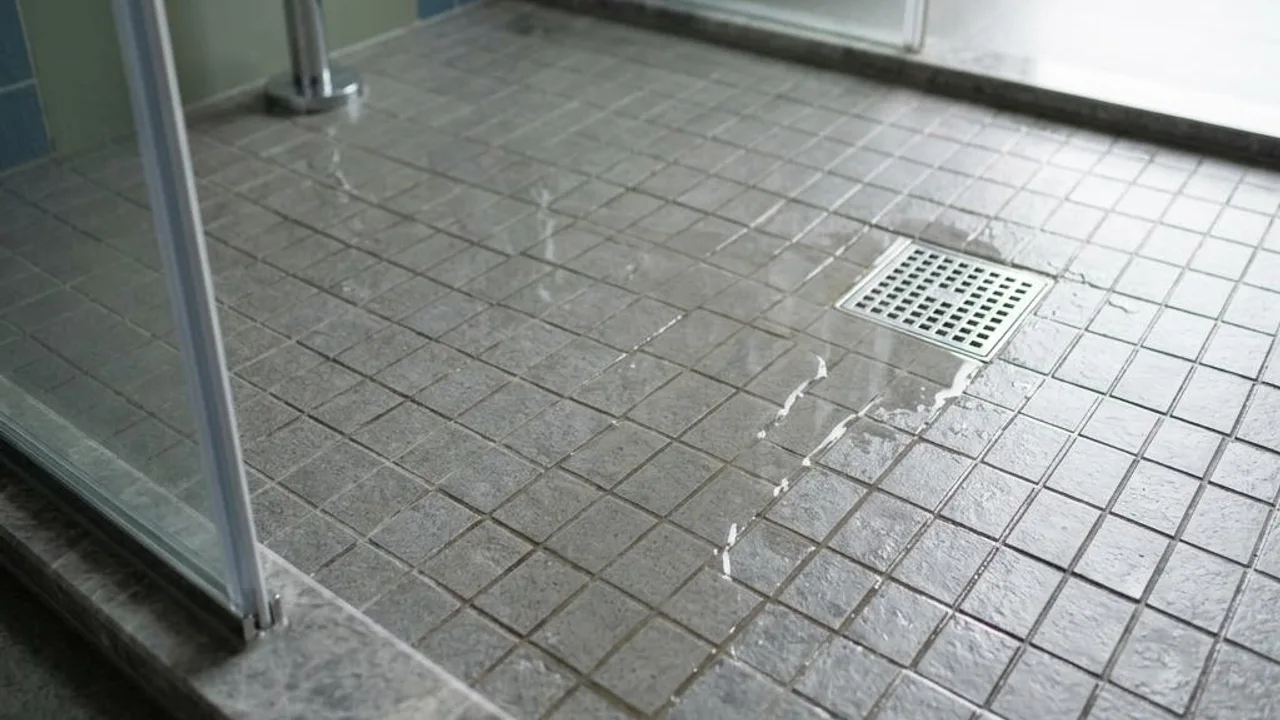
Whether the drainage system is unobstructed is equally important. Check if the floor drain opening is clear and free from debris or cement blockages. The drainage slope design must be able to drain accumulated water quickly, ensuring rain does not collect and reducing seepage problems caused by long-term moisture on the ground.
- Check waterproof sealant strips and joint seals
- Test if floor drainage openings are clear
- Detect drainage efficiency of floor slope design
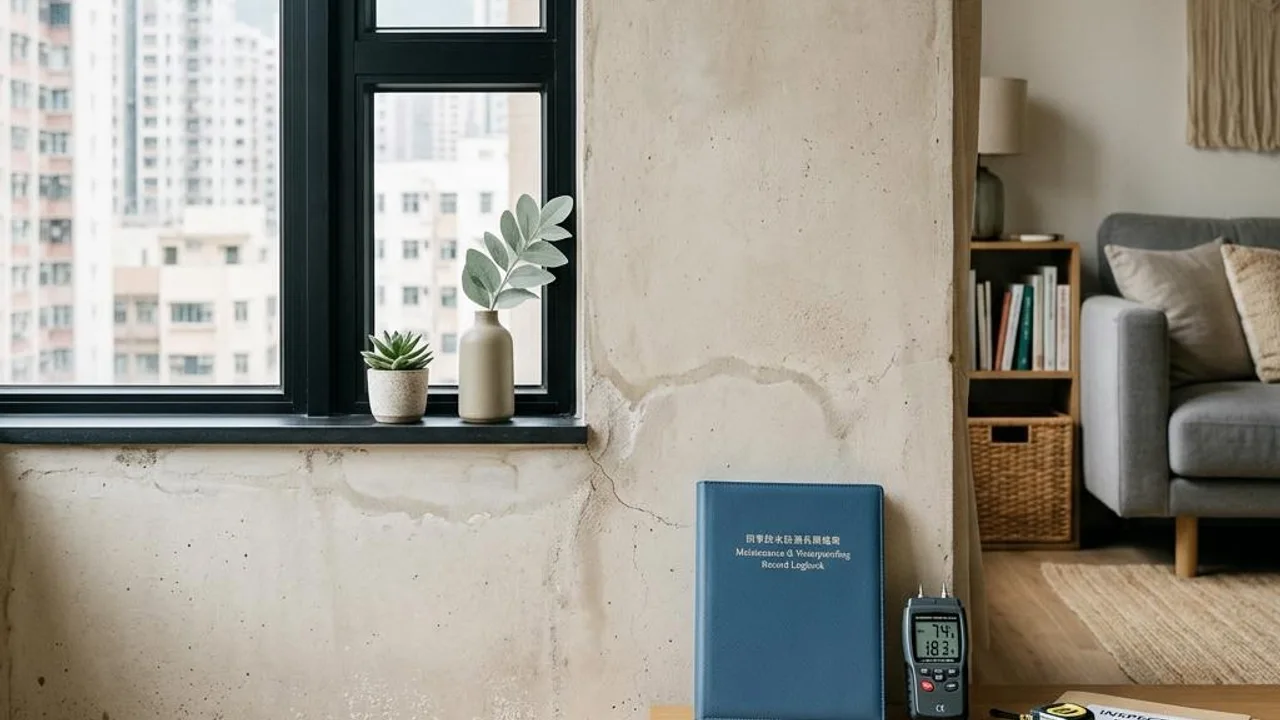
- Observe if there are water stains or dampness at the base of the walls
Facility configuration and lighting safety
The power supply and lighting facilities of the balcony must be installed by a registered electrical contractor and meet outdoor waterproof specifications. During inspection, owners need to check if socket covers are missing, if wiring is exposed, and ensure that switch boxes have a good rainproof design to prevent short-circuit risks.
If the balcony is equipped with fixed lighting, it must be ensured that it operates normally. In an outdoor environment, all electrical facilities must possess an adequate IP protection rating. Owners should also avoid installing non-standard electrical devices themselves to safeguard balcony electrical safety.
- Verify if lighting facilities are waterproof
- Check the seal of electrical switches
- Confirm wiring installation specifications
- Test functionality and sensitivity of lighting equipment
Balcony maintenance and legal regulations
Balcony maintenance and renovation must comply with building regulations. After inspection, if owners have any intention of renovation, they must first understand relevant legal requirements and obtain permits. Do not perform unauthorized demolition or structural changes, so as not to affect the load-bearing capacity of the balcony and jeopardize the safety of the unit.
Regarding daily maintenance, regular cleaning of drainage holes and debris can extend the lifespan of the balcony. If continuous water seepage is found on the floor, it is recommended to hire professional personnel for a thorough inspection. Keeping the balcony ventilated can effectively avoid various environmental problems caused by moisture.
- Renovations must follow legal regulations
- Regular cleaning ensures smooth drainage
- Arrange inspections early if hazards are discovered
- Avoid unauthorized changes to structural components
FAQs
Can owners test the drainage function themselves during a balcony inspection?
Owners can observe whether the drainage opening is clogged with debris and confirm if the floor has a proper slope, but should avoid large-scale water-pouring tests themselves; if slow drainage or water accumulation is found, a professional property inspector should be requested to conduct a detailed assessment.
If the balcony railing shows slight rust, does that mean the structure is unsafe?
Slight rust may occur over time, but if the railing shows structural looseness or obvious cracks at junctions, it involves safety issues; the location should be recorded and relevant professionals asked to check its stability.
What should be done if suspected water stains are found at the base of the balcony wall?
Owners should first record the scope and location of the dampness, observe whether it appears after rain, and seek a registered professional or property inspector for a detailed inspection; do not excavate the floor or wall yourself for repairs.