Why property inspection needs to focus on checking for water seepage.
Building water seepage not only damages decorations but, in serious cases, can also affect structural safety and electrical facilities; therefore, conducting systematic water seepage observation during the property inspection stage is crucial. Upon taking possession, owners should perform a preliminary assessment of all water-using areas indoors, verify if equipment is operating normally, and observe if there are any residual water stains.
Since hidden water seepage is difficult to detect with the naked eye immediately, if owners discover paint blistering, peeling plaster, or mold on walls, they should be highly vigilant. For potential water seepage issues, it is recommended to consult a professional building inspector early to use equipment for assisted judgment, rather than relying solely on personal experience.
- Observe if there is unusual paint blistering or peeling on the walls.
- Pay attention to whether wooden floors show signs of dampness, deformation, or abnormal discoloration.
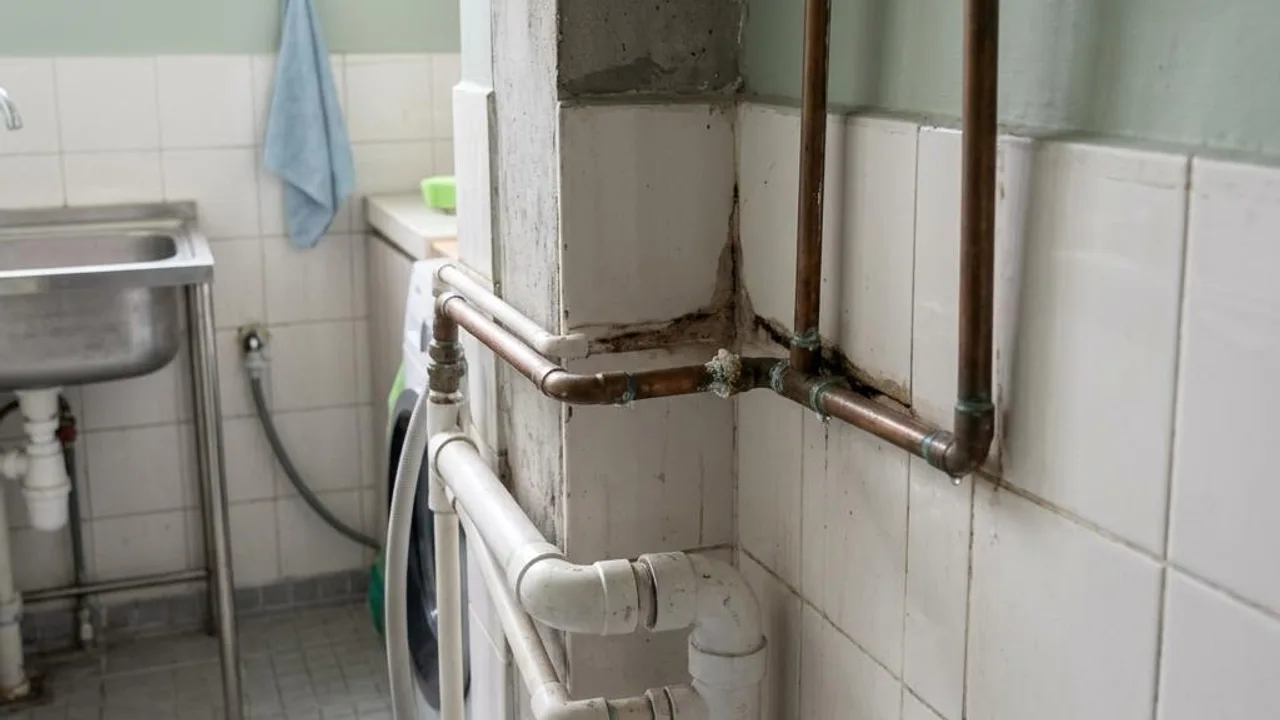
- Check if there are signs of dampness or mold around concealed water pipes.
- Record suspicious humidity points for further assessment by professionals.
Rooftop and top-floor drainage inspection.
For top-floor units, the waterproofing performance of the roof is of utmost importance. Owners should check if the rooftop waterproof layer has cracks or signs of aging, and simultaneously clear drainage channels to avoid blockage, preventing rainwater accumulation that leads to seepage. For flat roofs, standing water is the main cause of waterproofing failure; if slow drainage is discovered, it should be recorded immediately.
If misplaced roof tiles, damaged edge waterproofing, or blocked drainage channels are found, these are all high-risk indicators for leaks. Ensuring the drainage system is unobstructed before the rainy season is the basic line of defense for maintaining rooftop waterproofing functions, preventing moisture from seeping into the indoor structure through cracks.
- Check if the roof waterproof layer has cracks or aging fractures.
- Confirm if drainage channels are kept clear without standing water.
- Observe if edge waterproofing flashing is damaged or detached.
- Record rooftop water accumulation points for subsequent repairs.
Signs of water seepage on walls and floors.
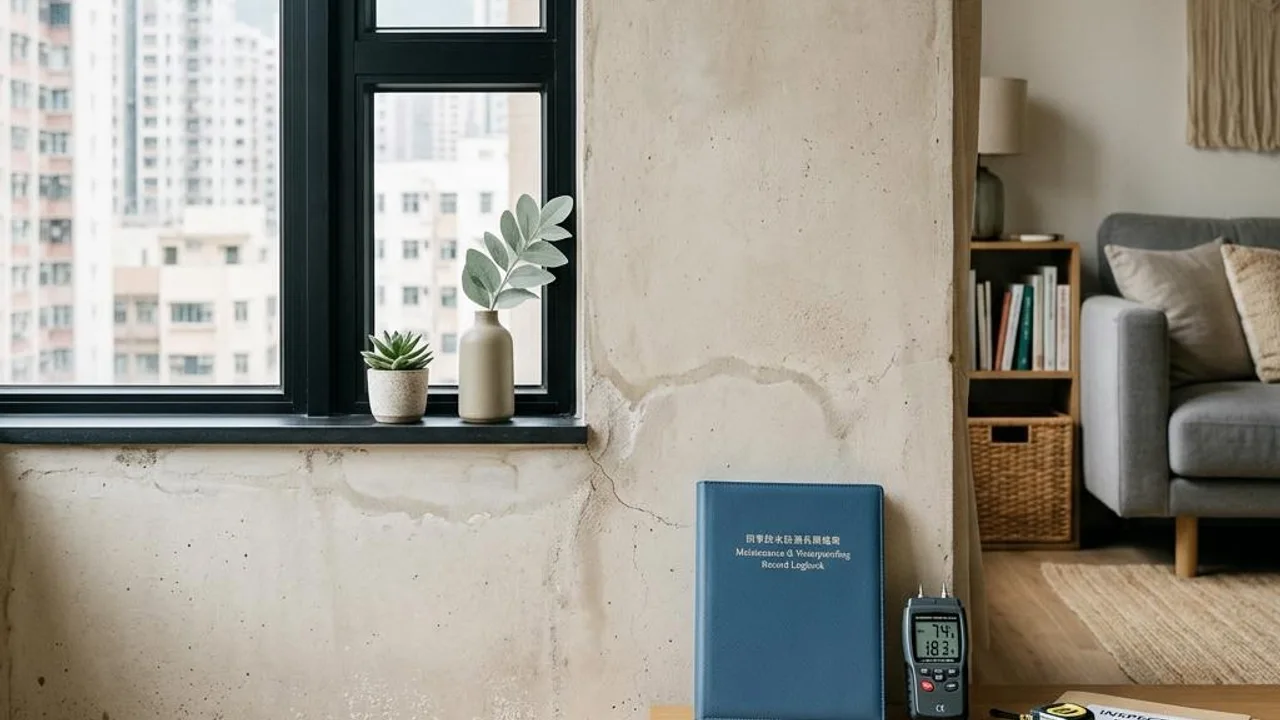
Water seepage in walls and floors is often hidden, especially under paint or carpets. Blistering paint, cracks, or dark patches on walls usually mean the substrate has been eroded by moisture. If walls feel cold and damp to the touch or have a moldy odor, pay special attention to whether it is a hidden pipe leak or exterior wall waterproofing failure.
For floors, if the flooring shows obvious wooden warping or if the carpet color is dull in local areas, these are clear signs of internal moisture. Owners should pay attention to whether mold appears at the baseboard, which is often the accumulation point for wall seepage flowing to the floor, and it is recommended to record all abnormal locations for follow-up.
- Check whether wall paint shows signs of blistering or powdering.
- Touch the walls to feel if there is abnormal coldness or moisture.
- Check if there are water stains or mold spots on baseboards.
- Pay attention to whether wooden floor joints are level and free from dampness.
Kitchen and bathroom waterproofing test.
Kitchens and bathrooms are the areas with the highest water usage and should be the focus of checking around washbasins, shower areas, and toilets. During testing, pay attention to whether all water inlet points and drains are dripping, and check if there are water stains under the washbasin cabinet, which is a direct basis for determining whether pipe connections are secure.
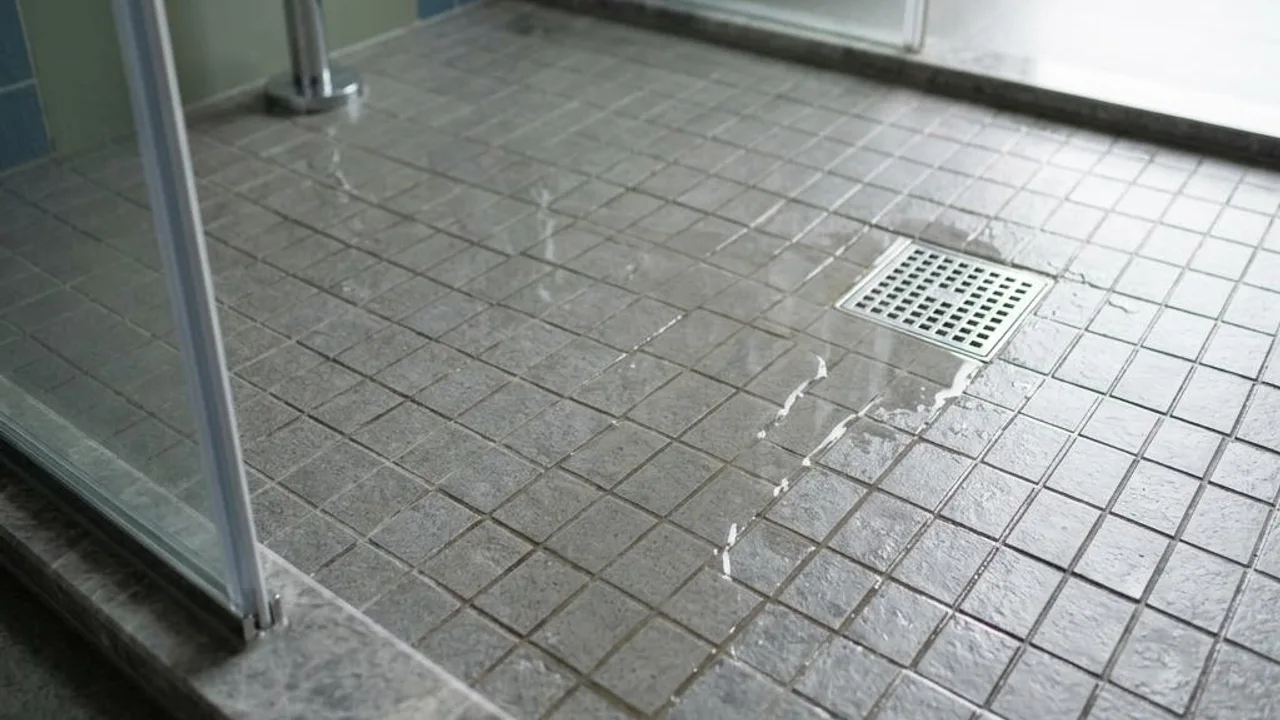
The integrity of the bathroom waterproof layer is key to preventing leaks to the floor below. It is recommended to check the seal of shower glass doors and whether there are gaps at the junction of the shower stall and the wall. If water seepage is found at the edges of floor tiles, it may be due to failed grout or imperfect bottom waterproofing construction, and you must notify the developer to follow up promptly.
- Test if kitchen and bathroom faucets and showerheads are dripping.
- Check if there are signs of dampness under the washbasin and kitchen cabinets.
- Confirm whether the glass glue seal in the shower area is damaged or loosened.
- Observe if the tile grout is intact without omissions.
Door and window frame edge anti-seepage inspection.
Window edges are the main entry points for rainwater. When checking, be aware of whether the waterproofing sealant at the junction of the window frame and the wall is aged, cracked, or falling off. If water stains are found inside the windowsill, verify whether it was caused by improper installation or defects in window frame materials, and ensure that the sealing strips have good elasticity and protection capabilities.
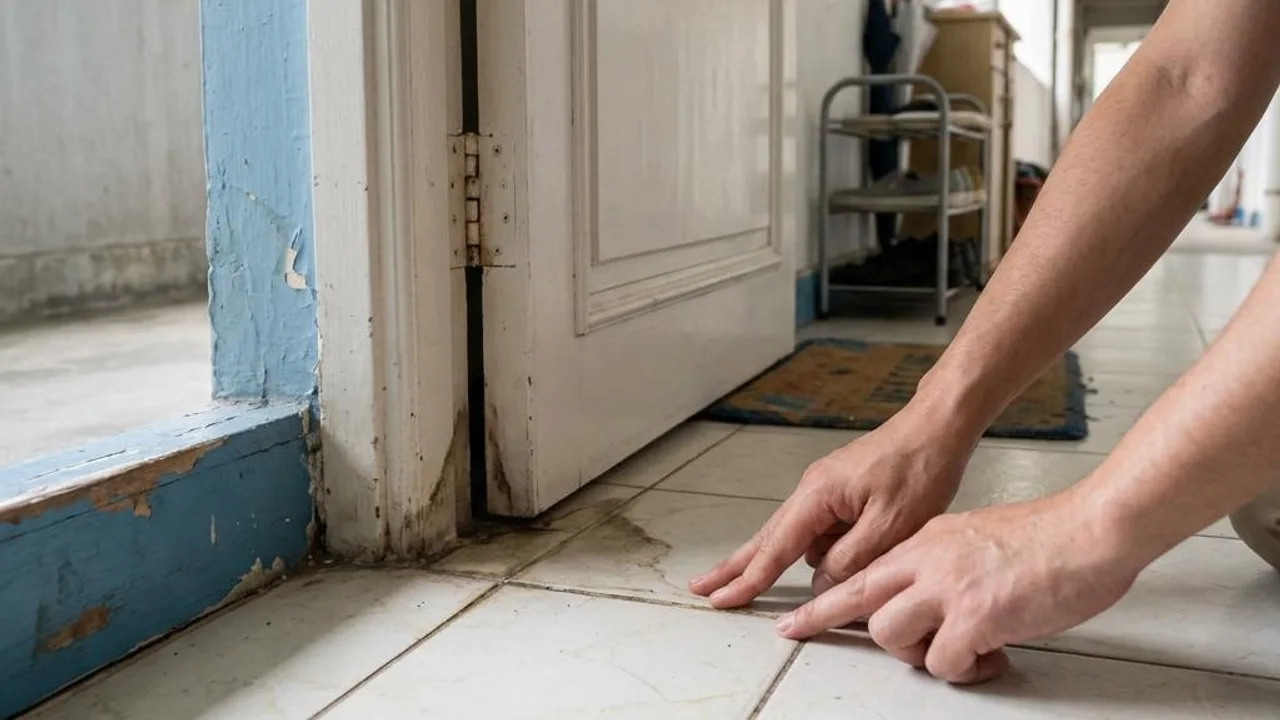
If door frames are in long-term contact with standing water on the floor, the wooden base easily undergoes expansion damage. Check if there are water stains on the bottom of the door frame and ensure that the door threshold water barrier is effective. If windows cannot be closed tightly or the sealing rubber edges are deformed, repairs should be required to prevent rainwater from seeping into the interior space during heavy rain.
- Check if the waterproof sealant around the window frame is aged or cracked.
- Confirm if there are traces of rainwater ingress inside the windowsill.
- Observe whether the sealing strips are fully attached and without deformation.
- Check if the bottom of the door frame is deformed due to dampness.
Importance of professional equipment assisted inspection.
Although general visual inspection can find surface problems, water seepage in hidden places often relies on professional equipment. Moisture meters and infrared thermal imaging cameras commonly used by building inspectors can accurately measure the internal moisture content and temperature difference of walls, thereby determining the scope and source of seepage and avoiding blind wall-chipping to find leaks.
Through professional inspection tools, owners can obtain repair suggestions supported by more data. This method can objectively evaluate the severity of water seepage and provide detailed inspection records, assisting owners in the handover stage to require the developer to carry out targeted repair work.
- Use a moisture meter to measure the deep-layer moisture content of the wall.
- Use a thermal imaging camera to observe the temperature difference distribution of hidden walls.
- Evaluate the severity of water seepage and provide professional repair suggestions.
- Request specific inspection records to cooperate with handover follow-ups.
FAQs
If I find slight water stains on the wall during property inspection, should I request it to be chipped open for inspection immediately?
It is advised to take photographs for records first and notify the developer, then have professionals use equipment (such as moisture meters or thermal imaging cameras) to assess the water seepage situation and its source. Do not carry out any structural wall chiselling yourself to avoid damaging the waterproof layer or triggering further damage.
If there are cracks in the floor tile grout in the kitchen or bathroom, does it definitely mean there will be a leak?
Grout cracks do indeed increase the risk of water seeping into the sub-floor, potentially leading to signs of water seepage at wall bases or on the ceiling downstairs. It is recommended to contact a professional OPO Inspection inspector to carry out a flood test or instrument inspection to confirm whether the waterproof layer is still effective.
If dampness is found by the window sill during property inspection, can I demand the entire window set be replaced?
The solution depends on the cause of the dampness. If it is merely aging waterproof sealant or poorly sealed joints, repairing the sealant is usually sufficient; if there are material defects in the window frame itself or serious installation deviations, you should, based on the inspector's advice, request repair or replacement of the affected parts rather than replacing the entire window set directly.