Structure and interpretation of property inspection reports.
A professional property inspection report records the current status of the property, covering structure, water and electricity systems, renovation details, and the condition of various equipment. After receiving the report, owners should not merely focus on the total number of issues; they should carefully read the specific descriptions of each defect in the report to understand which are construction flaws and which are long-term wear and tear.
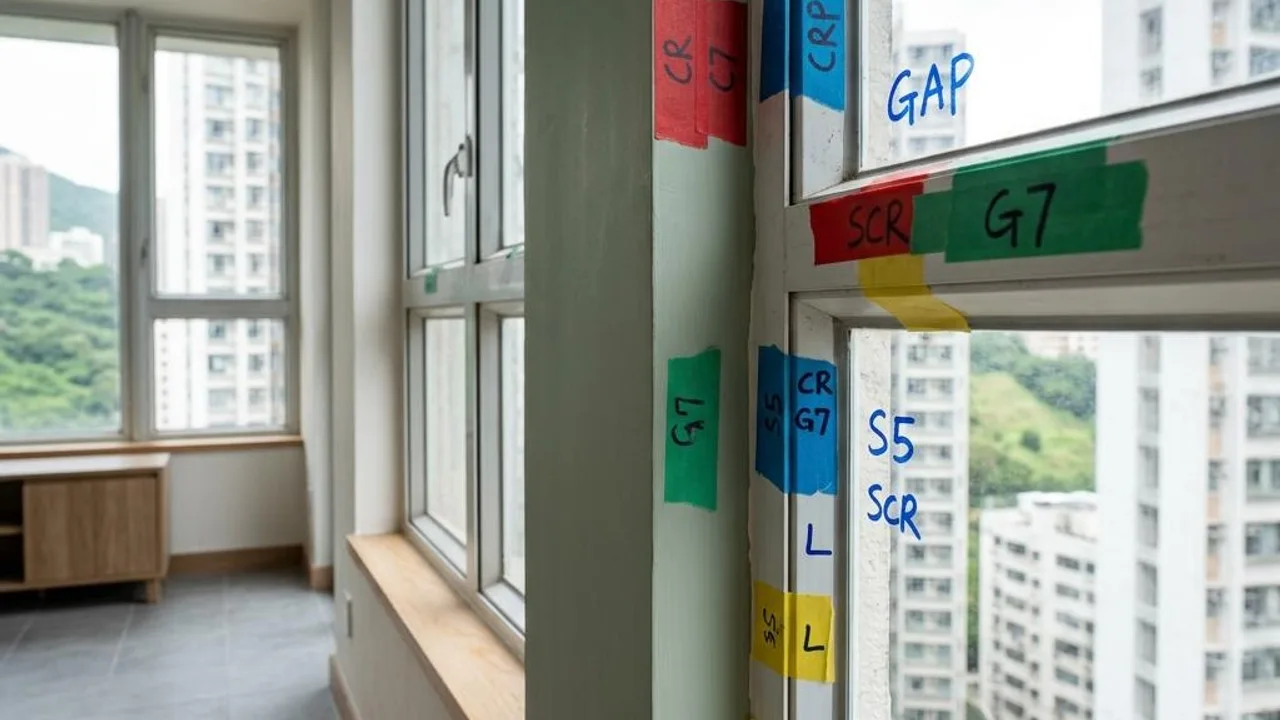
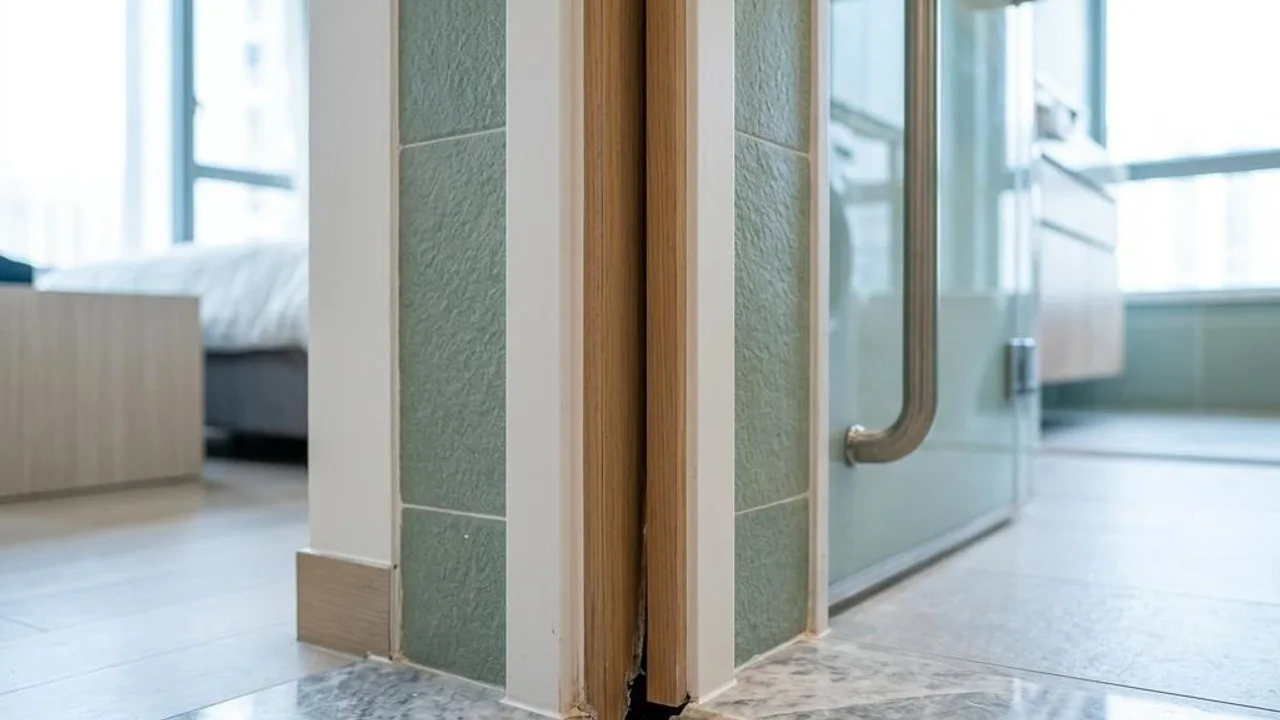
As the property inspection report itself does not include photos, it is recommended that owners, during the property inspection process or after obtaining the report, refer to the professional building inspector's written guidance and take photos of the relevant location details themselves as a backup. This helps when communicating repair details with contractors or renovation companies, allowing for more precise communication of the repair scope and requirements.
- Identifying critical damage points.
- Cross-reference with the property inspection written records.
- Take photos and store them as evidence.
- Clarifying ownership of repair responsibilities.
Prioritise handling structural and water/electricity hazards.
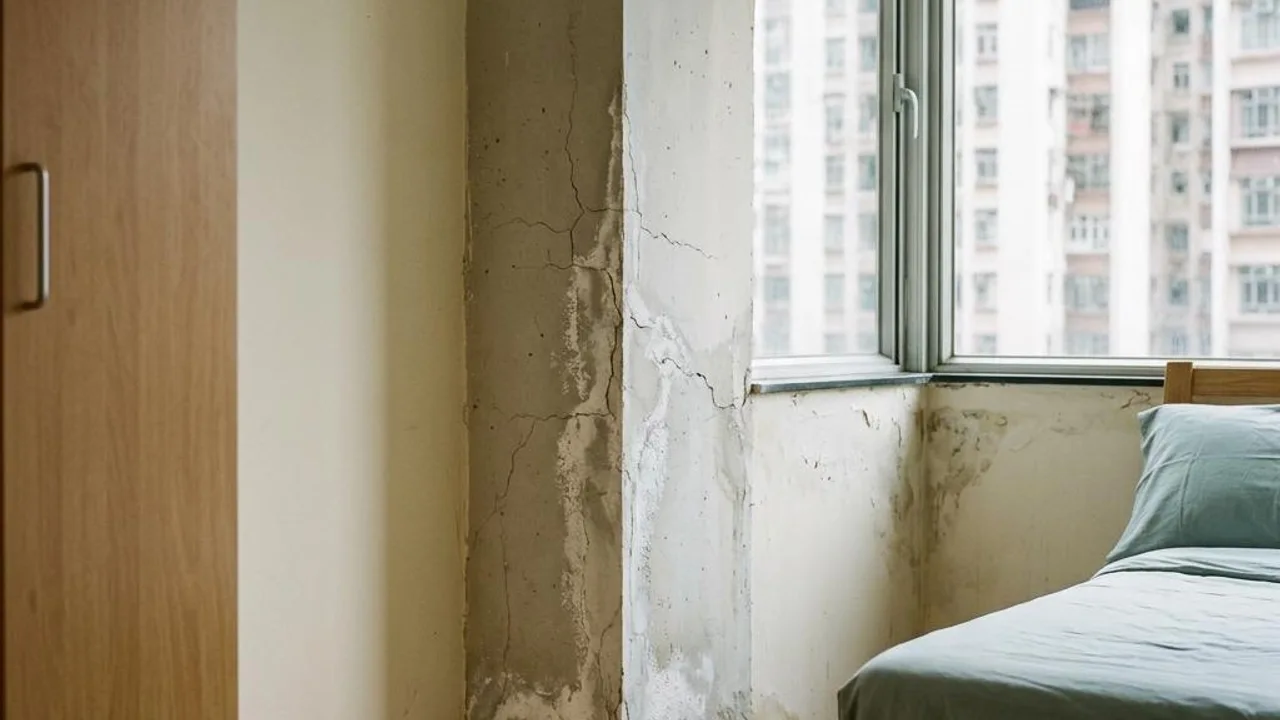
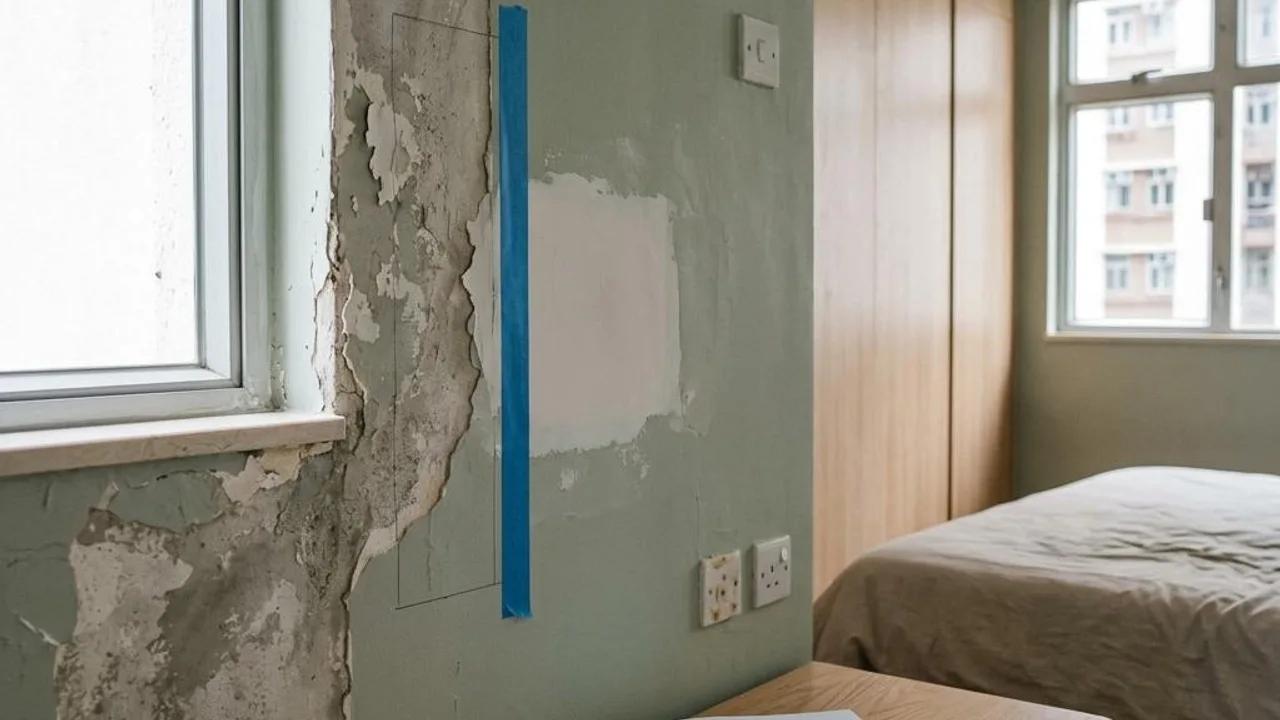
Items in the property inspection report that must be prioritised are those affecting structural safety and the operation of water and electricity. If abnormal cracks are discovered on a wall, they should be further assessed by a professional; do not perform plastering or covering works without authorisation to avoid concealing potential structural risks.
The safety of electrical and plumbing systems should not be overlooked. If the report indicates leaks or electrical faults, you must hire a registered contractor or a registered electrical contractor to address them. Remember that electrical installations affect household safety; any modifications not powered through sockets must comply with regulations and you must request the contractor to issue a Work Completion Certificate (WR1).
- Assessment and treatment of wall cracks
- Checking for water pipe leaks
- Registered electrical contractor inspection
- Ensure electrical circuits meet WR1 standards
Home equipment inspection and maintenance advice.
Common problems with air conditioning, sanitary ware, and appliances in reports usually relate to installation levels or equipment aging. For air conditioner inspections, check for any poor drainage to prevent indoor water leakage which could cause wall mold. For long-term vacant residences, pay special attention to whether the water supply and drainage systems are operating normally.
If the report mentions abnormal equipment operation, it is recommended to refer to the manufacturer's operational advice for preliminary troubleshooting. If the equipment requires tools to dismantle, please contact a professional technician. Repaired equipment should be included in your daily household maintenance plan to ensure its operational lifespan.
- Air conditioning drainage system testing
- Verification of equipment installation stability
- Daily drainage cleaning and maintenance
- Regular inspection of equipment operation
Professional repairs and subsequent follow-up.
When dealing with building maintenance issues, it is recommended to consult professional information. If statutory maintenance duties are involved, such as window inspections under the Mandatory Window Inspection Scheme, the owner must appoint a qualified person registered with the Buildings Department to be responsible for inspecting and supervising relevant works to ensure compliance with legal requirements. General residential inspection services cannot replace statutory inspections, nor can they certify structure, electricity, gas safety, waterproofing layer thickness, or predict remaining service life. Infrared thermography only displays surface temperature differences and is not conclusive evidence of moisture or the source of a leak. Do not attempt electrical testing, dismantling of fixed installations, adjusting water pressure valves, or climbing on roofs or windows yourself.
For professional areas, please consult the relevant qualified professionals.
If defect rectification in the report is complex, the owner should seek a repair team with relevant qualifications. Do not conflate minor aesthetic issues with structural safety issues. Regarding the points raised by the property inspector, you should request a transparent list of works from the maintenance staff and ensure safety protocols are followed during the repair process.
- Hire registered building professionals
- Ensure works comply with safety codes
- Clearly defined list of repair works
- Keep records and certificates of works
Explanation of property inspection report delivery and follow-up.
The OPO Inspection report is a detailed text description and does not include photos; owners can take their own photos based on the locations mentioned in the report. The report is usually sent on the next working day after the inspection.
If the owner wishes to confirm the effectiveness of the repairs after they are completed, they need to consider making a separate appointment for a reinspection. Reinspection is an additional professional inspection service and is not automatically included in the initial property inspection fee.
- Electronic reports are usually sent on the next working day
- Report content does not include photos
- Reinspection service requires separate booking and charges
FAQs
The property inspection report has no photos, how should I record the defects?
The property inspection report consists primarily of detailed text. It is recommended that owners take their own photos or videos at the inspection locations identified in the report to serve as supporting evidence for defects, making it easier to verify with the decoration or maintenance team later.
Do I need to arrange and pay for a separate service for reinspection after defect rectification is complete?
No. Reinspection is an independent professional service and is not included in the initial property inspection fee. If an owner requires a professional property inspector to follow up on the repair effectiveness, they should arrange a separate appointment for the reinspection.
Can owners check the electrical circuit problems in the property inspection report themselves?
Do not check it yourself. Any electrical circuit abnormalities or items involving modifications must be handled by a registered electrical contractor for professional testing to ensure that repair work complies with electrical safety regulations, and you must require the contractor to issue a WR1 Work Completion Certificate.