Why are the professional terms in property inspection reports difficult to understand?
Many Hong Kong property owners, upon receiving their new home inspection report, are often overwhelmed by the large volume of engineering and construction terms. These reports use professional vocabulary primarily to ensure the legal validity and objective accuracy of the document, avoiding unnecessary disputes and cognitive gaps when negotiating with developers regarding maintenance responsibilities during the warranty period.
Professional construction terminology can precisely define the cause and location of defects, such as distinguishing between surface plaster issues and structural layer problems. If owners can grasp the plain-language meaning of these core terms, they can not only understand the actual delivery quality of the unit more clearly, but also demonstrate a professional understanding of the unit's condition when requesting follow-up from the contractor, thus maintaining the initiative in defect rectification communication.
- Terminology ensures legal accuracy in defining engineering issues.
- Avoiding ambiguity when communicating with developers or contractors.
- Owners can more actively list items that need priority handling.
- Professional terminology clearly points to specific construction causes.
Deconstructing common structural defect terminology.
Among numerous construction terms, those concerning wall and floor structures appear most frequently in property inspection reports. These terms reflect whether the processing technology for cement, plaster, and concrete during construction meets standards. Owners should learn to distinguish their definitions and risk levels to determine the importance of defect rectification.
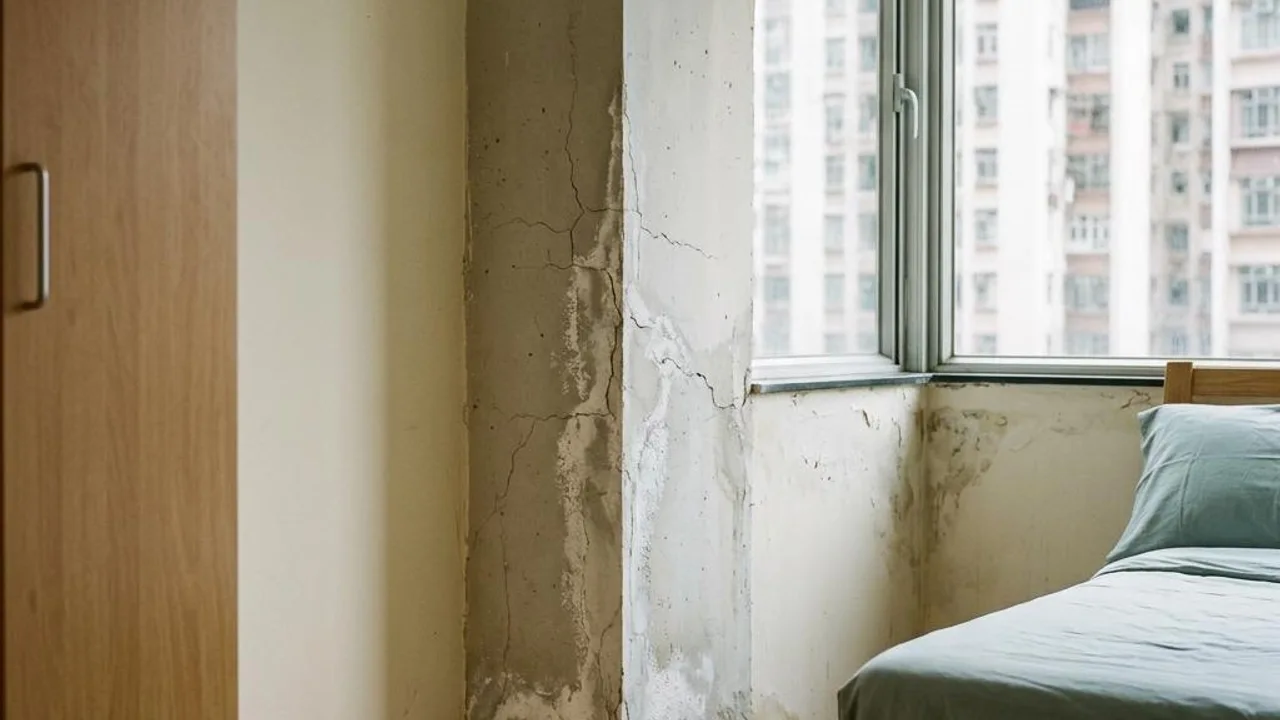
Plaster hollow (hollow spots) refers to the failure of the outermost cement layer to adhere perfectly to the underlying concrete wall, which may lead to paint peeling over time. Honeycombing refers to irregular holes on the concrete surface due to insufficient vibration during pouring, which may become potential pathways for water seepage in the future and requires professional repair.
- Plaster hollow: Poor adhesion between the cement plaster and the underlying concrete.
- Honeycombing: Holes appearing on the concrete surface and insufficient mortar.
- Settlement cracks: Cracks produced in the structure due to foundation issues or uneven stress.
- It is essential to distinguish between non-structural defects and potentially serious structural hazards.
Mastering keywords for water seepage and windows.
Hong Kong's climate is humid and rainy, and the quality of window and waterproofing works directly affects living experience. Descriptions in property inspection reports such as 'reverse flashing' or 'loose window frame sealing' are important warning signs of water seepage risk. Understanding these terms helps avoid rain backing up into the room during the plum rain season or when storms approach.
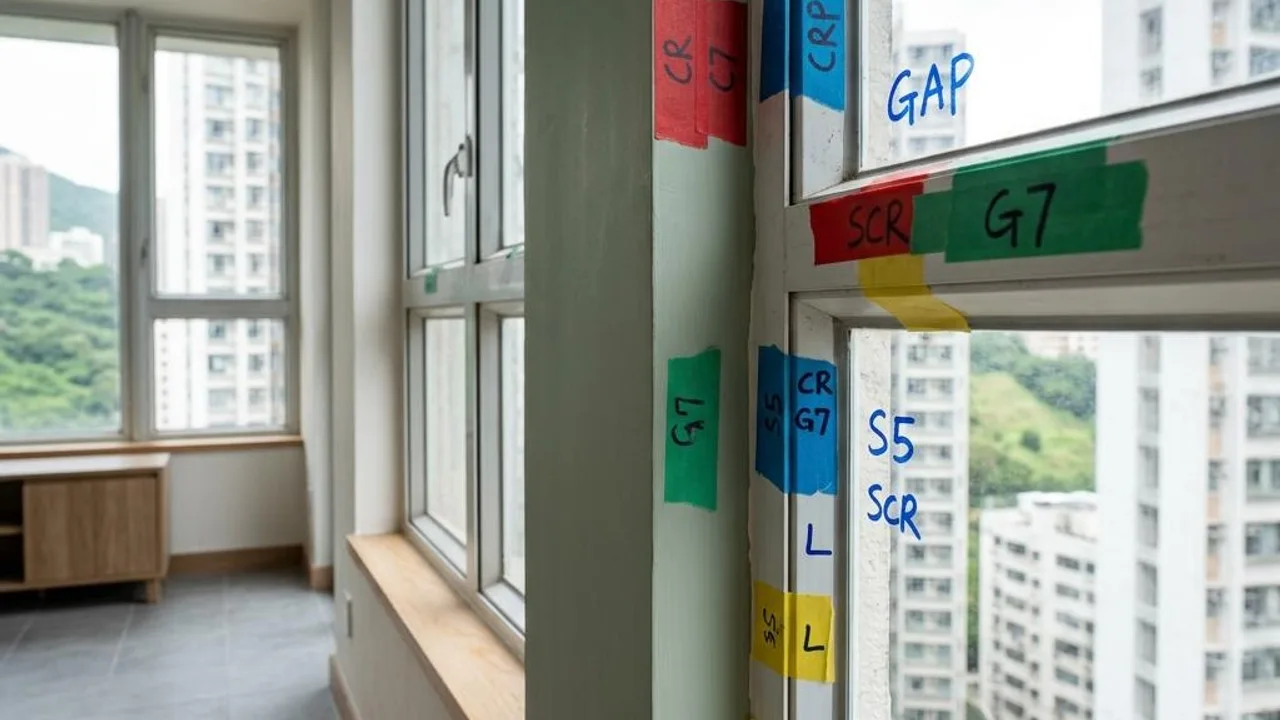
Flashing is a special construction used to guide rainwater and prevent water accumulation. If the reverse flashing fails or the height is insufficient during construction, it easily leads to water seepage under strong winds. Furthermore, whether the waterproof sealing (structural sealant) around the window frame is uniform is directly related to the unit's future waterproof performance; it is recommended to follow up on this during the defect rectification period.
- Flashing failure: Improper rain drainage design leading to backflow.
- Uneven sealing: Window frame sealant treatment not detailed enough.
- Window frame sealing: Leak-proof craftsmanship at the joint between the window frame and the wall.
- Sealing at the window edge under strong winds directly determines waterproof performance.
The boundary between DIY observation and professional testing.
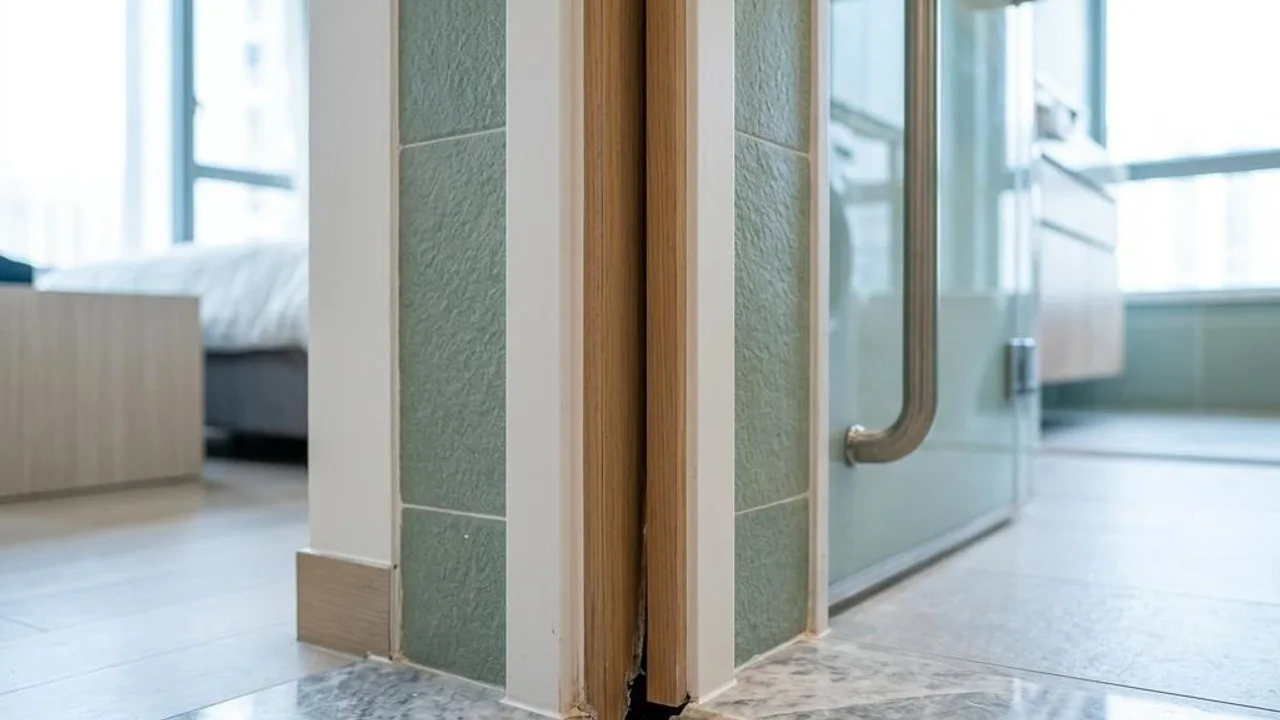
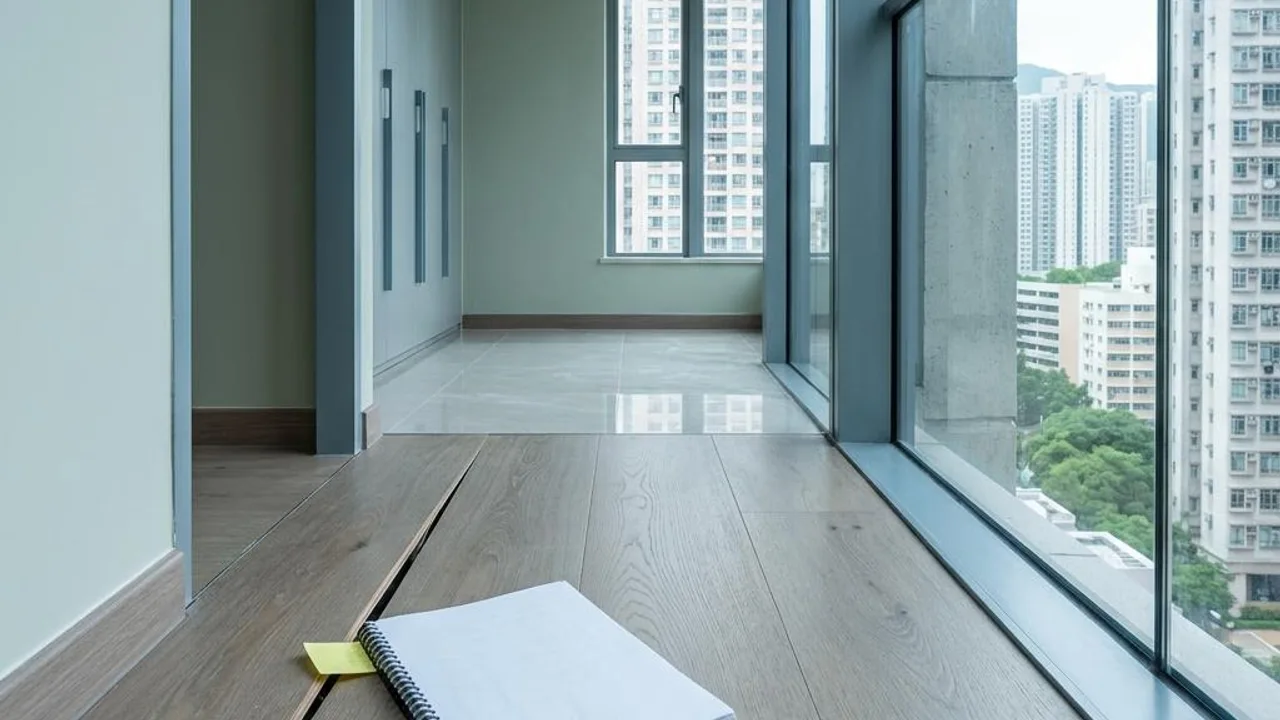
It is perfectly feasible for owners to refer to the terminology guidance in the property inspection report to check surface items such as wall scratches, baseboard flatness, or door lock functionality. These intuitive defects do not require special equipment to discover and request rectification; owners are fully capable of participating in the coordination of defect rectification projects.
However, for structural hollows, leaks in concealed pipes, or abnormal electrical circuit loads, professional instruments such as infrared thermal imaging cameras, hollow-sounding hammers, and phase testers must be used. Blindly relying on the naked eye or personal experience to judge these concealed problems often fails to clarify the root cause, and it is recommended to hire a professional inspection team for objective analysis.
- Surface defects can be checked by owners themselves against the report.
- Concealed work is difficult to inspect directly by eye. It is generally recommended to entrust a qualified professional to use tools like thermal imaging cameras to assist in observing surface temperature differences, but note that thermal imaging only shows surface temperature differences and is not direct proof of water seepage or concealed structural problems. If structural safety or concealed facilities are involved, further inspection by professionals in relevant fields should be conducted.
- Electrical load abnormalities require a phase tester for assessment.
- Professional data can clarify the root cause of problems and prescribe the right remedy.
How a professional team assists in taking over and rectifying a property.
Faced with complex property inspection reports, if owners feel they cannot secure reasonable defect rectification arrangements from the developer solely on their own, a professional inspection team can provide strong support. We are familiar with the acceptance standards and terminology interpretation of major local estates and can provide convincing inspection reports for owners.
A professional inspection team provides objective data, assisting owners in having a solid basis during the inspection process. Through professional opinions, owners can more effectively resolve disputes over construction details, ensuring that the unit handover meets relevant building codes.
- Provide objective and convincing property inspection reports.
- Assist in professional communication with developers and contractors.
- Ensure that defect rectification items are properly handled and comply with standards.
- Provide professional inspection data and testing opinions.
Property inspection service arrangements.
The property inspection service includes detailed written testing results, and the electronic inspection report is typically issued on the next working day. Please note that this electronic report does not include photos; it is recommended that owners take their own photos for record-keeping on-site during the inspection for future defect rectification reference.
If there are still concerns after the unit has completed preliminary defect rectification, a subsequent reinspection service can be booked separately. Reinspection is an independent property inspection project and is not a free follow-up service; owners should be aware of the service terms and procedures.
- Report distribution: Electronic report issued on the next working day (no photos attached).
- Reinspection arrangement: Reinspection is an independent service and requires a new appointment.
FAQs
If I still do not understand the terminology after receiving the inspection report, what should I do?
It is recommended that owners list the specific terms in the report they do not understand and invite a professional building inspector to explain them further, or consult online construction dictionaries for basic understanding, so as to communicate accurately with the developer's maintenance team.
Can the photos of the property inspection taken by the owner replace the property inspection report as evidence?
Photos taken by the owner are helpful for documenting the situation, but the terminology descriptions and professional measurement data in the professional property inspection report have more legal persuasive power. It is recommended to use both in combination as a basis for striving for defect rectification from the developer.
The inspection report points out structural problems, and the developer promises to handle them; do I need to pay for another inspection?
If the owner is concerned about the quality after defect rectification, they may consider hiring a third party to perform a reinspection. Reinspection is an independent paid service and is not automatically included with the report; owners should decide whether another inspection is needed based on the severity of the unit's defect rectification items.