Prioritization logic for water seepage and dampness hazards
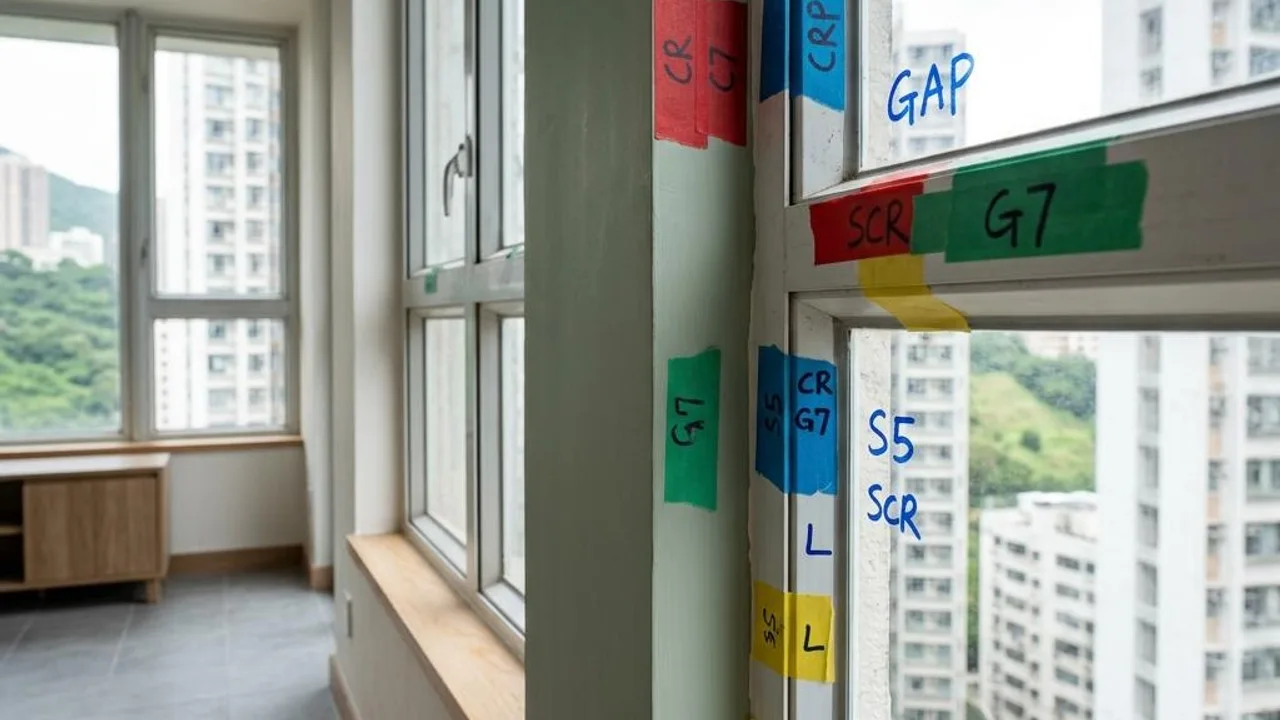
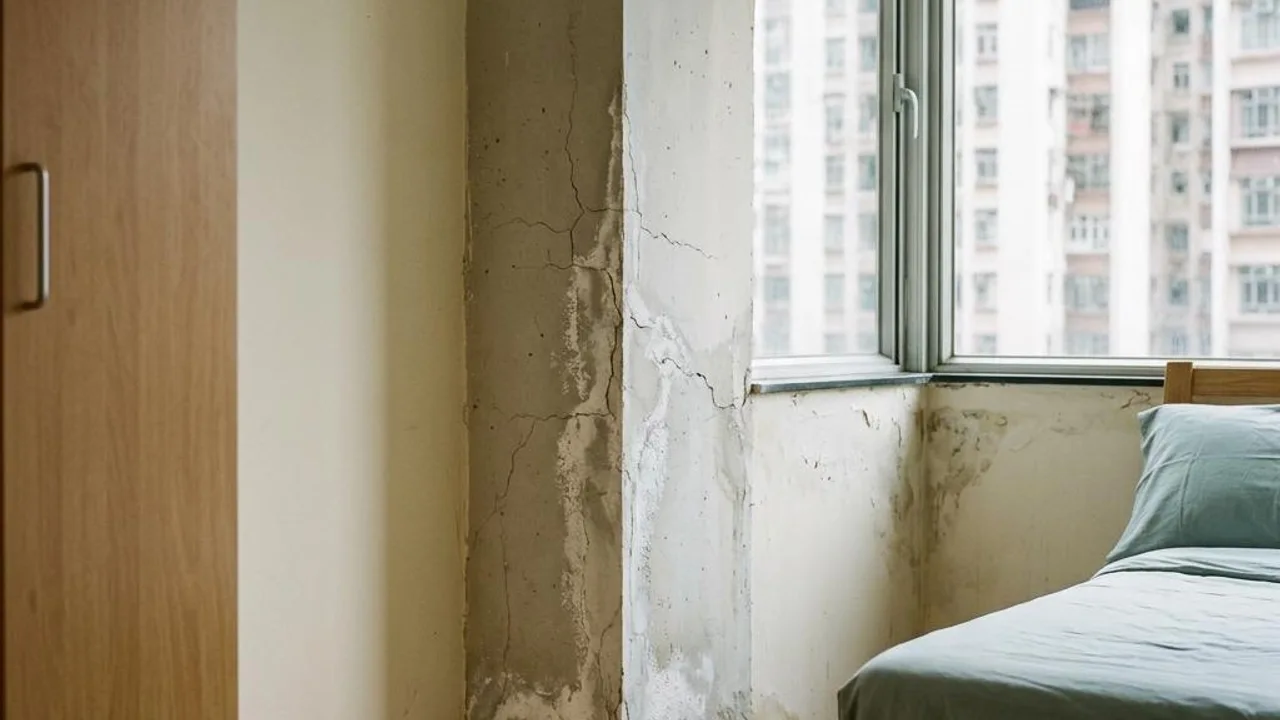
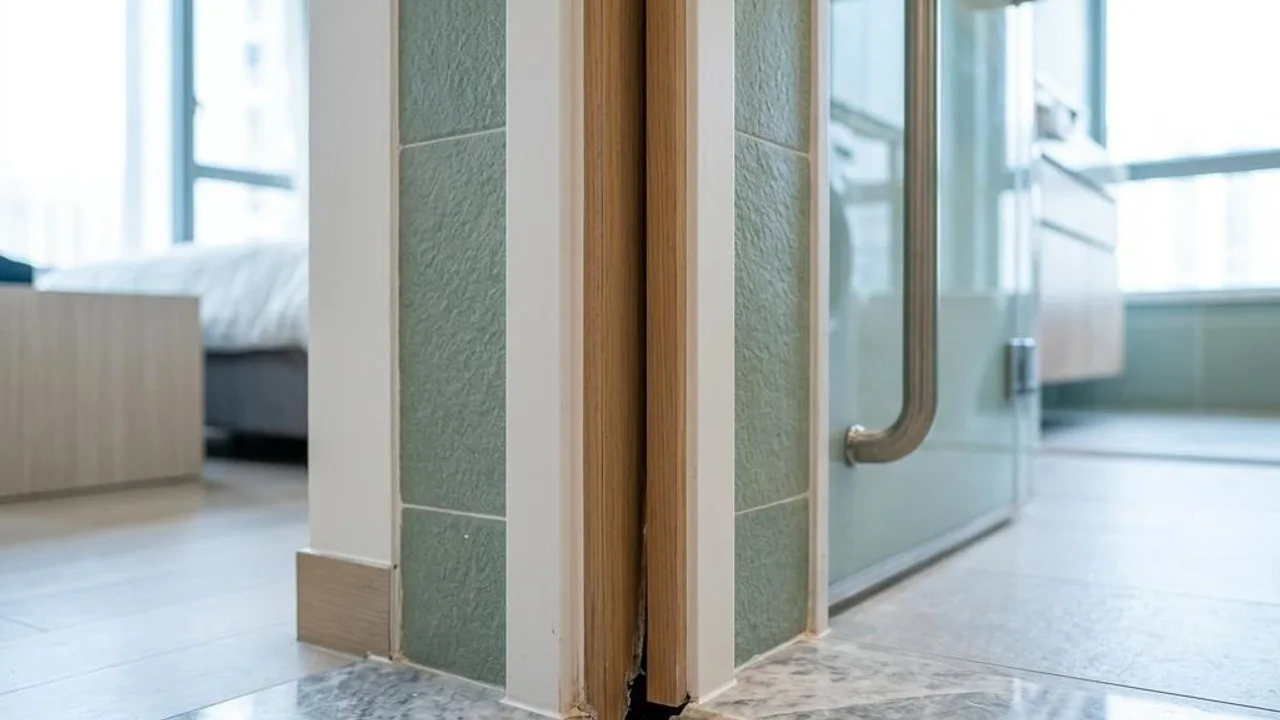
After receiving the property inspection report, the sections involving water seepage, leakage, and damp-proof performance should be prioritized. Hong Kong has a humid climate; if moisture penetrates into the concrete, it will lead to steel reinforcement corrosion, which can seriously affect structural safety. Owners should focus on areas in the report with high moisture readings or thermal imaging abnormalities, such as bathroom door frames, window sills, and internal walls.
If the report indicates potential leakage in these areas, it must be dealt with promptly. Moisture entering the interior through concrete pores can cause internal stress, which may lead to spalling or structural problems. Thoroughly investigating and requiring the developer to follow up on the root cause of water seepage before renovation can effectively reduce the cost of dealing with wall mold or severe leakage after moving in.
- Prioritize checking water seepage data for bathroom door frames and window sills
- Pay attention to areas showing abnormalities in infrared thermal imaging
- Attach importance to whether the damp-proof layer is intact and shows no signs of leakage
Recommendations for the risk grading of hollow tiles and structural risks
There are often many records of hollow tiles in the report. Hollow tiles are caused by uneven construction or local debonding due to thermal expansion and contraction caused by seasonal temperature changes; owners do not need to panic about all hollow tiles. Risk grading should be carried out based on their location: hollow tiles in high-stress areas such as floors are more critical and should be given priority for repair to avoid bursting later.
Conversely, if the hollow tile only appears in the center of a non-load-bearing wall and the range is small, the short-term risk is relatively limited. Learning to distinguish risks based on the nature of the space can assist owners in proposing practical repair suggestions to the developer, avoiding the time and economic losses caused by excessive rework, and maintaining the integrity of the original state of the property.
- Distinguishing the risk level of hollow tiles by load-bearing nature
- Prioritize handling hollow tiles in areas with frequent water accumulation or stress
- Avoid demanding full repaving due to minor aesthetic flaws
Key points for the daily operation of window hardware and concealed water and electrical systems
In addition to visible walls, the data on windows, locks, and electrical circuits recorded in the report are also key. Window hardware (such as friction stays and locking points) is prone to wear and tear with long-term opening and closing; if the airtightness is poor, it is easy to cause water seepage in bad weather. Checking the records of stiff opening and closing in the report can prevent subsequent safety risks.
The tripping time in the distribution board and the socket polarity test are even more critical. If the Residual Current Device (RCD) test is abnormal, it directly affects home electrical safety. Owners must read the relevant data carefully to confirm that the circuit is operating normally, because these are concealed works, and dealing with them after moving in will be extremely difficult and costly.
- Check window sash airtightness and hinge fatigue
- Verify the test results of the Residual Current Device in the distribution board
- Confirm the safe operation of all socket polarities
Balanced assessment of benefits and rectification strategies
Faced with a dense property inspection report, owners need to trade off between time and living benefits. Treating every slight color difference in paint as a big problem can easily lead to endless delays. It is suggested to focus energy on the three core areas of structure, waterproofing, and electrical safety, because if these problems are not solved before moving in, the future maintenance costs and trouble will multiply.
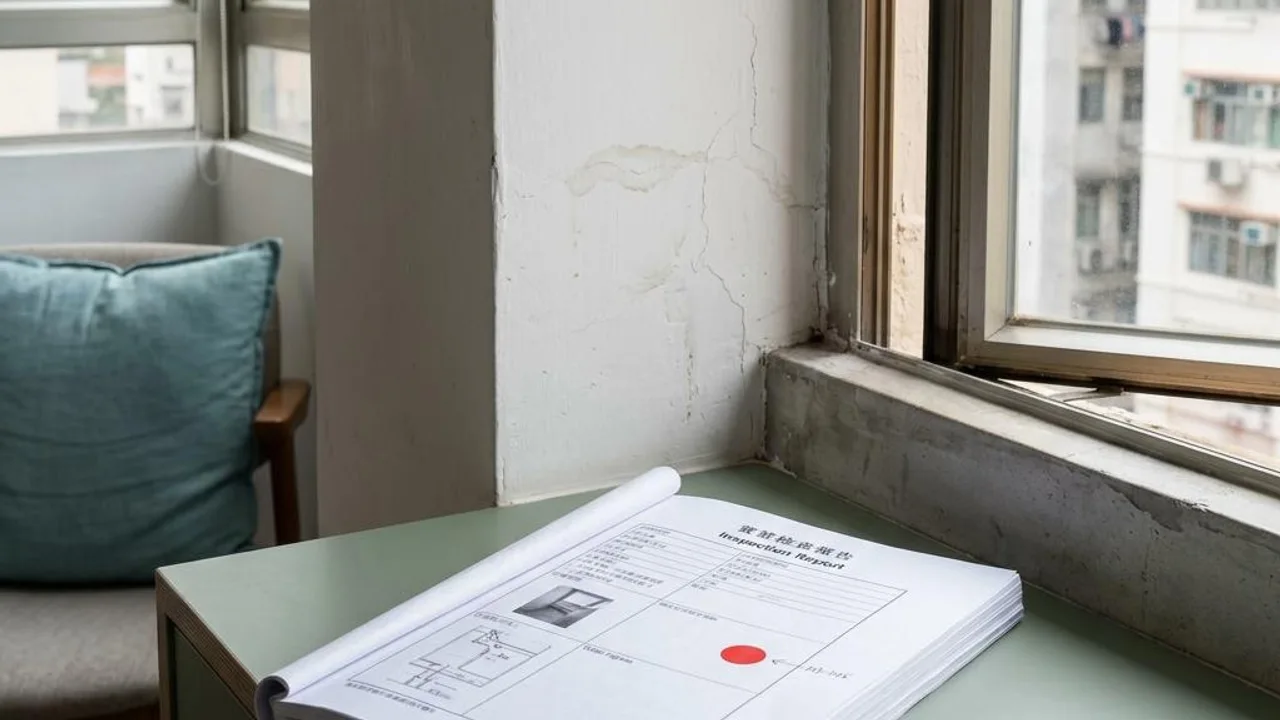
The property inspection report is not a guarantee of structural, electrical, or gas safety, nor can it detect concealed pipes, the thickness of the waterproof layer, remaining service life, or the effectiveness of repairs. Thermal imaging technology only reflects surface temperature distribution and cannot be used as absolute evidence of the cause of leakage or concealed structures. Various tools cannot guarantee the discovery of all concealed defects. Mandatory Window Inspection is a separate statutory procedure that must be performed by a qualified person registered with the Buildings Department and is not a daily inspection or a default service on this website. Professional matters should be referred to qualified persons for handling; a general inspection is not statutory safety certification.
Owners should not perform electrical tests, disassemble components, adjust water pressure valves, climb roofs, or work outside windows themselves. It is recommended to distinguish between serious safety hazards and local aesthetic issues with a rational attitude; the former must be repaired, while the latter can be assessed flexibly to ensure quality of living and smoothly complete the handover procedure.
- Prioritize dealing with structural problems that affect living safety
- Distinguish between visual aesthetics and functional maintenance needs
- Negotiate with the developer based on professional data
Follow-up procedures and precautions after the property inspection report
After receiving the electronic property inspection report, owners should note that the report does not include photos taken on-site. It is recommended that owners take their own video/image records during the property inspection for subsequent comparison. Generally, the electronic report will be issued on the next working day after the inspection.
If the developer has completed the initial defect rectification and the owner has questions about the results, they can consider booking a professional for a reinspection. Reinspection is an independent professional service and is not an item automatically included with the original property inspection report; it needs to be arranged independently according to actual needs.
- Record photos of the property inspection process for subsequent comparison
- The issuance time for the electronic report is the next working day
- Reinspection services need to be booked independently as needed
FAQs
If a water leakage problem is discovered after receiving the property inspection report, how should the owner handle it?
The owner should first confirm the water seepage location and moisture readings recorded in the report. Since water seepage may affect the steel structure and walls, the report should be submitted to the developer as soon as possible, requiring them to investigate and repair the root cause of the seepage, rather than just performing surface repairs.
Do all hollow tiles mentioned in the property inspection report need to be replaced?
Not all hollow tiles need to be replaced. It is recommended to prioritize handling hollow tiles in frequently stressed locations such as the floor to prevent bursting due to long-term foot traffic. If it is a non-load-bearing wall and the range of the hollow tile is small, it can be assessed based on the actual situation whether repair is needed, so as to avoid risks caused by excessive renovation.
Does the electronic property inspection report include on-site photos? Do I need to take photos myself?
The electronic property inspection report does not include photos. To facilitate the owner's future comparison of rectification, it is recommended that the owner take their own photos and videos during the property inspection based on the problems discovered, so as to provide a reference for comparison when making rectification requests to the developer.