Understanding the significance of disclaimer clauses in property inspection reports
When homeowners receive a property inspection report, they are often drawn to the disclaimer clauses within it. This document is not meant to evade responsibility but to clearly define the inspector's professional scope and authority. Legally, the disclaimer clarifies the distinction between inspected items and those outside the inspection scope, ensuring that both parties reach a consensus on service agreements.
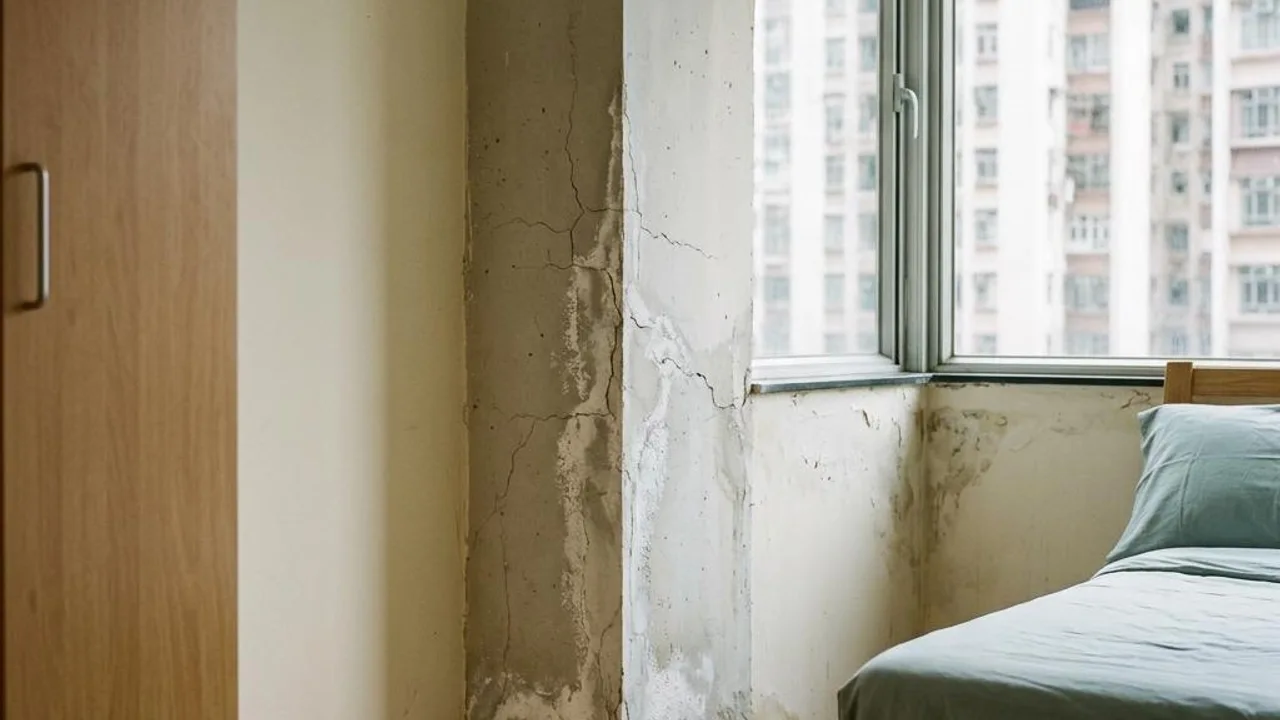
For homeowners, understanding the disclaimer helps in adjusting expectations for the property inspection report. The content reflects the property condition at the specific moment of inspection and within visual reach. As property inspection is a non-invasive process, hidden areas such as inside walls, behind decorative finishes, or obstructed by furniture are generally within the scope of the disclaimer.
- Defining the inspector's scope of service
- Explaining force majeure and unforeseeable issues
- Defining the limitations during the inspection process
- Establishing legal protection for professional services
Coverage and structure of disclaimer clauses
The disclaimer clauses of the property inspection report list service limitations. Since the inspector does not perform destructive disassembly, utilities hidden within floor finishes or drywall, the thickness of waterproofing layers, or structural conditions are not covered by the report if there are no visible signs of issues. Thermal imaging only displays surface temperature distribution and cannot be considered as proof of the cause of water leakage or the condition of hidden structures. Such inspections do not guarantee building structure, electricity, gas safety, or legal compliance. Regarding the Mandatory Window Inspection Scheme, it must be performed by a qualified person registered with the Buildings Department and is an independent statutory procedure.
Homeowners should avoid disassembling electrical installations, adjusting water pressure valves, or accessing high-risk areas like rooftops or windows from the outside themselves. If issues involve professional fields, consult a registered engineer or relevant practicing professional.
Additionally, the report usually emphasizes that accuracy is limited to the moment of inspection. This means that damage, natural wear and tear, or facility failures caused by environmental changes occurring after the inspection are not the responsibility of the initial property inspection report. This structure is intended to protect all parties and refocus on visible quality issues.
- Technical limitations of non-destructive testing
- General non-destructive property inspection records only cover visible areas. The inspection service cannot guarantee the safety of structures, electricity, or gas systems, nor can it confirm legal compliance, the condition of hidden pipes, the thickness of waterproofing layers, remaining service life, or the effectiveness of repairs. Thermal imaging cameras only reflect surface temperature distribution and cannot be directly regarded as a conclusion for water seepage causes or hidden structural issues; the use of tools does not guarantee that all hidden defects will be revealed. This website does not provide any warranty or absolute data standards, nor does it represent that specific licenses have been obtained. The Mandatory Window Inspection Scheme is an independent statutory procedure that must be performed by a qualified person registered with the Buildings Department and is not a necessary item of this property inspection service. For professional technical issues, homeowners should consult relevant qualified experts; this report cannot cover all safety certifications. Homeowners should not perform electrical tests, disassemble fixed installations, adjust water pressure valves, or climb roofs or windows from the outside themselves. Please store relevant records properly for future follow-up reference.
- Time limitations: Statement on report validity
- Disclaimer regarding environmental changes after renovation
Correctly viewing the scope and limitations of the inspection
Professional property inspection involves testing through professional equipment and visual observation, but it cannot guarantee structural, electrical, or gas safety, compliance, hidden pipe conditions, or waterproofing layer thickness, nor can it predict repair efficacy or remaining lifespan. Thermal imaging only shows surface temperature differences and is not absolute evidence of water seepage causes or hidden structures. Mandatory window inspection is an independent statutory procedure performed by persons registered with the Buildings Department and is not part of this property inspection process. Expert advice is for reference only and does not represent a certification of all safety conditions. Homeowners must not disassemble electrical installations, adjust water pressure valves, or climb roofs or windows from the outside themselves.
All inspection results are limited by the scope of inspection and are not a promise that the property is completely flawless.
Homeowners should understand that issues not mentioned in the report are not equivalent to being perfectly normal; they may simply lack objective signs at the time. This is why we suggest homeowners keep observing the property after taking possession for any suspected defects, and if in doubt, consult a professional contractor for a more in-depth inspection.
- Identifying key deviations in the report
- Recognizing the limitations of visual inspection
- Disclaimer in property inspection reports and homeowners' rights: General non-destructive home inspections only record visible conditions and cannot certify structural, electrical, or gas safety, compliance, hidden pipe conditions, waterproofing layer thickness, remaining service life, or repair effectiveness. Infrared thermal imaging only reflects surface temperature distribution and cannot be directly viewed as evidence of water seepage causes or hidden structures. Please do not view any inspection tool as a guarantee that can absolutely discover hidden defects. Statutory window inspection is a specific procedure that must be carried out by a qualified person registered with the Buildings Department and is not within the scope of general home inspections. Issues involving professional fields should be consulted with relevant qualified specialists, and this service does not guarantee coverage of all safety tests. Homeowners are requested not to attempt to perform electrical tests, disassemble fixed installations, adjust water pressure valves, climb roofs, or lean out of windows. Relevant inspections are for observation and record-keeping purposes only and do not have legal warranty functions.
- Taking follow-up inspection measures for suspected issues
How to use disclaimer clauses to protect yourself
Facing disclaimer clauses, homeowners should not feel panicked or resistant. On the contrary, this is an opportunity for you to communicate with the inspector. After receiving the report, if you have any questions about the terms, you should communicate directly with the inspector. By asking about their inspection logic, you can better understand which areas are the focus of the inspection, thereby making correct renovation or maintenance decisions.
Additionally, if you have deep concerns about the legal liabilities involved in the disclaimer, you may appropriately seek professional legal advice. However, a more direct approach is to cooperate with the inspector for on-site inspection on the day of taking possession of the property. Through face-to-face communication, you can better understand the background of each issue in the report, thereby enhancing the value of the property inspection.
- Proactively read and ask questions about the details of the terms
- Using communication to clarify the inspection scope
- Rationally planning subsequent maintenance and follow-up
- Combining on-site observations to record issues
Electronic report explanation and follow-up mechanism
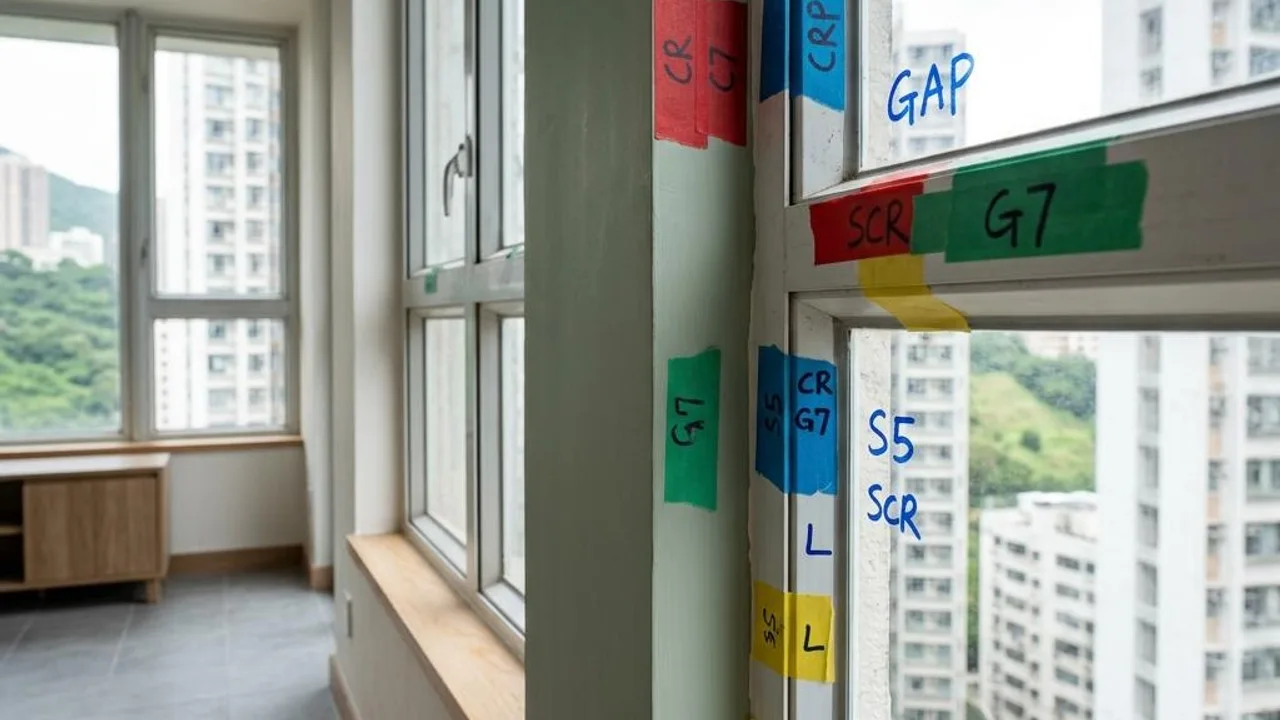
After the inspection is completed, the electronic property inspection report is usually sent to the homeowner on the next working day. It should be noted that this standard report does not include photos. If homeowners have a need, it is recommended to record the locations and conditions of relevant defects themselves while accompanying the inspector during the on-site inspection to facilitate future verification and maintenance planning.
- Electronic reports are usually issued on the next working day
- Electronic reports do not include photos
- Homeowners are advised to take their own photos and records on-site
- Reinspection service is an independently requested item
Summary: Property inspection reports as decision-making tools
In summary, the property inspection report and its disclaimer are important reference materials in the property buying and selling process. By understanding their legal significance and practical limitations, homeowners can more comprehensively assess the property status rather than relying solely on a single report as the only basis for all decisions.
Taking possession of a property is an important part of home buying. We suggest you view the inspection report as a blueprint to help you focus on the key areas during renovation or repairs. Once you understand the professional scope protected by the disclaimer, you will better know how to effectively utilize this information to protect your property's value.
- This report is intended as a maintenance reference guide and is not a warranty of the property's condition. General non-destructive property inspection only records conditions within visible range and cannot provide guarantees for structure, electricity, gas safety, legal compliance, hidden pipes, waterproofing layer thickness, remaining service life, or repair effectiveness. Infrared thermal imaging only displays surface temperature distribution and cannot be directly used as a conclusion for water leakage causes or hidden structural issues. Never view relevant tools as equipment that absolutely detects hidden defects. Do not make any guarantees, unproven data accuracy statements, or pass off professional qualifications. Mandatory window inspection is an independent statutory procedure that must be executed by registered inspectors of the Buildings Department and is not included in the general scope of property inspection services. When involving professional technical or safety issues, please consult relevant professionals. Homeowners must not attempt electrical testing, disassembling fixed installations, adjusting water pressure valves, climbing onto rooftops, or touching external wall windows themselves. Please store inspection records properly and arrange follow-ups according to the recommendations. All report contents are based on observations and have limitations, and are not absolute conclusions.
- Continuously monitor the long-term condition of the property
- Actively participate in the inspection process
- Maintain good communication with the professional team
FAQs
If the disclaimer in the property inspection report states that they are not responsible for hidden seepage, what should I do?
The disclaimer reflects the limitations of non-invasive inspection. If you suspect a risk of seepage, it is recommended to observe for a period after taking possession, or consult a professional contractor for targeted measurements and inspections during the renovation period.
The electronic property inspection report has no photos; how should I record defects?
Given that the electronic report does not include photos, homeowners should take the initiative to photograph and mark defects while accompanying the inspection on-site; this will become important evidence for your follow-up with the developer or when formulating maintenance plans later.
If I find that the report content is wrong, can I request an immediate free re-inspection?
Re-inspection after the initial property inspection is usually considered an independent service, rather than automatically included in the initial inspection. If you have questions about the report's terms or content, you should first inquire through customer service and confirm the arrangements for re-inspection.