Understand the market positioning and inspection standards of nano-flats
Nano-flats generally refer to units with an area of less than 200 square feet. The original design intention is to integrate living and bathroom areas through high-efficiency layouts to meet housing needs under urban land shortages. Although the unit area is small, it must strictly comply with current building regulations in terms of building structure, fire safety, and facilities and equipment, exactly matching the statutory requirements of general residential units.
When taking possession of a unit, owners should not lower inspection standards simply because the space is limited. In fact, due to the higher density of internal facilities in nano-flats, the requirements for construction quality and precision are even more rigorous. Every use of space is based on the stability of the main building structure; therefore, the inspection must be comprehensive and meticulous.
- Nano-flats are regulated by the same current building and fire safety ordinances as larger units
- Interior design must highly integrate basic living functions within a limited space
- Inspection quality should not be compromised due to small space
Design differences between nano-flats and general residential units
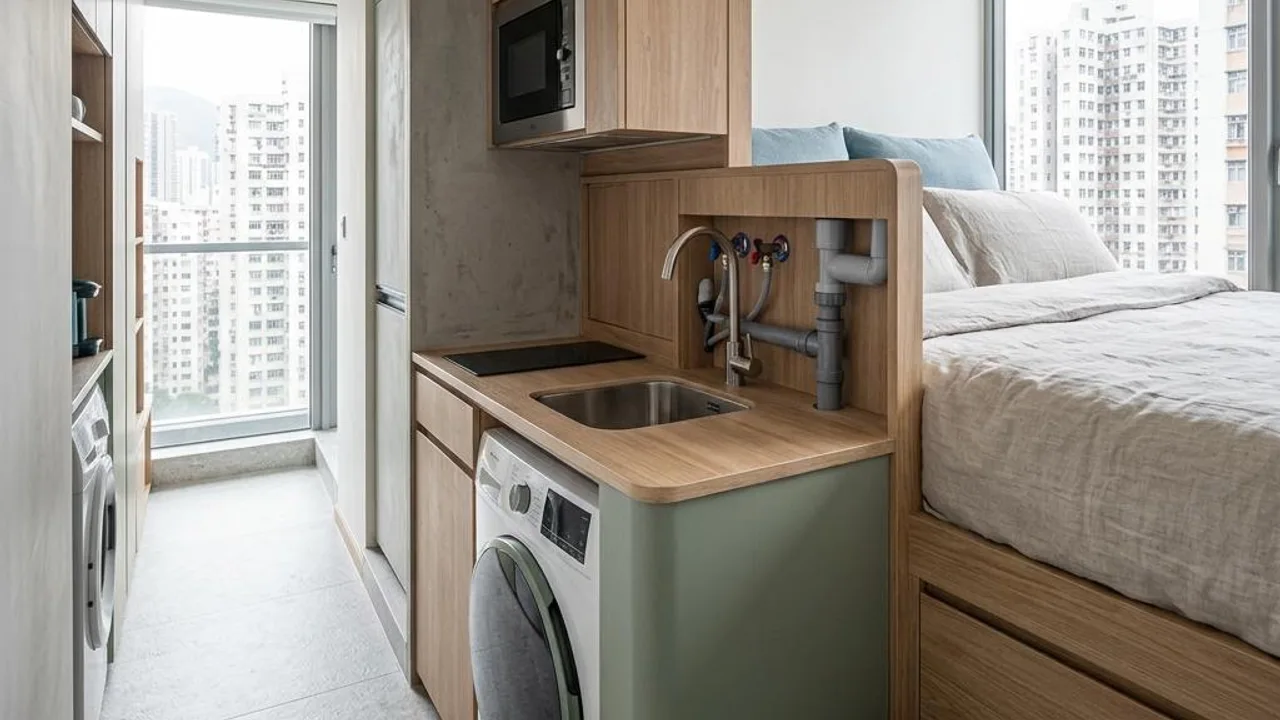
The physical area of nano-flats is constrained, so their core interior design lies in enhancing practicality and flexibility within limited space through multi-functional furniture and hidden storage. By comparison, the floor plans of general residential units are more spacious, and the interior layout can accommodate more traditional furniture and living partitions, with more relaxed requirements for spatial flow management.
When examining these two types of units, although there is no fundamental difference in inspection priorities such as wall flatness, floor hollowness, water and electricity operations, and window opening/closing, the compact layout of nano-flats means that any minor installation defect could directly affect the living experience. Therefore, more attention must be paid when checking cabinet door operations or furniture clearances.
- Differences in physical area lead to different flow designs and furniture choices
- Nano-flats focus on multi-functional furniture, whereas general residential units have spacious spatial layouts
- Core inspection requirements are consistent, but installation defects in nano-flats have a more direct impact on daily life
Assessment of Nano-living and Living Quality
Living in a nano-flat requires owners to adopt a more minimalist lifestyle; space utilisation and functional overlapping become core issues. When inspecting, owners should consider the storage space planning within the unit, evaluate whether it can effectively accommodate daily necessities, and note how the shared facilities provided by the project supplement the limitations of private space.
Ventilation and natural light are important factors in improving living comfort. During property inspection, one should specifically check whether the cooling capacity of the air conditioner is sufficient to cover the space, and confirm the window positions and the smoothness of their operation. A reasonable design layout not only affects sensory space but also directly determines the air circulation and living quality of the environment.
- A minimalist lifestyle and efficient storage are the core of living
- Make good use of shared facilities to compensate for the lack of private space
- Prioritise the actual performance of ventilation and lighting equipment during property inspection
Core Property Inspection Checklist for Nano-flats
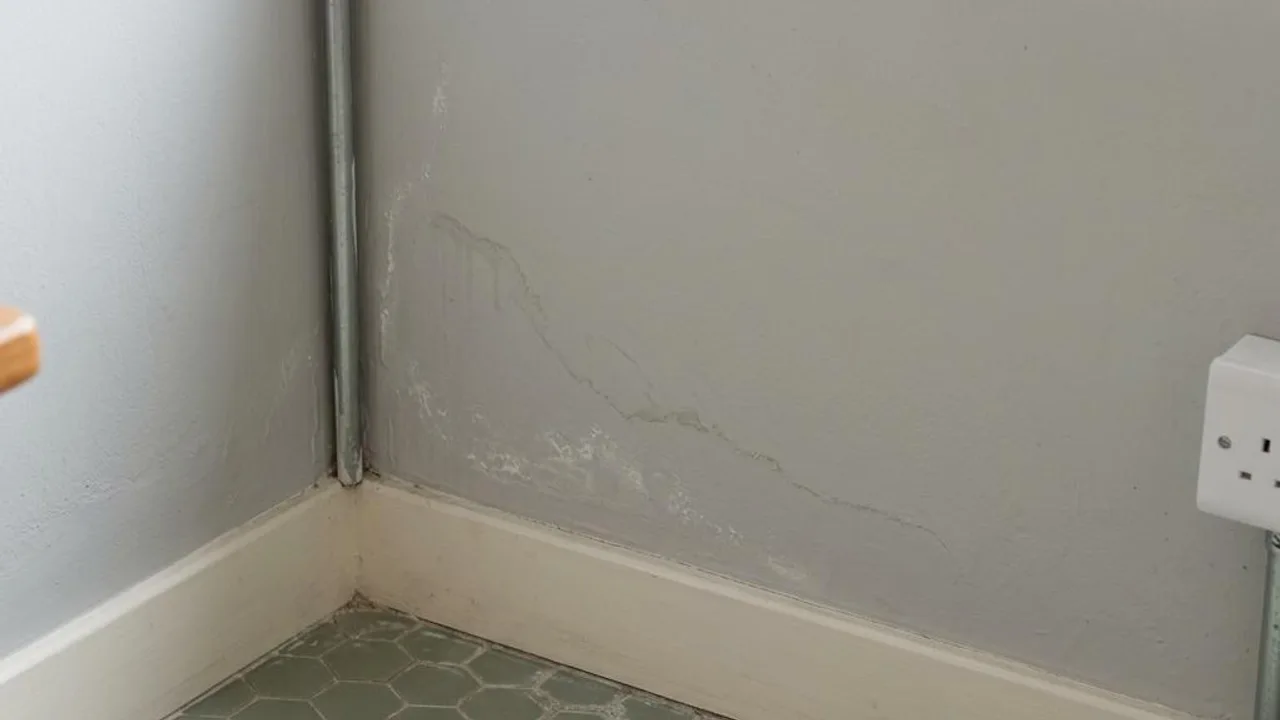
Property inspection prioritises structural safety, including checks for abnormal cracks in walls, floor hollowness, and potential ceiling water seepage. For nano-flats, due to the extremely high density of water and electrical installations, all power sockets, light switch positions, and water pipe leak tests must be conducted meticulously. Inspectors must ensure that they can accurately assess the installation status of various concealed areas even within a confined environment.
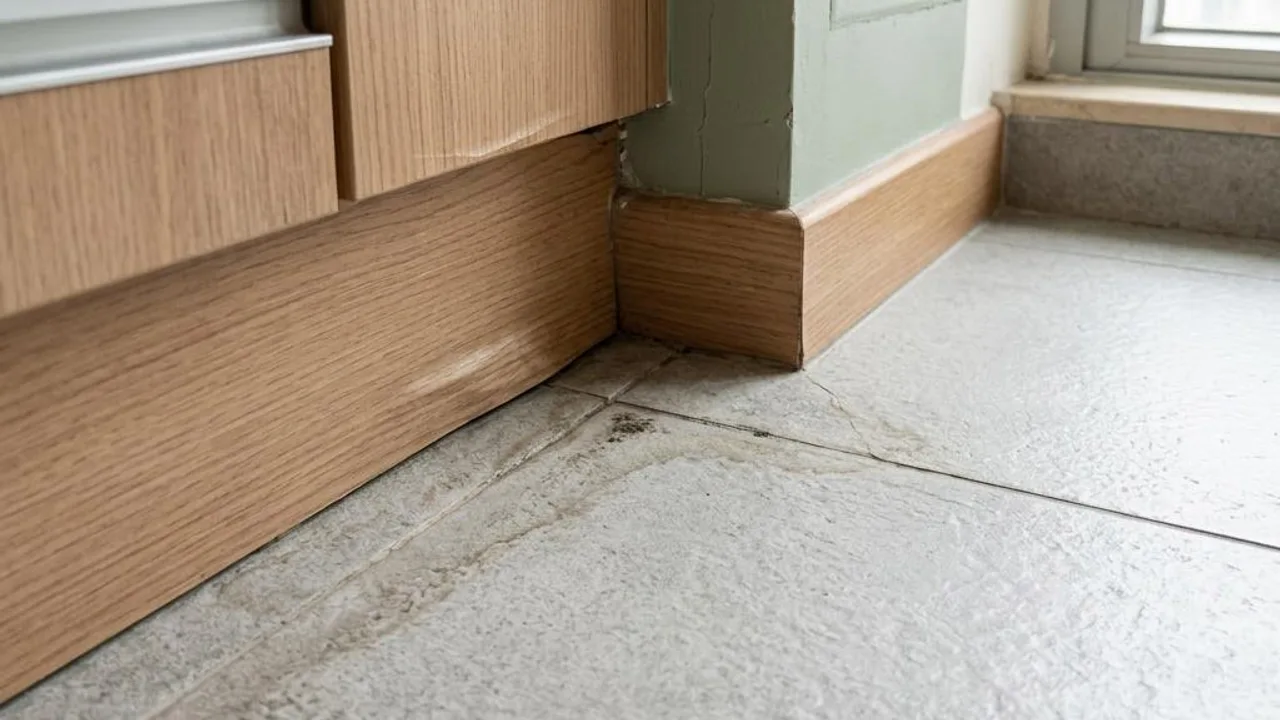
Beyond the structure, when reviewing spatial application, one should confirm the precision of the installation of furniture and cabinetry. Whether all cabinet doors open and close smoothly, and whether the kitchen ventilation system and smoke extraction facilities are operating normally, are all key items. A good geographic location is certainly important, but the installation efficiency of the internal details of the unit is the final criterion for determining the actual quality of living.
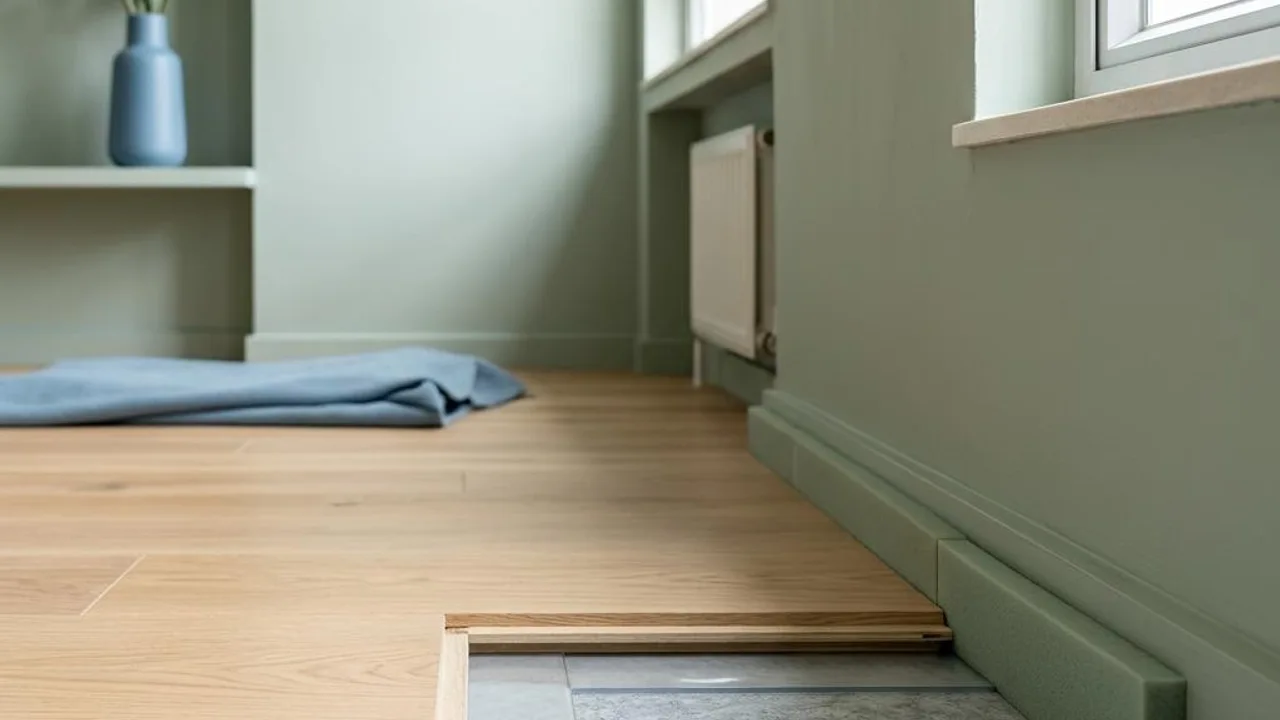
- Check for wall flatness, floor hollowness, and any abnormalities in the ceiling
- Meticulously test the entire unit's water and electricity circuits and air conditioning operating efficiency
- Assess the cabinet installation precision and the operation of the kitchen ventilation system
Inspection Procedures and Professional Advice
Regarding the handover process, it is recommended that owners plan in advance and arrange inspection time slots based on the actual situation. When performing all inspection items, strict adherence to on-site safety guidelines is required to ensure that the assessment is completed without damaging the building structure. For units with complex spatial configurations, it is recommended to reserve sufficient time to check various types of hidden facilities.
If any doubts regarding installation or facility operation are discovered during the testing process, owners should record them in detail and submit repair requests to the developer or the responsible party. For non-professional owners, if they encounter structural or electrical issues that they cannot judge themselves, they should hire qualified professionals for an in-depth assessment; do not attempt inappropriate tests or adjustments themselves.
- Plan the handover process and inspection schedule in advance
- Follow safety guidelines to avoid causing damage to the building structure
- Consult professionals when encountering technical issues that cannot be determined
FAQs
When inspecting a nano-flat, should there be different standards for wall flatness?
Standards should not be lowered. Regardless of the size of the unit, the building must meet the corresponding construction quality requirements. Wall flatness is an important item for assessing building craftsmanship. Because nano-flats have narrow spaces, any construction deviation may affect cabinet placement and renovation; they should be treated as rigorously as general residential units.
What are the special aspects of water and electricity inspection for nano-flats?
The installation density of water and electricity in nano-flats is usually higher, and lines and water pipes are configured more compactly within the limited space. During inspection, it is necessary to pay special attention to whether the connections of all sockets are secure and whether the water pipe joints are clear and show no signs of leakage, to avoid overlooking installation details in concealed areas due to the narrow space.
If it is discovered that the windows of a nano-flat are not opening or closing smoothly, how should it be handled?
Stiff window operation affects daily ventilation. Owners should check whether it is caused by an uneven window frame installation or obstructed hinges, and record the relevant issues in detail in the property inspection checklist. Subsequently, request the developer to arrange for engineering personnel to inspect and adjust it to ensure the opening and closing functions return to normal. Owners are strictly prohibited from performing any dismantling tests themselves.