Key significance of entrance hall inspection
As the entrance to the unit, the entrance hall is the facade of the residence. Its decoration and construction quality directly reflect the overall delivery standard of the unit. Inspecting the entrance hall carefully during property inspection not only assesses construction craftsmanship but also helps to discover spatial hidden hazards early, avoiding problems like water leakage or functional defects after property handover.
A functional entrance hall is extremely important for a resident's daily life. Besides its basic buffering effect, it also carries storage and transition functions. Ensuring the floor is level, the partitions are reasonable, and the hardware functions normally allows you to enjoy a smooth living circulation from the beginning of move-in.
- Establish the first impression of the unit
- Evaluate the quality of decoration construction
- Safeguard daily storage functions
- Confirm the environmental transition space
Entrance hall floor and structural inspection
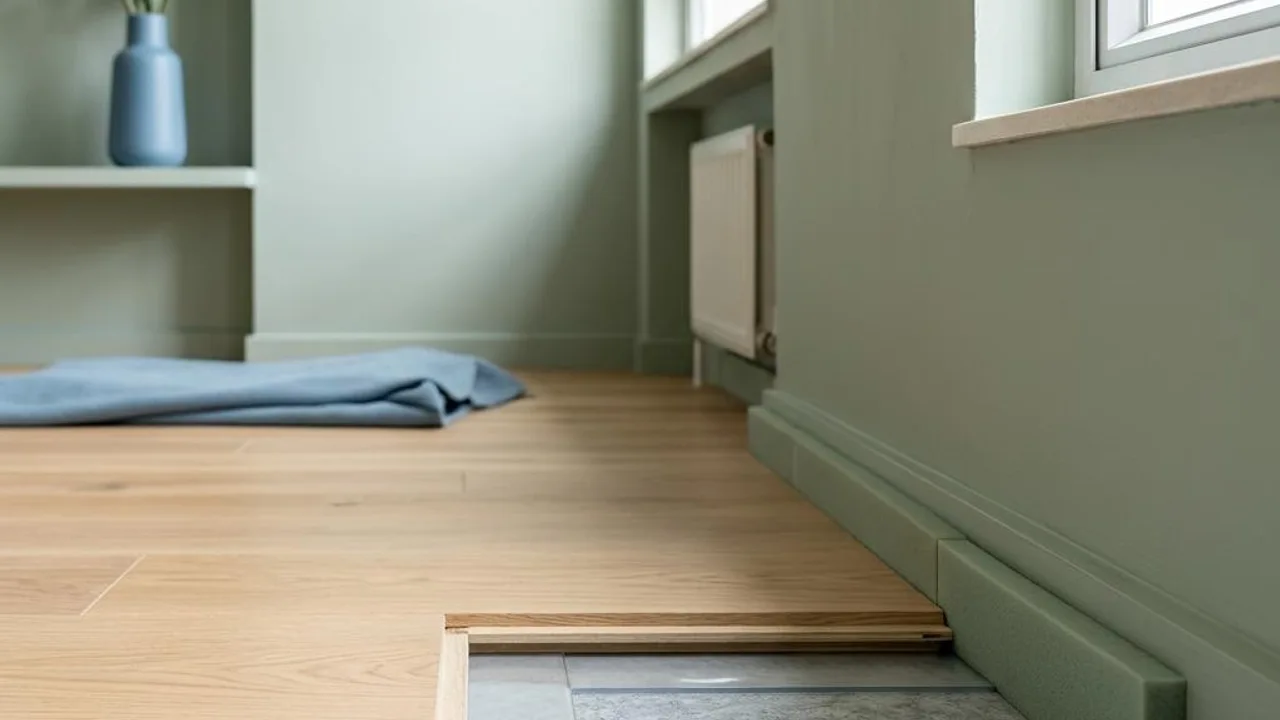
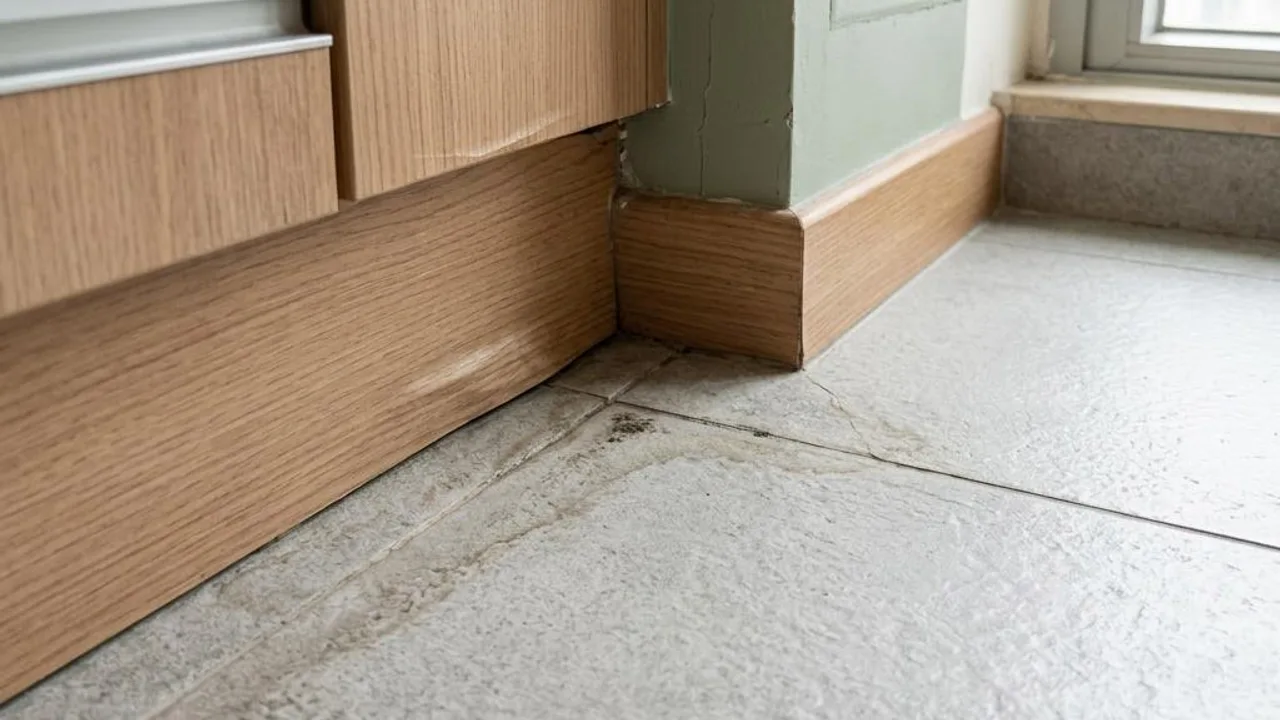
The focus of floor inspection is on flatness and the tiling situation of materials. Check for hollowness, cracks, or excessive gaps in ceramic tiles or skirting boards, especially at the interface position of the entrance threshold; confirm whether they are tight. If there is sanding or surface damage, it should be recorded immediately to request follow-up.
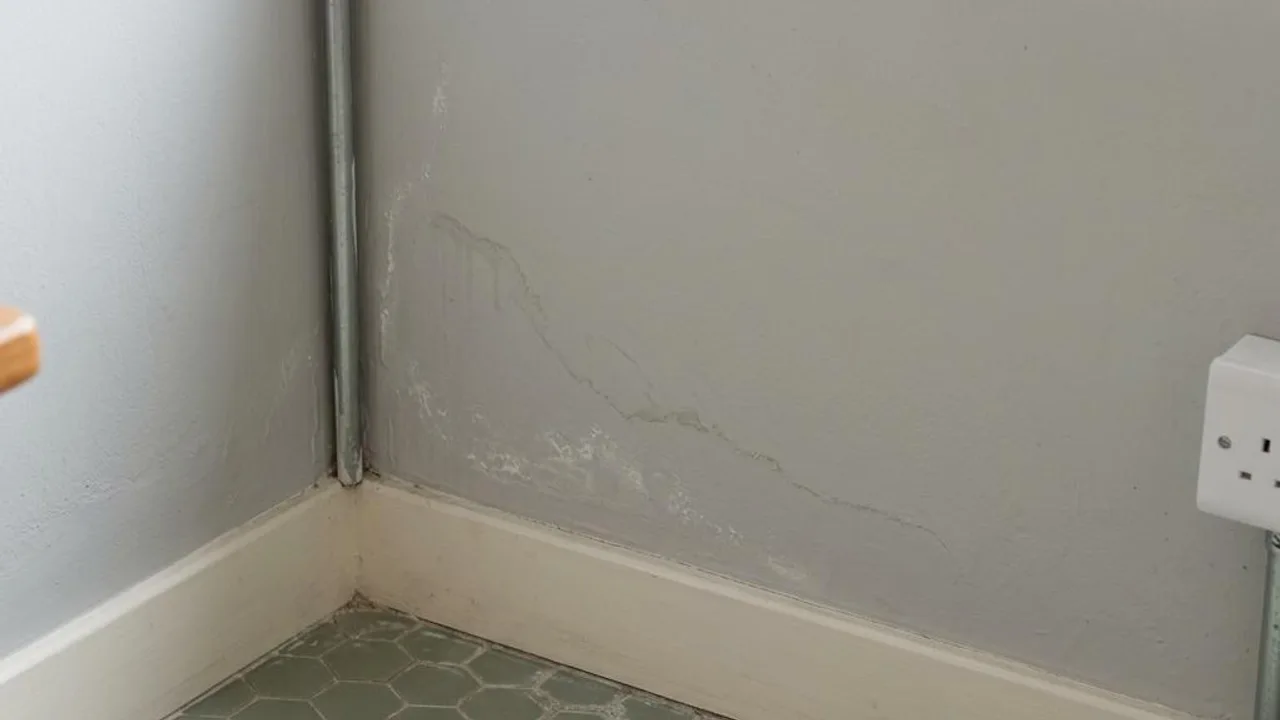
Regarding structure, observe whether there is hollowness, cracks, or finish peeling on the walls. Check whether the connection position between the base of the wall and the floor is tight to avoid water accumulation or dust gathering. Also note whether there is obvious colour difference, bubbles, or marks left by construction in the wall paint.
- Check floor tiles for hollowness
- Confirm that skirting boards are laid tightly
- Check walls for cracks
- Verify whether there are blemishes on the finish
Door hardware and door lock functionality
The main door is the core equipment of the entrance hall. Check whether opening and closing the door is smooth, and whether there is any friction with the floor or door frame. Ensure the sealing strip fits tightly with the door frame when closed, with no obvious light leaking through, and check the operation of the peephole, doorbell, and door lock to ensure all parts are free of corrosion.
The stability of hardware, including door hinges and handles, cannot be ignored. The door lock should ensure the tongue is accurately in place when locked, and it should be easy to open and close. If the door lock is too tight or too loose, it is abnormal, and repair requests must be raised immediately.
- Test the flexibility of door opening and closing
- Check the integrity of sealing strips
- Confirm the door lock operates smoothly
- Check if door hinges are secure
Electrical systems and lighting facilities
Electrical checks for the entrance hall include power sockets, light switches, and lighting brightness. It is necessary to ensure that all sockets are wired correctly with no signs of looseness. Use a voltage tester to check that sockets are live, check that light switches are responsive, and ensure that light fixtures are installed securely and are free from damage.
If the entrance hall is equipped with sensor lights or complex lighting systems, be sure to test the sensitivity of each sensor and the coverage of the lighting. At the same time, pay attention to whether the electrical wiring is tidy to avoid exposure, and ensure there is no overloading or non-compliant installation.
- Test all power sockets
- Check installation of lighting fixtures
- Confirm light switch responsiveness
- Observe electrical wiring layout
Storage furniture and spatial details
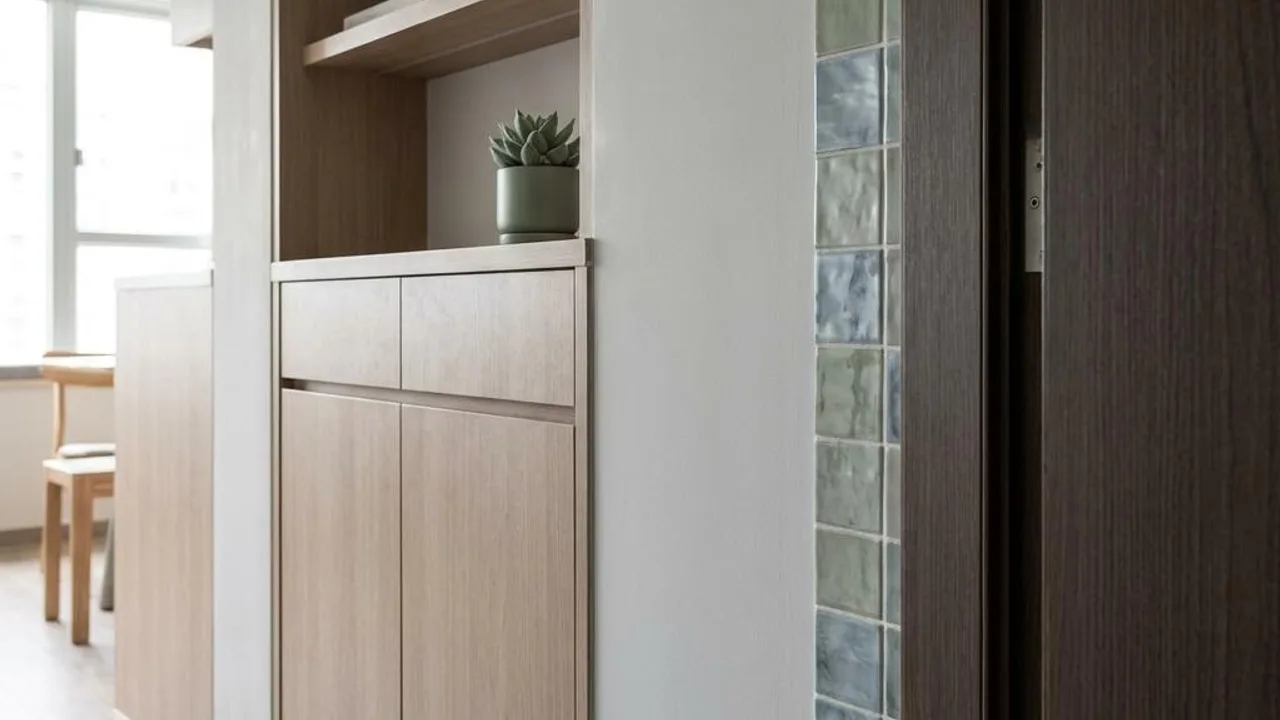
If the unit includes an entrance cabinet, check the door hinges and drawer runners one by one. Ensure that cabinet doors do not collide or jam when opening and closing, and that drawers slide smoothly. Also, check that shelves inside the cabinet are stable and that the finishes are free from scratches or dents, as these are often overlooked areas during property inspection.
Auxiliary facilities such as mirrors and racks should also be included in the list. Check if the fixing screws are tight and if the mirror surface has water marks, bubbles, or damage. Ensure that all installations do not obstruct daily movement in the entrance hall to keep the passageway clear.
- Check smoothness of cabinet door hinges
- Test drawer sliding performance
- Confirm shelf installation is secure
- Check for scratches on finishes
Follow-up handling of entrance hall inspection
When the above issues are found, details should first be recorded with photographic equipment and marked on the inspection list. Owners may request the developer to arrange for engineering personnel to review the issues and discuss remedial solutions. For concerns involving structural or electrical facilities, professional advice from relevant registered engineering personnel should be sought.
If the problem is serious or there are reservations about the assessment results, consider reserving sufficient time to arrange for repairs and reinspection. After all repair work is completed, double-check that the area has returned to normal operation and that no additional construction debris has been left behind.
- Record the location of defects in detail
- Request repairs and schedule a reinspection
- Consult professional advice
- Verify results after repairs
FAQs
During the entrance hall inspection, fine cracks were found on the wall. Are these considered a serious problem?
Fine cracks are common in paint or plaster layers and are usually not directly related to structural safety. Owners should record the location and observe if there are signs of continued expansion or seepage. It is recommended to report this to the developer and request repairs. If the cracks are too large or too deep, you should consult engineering personnel for an inspection.
If the door lock is not operating smoothly during inspection, how should this be handled?
A door lock not operating smoothly may involve door hinge alignment, latch misalignment, or aging hardware components. Owners should not attempt to repair it themselves to avoid damaging the parts, but should immediately report it to the property management office or developer and request that a professional locksmith or engineering personnel arrange for adjustment or replacement.
The entrance hall socket has no power; can I dismantle it myself to check the wiring?
Absolutely not. Dismantling electrical switches or sockets yourself involves electrical safety risks and may even violate the decoration terms of the unit. If you find a socket has no power, it should be noted on the property inspection list and a professional registered electrical contractor should be requested to perform a comprehensive inspection and repair.