Why is it necessary to inspect the roof waterproofing layer?
The roof is located at the top of a building and is exposed to extreme weather and ultraviolet light for long periods, making the waterproofing layer prone to aging or damage over time. Once the waterproof function fails, rainwater will penetrate into the building structure, causing severe structural hidden dangers such as steel reinforcement corrosion and ceiling spalling, or even leading to irreversible, long-term damage.
Beyond structural aspects, seepage problems also cause long-term indoor dampness, leading to mold growth on walls, which poses a threat to the respiratory health of occupants. If moisture penetrates into cable conduits or switch positions, it may even trigger short circuits and electrical fire risks; therefore, regular inspection of the integrity of the waterproofing layer is an important line of defense for property safety.
- Regular inspection to prevent structural corrosion and cracks
- Preventing moisture from entering the interior to reduce mold growth
- Reducing the risk of electrical short circuits and fires
- Extending the overall service life of the building
Observations and signs of roof waterproofing layer failure
During daily maintenance, owners can observe whether there are obvious cracks, foam blistering, or severe peeling of the waterproof coating on the roof surface. These signs are often the result of waterproof materials losing their elasticity and adhesion after long-term thermal expansion, contraction, and UV exposure, making them susceptible to ponding.
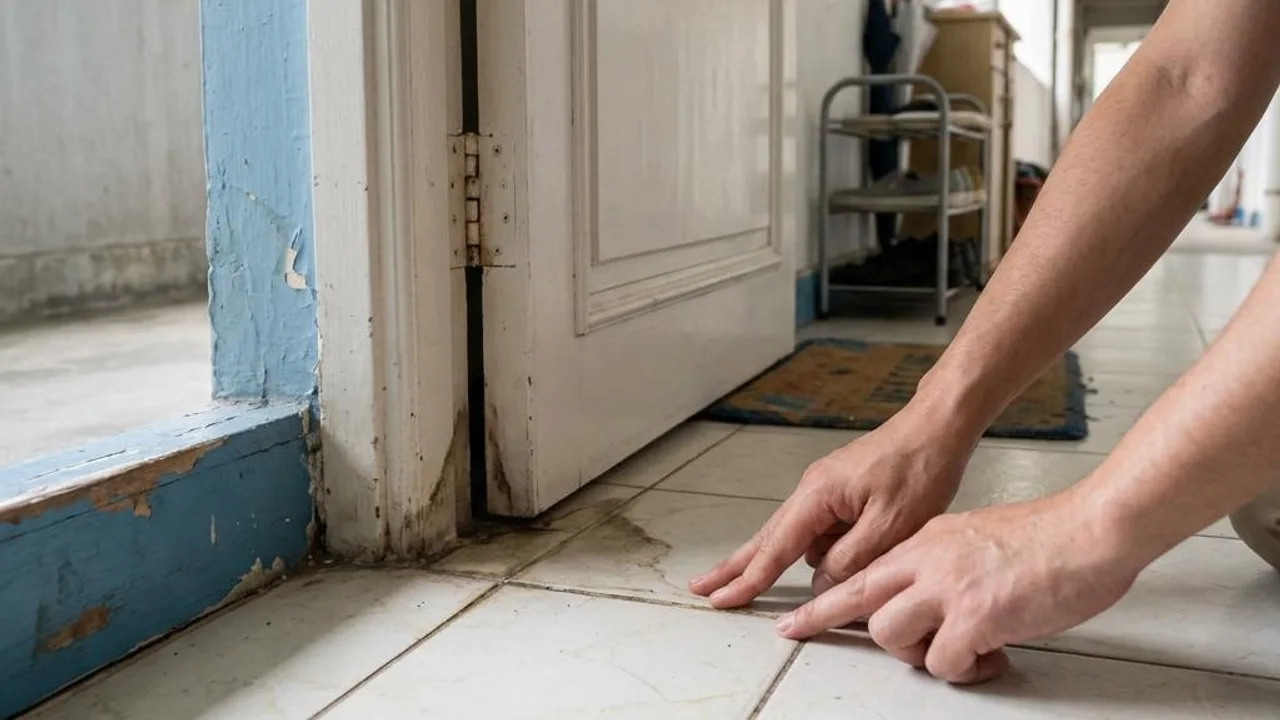
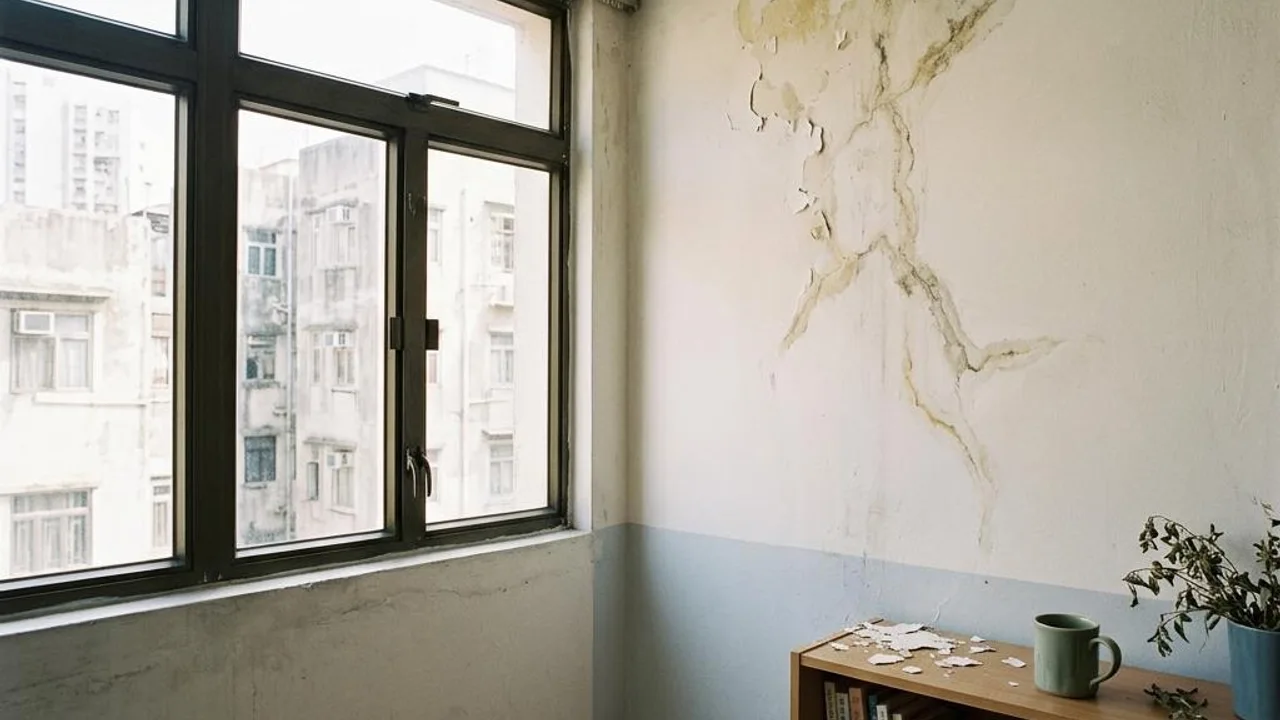
In addition, if water stains appear at the corners of the roof, or if there is paint blistering, discoloration, or mold spots on the top-floor indoor ceiling, you should also consider whether this is caused by a failure of the waterproofing layer. Owners should record in detail the locations and scope of these signs and contact a qualified professional for an in-depth assessment in a timely manner to prevent the seepage problem from worsening.
- Check if the waterproofing layer has cracks, bulges, or peeling
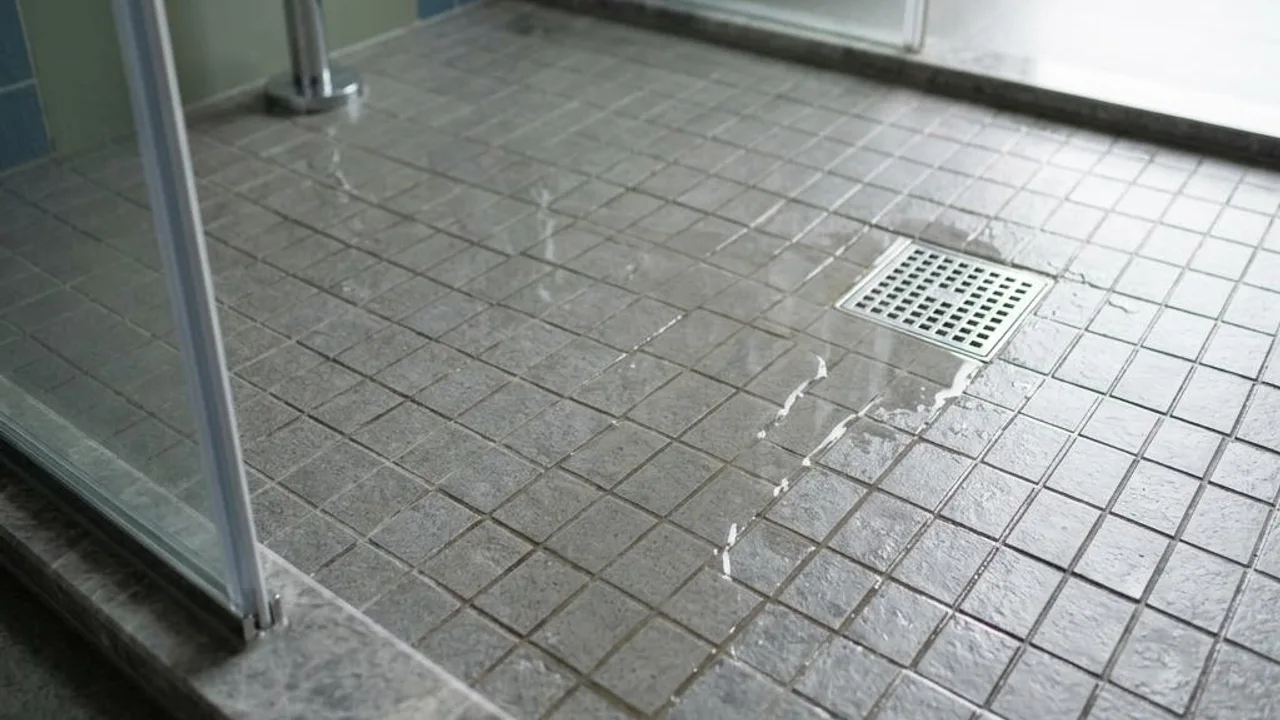
- Watch for ponding or dirt stains around roof drainage outlets
- Observe if indoor ceilings show paint blistering or mold
- Record traces of water seepage at corners or joints
Professional property inspection waterproofing test process
Professional waterproofing tests first involve a comprehensive inspection of the existing protective layer on the roof, focusing on whether there are signs of cracks, foam blistering, or aging and peeling of the waterproof material. At the same time, professionals will assess drainage facilities to confirm whether the rainwater discharge channels are unobstructed, avoiding accelerated wear of the waterproofing layer due to water accumulation.
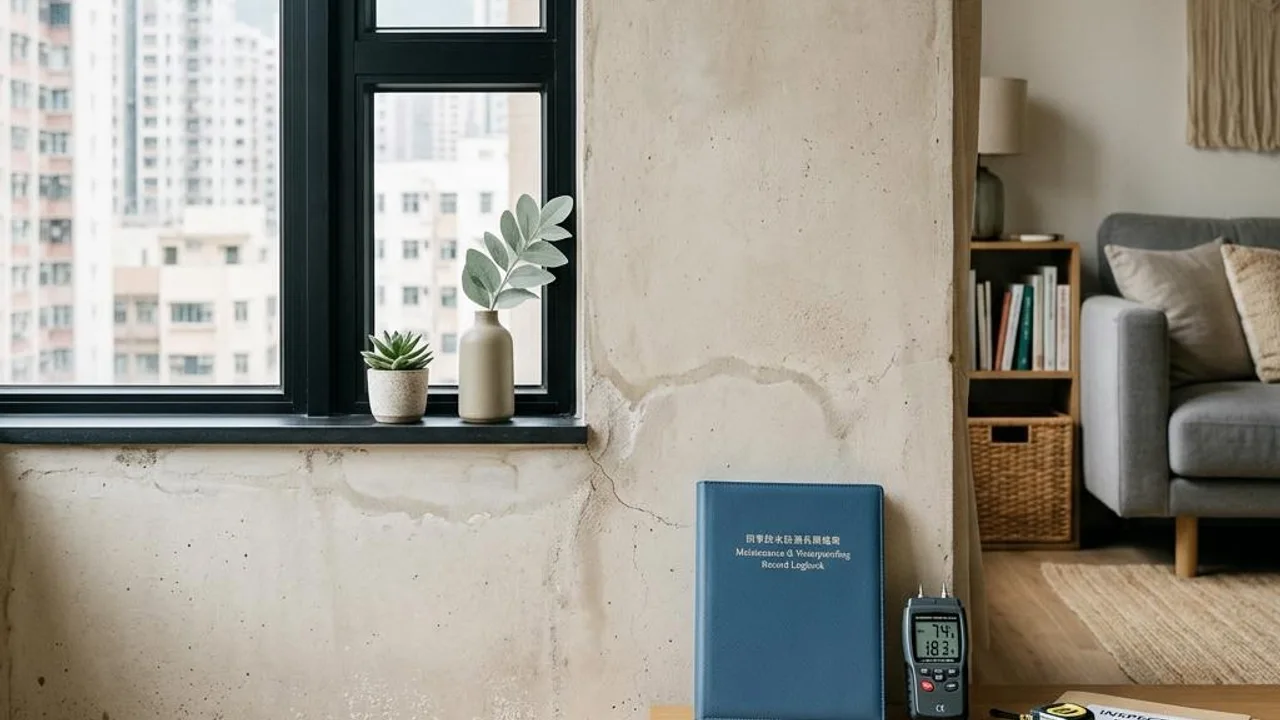
The testing process may also involve the use of relevant equipment to confirm suspected seepage points. Because water seepage paths are complex, visual observation may not necessarily determine the source of the leakage immediately. Inspection personnel will record the observations and evaluate whether a controlled spray or flow test is needed to locate the source of the leak and quantify its impact range.
- Comprehensive inspection of waterproof materials and joint conditions
- Assessment of drainage system flow and maintenance needs
- Use of professional tools for analysis and localization of seepage points
- Detailed recording of seepage conditions to facilitate targeted repairs
Core principles of waterproofing layer repair
Once testing confirms that the waterproofing layer has failed, a qualified contractor must be hired for repairs. Simple fillers often only treat the symptoms; long-term protection requires thorough cleaning of the aged layer and re-application of a compliant waterproof coating or material. Owners should ensure that the works comply with building safety standards to avoid subsequent secondary seepage.
Before carrying out any major repair work, it is necessary to confirm the scope of the work and whether the waterproof materials used are suitable for the roof environment. As waterproofing is professional construction work, please be sure to consult a licensed contractor and do not attempt simple DIY methods of applying sealant yourself, so as to avoid adverse effects due to uneven coating thickness or material incompatibility.
- Professional repairs must be carried out by a registered contractor
- Thoroughly remove old waterproofing layers to ensure the new layer adheres properly
- Use weather-resistant waterproof materials that comply with building specifications
- Conduct necessary water spray tests after the completion of works for verification
Considerations for choosing waterproofing inspection services
When choosing a waterproofing inspection service, one should not just compare quotations but prioritize the experience and qualifications of the professional team. Professionals should possess extensive building knowledge and be able to provide impartial inspection opinions for different types of roof structures. A reliable partner can help owners clearly grasp property risks and avoid blindly carrying out ineffective repairs.
When choosing an inspection service, owners should ask if the scope of the test includes the roof waterproofing layer and related drainage systems. Understanding how the inspector analyzes potential seepage sources and what form of record they provide helps the owner evaluate the utility of the test results, ensuring that repair work can be targeted effectively.
- Inspectors must possess relevant building knowledge and experience
- Evaluate whether the service content covers waterproofing layer inspection
- Understand the inspection analysis methods and result recording methods
- Ensure that professional services can provide objective risk assessments
Property owner's inspection essentials and follow-up
Property inspection is a professional task; it is suggested that owners accompany the inspectors throughout the process to communicate with professionals in real-time. If an abnormality is found in the waterproofing layer, you should immediately confirm the scope and severity of the seepage with the inspection personnel to make the correct repair negotiation and rights protection decisions during the process.
For the owner, the inspection report is an important reference document for assessing the condition of the roof. After receiving the report, you should carefully read the potential hazard points pointed out and consult a qualified contractor for solutions. Remember not to force on-site repairs; it should be handled by professional engineering personnel with relevant qualifications and safety assurance.
- Owners are advised to attend in person to understand the inspection progress
- Communicate abnormal conditions with inspection personnel in a timely manner
- Refer to test results for repair negotiations and decision-making
- Entrust subsequent works to qualified contractors
FAQs
If I find minor cracks in the roof waterproofing layer, can I buy waterproof glue to apply for a fix?
Self-handling is not recommended. The effectiveness of a waterproof coating is highly dependent on base surface cleaning, coating thickness, and material compatibility. If handled improperly, it may cause moisture to be trapped beneath the repair layer, accelerating the aging of the underlying structure. Please be sure to consult a registered contractor for professional assessment and treatment.
Does roof water accumulation necessarily mean that the waterproofing layer has failed?
Ponding does not necessarily equate to a failure of the waterproofing layer; it may also be caused by blocked drainage pipes or insufficient slope of the floor. Professional testing will prioritize evaluating the drainage system, and after excluding conduit factors, will then perform a check on the surface of the waterproofing layer to determine if seepage has occurred.
After the waterproofing repair is completed, how should the owner verify the work quality?
Owners should request the contractor to perform a water spray test according to building standards after the repair to observe if there is any water seepage. At the same time, check if the joints of the newly applied waterproof material are smooth and ensure all drainage outlets remain clear to avoid ponding due to omissions in subsequent procedures.