Hearing whistling even when windows are closed: Causes and physical mechanisms
Aluminium window draughts and leaks are common in Hong Kong residences, mainly due to the failure of window edge sealing components. When outdoor wind pressure is high, if the seal between the window sash and frame is not tight, air will be forcibly squeezed through tiny gaps, triggering annoying wind whistling noises and simultaneously causing rain to seep indoors.
Metal window frames and sashes are prone to increased tolerances after long-term wear from opening and closing. As the first line of defence, once rubber sealing strips are exposed to high temperatures or extreme environments for long periods, they lose elasticity and even harden and crack, leading to complete loss of sealing function, which is the primary cause of aluminium window draughts and leaks.
- Air pressure difference causes air friction, creating whistling sounds
- Metal tolerances between sash and frame increase due to wear
- Ageing of rubber sealing strips leads to a decrease in sealing force
- Leakage phenomena mostly appear during strong wind and rain weather
Airtight seal hardening: Visual and tactile self-inspection
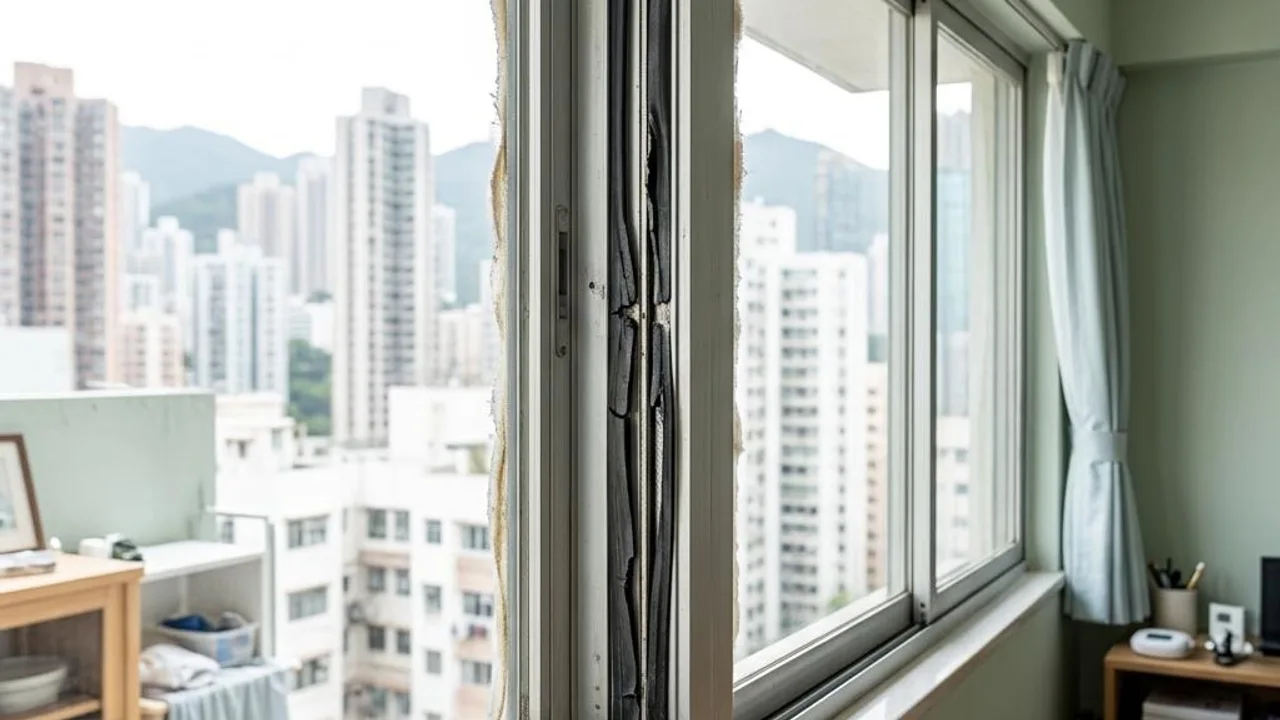
To determine whether aluminium windows have reached the maintenance period, residents can perform basic observations. In well-lit conditions, carefully inspect the rubber edges around the window sash. If the seals are found to be whitening, losing surface elasticity, or showing obvious cracks, it indicates that the rubber material has begun to oxidise and degrade.
Besides appearance, tactile pressure is also an important indicator. Normal seals should have appropriate softness and resilience. If the seals are as hard as plastic or cannot rebound after pressing, it means that part has lost its sealing function. Also, be sure to pay attention to the four corner joints, as these locations are most prone to shrinkage and gapping.
- Inspect if the seals have discolouration or cracks
- Press with fingertips to confirm if they can rebound
- Check if there are gaps at the four corner locations
- Observe if the seals have already detached from the frame grooves
Temporary relief plans: Home emergency windproofing measures
Before arranging for a craftsman to repair, residents can try to mitigate it through correct operation. First, check the aluminium window handle and locking points to ensure the sash is completely pulled tight by the lock after closing, increasing the pressure of the sash on the seals. This can temporarily fill gaps caused by minor ageing.
In addition, windproof and soundproof foam tape on the market can be used as a temporary remedial measure, applied at non-structural sealing locations. Remember not to use hard metal sheets or non-compliant materials to forcibly cram into window gaps, as this will cause irreversible damage to the aluminium window frame and even lead to window sagging or deformation, creating greater safety hazards.
- Ensure the window sash lock points are completely tightened and engaged
- Apply windproof foam tape at the gaps
- Strictly forbidden to use hard objects to forcibly cram aluminium window gaps
- Avoid causing structural damage to aluminium windows by forcefully jamming objects into them.
Daily maintenance guide: Extending seal life
Good maintenance habits can effectively slow down the degradation of aluminium window seals. Clear dust and sand from the window track every few months, as grit trapped near the seals will scratch the rubber surface during daily opening and closing, leading to premature damage to the sealing layer.
Residents may also appropriately apply dedicated rubber protectants such as silicone oil, which helps maintain the suppleness and elasticity of the rubber. For units heavily exposed to the western sun, using blackout curtains during intense sunlight can lower the surface temperature of the window frames and seals, reducing embrittlement caused by prolonged direct ultraviolet exposure.
- Regularly clean sand, dust, and grime from window frame tracks.
- Apply silicone oil to maintain rubber elasticity.
- Use curtains to block sunlight during western exposure.
- Avoid using abrasive cleaning agents for scrubbing.
Professional repairs: When to seek expert intervention
Simple observation and protection can only address minor aging. If the window sash is found to be noticeably deformed, if large areas of the seals have detached, or if window leakage has already caused damage to the walls, it is recommended to engage a professional aluminium window team for an assessment. Professional technicians possess compliant craftsmanship to completely remove old seals and select suitable materials for that window type to be re-embedded.
If an aluminium window has developed structural issues, simply replacing the seals will not thoroughly resolve the problem. Professionals will inspect the hinges and locking accessories to evaluate if there is any metal fatigue, ensuring the window's opening, closing, and locking functions are restored to safety standards.
- Window sash noticeably deformed, leading to misalignment of the locking position.
- Seals exhibit large-scale detachment and hardening.
- Water leakage causing mold on the walls surrounding the window frame.
- Professional equipment is required to assist in checking water tightness.
FAQs
Is it safe and feasible to replace seals yourself?
Although residents can check the condition of seals, replacing them involves removing window sashes or precise embedding techniques; improper operation may damage the aluminium window frame or cause the sash to fall off. It is recommended to seek a qualified professional to handle this to ensure construction quality and window safety.
Why do aluminium window seals age rapidly in a short period?
The aging rate of seals is influenced by the environment; high temperatures, intense direct ultraviolet radiation, and abrasion from dust in the air are the primary causes. Aluminium windows located in western-facing positions or exposed high-level locations often experience faster embrittlement of seals due to significant temperature fluctuations and wide wind exposure surfaces.
Besides seal aging, what other reasons cause aluminium window leakage?
Aluminium window leakage may also be related to deformation of the window structure, loose window sash hinges, clogged drainage holes, or aging of the waterproof sealant layer (waterproof adhesive) between the window frame and the wall. If the seals are intact but leakage continues, an expert should be engaged to check the overall fit of the window frame and the drainage system.