Whole-house fresh air system and high-efficiency filtration mechanism
Hong Kong has a maritime climate, humid throughout the four seasons, with fine particles, traffic exhaust, and large amounts of mould spores suspended in the air all year round. For citizens prone to allergies, indoor air quality directly affects their health. Whole-house fresh air systems use active filtration mechanisms to effectively capture these allergens. Unlike traditional indoor circulating air purifiers, the system can continuously introduce pure outdoor air into the room while exhausting stagnant air, creating a constantly refreshed, clean space.
The core of this system lies in multi-layered precision filters, which block harmful particles outdoors during the air intake process. This design is particularly important for family members suffering from allergic rhinitis or asthma, significantly reducing the frequency of contact with indoor pollution sources. Creating a worry-free breathing space has become an indispensable health facility in modern high-quality homes, especially for families pursuing better sleep quality.
- Continuous introduction of clean, filtered air
- Effectively capturing fine particles and pollen in the air
- Actively exhausting indoor stagnant air and odours
- Improving the environment for people with allergic constitutions
Humidity balancing and mould suppression technology
The humid climate in spring and summer is a hotbed for dust mites and mould, and these allergens are the main killers of home health. The fresh air system features excellent heat exchange capabilities; while performing air exchange, it can pre-dehumidify and adjust the temperature, maintaining indoor relative humidity at an ideal level, thereby significantly reducing the possibility of mould on corners and furniture.
By destroying the living environment of allergy-causing organisms such as dust mites, the fresh air system can fundamentally improve indoor dryness. This intelligent humidity control function not only protects soft furnishings like curtains and mattresses from mould erosion but also allows residents to live without long-term reliance on standalone dehumidifiers, thus gaining a more stable, pure, and green living experience. For Hong Kong's humid weather, such systems can effectively enhance living comfort.
- Reducing the humidity of introduced air through heat exchange
- Long-term control of indoor humidity to suppress dust mites
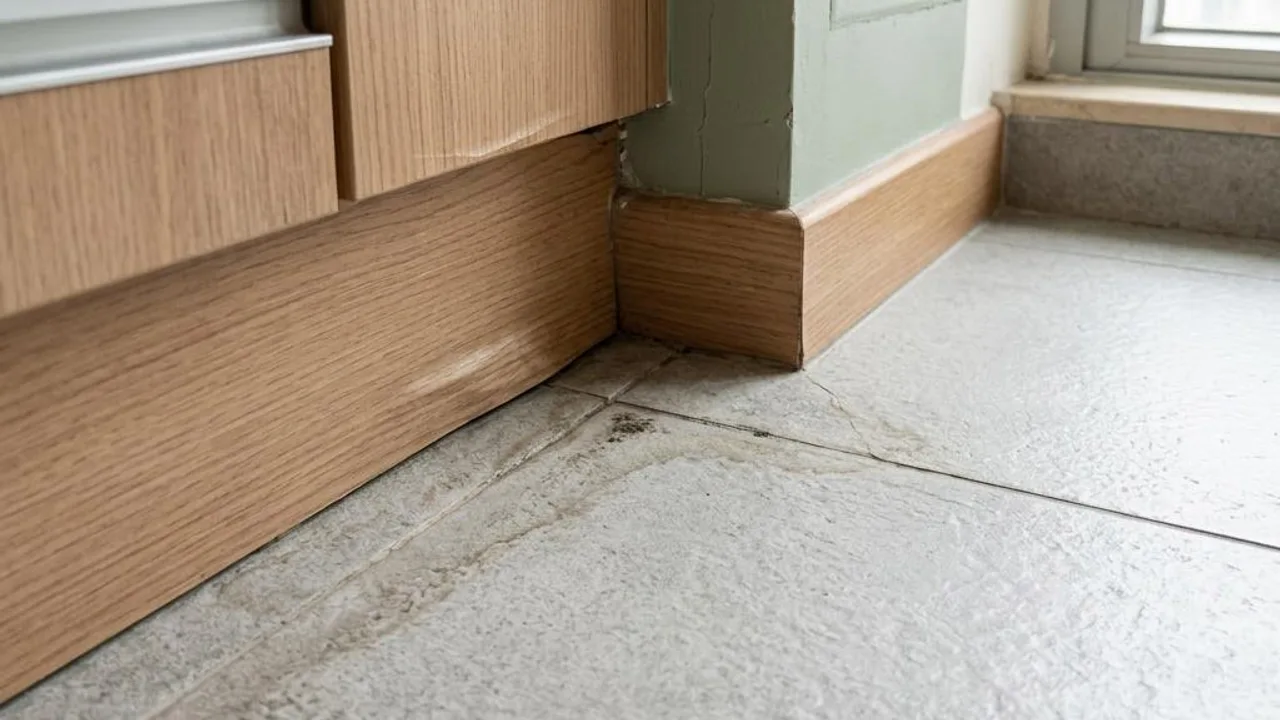
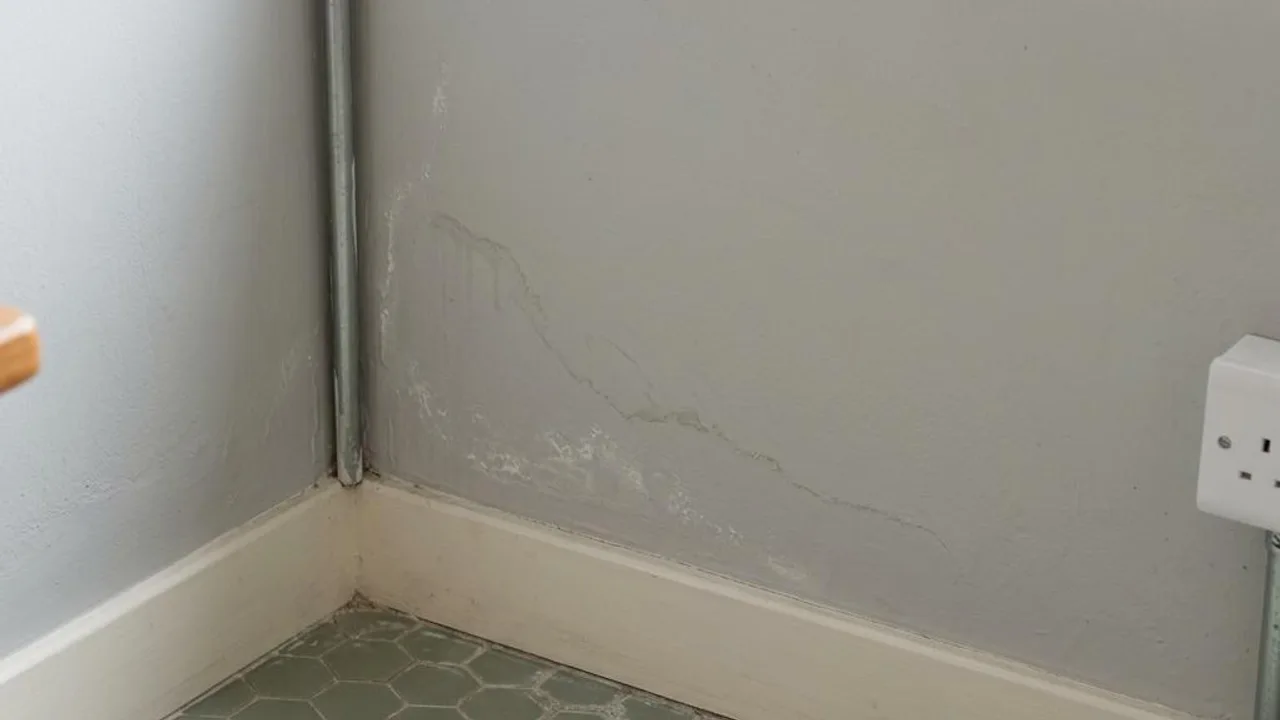
- Reducing the risk of mould spots on furniture and walls
- Enhancing the overall dryness and comfort of the indoor environment
Scientific airflow layout and quiet experience
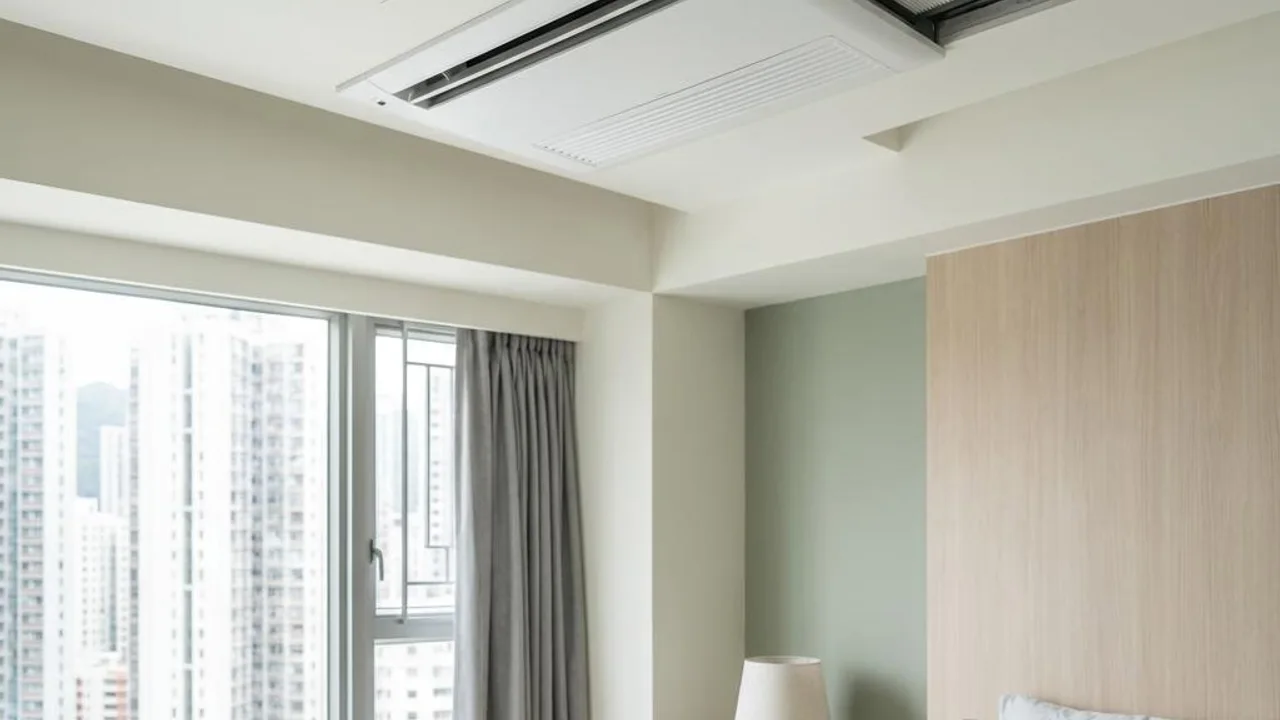
The effectiveness of the fresh air system depends on the precision configuration of conduits and vents. Scientific design should ensure that fresh air flows into main activity areas such as bedrooms and living rooms, and is exhausted from humid areas like kitchens and bathrooms, creating positive pressure airflow. This not only ensures efficient air movement but also prevents unfiltered outdoor air from seeping into the room through door and window gaps.
High-quality system installation can reduce noise levels to an extremely low point, providing residents with an almost silent operating experience. Coupled with gentle wind speed control, residents can enjoy high-quality sleep at night without being disturbed by nasal congestion or environmental noise. A well-laid-out airflow network is the foundation for achieving a healthy living environment, and it is vital for families pursuing ultimate living quality.
- Design where airflow flows from the active area to the exhaust area
- Positive pressure airflow prevents leakage of filtered air
- Low-noise operation ensures high quality of sleep for residents
- Scientific distribution ensures ventilation efficiency
Seeking professional teams and precision acceptance
The assembly of a fresh air system involves building environment science, aerodynamics, and low-voltage electrical engineering for ceilings; it is not a simple installation of a single unit. If the duct design is improper, it is very easy to experience excessive noise, insufficient air volume, or even failure of filter efficiency. Therefore, commissioning an experienced professional team to carry out a scientific inspection after construction is a necessary step to ensure the performance of the system, rather than relying solely on the experience of the installation technician.
Professional inspection teams are usually equipped with industrial-grade micro-anemometers, suspended particle detectors, and duct endoscopes, which can objectively evaluate the purification rate and air volume distribution of the air network without damaging the decoration structure. Having a team of experts carry out a quantitative check can assist owners in accurately eliminating potential installation defects, building a solid and reliable safety line of defense for the respiratory health of the family.
- Using industrial-grade instruments for air velocity assessment
- Detecting suspended particles to determine purification efficiency
- Using an endoscope to check the sealing condition of the ducts
- Assisting owners in eliminating installation defects
Key points for system operation and long-term maintenance
A fresh air system is not a one-off installation; its performance highly depends on the maintenance frequency of the filter. Filters that have not been replaced for a long time will not only increase the load on the motor but may also become a source of mold growth, weakening the overall ventilation efficiency. During daily use, owners should regularly check the system indicator lights or record the replacement time to ensure the filtration layer is in good condition.
In addition, airflow smoothness is the key to maintaining indoor positive pressure. Residents should avoid stacking debris to block air inlets or outlets and keep the dust at the vents cleaned regularly. If abnormal noise increases or a clear decrease in ventilation capacity is felt, contact a professional to check whether the pipes are blocked or loose as soon as possible, to avoid system performance degradation caused by minor problems.
- Set up a regular filter replacement plan based on environmental conditions
- Ensure indoor air vents are not blocked by furniture
- Regularly clean the accumulated dust on the surface of the return air vents
- Monitor changes in vibration and noise during system operation
FAQs
After installing a whole-house fresh air system, does it mean that mold will not appear in the home at all?
The fresh air system improves the environment by controlling humidity and changing fresh air, significantly reducing favorable conditions for mold growth, but it does not completely eliminate it. The home environment is still affected by decoration materials, indoor placement of objects, and ventilation habits; it is recommended to combine this with regular cleaning and moderate use of dehumidification facilities.
When inspecting the fresh air system, what objective indicators do owners need to observe?
Owners can observe the quietness of the system during operation and confirm with the professional inspector whether the air volume of each outlet meets the standards. In addition, an endoscope can be used to check whether there is obvious air leakage or improper sealing at the air duct connections after installation to ensure the system is in a high-performance, sealed operating state.
If the filter is not replaced regularly, what will be the impact on the fresh air system?
Excessive saturation of the filter will lead to a sharp increase in intake resistance, which not only leads to a significant decrease in air exchange volume, affecting indoor air freshness, but also increases the pressure on the motor operation. Long-term neglect of maintenance will not only cause the system to produce abnormal noise but may also cause the filtered particles to re-disperse into the room, weakening the filtration function.