Structural safety inspection of the property
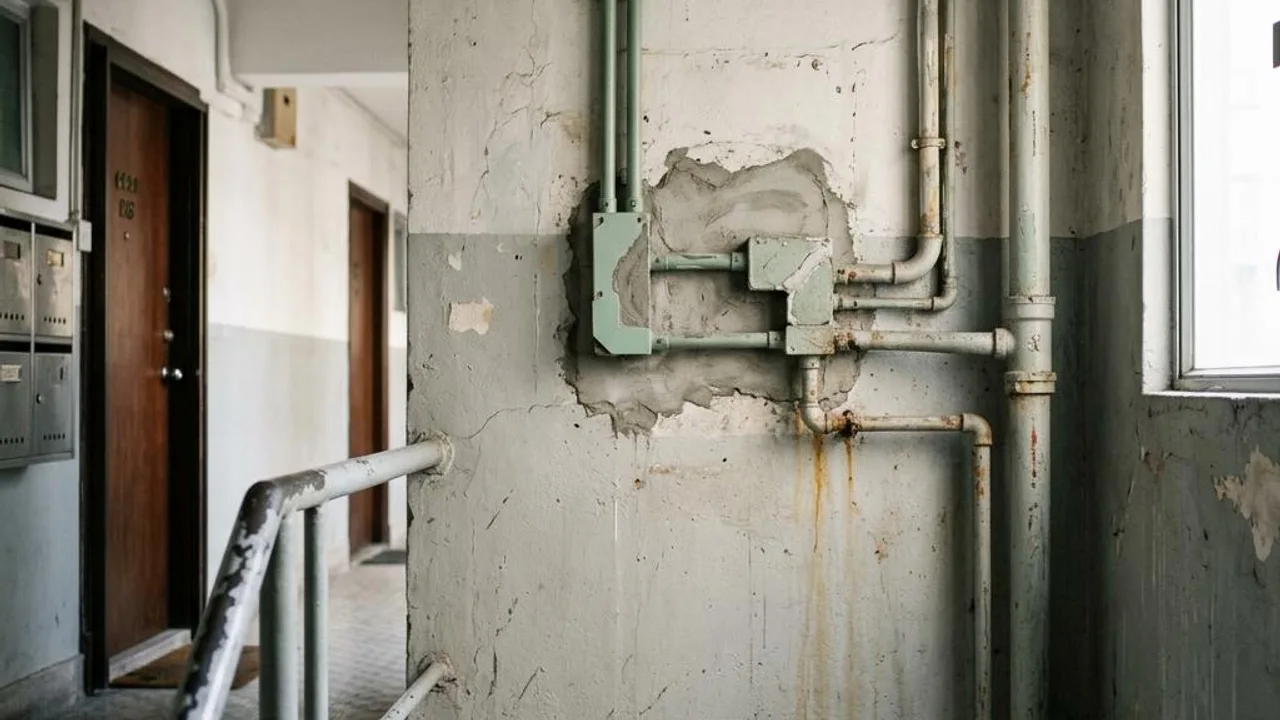
When purchasing a pre-owned flat, structural safety is always the top priority. Owners should carefully observe whether there are obvious cracks, spalling, or deformations on walls, floors, and ceilings. Structural cracks may be caused by foundation settlement or long-term stress. If abnormalities or cracks with changing widths are found, a structural engineering professional must be engaged for further assessment.
The property inspection assessment for pre-owned flats is limited to visible surface conditions; it cannot guarantee the safety of structural, plumbing, or gas equipment, nor can it certify the thickness of waterproofing layers, the condition of concealed pipes, or their remaining service life. Thermal imaging technology only displays surface temperature distribution and cannot serve as direct evidence for the cause of leakage or concealed structural issues. Please note that the inspection provided by this website is not a Mandatory Window Inspection Scheme; mandatory window inspections for applicable properties must be conducted by qualified persons registered with the Buildings Department. If structural, legal, or concealed works are involved, you should consult a professional.
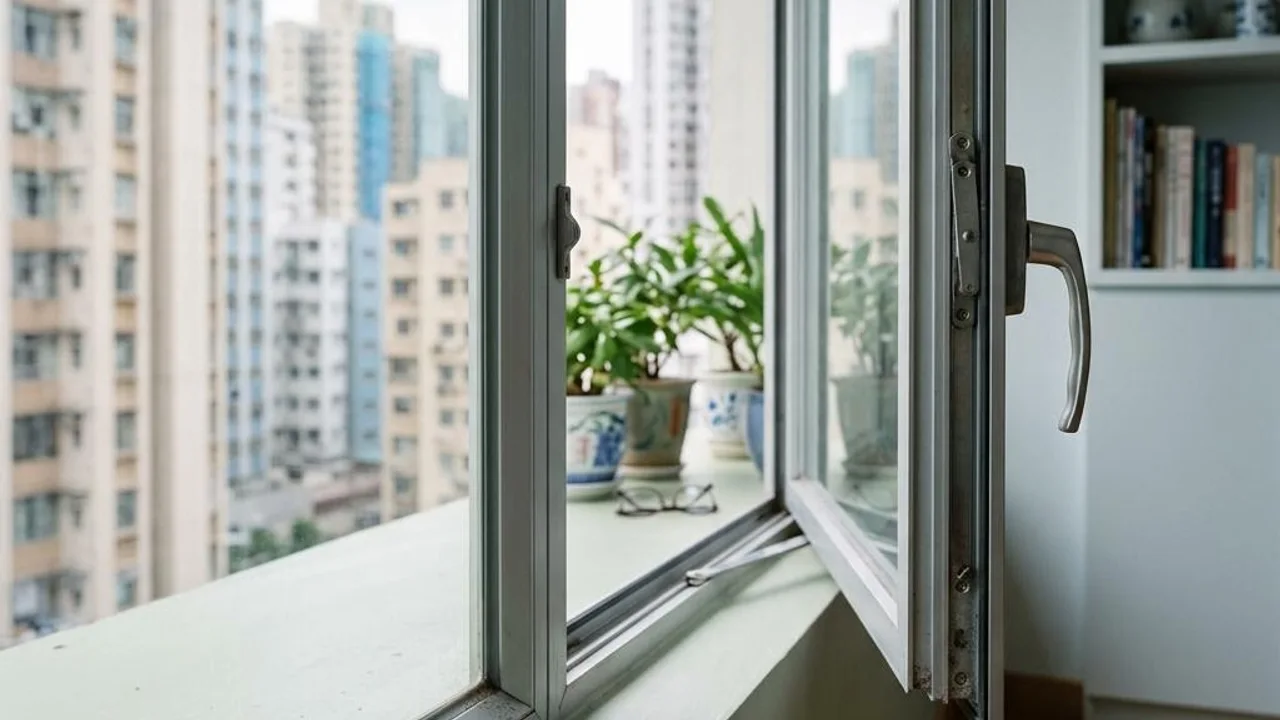
Do not disassemble electrical installations, adjust water pressure valves, or climb to heights for inspections by yourself. During the inspection, you should note if the property has any records of unauthorised structural wall alterations, which constitute illegal building works; at the same time, check the window structure, particularly for signs of rust or looseness at the window frame joints. These instances should be recorded and referred to professionals for follow-up.
- Observe walls for structural cracks
- Check floor surfaces for obvious unevenness
- Check ceilings for water seepage stains
- Confirm whether window frames have corrosion or deformation
- Enquire if the property has any illegal structures
Operational status of plumbing and electrical facilities
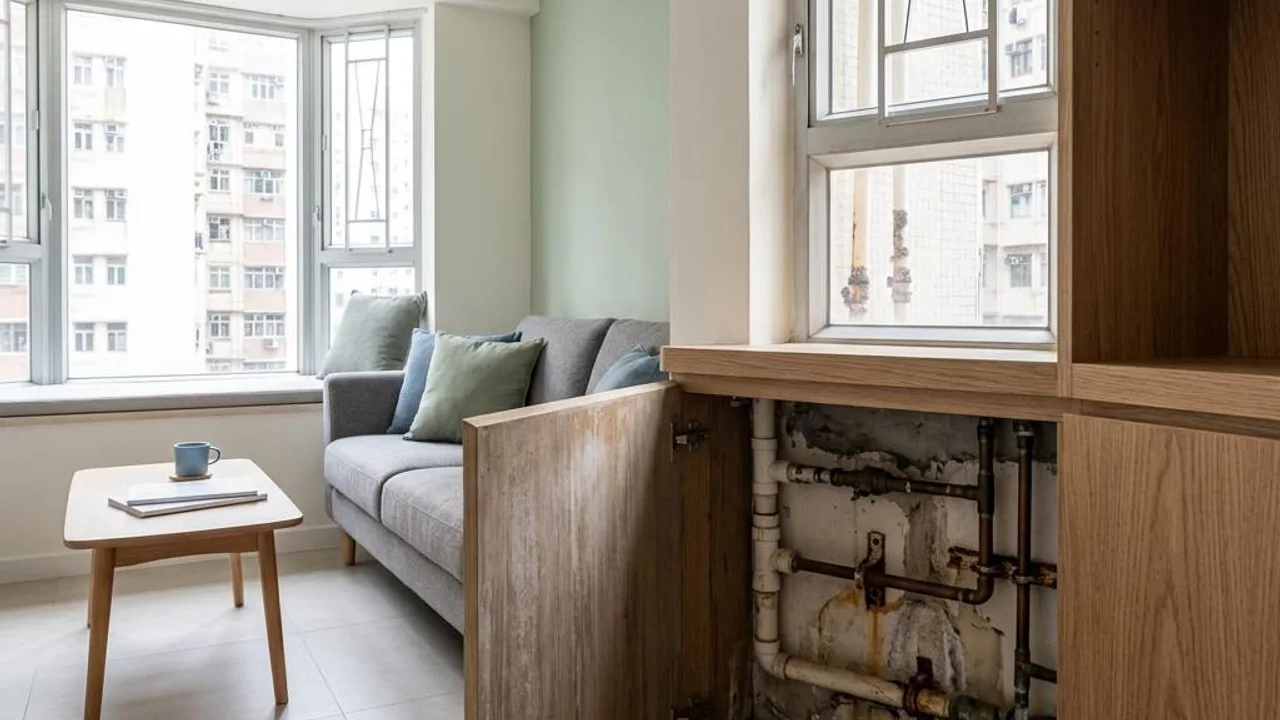
The water supply and electrical systems of pre-owned flats often carry risks of ageing. Check that the water pressure for all taps is stable, ensure that drains are not clogged, and watch for signs of seepage at wall bases or ceilings, as these are common hidden hazards in older buildings. If leaks are found, consult a professional to use instruments to detect the potential source of the seepage.
The electrical system requires a focus on the distribution board, sockets, and light switches. Confirm that the circuit load is normal; it is not recommended to share power strips for high-power appliances. All fixed electrical connections not via sockets must be confirmed to be handled by a registered electrical contractor to ensure compliance with current electricity regulations.
- Check water tap output pressure
- Test if drainage channels are clear
- Check if the electrical distribution board is operating normally
- Confirm if there are signs of scorching on sockets
- Test all lighting switches
Indoor air and environmental quality
If a pre-owned property has been vacant for a long time or has poor ventilation, it is prone to mould. When entering the unit, note if there is a strong mouldy or strange odour, as this may be internal mould growth caused by wall seepage, rather than just surface stains. Owners can observe if wallpaper or paint shows discoloration or bubbling, as these are often signs of moisture accumulation.
Residential units should maintain good ventilation and humidity control. When dealing with discovered mould spots, the focus should be on cleaning and repairing the source rather than simply covering it up. If the odour persists and the source cannot be clearly identified, you should consult a professional indoor environmental assessment expert to help analyse environmental risks.
- Check for mould around window frames
- Pay attention to the condition of the indoor ventilation system
- Check for any abnormal odours by smell
- Observe the condition of air conditioner vents
- Test the performance of kitchen exhaust devices
Review of renovation and finishing quality
Renovation quality directly determines the living experience. Focus on the integrity of wall paint films, wooden flooring, or tiles. The kitchen and bathroom are high-water-usage areas; you must check in detail the sealing around the waterproofing layer and whether there are traces of water damage on the inner walls of cabinets, as these areas best reflect the level of maintenance.
For refurbished pre-owned flats, be wary of cosmetic renovations that hide structural issues. Observe if skirting boards are aligned and if door frame joints are tight. If large-scale plaster spalling is found, consider the costs and complexity of future renovations, and assess whether existing finishes are masking original wall seepage issues.
- Check for peeling wall paint
- Check if floor tiles have hollow spots
- Inspect the wear and tear on wooden furniture edges
- Test if door and window operation is smooth
- Assess the condition of bathroom wall tile sealant
Review of property title and legal documentation
Beyond physical property inspection, confirming title documents is equally critical. Check the property certificate and land search records to confirm whether the property has any unresolved orders, mortgages, or debt disputes. These legal documents determine the legality of the property transaction and protection of rights; they are a step buyers cannot overlook.
Before purchasing, it is advised to handle land searches through a solicitor to confirm whether the building has any incomplete statutory repair orders or illegal building records. Ensuring all documents are complete provides clear legal protection for your investment and avoids falling into subsequent ownership disputes or liabilities for mandatory repairs.
- Review land registry records
- Confirm whether the property has any statutory orders
- Verify that ownership information is consistent
- Check if there is any mortgage registration
- Confirm original copies of relevant supporting documents
FAQs
How should wall seepage stains be handled if found?
First, record the location and scope of the water stains and check if the unit above or adjacent units have a similar water source. It is recommended to contact a professional for seepage testing, using infrared thermography or colour dye testing to locate the issue; do not perform large-scale destructive excavation yourself.
How to judge if floor tiles in a pre-owned flat have hollow spots?
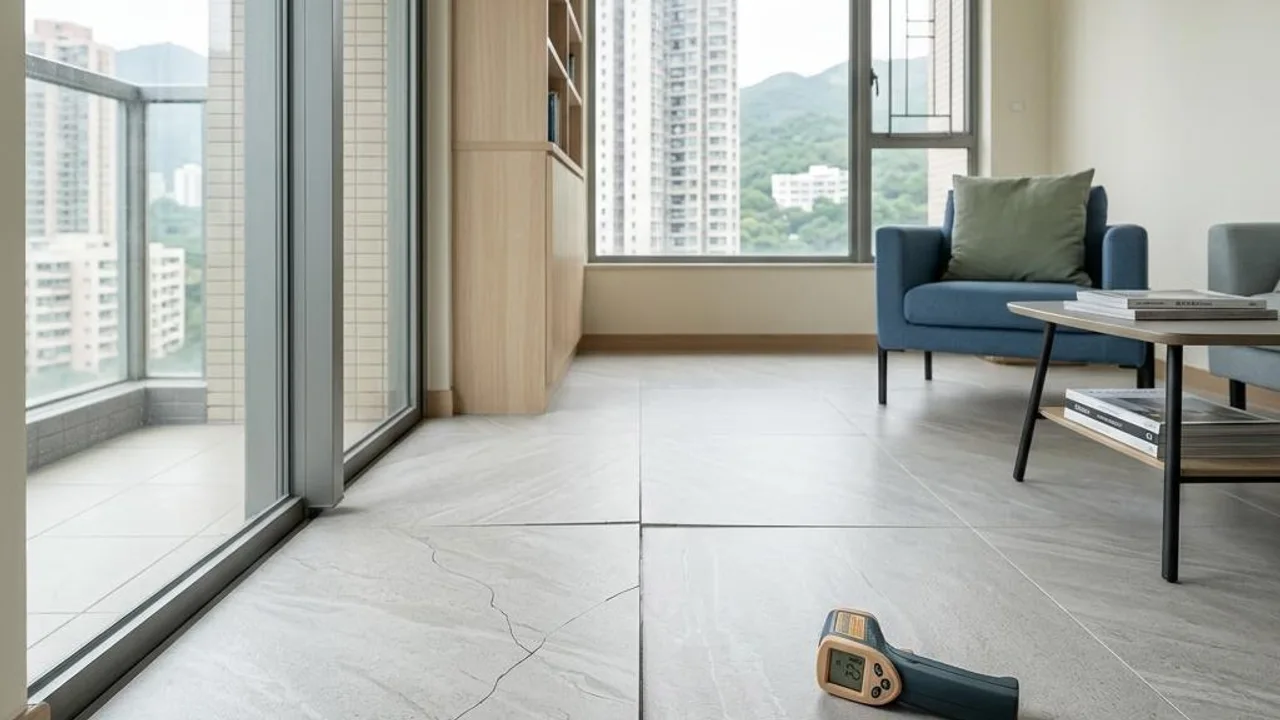
Owners can use a metal rod or coin to lightly tap the tile surface. If a crisp, hollow sound is heard (compared to the sound of a solid tile), there may be hollow spots. Serious hollow spots may cause tiles to pop up later due to temperature changes; it is recommended to consult a renovation professional to assess repair options.
How should one confirm that the electrical distribution board meets standards when buying a pre-owned flat?
You should check if there is a signature of a registered electrical worker inside the distribution board and confirm if each circuit has the corresponding overcurrent protection device. If old-style ceramic fuses or cluttered wiring are found, ask a licensed electrician to conduct a comprehensive inspection to ensure circuit safety.