Potential impacts of toilet water leakage on the home
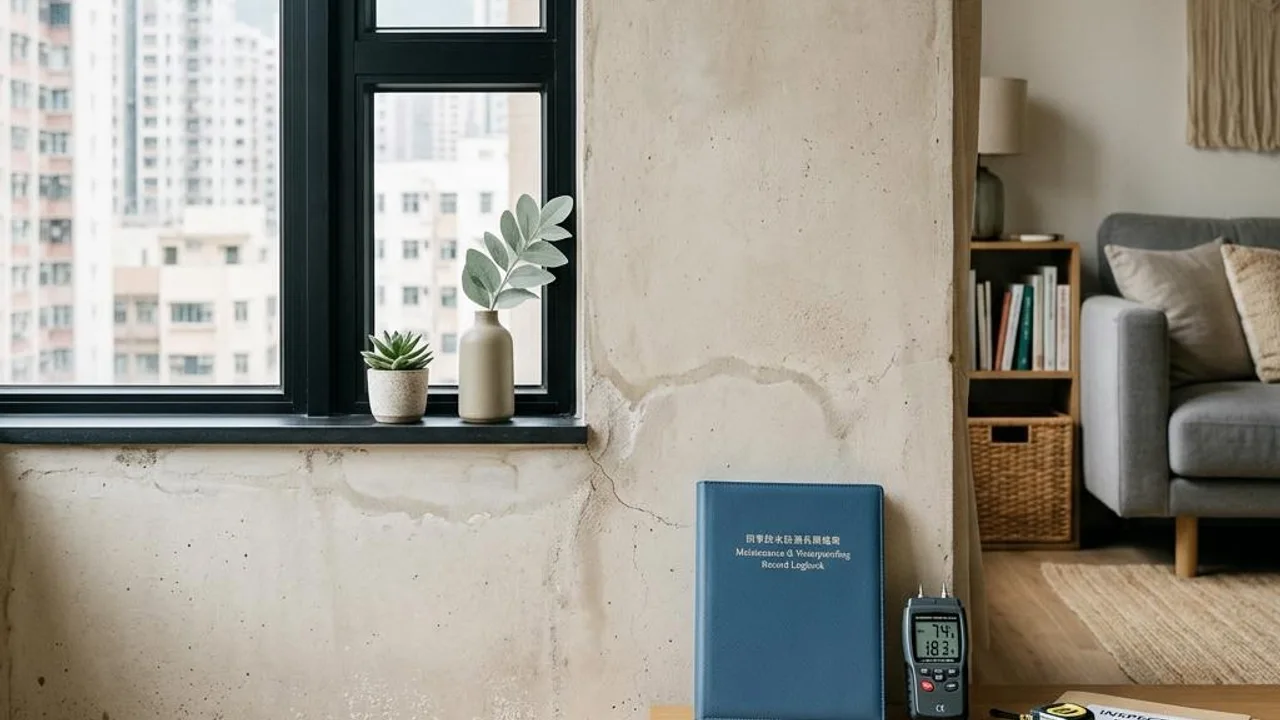
If toilet water leakage is not dealt with in time, it will not only affect daily life but may also cause long-term damage to the building structure and living environment. Long-term immersion of walls or floors can lead to concrete corrosion, seepage, and even endanger the stability of wall finishes, making repairs more difficult over time.
Beyond the structural level, a damp environment is a breeding ground for mould. Mould grows in poorly ventilated areas of the toilet, and the spores produced may spread through the air, posing a risk to respiratory health. At the same time, continuous leakage in concealed areas not only wastes precious water resources but also results in heavy long-term repair costs.
- Damage to floor slab and wall concrete structures
- Indoor dampness triggering mould growth
- Expansion of leakage area due to water seepage
- Continuous accumulation of extra water bills and repair costs
Key inspection points from a professional property inspection perspective
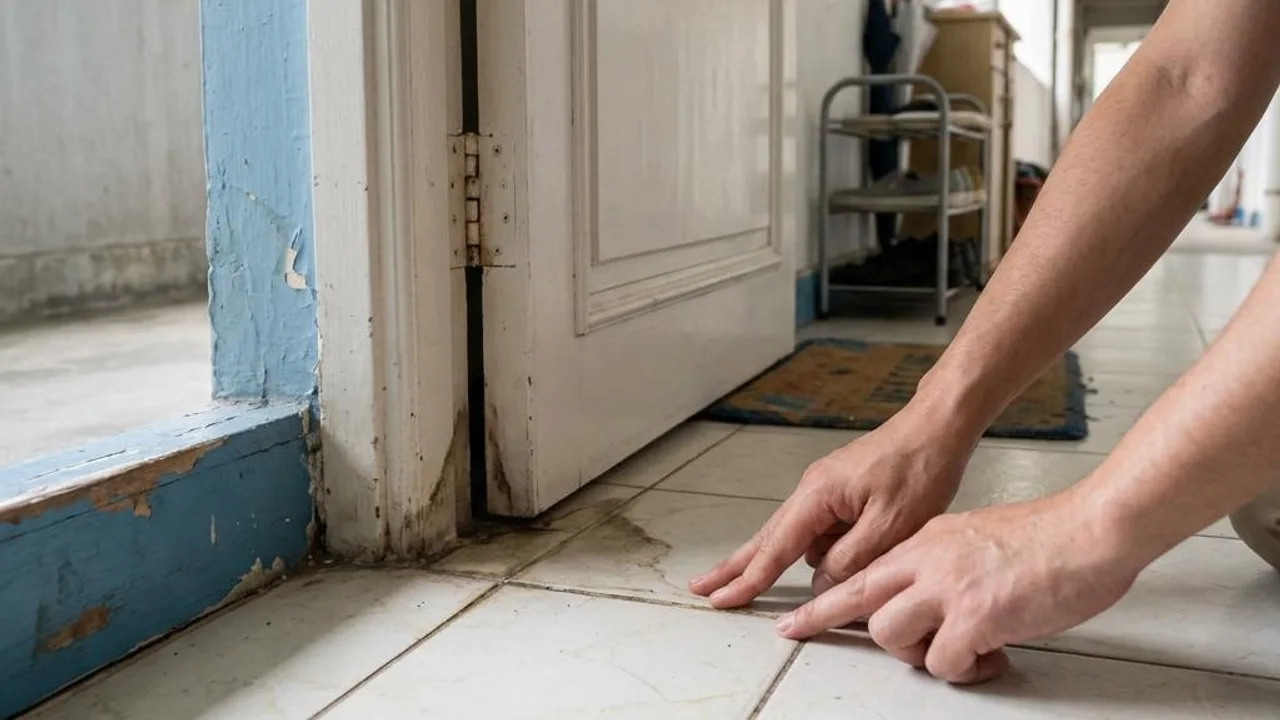
During property inspection, observing the leak-proof status of the toilet needs to be done systematically. In addition to visually checking whether there are water stains or discolouration at the wall base, one should also note whether pipe joints are dry. Even if the wall surface is level, the possibility of water accumulation under the tiles cannot be ruled out, so the inspection must be exceptionally detailed.
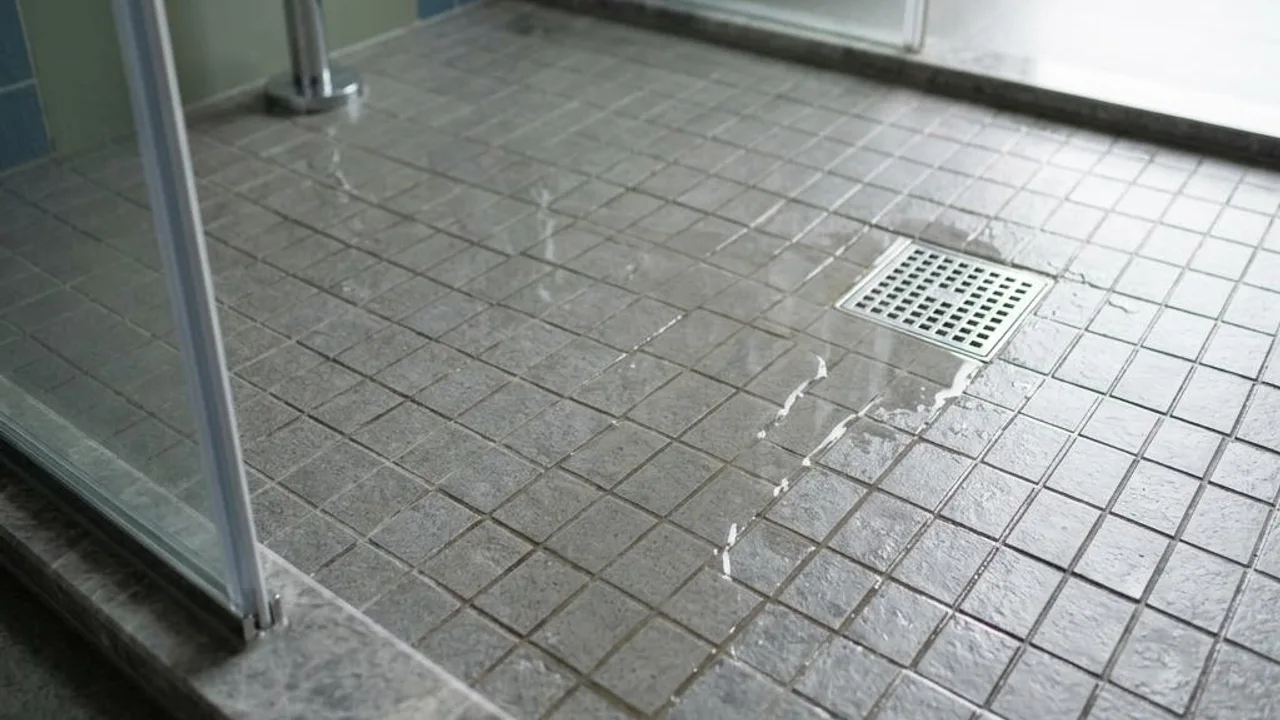
If it is difficult to judge with the naked eye, look for abnormal odours in the toilet, or listen for continuous dripping sounds in a quiet environment. Homeowner observations should focus on prominent pipe positions, bath edges, and floor drains. If obvious signs of moisture are found, record them immediately and take photos for follow-up reference.
- Check the ceiling for water stains or peeling paint
- Confirm whether there are damp marks on walls and floor tiles
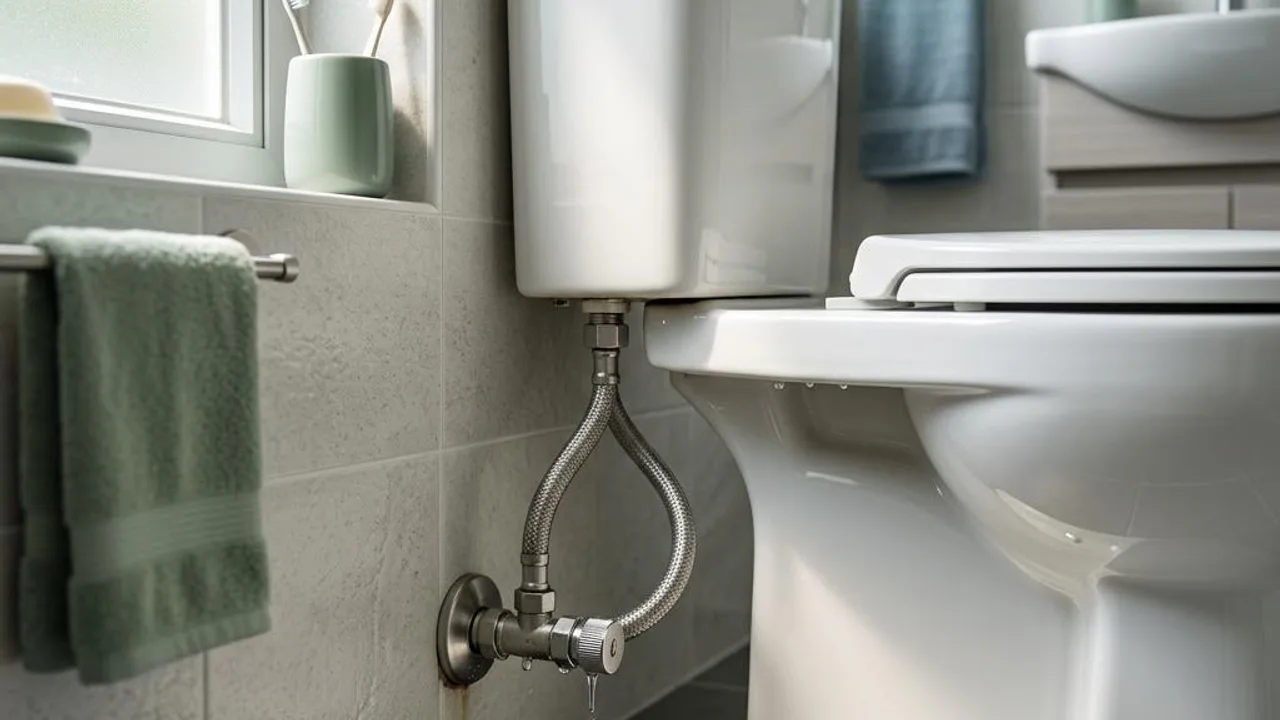
- Observe if there is slight seepage at hot and cold water pipe joints
- Note the sealing condition of floor drains and bathtub edges
Response mechanism after discovering a leak
Once signs of leakage are found during inspection, notify the developer or property management office as soon as possible and request arrangements for relevant technical personnel to follow up. If it involves building structural defects, these types of works are often within the scope of developer maintenance, and homeowners should keep detailed inspection records and reports to protect their rights.
Before professionals arrive for inspection, homeowners should keep the area unchanged and avoid moving surrounding equipment at will. It is recommended to create a brief record, clearly listing the time, frequency, and affected area of the seepage so that technicians can perform more targeted diagnosis.
- Record the specific location of the leak and take photos as a record
- Submit written repair requests to the developer
- Confirm that the repair plan meets waterproofing requirements
- Perform a reinspection after repairs are completed to confirm the results
Maintenance strategies: prevention is better than cure
Preventing toilet leakage relies not only on rigour during property inspection, but daily maintenance is equally crucial. Homeowners should keep the toilet well-ventilated and avoid prolonged periods in high-humidity environments. Using the drainage system correctly and preventing hair and foreign objects from clogging drains can effectively reduce back-seepage caused by blocked drainage.
If you need to install sanitary ware or modify pipes, you must hire qualified professionals to handle it; avoid handling it yourself as this may trigger more serious leakage. Regular inspection of the condition of leak-proof materials and joints in the home helps to detect minor leaks early and avoid them evolving into large-scale structural repair works.
- Keep the toilet environment dry and well-ventilated
- Ensure the drainage system is clear to avoid water accumulation
- Hiring professional licensed personnel is required for sanitary ware installation
- Regularly inspect the condition of pipe joints and corners
Common inspection and repair misconceptions
Homeowners often wrongly assume that no dripping on the surface means the waterproof layer is functioning normally; however, long-term leakage often stems from tiny cracks in concealed pipes, which cannot be directly observed by the naked eye. Relying excessively on external repairs may cover up the root cause of the leak, causing it to spread to other walls.
Furthermore, one should distinguish between daily condensation and actual leaks, especially during the humid season. If continuous and expanding water stains appear on corners, treat them with caution and invite professionals with relevant technical backgrounds to perform an assessment to avoid missing the best window for repairs.
- Do not treat surface water stains as condensation
- Do not use untested chemical wall sealants
- Professional personnel must be hired for a systematic check
- Regularly check structural integrity to prevent spread
Scope of professional property inspection consulting services
OPO Inspection teams use objective data and experience to help homeowners accurately assess the risk level of leakage points. The service not only covers assessments of existing signs of leakage but also compiles relevant inspection reports for homeowners to use as powerful evidence when communicating with property management or developers.
The inspection process strictly follows industry standards, ensuring every inspection point meets building safety requirements. With the aid of professional instruments and meticulous observation, homeowners can gain a clearer grasp of the unit's waterproof performance and timely receive improvement suggestions to enhance living safety.
- Experienced team mastered in market inspection standards
- Daily on-site assessment and recording of leakage conditions
- Provide detailed reports to assist homeowners with follow-up maintenance
FAQs
If a homeowner finds slight water stains on the toilet wall during property inspection, does it mean the structure is damaged?
Water stains only indicate that the location has been damp or is experiencing continuous seepage. The extent of the damage depends on the duration and source of the leak; homeowners should record the location in detail and entrust professionals to determine whether it involves pipe seepage or building waterproofing failure, avoiding misjudgment from self-assessment.
When hiring a master to inspect toilet leakage, what standards should be noted?
Homeowners should ensure that the hired master has relevant licences and professional qualifications. The inspection process should prioritise identifying the source of the leak rather than just performing surface filling, and ensure the repair plan meets waterproofing requirements to avoid secondary seepage caused by improper construction.
When leakage appears in a new flat's toilet, how should the homeowner negotiate with the developer?
Homeowners should submit the inspection results and on-site photos to the developer in writing and explicitly request that qualified personnel be arranged for inspection and repairs. After repairs are completed, a reinspection should be requested to confirm the results, and all communication documents should be retained to safeguard their rights.