Functions and roles of decorative beams
Decorative beams play a dual role of structure and aesthetics in interior design. From a structural perspective, some beams act as supporting components, distributing gravity evenly to the building structure to prevent instability in ceilings or floors. During inspection, owners should pay attention to the joint between the beam and the ceiling, checking for unnatural gaps or structural looseness.
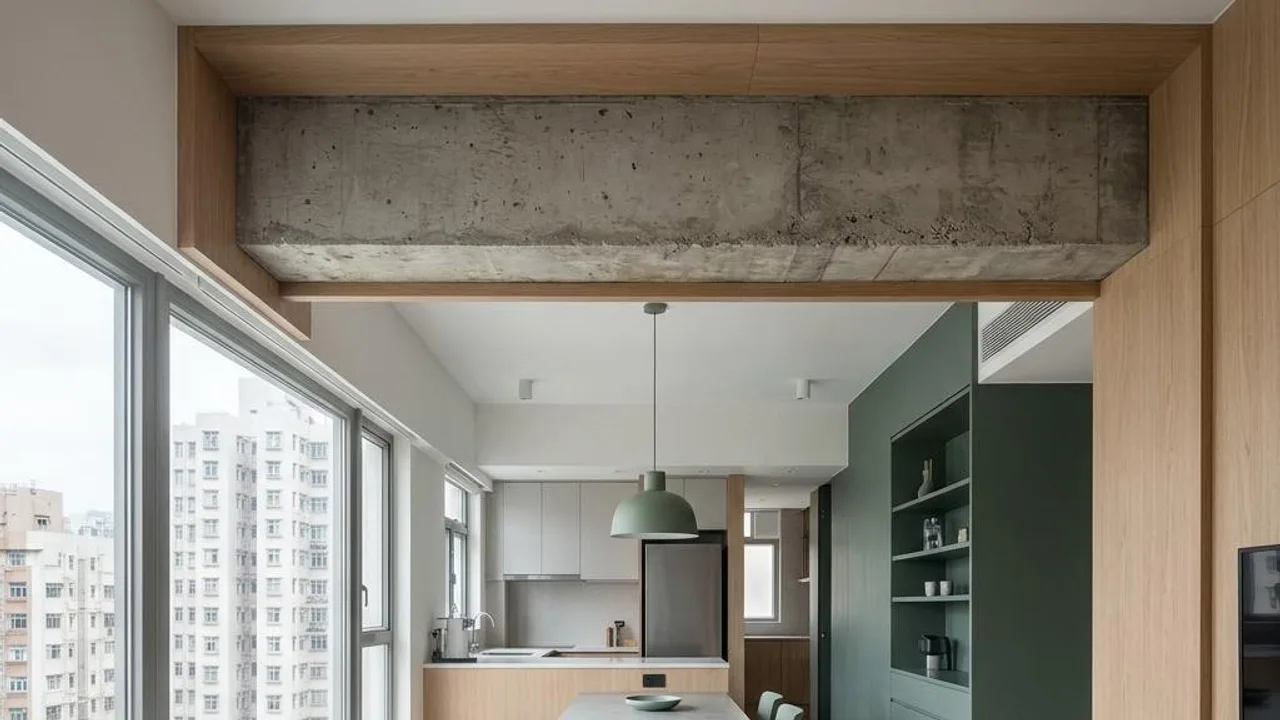
Aesthetically, decorative beams are often used to hide messy air-conditioning pipes, wires, and other facilities, while simultaneously creating a sense of space and layering through visual extension. Whether it is the common rustic solid wood style or a cold industrial metal style, proper layout can become the soul of interior design, enhancing the attractiveness and unique character of the overall space.
- Providing building structural support
- Hiding air-conditioning pipes and wires
- Defining interior area layers
- Enhancing overall aesthetic style
Common decorative beam materials and characteristics
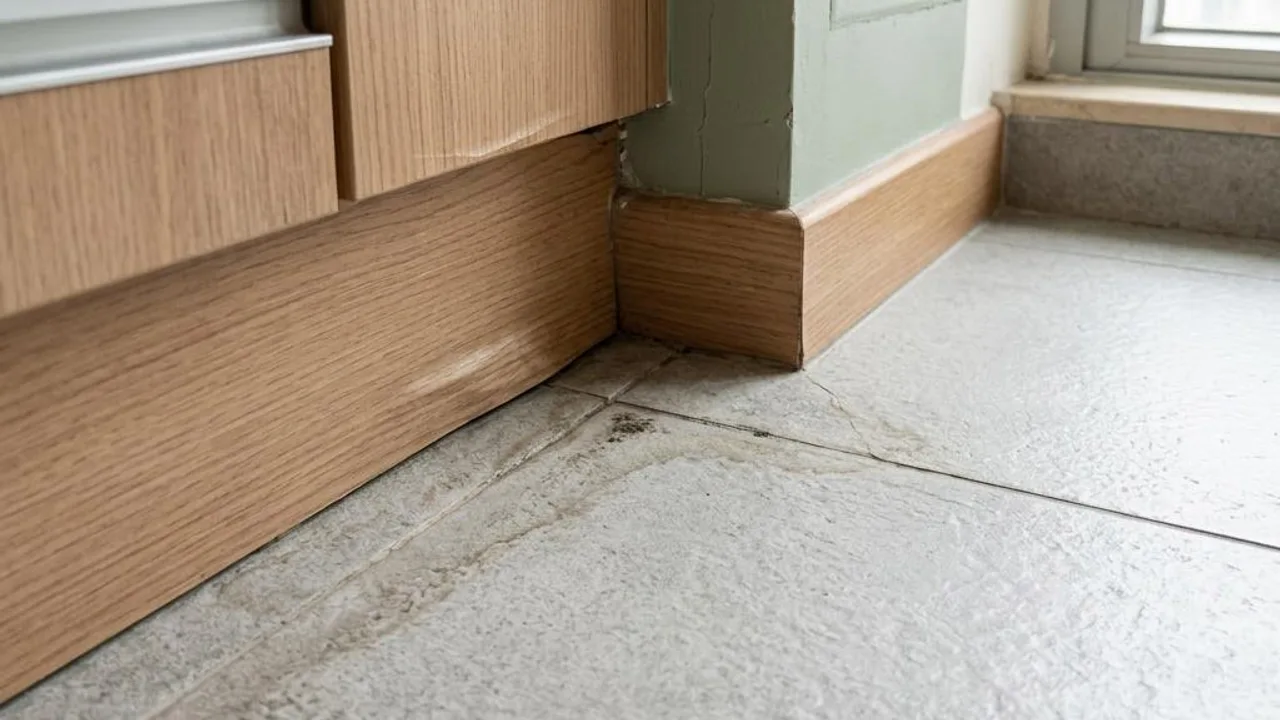
There is a diverse range of decorative beam materials on the market; common ones include solid wood, metal, and lightweight faux beams. Solid wood beams are often used to create a warm and natural atmosphere due to their unique grain. During inspection, pay special attention to whether the wood surface has deformation, mold growth, or peeling paint due to moisture; these conditions usually reflect poor indoor humidity control or seepage hazards.
In modern decorative projects, metal beams and faux beams made from lightweight materials like foam plastic are also very popular. Metal beams have sharp lines and are durable, suitable for industrial-style renovations. Faux beams are widely used in interior decoration due to their lightweight installation and affordable price, although they lack structural load-bearing capacity. Regardless of the material, installation must ensure connection points are secure to avoid the risk of falling due to vibration.
- Solid wood beams (attention required for moisture prevention and deformation)
- Decorative metal beams (check surface coating and joints)
- Lightweight faux beams (check if installation fixing points are secure)
- Composite material decorative beams
Consideration factors for decorative beam inspection
When inspecting decorative beams, priority is given to appearance and the stability of structural connections. Owners can use visual inspection to observe the joints between the beam and walls or ceilings, checking for cracks or looseness. The style of the decorative beam should be consistent with overall furniture and design to avoid abruptness in color or proportion, thus achieving a balance between aesthetics and function.
Installation difficulty is also a factor to consider before inspection. High-quality solid wood beams or custom metal beams involve relatively complex installation procedures. At handover, clients should check if the beams were damaged during transport or construction; if there are obvious chipped corners, dents, or paint defects, request that the contractor address and repair them promptly.
- Check connection parts for gaps and looseness
- Observe if surface paint or grain has any damage
- Confirm that material and design style are in harmony
- When inspecting decorative beams, confirm whether construction meets general standards; however, this inspection does not include guarantees of structural safety, concealed wiring, or long-term maintenance. Please note that visual observation cannot determine concealed layer thickness or waterproofing performance; if professional structural safety assessment is required, it is recommended to commission a registered professional for testing.
Installation environment and water seepage risks
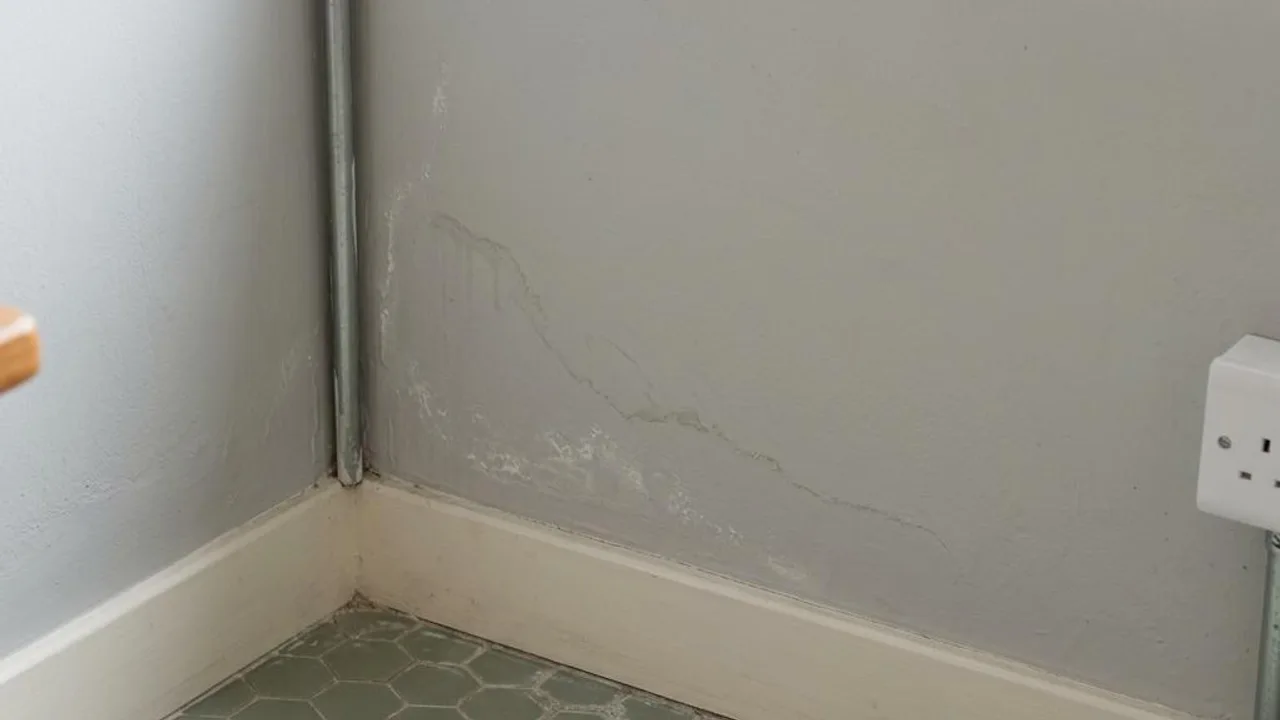
If decorative beams are installed near exterior walls or bathroom walls, the risk of water seepage is relatively high. Once wooden decorative beams become damp, they easily develop mold and rot, and over the long term, they will affect surrounding wall finishes. During inspection, if an owner finds that the wood color is unusually dark or feels soft, consider the possibility of hidden water seepage and request that a professional use a moisture meter for testing.
If electrical wires are hidden inside a decorative beam, confirm that the protective conduit is intact. Improper installation can cause wires to be crushed or worn inside the beam. For any changes involving structure, owners must not dismantle decorative casings themselves to avoid damaging original load-bearing beams or columns; consult qualified engineering personnel to confirm whether they are primary load-bearing members.
- Assess surrounding walls for signs of water seepage
- Check the protective condition of wire conduits for hidden cables
- Distinguish between decorative beams and original building structural beams
- Record the locations of any suspected deformation or cracks
Notes on maintenance and long-term care
The long-term durability of decorative beams depends on the indoor humidity environment. It is recommended to keep the interior well-ventilated to avoid mold on wood or oxidation of metal caused by long-term high humidity. When regularly cleaning dust from the beam surface, use a dry cloth and avoid excessive chemical cleaners to prevent damaging the surface paint or protective coating.
During daily use, if you discover slight vibrations or looseness in decorative beams, do not force them into place; seek a professional assessment to confirm whether installation hardware has rusted or glue has failed. For fine cracks at the joint with the ceiling, observe whether they widen with seasonal temperature changes; if cracks continue to grow, a professional must further evaluate structural safety.
- Keep the space ventilated to reduce the risk of mould.
- Use a dry cloth to clean to avoid dampness.
- Regularly check the installation location for any vibrations.
- Monitor whether any cracks expand over time.
FAQs
Do slight cracks on decorative beams indicate structural issues?
Slight cracking is common in wooden decorative beams due to dry shrinkage and usually does not affect the main structure. However, if cracks appear on metal or stone decorative beams, or if they extend to the ceiling body, it is recommended to contact OPO Inspection professionals for an on-site check to rule out improper installation or building structural displacement.
How do you handle mould on wooden decorative beams caused by water seepage?
You must first identify the root cause of the water seepage, as simply repairing the surface will not solve the fundamental problem. Do not dismantle it yourself; you should first hire professional technicians to investigate the seepage path. Once the source is repaired and the beam has dried, decide whether to replace the wood or proceed with surface cleaning and anti-mould treatment based on the extent of the damage.
How do you determine if decorative beams interfere with indoor ventilation or pipe maintenance?
The design of decorative beams should reserve sufficient space for routine pipe maintenance. If a decorative beam completely encloses pipes without an access panel, it will cause difficulties for future maintenance. During property inspection, you can ask the contractor about the layout of access panels and confirm that the condensate drain of the air-conditioning pipes has sufficient slope to ensure that drainage is not obstructed by the decorative beam installation.