The Importance and Process of Post-Decoration Inspection.
Inspection after completion of decoration is a key step in protecting your rights; do not be hasty in moving in, so as not to miss construction flaws leading to frequent repairs later. The inspection procedure should cover visual appearance, operational functions, and engineering quality, but please note that general home inspections cannot guarantee structural safety, electrical circuits, gas, the status of concealed pipes, the thickness of waterproof layers, or the remaining lifespan of equipment. Thermal imaging technology only shows surface temperature distribution and cannot be regarded as absolute evidence of the cause of water leakage or hidden structures. If it involves statutory requirements such as aluminium window inspections, they must be carried out by qualified persons registered with the Buildings Department and are not part of general inspection scopes.
For matters involving professional safety, you should seek assessments from relevant qualified professionals. Homeowners are advised to avoid disassembling appliances, adjusting water pressure devices, or performing high-altitude work themselves, and should retain project records and documents for follow-up.
Property inspection is not just an appearance check but also a process of confirming the safety of water and electricity systems. Through a professional inspection process, homeowners can effectively clarify construction responsibilities and avoid unnecessary disputes with the decoration company in the future. It is recommended to arrange for professionals to conduct a detailed comprehensive inspection after the decoration is completed.
- Ensure the decoration project meets construction contract standards.
- Identify concealed defects not directly visible to the naked eye
- Clarify construction responsibilities to safeguard post-sales repair rights
- Prevent frequent repair issues after moving in
Detailed Inspection of Walls and Flooring.
Walls and flooring form the visual core of the home; during inspection, ensure the environment is well-lit to check for wall cracks, tear marks, or uneven plastering. Wallpaper seams should be tightly joined with no curling at edges, which is the basic standard for testing workmanship quality.
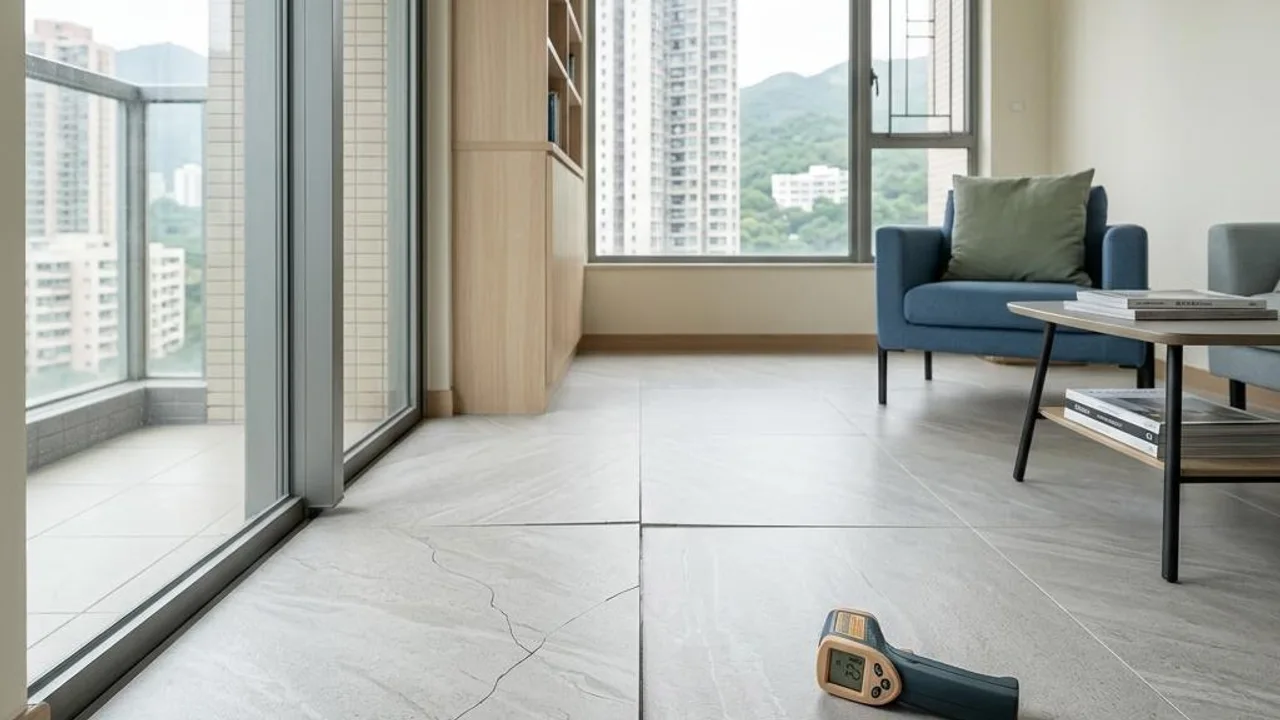
For floor and wall tiles, tapping with property inspection tools is the standard method for checking hollow tiles. If a crisp, hollow sound is heard, it indicates poor adhesion between the tile and the base, suggesting repair is needed to prevent future detachment. Wood flooring should undergo a walk-through test to identify creaks or looseness, and to check that expansion gaps are properly reserved to prevent deformation due to thermal expansion and contraction.
- Visual check of wall flatness and wallpaper application quality
- Tapping tile surfaces to identify concealed hollow spots
- Check the stability and expansion gaps of wood flooring
- Confirm that all wall paintwork is free from obvious defects
Water Works and Leakage Protection Testing.
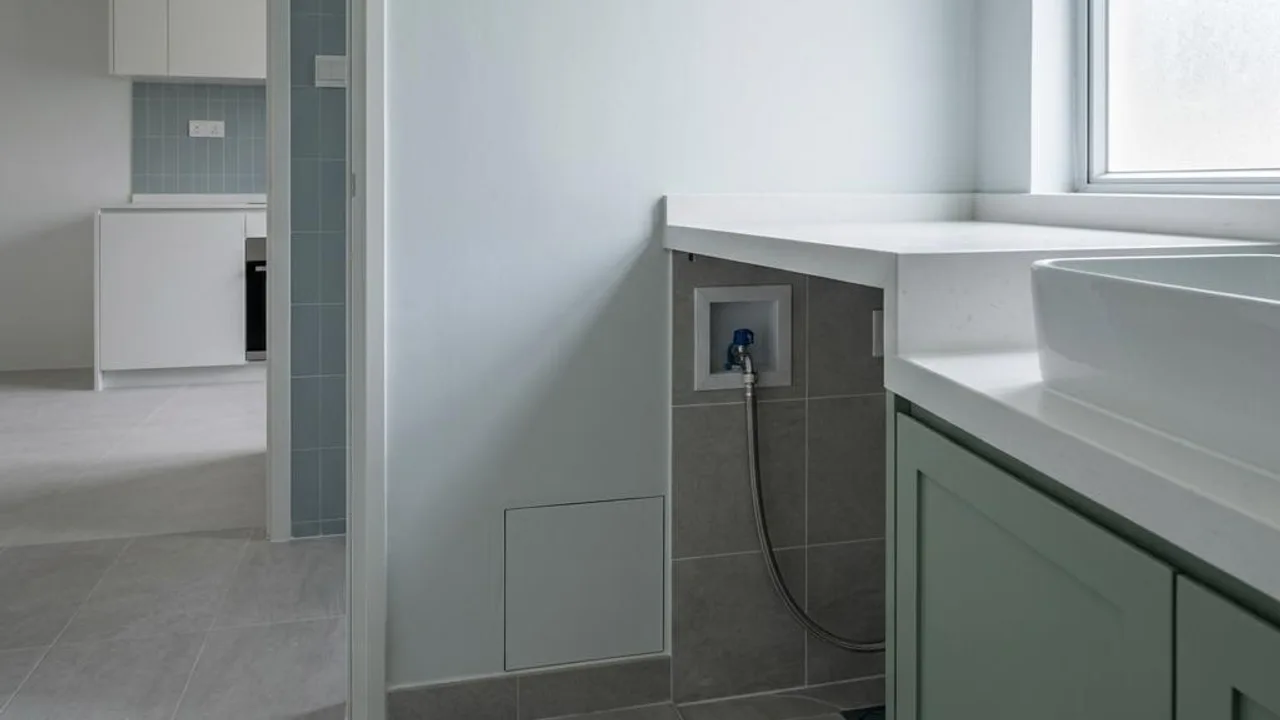
Plumbing works are concealed items; any minor leakage can cause severe damage later, so leak testing must be strictly enforced. Owners should fill all washbasins, kitchen sinks, and bathtubs, then drain them simultaneously to observe if the drainage speed is smooth and to check for backflow, ensuring the drainage design meets requirements.
Professional inspection involves touching the pipes beneath sinks and washbasins to confirm there are no water stains or leaks. Concurrently, one must carefully inspect the sealant around the toilet and shower area; this prevents moisture from seeping into walls or the floor base, avoiding damage from long-term dampness. Testing also includes checking the flow and temperature switching accuracy of hot and cold water taps.
- Full-house drainage system flow test
- Inspection of pipe connection points for leaks
- Testing the sealing performance of bathroom silicone sealant
- Confirming hot and cold water supply and switching operation
Electrical Installation and Home Safety Assessment.
The electrical system is directly linked to home safety; do not take inspection lightly. Professional OPO Inspection staff will use a phase tester to confirm that the live, neutral, and earth wires for all sockets are correctly connected and that power is flowing normally. Light switch tests should demonstrate sensitive responses to avoid contact issues or flickering.
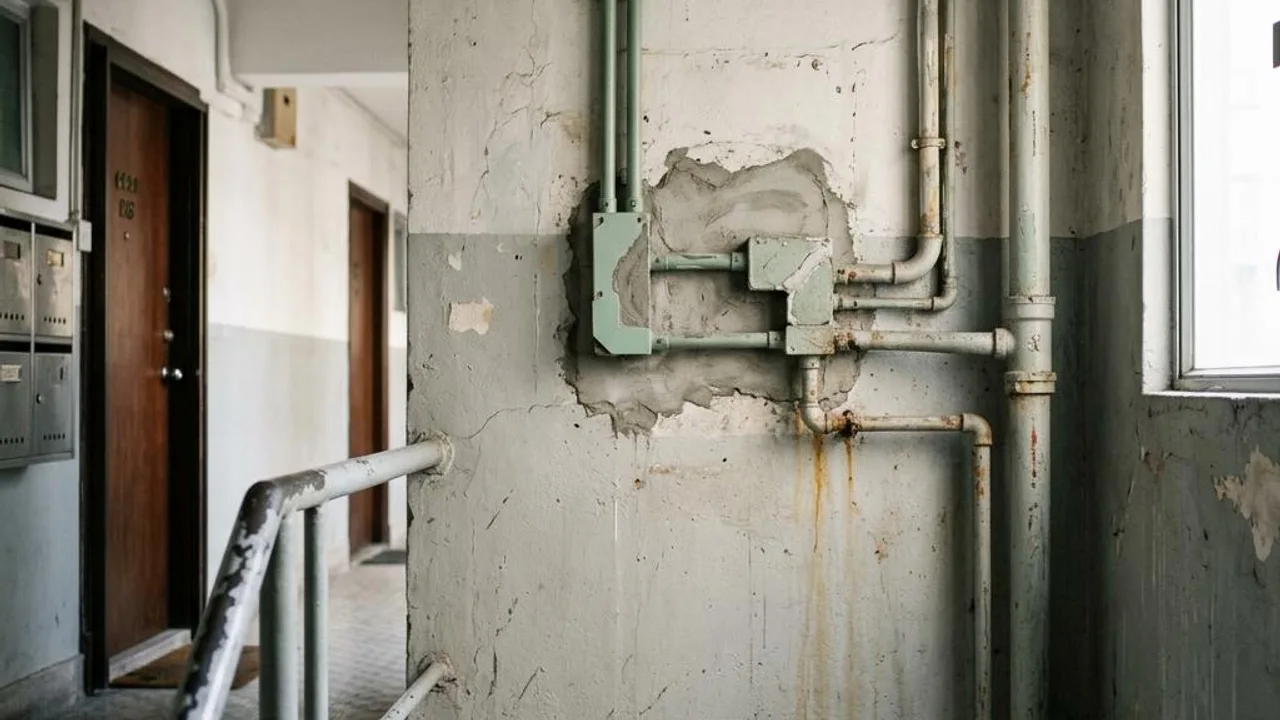
The distribution board check is a core component, ensuring wiring is neatly arranged and clearly labeled. For residual current circuit breakers (RCCBs), confirm that protection devices operate correctly to prevent sudden short circuits or overloads. All installed fixed appliances and electrical modifications must be handled by a registered electrical contractor in compliance with relevant installation standards.
- Check socket phasing and earth wire connection status
- Test the sensitivity of light switches
- Assess the neatness and labeling of distribution board wiring
- Test functionality of residual current circuit breakers
Woodwork Furniture and Door/Window Operation Details.
The quality of bespoke furniture depends on the details of hinges, drawer slides, and finishing. Test all room doors, cabinet doors, and drawers to ensure smooth opening/closing without abnormal sounds, and that gaps are uniform when closed. Check cabinet surfaces for scratches or chips caused during construction, and ensure shelves are securely load-bearing.
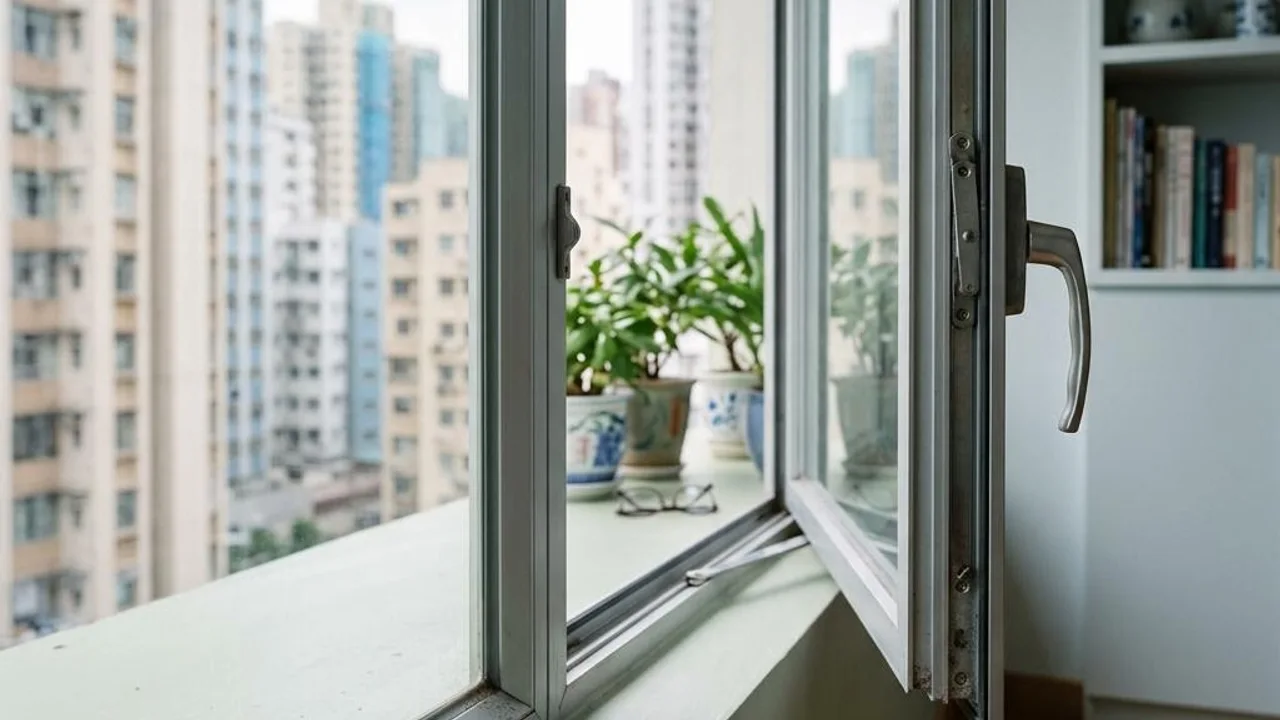
The wind and rain resistance of windows is equally important. Confirm that window frame sealant is smooth without leaks and that locking mechanisms function smoothly. During the process, the property inspector will assess the overall operation of windows to ensure that when closed, they effectively provide sound insulation and block rainwater, creating a comfortable home environment.
- Test the smooth operation of cabinet doors and drawers
- Check furniture installation gaps and edge finishes
- Verify window frame sealant and locking functionality
- Assess whether doors and windows open and close smoothly without abnormal noises
FAQs
If a hollow sound is discovered from floor tiles during property inspection, must they be re-tiled?
Hollow sounds reflect insufficient adhesion between the tile and the base. If the hollow area is large or located in high-traffic zones, it is recommended to consult professional engineers to assess structural impact and repair options, rather than simply deciding to re-tile.
How can one observe if there is a water seepage issue in walls?
Owners can observe whether there is peeling paint, mold patches, or discoloration on the walls. If such phenomena are observed, record the location and commission professionals to use tools such as infrared imaging to investigate and identify whether the source is internal pipes or other potential water sources.
What should be done if socket testing shows no earth connection?
Lack of an earth wire in a socket severely affects appliance safety. When this is discovered, immediately contact a qualified registered electrical contractor to check the circuit wiring; never attempt to reconnect it yourself or ignore the warning to avoid the risk of electric shock.