Home Waterproofing Inspection: Preventing Water Leaks.
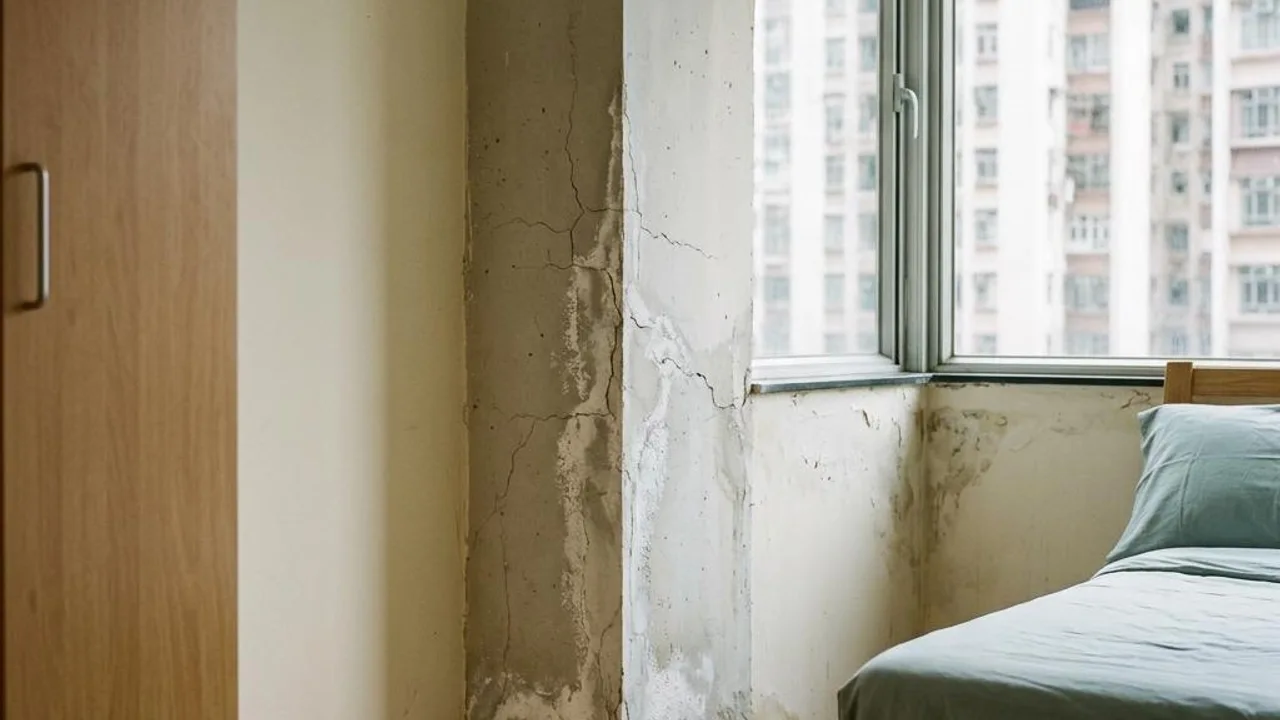
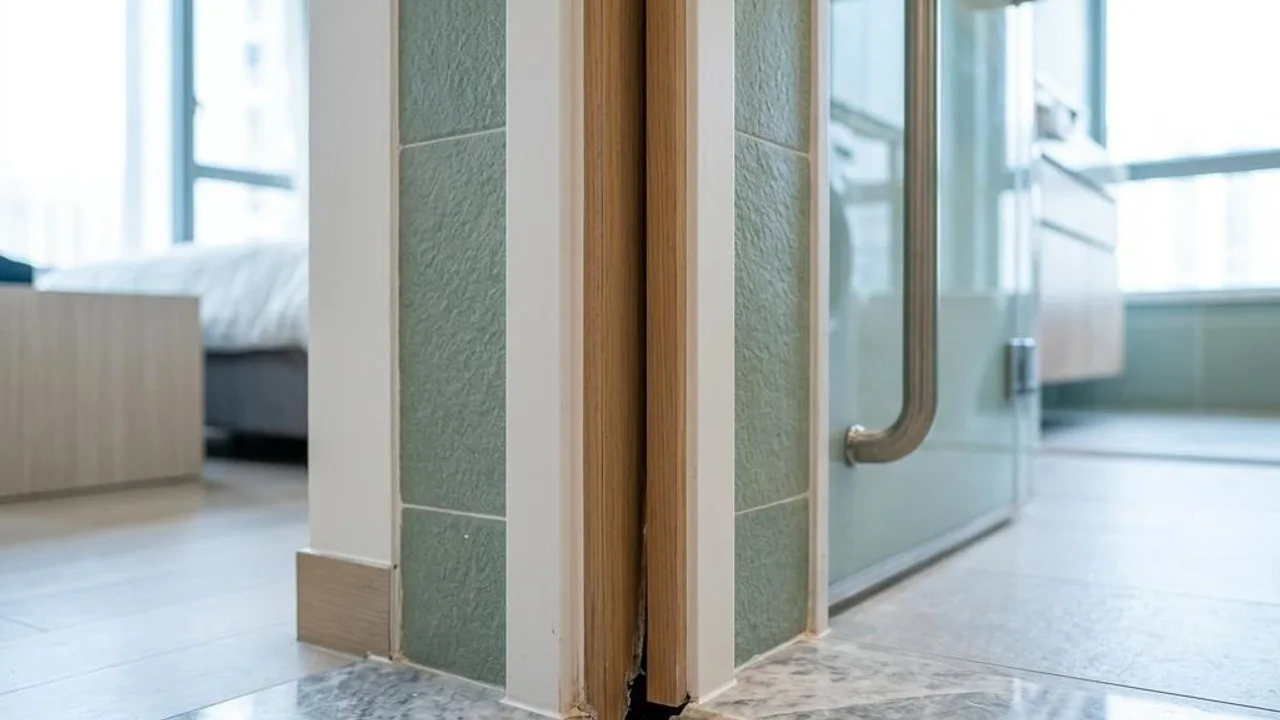
The waterproof layer is the most critical item in decoration projects; if a mistake leads to water leakage, the consequences are disastrous. During inspection, please seal the shower stall drain and fill it with enough water to submerge the floor, observing whether the water level drops within a few hours. At the same time, you must pay attention to the junction between the shower door frame and the wall to check for signs of leakage or water stains. This 'Black Rain Test' can effectively reveal issues with insufficient waterproof layer construction.
For concealed pipes under washbasins and kitchen cabinets, you should turn the tap to the maximum and let it run for a few minutes. During this time, carefully touch the P-trap and all joints to confirm there are no tiny water droplets or dampness. All altered drainage pipe locations must be strictly checked to ensure the system operates smoothly and is completely sealed, avoiding unnecessary disputes due to leaks discovered after moving in.
- Perform a shower stall flood test to verify the waterproof layer.
- Observe if there are signs of water leakage at the door frame and wall edges.
- Drain thoroughly and check all concealed pipe connection points.
- Confirm that there is no condensation or dripping at the drainage pipe connections.
Floor and Wall Tile Inspection: Preventing Hollow Risks.
'Hollow' refers to the condition where tiles are not fully bonded to the base layer, with air pockets inside. This not only makes floor tiles feel floaty when walked upon, but over time, it may also lead to cracking due to thermal expansion and contraction, creating safety hazards. During inspection, you need to prepare a professional hollow-checking stick or a coin and carefully tap all floor and wall tiles throughout the house, listening for their auditory feedback.
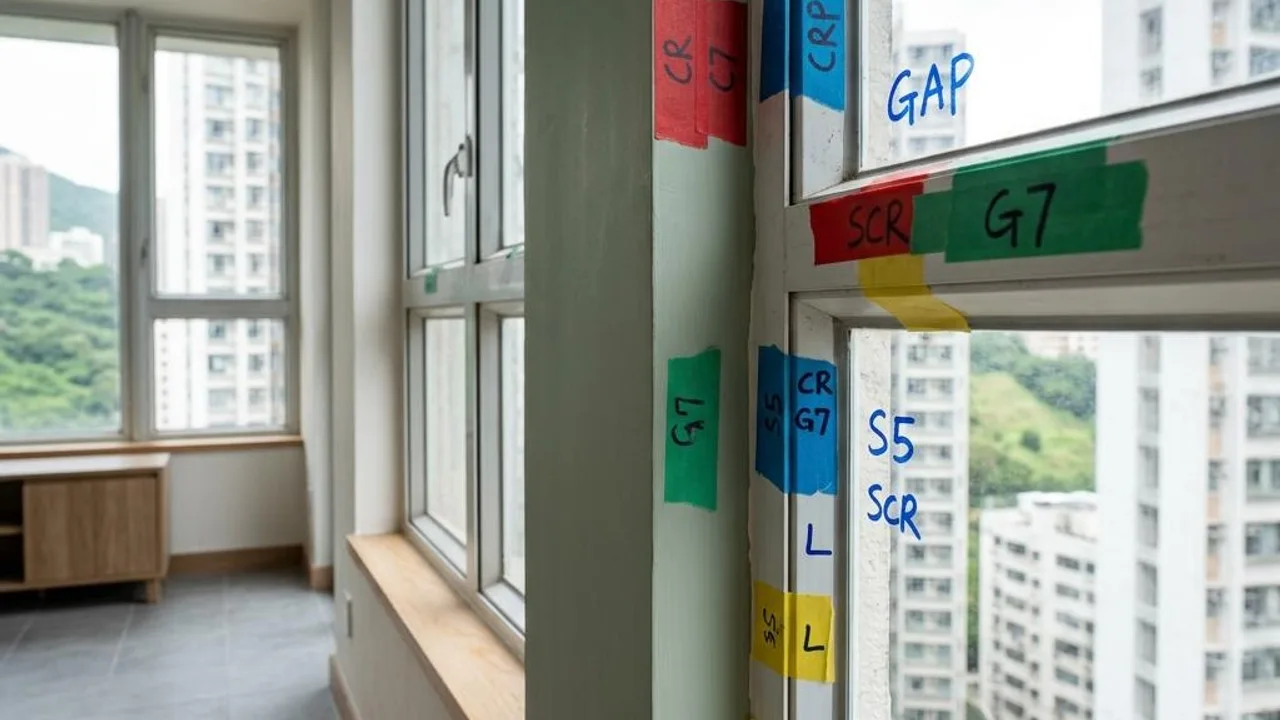
If a clear, hollow 'bop-bop' sound is emitted when tapped, it means that there is a hollow phenomenon at that location. Homeowners should immediately mark all detected locations with masking tape and record them on the defect rectification list. Be sure to request that the decoration company removes the affected tiles and re-lays them, ensuring that the base mortar is filled thoroughly to eliminate future peeling risks.
- Tap wall tiles carefully from top to bottom to look for hollows.
- Tile inspection must be comprehensive and mark problematic areas.
- Identify the difference between 'bop-bop' hollow sounds and solid sounds.
- Clearly mark hollow points and require workers to remove tiles and redo them.
Defect Rectification List and Payment Principles.
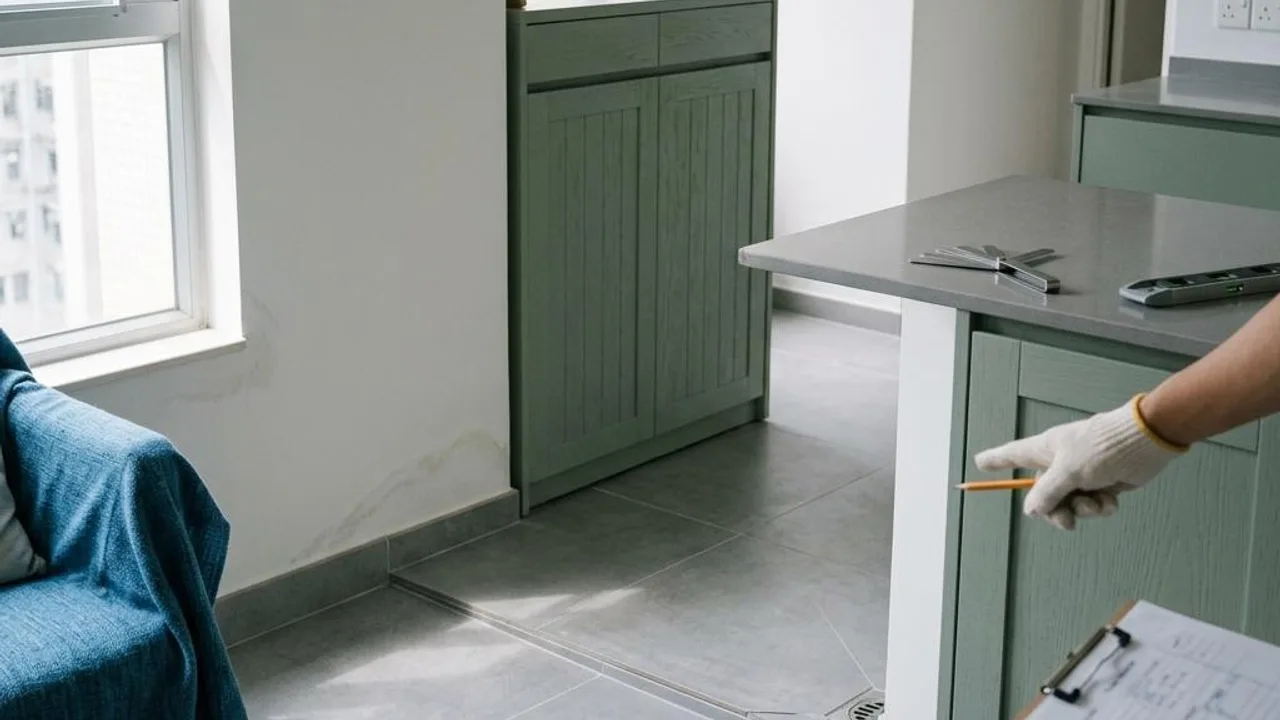
During the inspection, do not easily trust the workers' verbal promises of 'subsequent handling.' All flaws must be documented with photos and compiled into a written 'defect rectification list,' requiring the decoration project manager to sign and confirm it. This is an important legal basis for protecting homeowners' rights, ensuring both parties have a consistent understanding of the defect rectification scope.
In the construction contract, a clear payment schedule should be established. It is recommended to retain a portion of the final balance until all defect rectification items are completed and pass a second inspection. If it is not confirmed that construction flaws have been properly handled, homeowners should maintain a firm stance, avoiding payment of the full final balance before problems are resolved, to reduce the risk of leaving behind consequences in the decoration project.
- Photograph and document all construction flaws as evidence.
- Write a formal defect rectification list and require a signature for confirmation.
- Insist on settling the final balance only after defect rectification and a second inspection.
- Do not accept verbal promises for incomplete defect rectification.
Professional Property Inspection: High-Level Technical Support.
DIY inspections help homeowners discover surface flaws, but their ability is limited when it comes to concealed work such as in-wall pipe leaks, the operating status of electrical installations, or structural conditions. Inspection tools like endoscopes and infrared thermal cameras are only used to assist in observing surface temperatures or specific spaces and do not guarantee the discovery of all hidden defects 100%. For professional assessments involving structural safety, electrical systems, gas pipes, or the thickness of waterproof layers, it is recommended to commission qualified professionals to carry out inspections. If it involves statutory window inspections, please follow the Buildings Department's regulations to hire a Registered Minor Works Contractor to handle it.
For safety, please do not perform electrical tests, disassemble electrical accessories, adjust water pressure valves, or perform high-altitude work yourself.
Entrusting property inspection work to professionals can not only effectively improve inspection efficiency but also use hard engineering data to force decoration companies to carry out thorough defect rectification. A professional property inspection report will be your strongest evidence for striving for reasonable construction quality, helping you get rid of repair troubles and peacefully welcome the perfect life after decoration.
- Use infrared detection to find hidden water leak hazards within walls.
- Utilise endoscopes for in-depth inspection of concealed in-wall pipes.
- Ensure inspection results have professional engineering justification.
- Rely on reports to urge decoration companies to carry out thorough repairs.
Property Inspection Report and Follow-up Service Details.
Regarding the transmission method of the inspection report, the electronic inspection report is usually sent to the homeowner by email or in electronic format within the next working day. Please note that such electronic reports usually do not contain actual on-site photos; if needed, homeowners can record images themselves during the inspection for their files.
It should be specifically noted that if special technology-involved water leak tests such as high-pressure water jet tests are required, they usually belong to an additional service scope, requiring separate application and payment of relevant fees. At the same time, the progress of repairs after property inspection and re-inspection after defect rectification are considered independent follow-up projects and are not automatically included in the initial inspection service.
- Electronic reports are sent on the next working day.
- Report content generally does not include photos.
- High-pressure water jet tests require separate application and payment.
- Re-inspections are considered independent services.
FAQs
If I find flaws in the decoration project, should I pay the balance first and then ask for defect rectification?
It is recommended that homeowners insist on paying the remaining balance only after all defect rectification items have been completed and passed a second inspection. Do not accept verbal promises and pay in full early, so as to protect your rights and reduce future maintenance risks.
How can professional inspectors assist with water leakage concerns discovered during DIY inspections?
Professional inspectors use tools such as infrared thermal cameras and high-definition endoscopes to deeply detect hidden areas, such as the condition of pipes within walls, and provide evaluation reports with engineering justification, helping homeowners urge decoration companies to thoroughly repair potential hazards.
Does the property inspection service report come with photos? If it is not included, how can I record them?
Electronic inspection reports generally do not include photos and are usually delivered on the next working day. Homeowners can take photos themselves during the inspection process to serve as auxiliary evidence for recording flaws.