Window frame seals and airtight performance
The wind and water resistance of aluminium alloy windows and floor-to-ceiling glass common in modern residences depend to a great extent on the rubber seal strips around the window frame. Owners should keep the windows closed during handover, carefully touch and observe whether the rubber strips are close to the window frame, and check for signs such as local breakage, displacement or ageing and deformation.
The degree of airtightness of the window is directly related to sound insulation and wind resistance. If the seal strip has gaps or damage, when a typhoon strikes, the room will not only be susceptible to wind noise but may even vibrate. Carefully checking these sealing accessories is an important step to prevent wind and water leakage later on.
- Observe whether the seal strip is broken or aged and deformed
- Test the airtightness after the window is closed
- Check if the seal strip completely fills the window frame joint
- Look out for abnormal vibrations when opening and closing windows
Hardware component stability inspection
For high-rise or special units that bear greater wind pressure, glass strength and the load-bearing capacity of the window frame hardware are particularly critical. Owners need to push and pull the window sash themselves, check whether the hinge position, handle and lock are smooth, and pay attention to whether there is looseness, unfixed screws or surface rust.
Stable hardware configuration can provide basic structural support during the windy season, ensuring that the sash will not shake violently in strong winds. In addition, preliminarily checking the on-site conditions against the configuration in the sales brochure is also a necessary process to confirm that property details are consistent with the contract.
- Check for signs of rust on hinges and locks
- Ensure all mounting screws are tightened
- Test if opening and closing windows is smooth and unobstructed
- Confirm glass and hardware specifications comply with the manual
Windowsill slope and drainage system
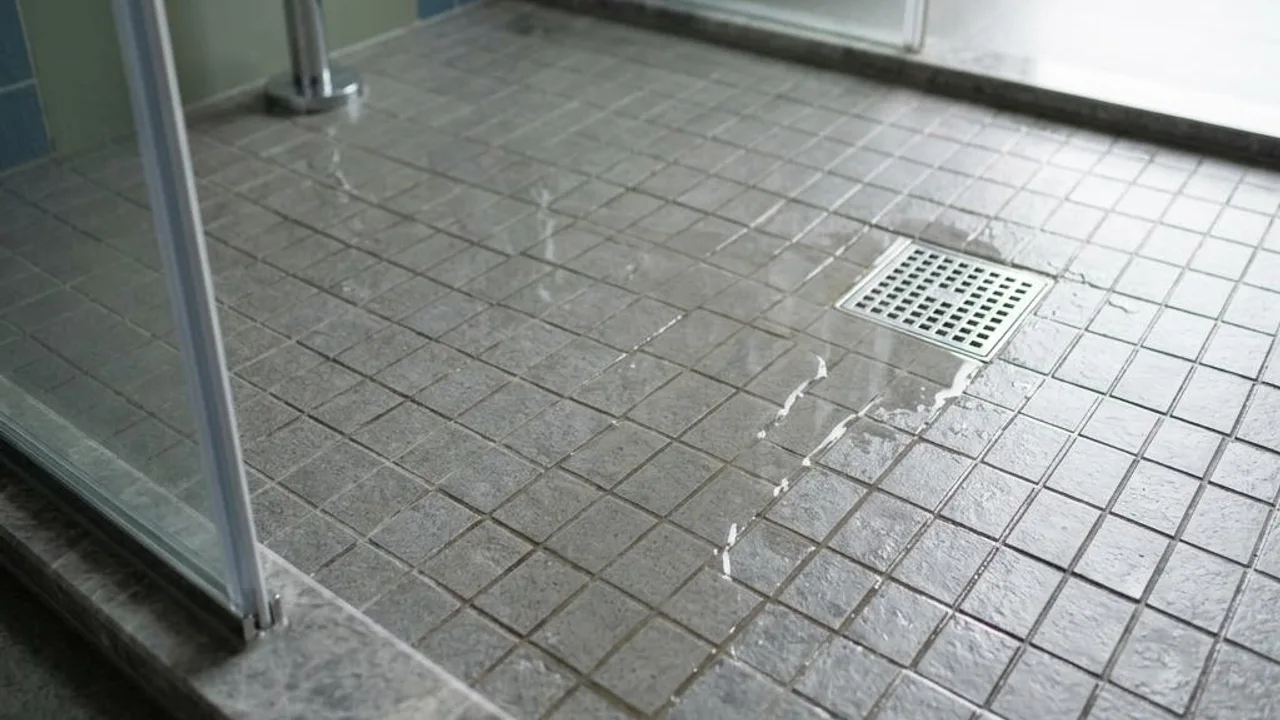
The external windowsill design should have a slight outward slope to facilitate the natural drainage of rainwater and prevent water backflow. Owners should check whether the drainage holes and channels at the bottom of the window frame are clean, and confirm that there are no sand, cement blocks or rubbish left over from renovation blocking the passage.
If drainage holes cannot be kept unobstructed, water may accumulate rapidly during heavy rain and flow backwards into the room through the window frame joints. Keeping hidden drainage channels clean is a basic prerequisite for ensuring the window system performs its drainage function normally.
- Confirm the external windowsill has an outward slope
- Check drainage holes for blockages by sand or cement
- Clear renovation debris from drainage channels
- Ensure drainage passages are not blocked by foreign objects
External wall and joint leakage traces
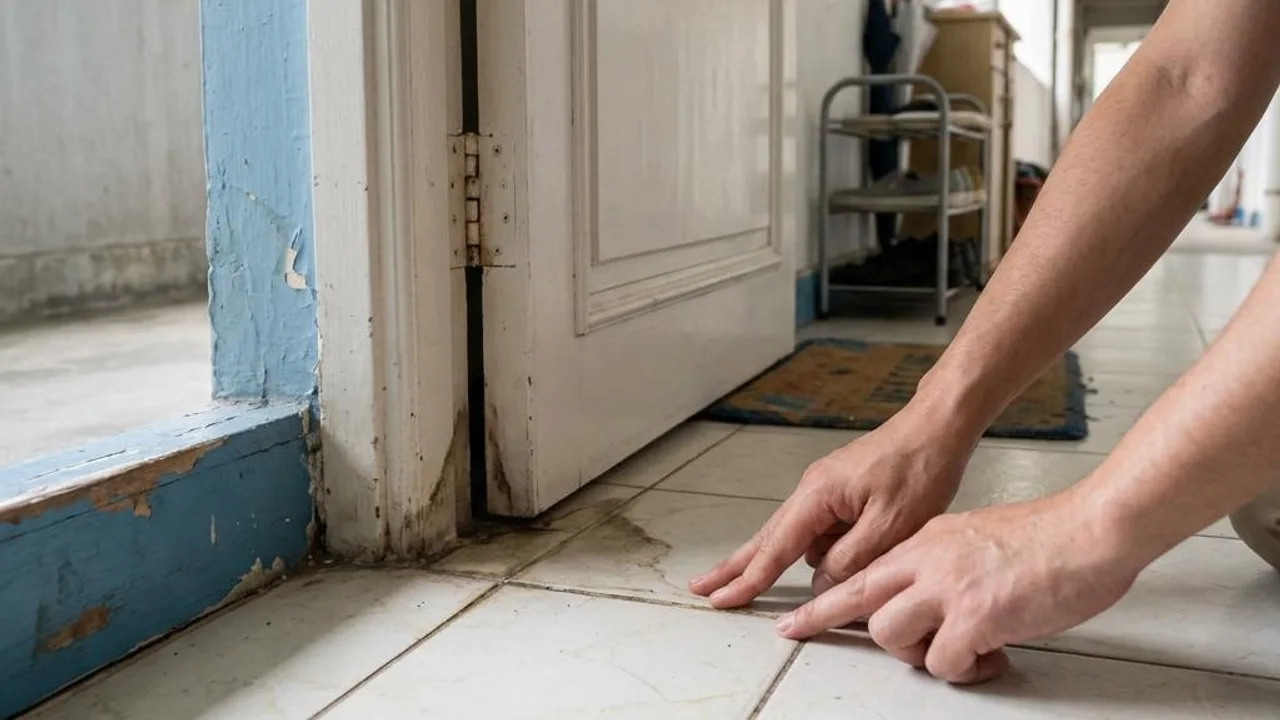
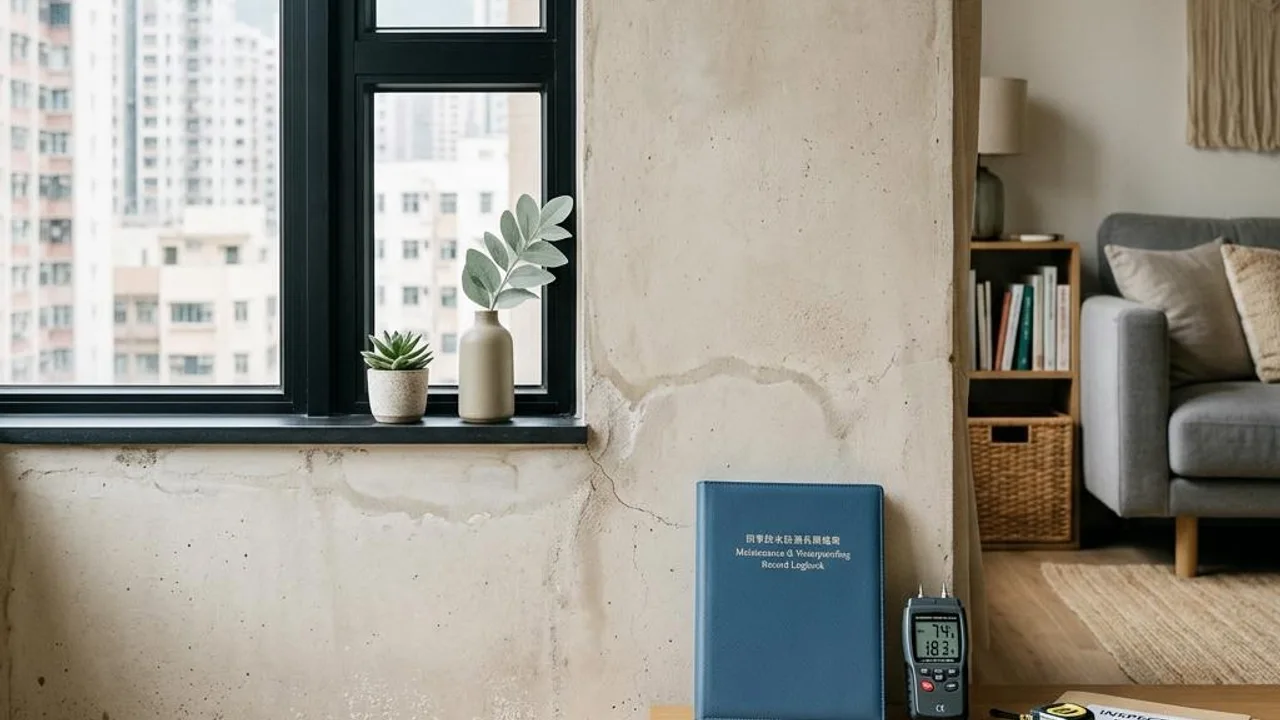
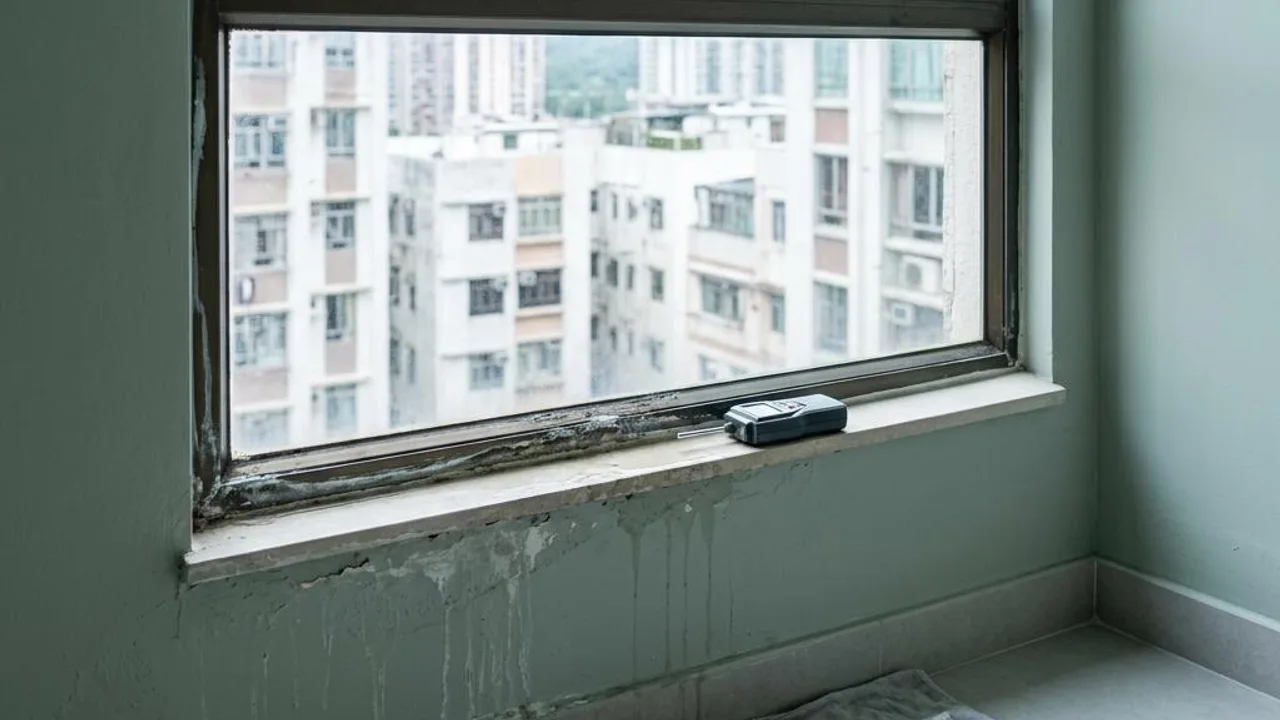
Many leakage problems do not originate from the window itself, but from flaws in the waterproof seal between the window frame and the external wall. Owners need to pay close attention to the foot of the interior wall and the painted surface of the wall right next to the window frame, checking for signs of local bulging, discolouration or pulverised plaster.
Although it is difficult to observe water leakage directly on sunny days, wall dampness traces and paint base peeling are often precursors to hidden leaks. Staying alert to joint positions helps in discovering and making defect rectification requests before the leakage worsens.
- Look closely at the wall around the window frame for water stains
- Watch for local bulging or peeling of the paint
- Check the wall foot for slight mould patches
- Touch the wall for any signs of abnormal dampness
Water jet test and professional assessment
Some property owners attempt to perform window waterproofing tests by spraying water with a hose, but this method often lacks the conditions to simulate the intense wind pressure and multi-angle rain of a typhoon, meaning test results often have significant limitations. Simple methods struggle to assess the overall waterproofing of exterior walls and the deep gaps within window frames.
Inspections involving window wind and water integrity often involve complex high-altitude wind pressure and hidden structural issues. These layers exceed the scope of simple tools and must rely on professional equipment and formal property inspection procedures to accurately assess risks.
- DIY water testing struggles to simulate wind pressure.
- High-altitude buildings face complex wind angles.
- Professional instruments are required to identify micro-cracks.
- Structural airtightness cannot be fully determined through visual inspection.
Professional team assistance and consultation
As the core structure for defending against wind and rain, the hidden installation and sealing of window frames are difficult for owners to fully grasp through visual inspection alone. When facing handover inspection requirements, commissioning a professional OPO Inspection team provides an objective assessment, effectively reducing maintenance hazards that only appear after moving in.
Professional teams can test window performance through systematic procedures, focusing on inspection points prone to leakage during typhoon seasons, helping owners implement improvements during the handover stage to ensure long-term comfort and safety.
- Professional teams possess comprehensive practical experience.
- Systematic procedures ensure no items are missed during inspection.
- Precise localization of potential leakage risks.
- Providing practical repair recommendations.
FAQs
Can using a DIY water hose to flush windows detect the source of a leak?
DIY flushing cannot simulate the strong wind pressure and rainfall angles during a typhoon; it only identifies severe and obvious openings and cannot effectively locate hidden structural or gap-related leakage issues.
If paint near the windowsill is bubbling, does it mean the window is definitely leaking?
Paint bubbling on walls usually indicates that moisture has accumulated internally. Owners should record the affected area, take photos, and consult qualified personnel to assess whether it stems from exterior sealant aging, insufficient windowsill slope, or waterproofing failure.
How should I follow up if I find loose window seal strips during a property inspection?
You should immediately mark the damaged location in the property inspection report and contact the property management office or developer to request the replacement of seal strips that meet specifications, ensuring the windows have proper airtight protection during stormy weather.