Deconstructing the definition of a developer's defect rectification deadline
The developer's defect rectification deadline refers to the specific period after the handover of a new building during which the developer is responsible for building quality maintenance. During this period, if the unit has structural defects, water seepage, hollow tiles, or damage to decoration materials, the owner has the right to request the developer to arrange for repairs.
This deadline is not indefinite and is usually stipulated by law and property purchase contracts. Buyers should clarify the length of the period upon moving in so as to plan for property inspection and subsequent defect rectification processes, avoiding having to bear high maintenance costs yourself due to missing the deadline.
- Defined as the commitment period for maintenance provided by the developer
- Coverage includes structure, plumbing, electrical, renovation, and wall conditions
- The specific duration depends on the contract terms
- Maintenance costs after the deadline must be borne by the owner
The value of the defect rectification period to property assets
The defect rectification deadline is not only a safety net for buyers but also the final checkpoint to ensure the quality of the unit handover. Through the defect rectification mechanism, owners can resolve potential construction flaws before or early after moving in, ensuring the safety and comfort of their home.
For developers, this is a quality assurance liability that requires contractors to maintain construction standards. For buyers, inspecting and reporting defects within the warranty period helps to fix construction flaws and reduces future repair costs arising from structural or equipment problems.
- Protecting buyer investment confidence and asset quality
- Forcing developers to accept the obligation to fix construction defects
- Providing formal legal and contractual mechanisms for dispute resolution
- Ensuring fairness and transparency in real estate transactions
Planning strategies for property inspection and defect recording
To make full use of the defect rectification period, buyers should conduct a property inspection assessment before moving in and truthfully record the problems discovered. It is recommended to number each defect location and take photos as evidence, and records of dates and contact with the developer must be kept complete as legal basis in case of later disputes.
Before the defect rectification period expires, owners may consider conducting a reinspection. This is because many construction problems (such as water seepage) may only manifest some time after moving in. Discovering them early and requesting repairs through contractual terms is the most direct and effective way to protect personal rights.
- Read the maintenance clauses in the property purchase contract in detail
- Regularly observe the condition of walls and floors after moving in
- If defects are found, photograph them as evidence and report them for repair immediately
- Utilise professional assistance to check for hidden problems
- Keep all email correspondence and repair records
The importance of property inspection before renovation
It is recommended to complete a property inspection before any renovation work begins. If alterations are made to the unit without a property inspection, it may affect the developer's maintenance commitment within the defect rectification period, leading to unclear division of responsibility.
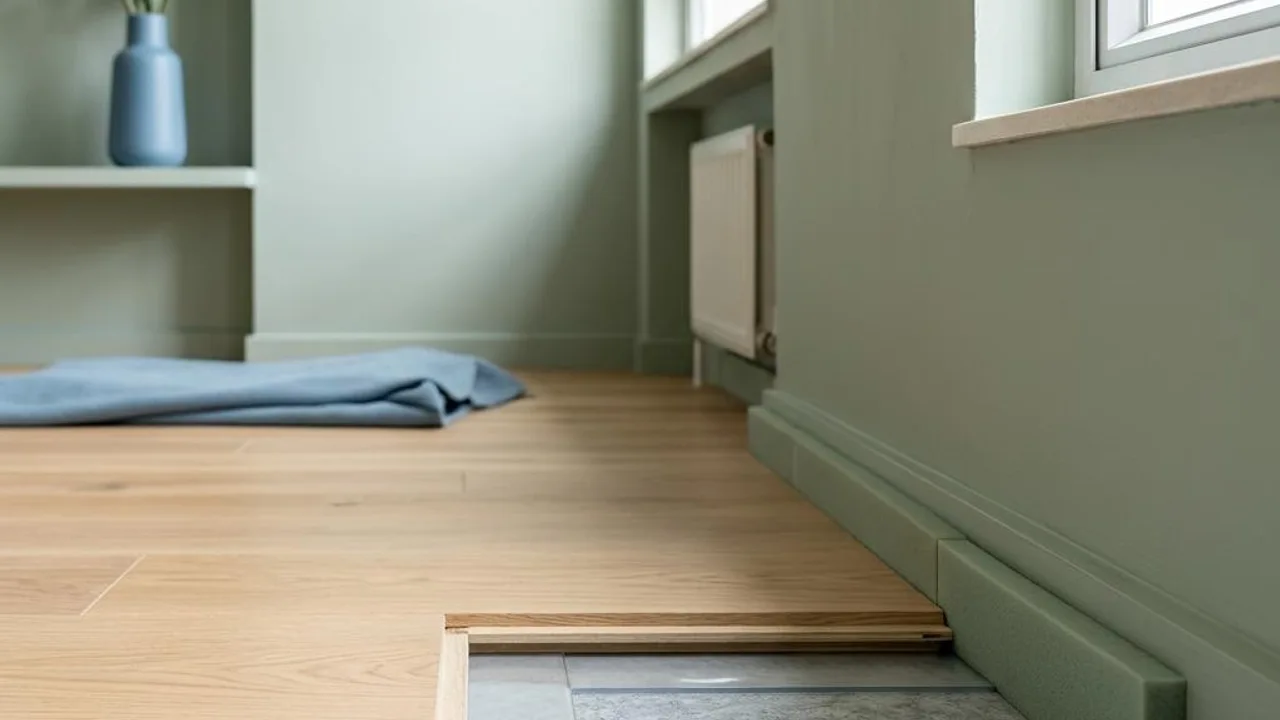
During a property inspection, the owner should check whether the basic building components in the unit meet the handover standards. If water leakage through windows or hollow areas on walls are discovered, the developer must handle the defect rectification first to ensure the original structure is in a normal state.
- Avoid being unable to clarify responsibility for building defects after renovation.
- Ensure the unit's structure meets the original handover standard.
- Be sure to keep all communication records during the maintenance period.
Handling water seepage and latent defects
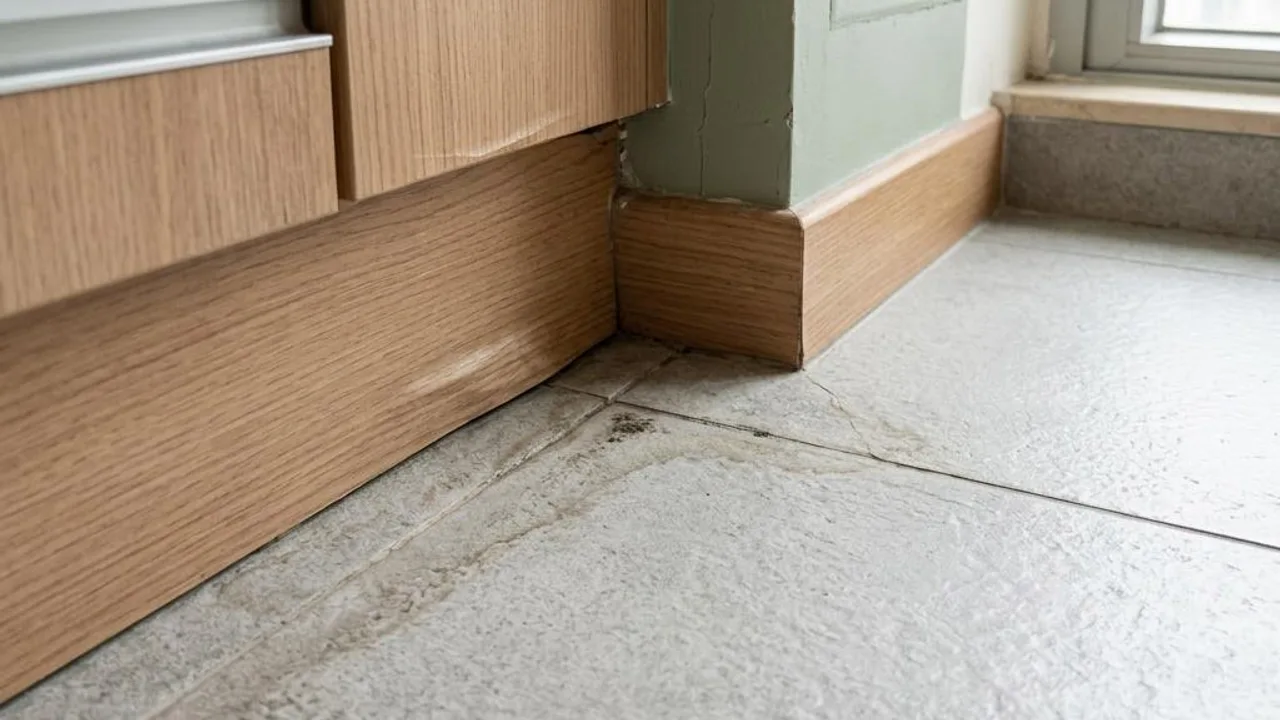
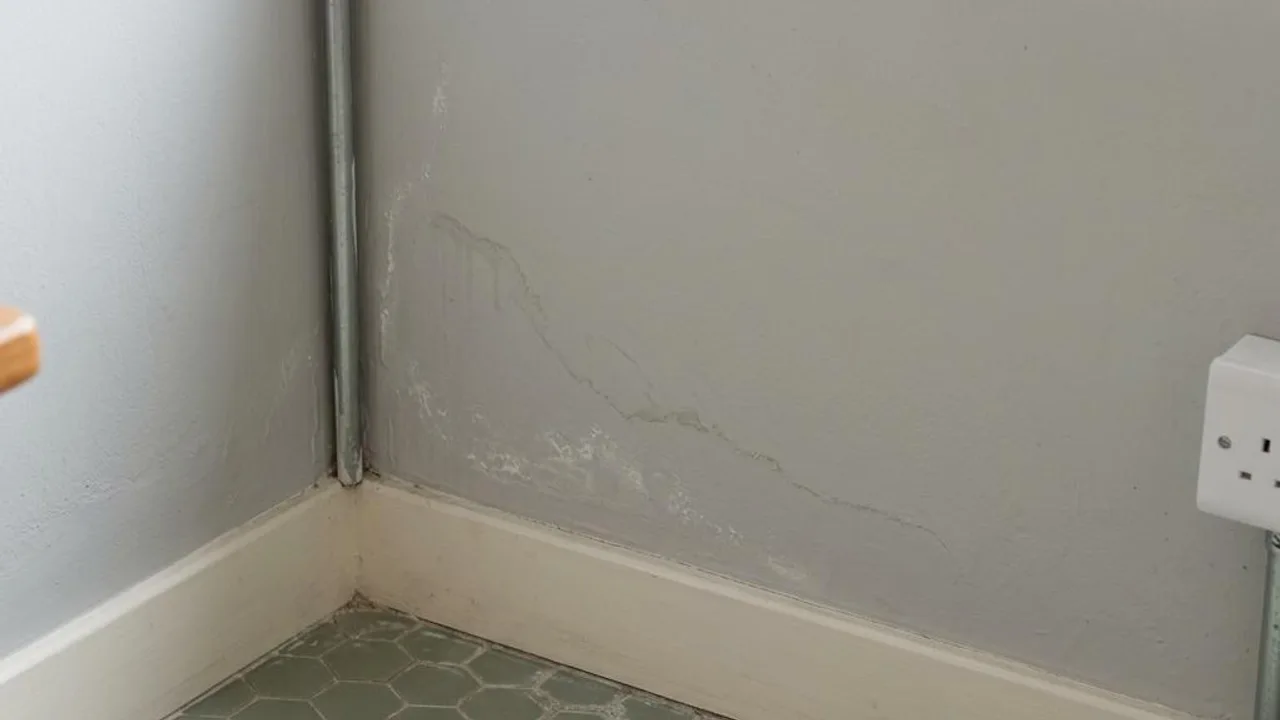
If signs of water leakage are found after moving in, the owner should record the affected area. Due to the complex nature of water seepage, walls should not be dismantled for inspection at will; the developer should be contacted to appoint relevant personnel to investigate and confirm whether it falls under the scope of defect rectification.
If there is a risk of leakage in concealed spaces such as ceiling pipe locations, professional inspection should be used to assist in observing any abnormalities. All observed conditions should be reported to the developer in a timely manner and the maintenance progress should be continuously followed up; do not ignore small areas of damp stains.
- Observe walls for water stains or paint peeling.
- Check floors for obvious ponding or strange odours.
- Record the specific location and time of the water leakage occurrence.
FAQs
How should an owner respond if the developer refuses to process a request for defect rectification?
The owner should organise all contact records and photos of defects taken during the property inspection and reiterate the relevant terms in writing. If the dispute continues, it is recommended to seek legal advice or contact the dispute resolution channels stipulated in the contract.
Do the construction recommendations in a property inspection report have legal effect?
A property inspection report is a record of the property condition, and its primary function is to assist the owner in communicating with the developer. The construction recommendations within the report do not have binding legal effect; specific repair schemes must be assessed by the developer and the contractor based on building standards.
Why are some building defects only discovered after living in a unit for some time?
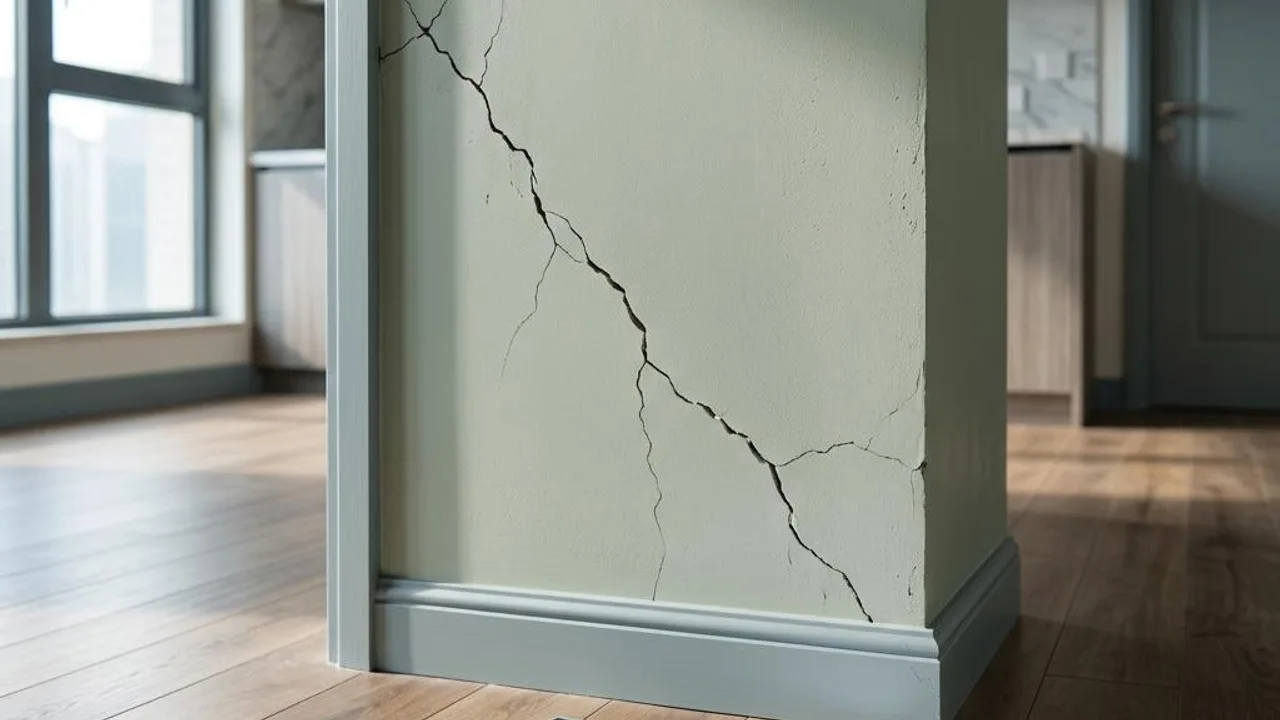
Some defects, such as minor water leakage or structural cracks, may be affected by temperature changes, gravitational settlement, or drainage pressure after continuous use, and only become apparent after the unit has been used for a period.