Causes and Effects of Residential Wall Seepage
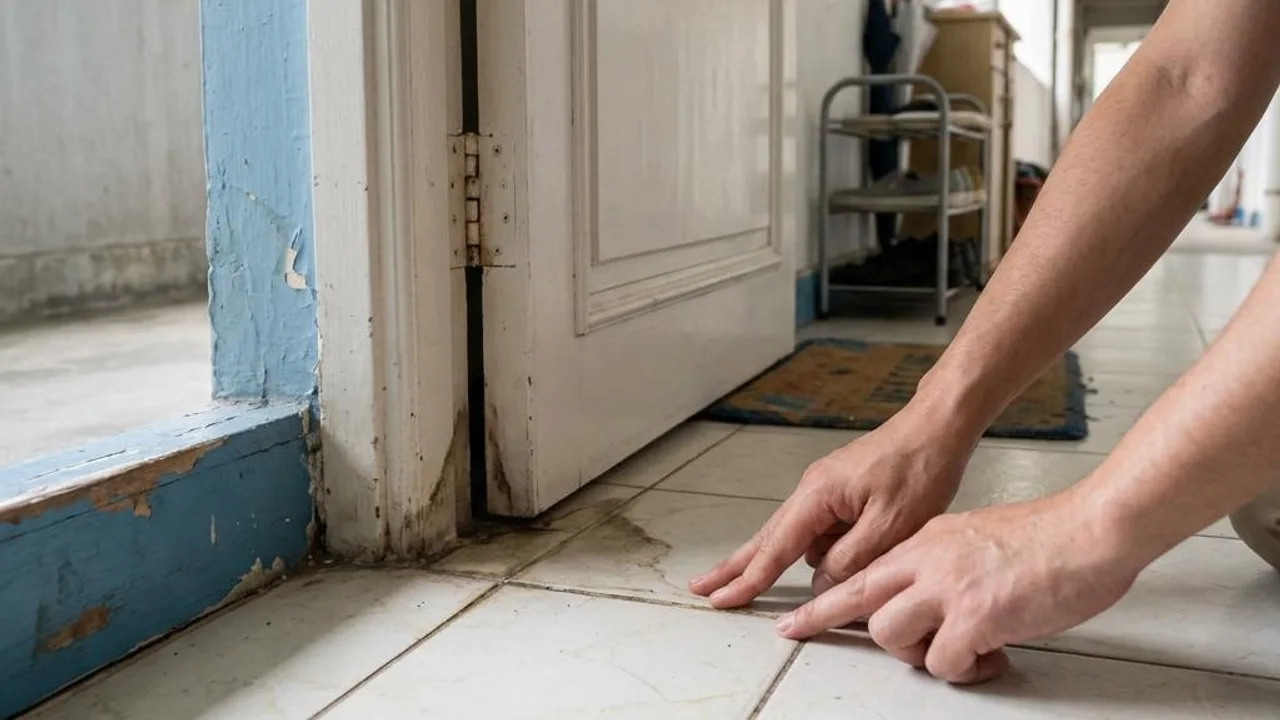
Wall seepage is quite common in Hong Kong homes, with various causes including design defects, ageing building waterproofing layers, or improper maintenance. Once moisture penetrates the wall, it damages structural stability and may cause metal corrosion and steel reinforcement expansion; if left untreated for a long time, it can cause plaster to peel off.
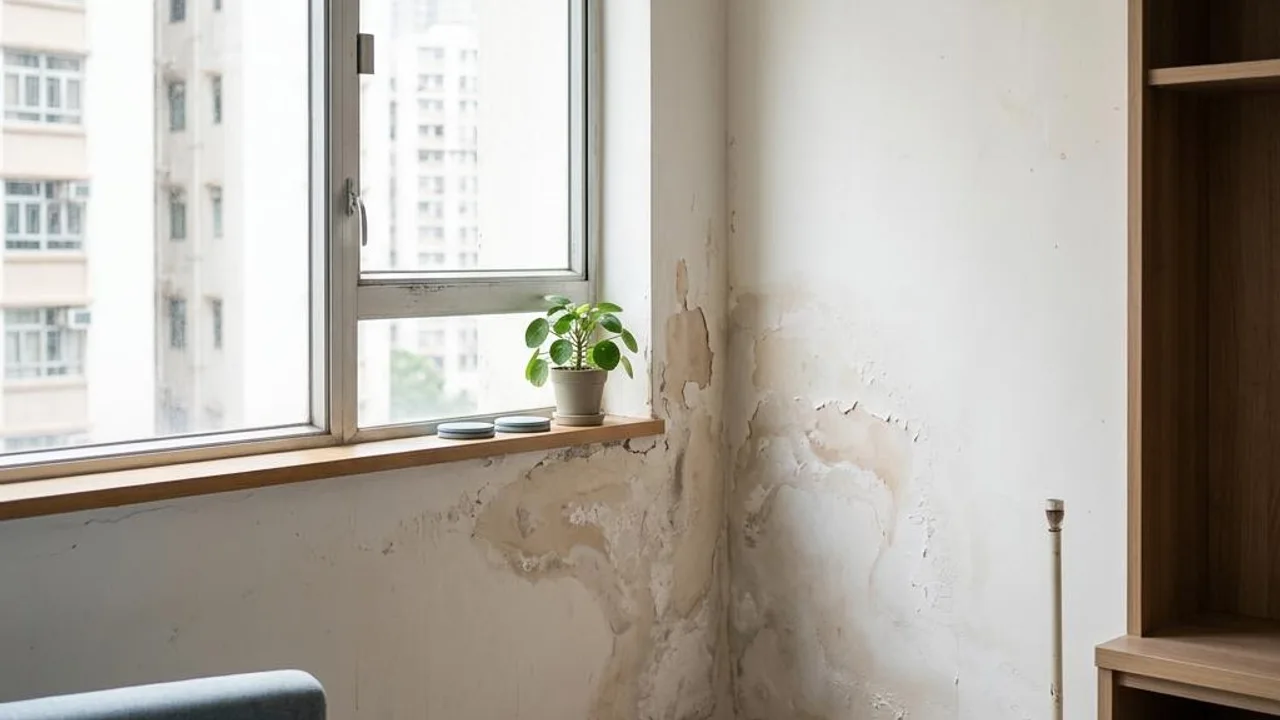
Beyond structural impact, damp environments are also breeding grounds for mould and bacteria. When indoor humidity stays above 70%, mould patches easily appear on walls. Although this odour is not a diagnostic standard for health hazards, it certainly reflects the need for environmental management, and owners should treat it with caution.
- Seepage Caused by Waterproofing Layer Failure
- Signs of Plaster Dampness and Mould on Walls
- Structural Steel Reinforcement Corrosion Risks
- Impact of Excessive Indoor Humidity
Visual and Sensory Inspection of Wall Seepage
The first step of a professional property inspection is a thorough visual observation. In sufficient light, the property inspector will carefully examine wall corners, ceiling edges, and window frame surroundings, looking for clear signs such as water marks, mould patches, blistering paint, or discolouration. These visual pieces of evidence are the most important criteria for an initial assessment of whether seepage exists.
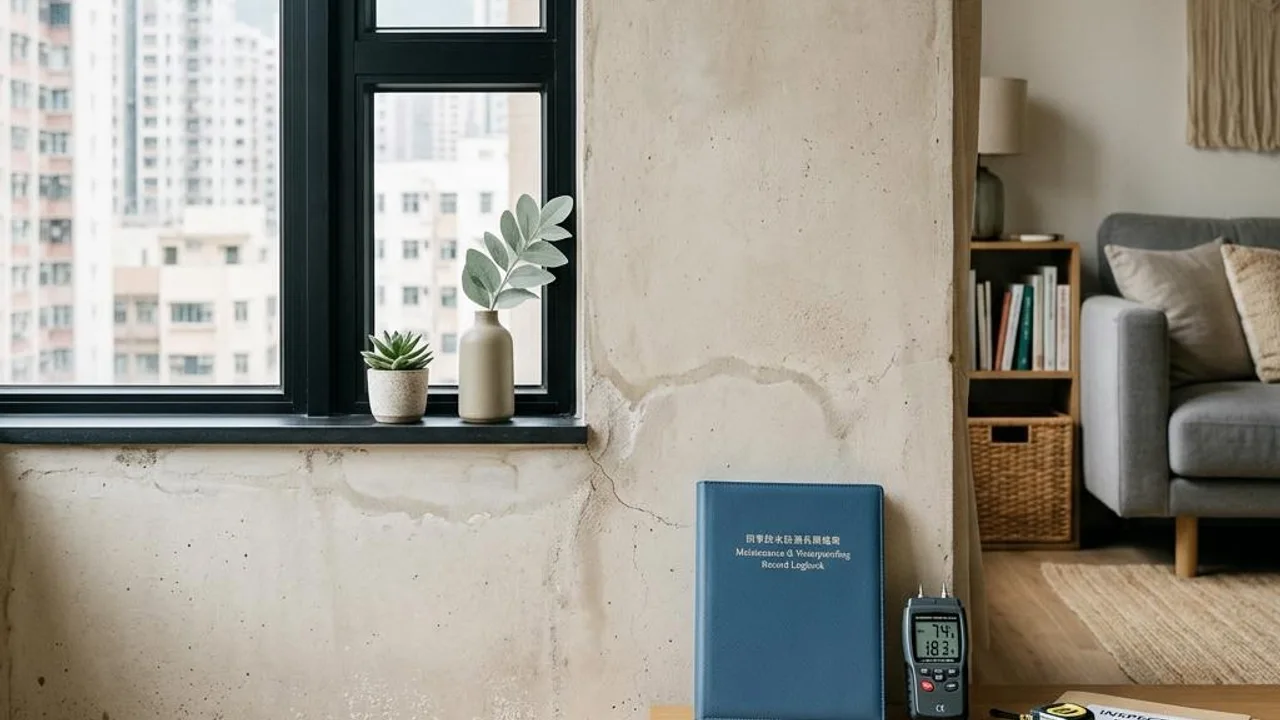
Touch inspection is equally critical; if the wall shows obvious softening or abnormal coldness, it often indicates high moisture content deep within the wall. Although professional property inspections are supplemented by professional moisture meters for data recording, an owner's daily observations can also serve as a foundation. If any abnormalities are found, they should be recorded early and reported to the developer or property management office.
- Carefully check for wall water marks and mould patches
- Touch-test walls for softening
- Observe peeling or blistering paint
- Note if there are hints of mouldy odours indoors
Professional Equipment Inspection and Assessment
For trace seepage invisible to the surface, professionals will use a moisture meter to perform non-destructive tests. Through data recording, potential hidden water sources can be identified more accurately.
Such inspection data provides an objective assessment of the seepage and is compiled into a written report, helping the owner clearly grasp the condition of the seepage area, which serves as a basis for further repairs or communication with the property management office.
- Use a moisture meter for precise recording
- Perform non-destructive surface testing
- Identify potential hidden water sources
- Provide written reports and suggestions on the problem
Solutions and Preventative Measures for Wall Seepage
If inspection confirms the presence of seepage, owners should prioritise remedial measures. If the property is still within its building warranty period, the problem should be recorded in a timely manner and the developer's warranty department contacted. If it is an older house, a qualified registered contractor must be hired to carry out waterproofing works; avoid relying solely on surface paint patching.
Daily preventative measures are also of vital importance. Keeping indoor ventilation systems working effectively and maintaining humidity levels below 70% can significantly reduce the chances of mould growth. For areas that are damp for long periods, correctly installing a dehumidifier and ensuring that drainage pipes are free of blockages is the most effective way to maintain the indoor air environment.
- Contact the developer for warranty repairs
- Appoint a registered contractor for waterproofing repairs
- Maintain indoor ventilation to reduce humidity
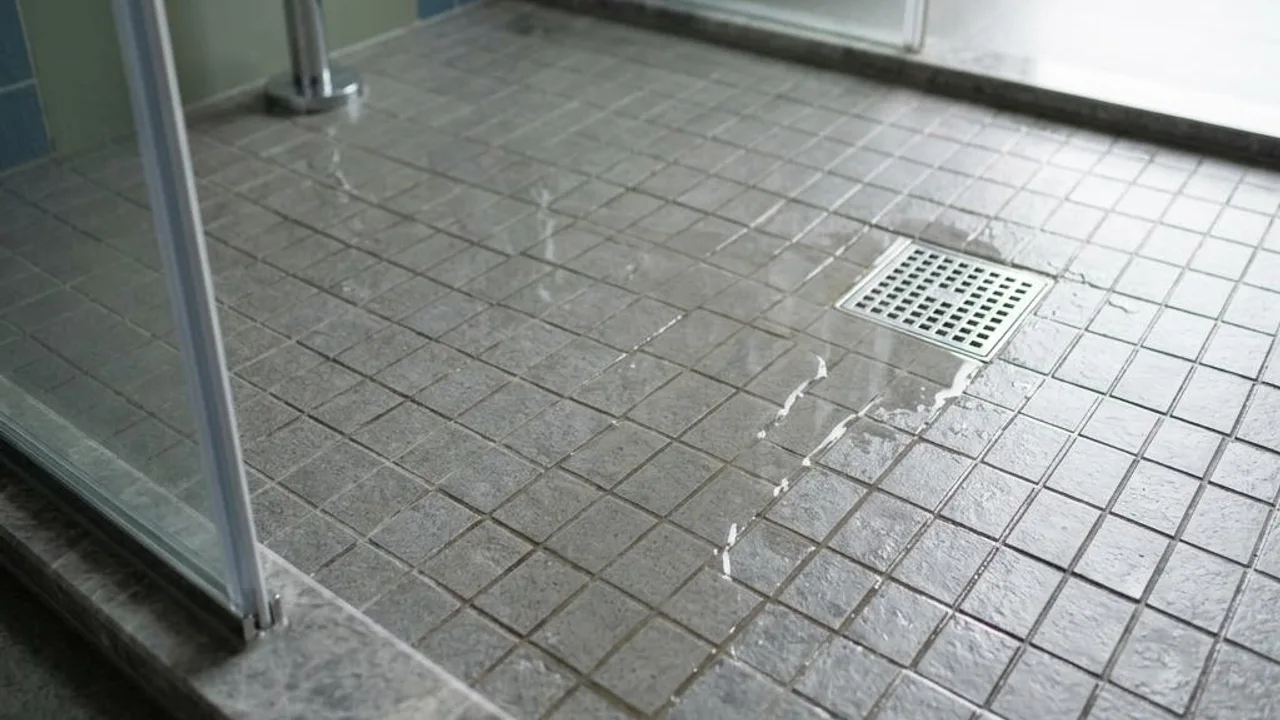
- Regularly check the condition of drainage pipes
Property Inspection Reports and Professional Follow-up
The purpose of a property inspection report is to provide detailed and objective inspection data, which is crucial for handling disputes or claims. The report not only records visual evidence of water seepage locations but also assists in establishing evidence for repairs.
When hidden water seepage that is difficult to clarify is discovered, it is recommended to appoint a professional consultant for in-depth follow-up, rather than relying solely on experience to make a judgment, ensuring that the repair scheme meets professional standards.
- Provide detailed and objective property inspection data
- Assist in recording evidence of water seepage locations
- Assist in establishing evidence for repair claims
- Recommend professional consultants for follow-up
FAQs
Does discovering mould spots on a wall necessarily mean there is a water leak?
Mould spots may be caused by a water leak, but they could also be caused by condensation resulting from high indoor environmental humidity or poor ventilation. It is recommended to first observe the area of the mould spots and whether there are water marks, and to maintain ventilation while observing the situation. If it continues to expand, you will need to seek a professional for an inspection.
What can owners do while waiting for repairs?
Owners should first take photographs of the damaged area as a record, and keep that location dry, install a dehumidifier to control indoor humidity, and at the same time contact the management office or developer to enquire about the progress of repair follow-ups; do not carry out any dismantling or sealing work yourself.
What should be paid attention to when hiring a contractor to deal with water seepage?
You should ensure you hire a qualified registered contractor, ask them to assess the source of the water seepage, and provide detailed repair recommendations rather than just applying a surface coating. If it involves waterproofing works, you need to confirm their warranty coverage and whether the construction plan meets professional standards.