Ensure building structural safety and prevent risks.
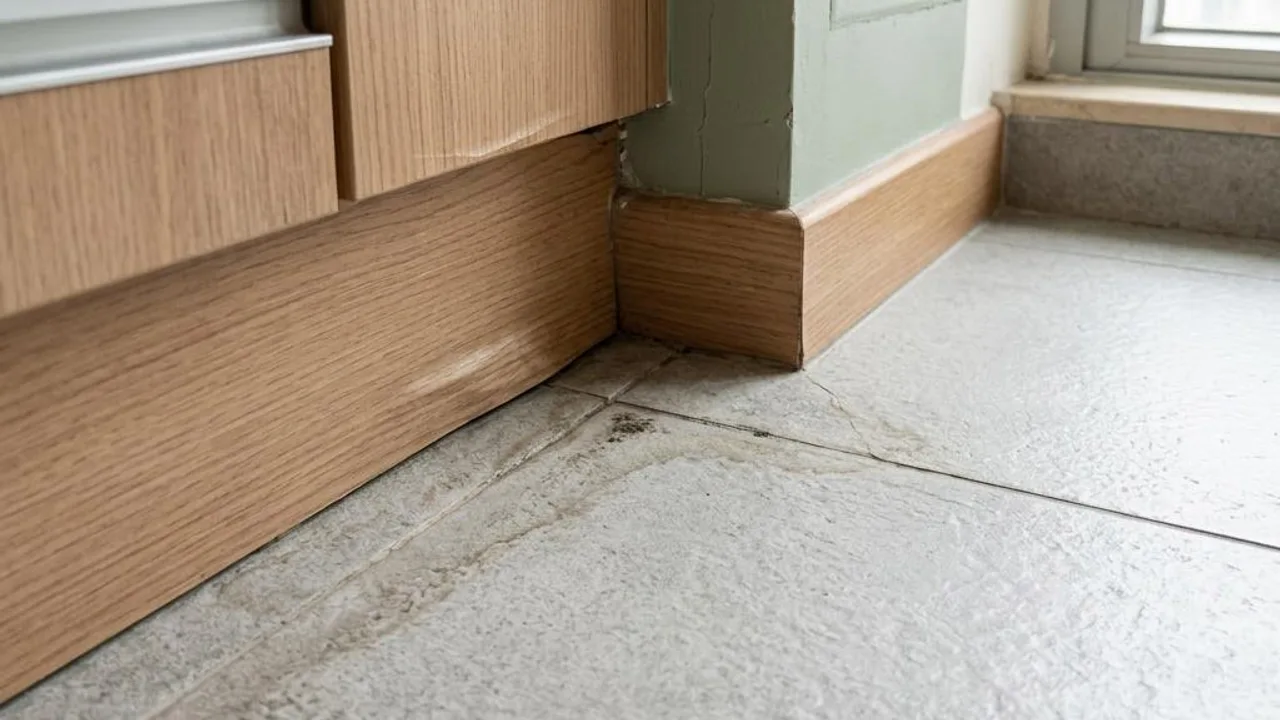
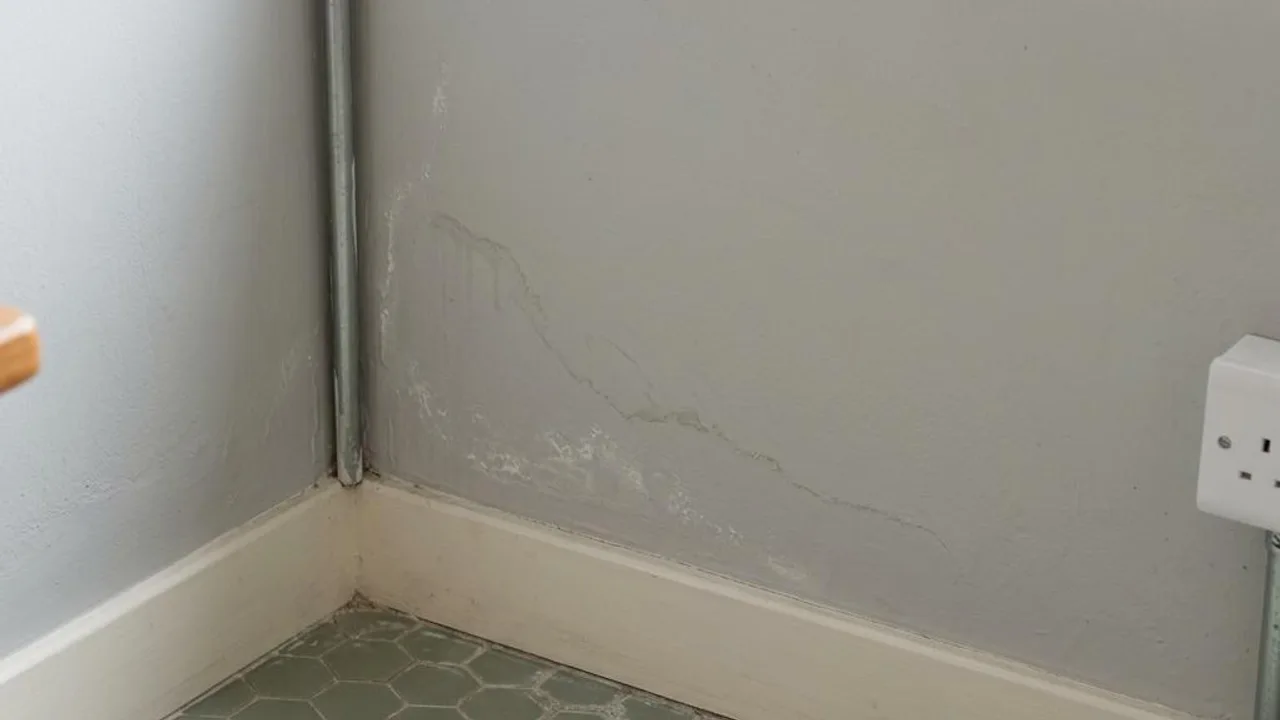
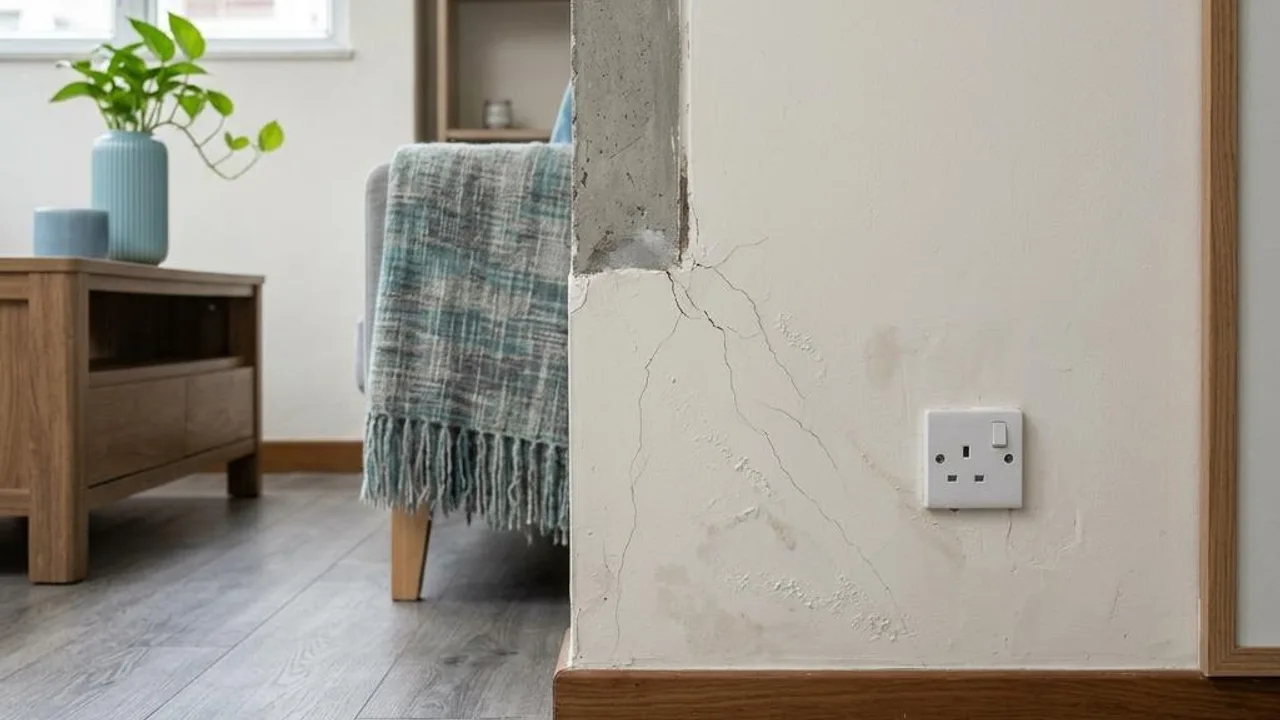
Building inspection is the cornerstone of maintaining the health of the building structure. As the age of the building increases, buildings will inevitably suffer from varying degrees of cracks or water seepage on walls, ceilings, or floor slabs due to natural ageing, structural burdens, or thermal expansion and contraction. Although these signs may be small initially, if ignored for a long time, moisture may seep into the concrete and cause internal rebar to oxidise and expand, eventually causing concrete spalling, which poses a potential threat to the safety of the residents.
In addition to surface observation, the focus of professional structural inspection is on monitoring the integrity of the building. Property inspectors usually assess the direction and nature of the cracks, distinguishing whether they are surface cracks in the decoration paint or deep cracks penetrating the structure. If residents find that door and window frames are deformed and difficult to open or close, or that large cracks appear in corners, such abnormalities may involve building settlement or structural load issues, and it is recommended to immediately hire an authorised person or registered structural engineer for professional assessment.
- Regularly observe whether there are abnormal water seepage traces or cracks on walls and ceilings.
- Pay attention to whether door and window frames are deformed or difficult to close, which may reflect slight building displacement.
- When signs of water seepage are found, seek professional help as soon as possible to prevent rebar corrosion.
- Monitor public areas for obvious signs of settlement or large cracks and report to the management office.
Home water, electricity, and indoor environmental safety testing.
A high-quality living space depends not only on structural stability but also on a perfect water and electricity supply system. Many hidden dangers to home safety are often hidden in concealed areas, such as hidden pipe leaks, aging electrical wiring inside walls, or poor contact in sockets. If these problems are not dealt with in time, they can cause mould growth, damp walls, and affect respiratory health; or in severe cases, they can cause short circuits and tripping, or even spark electrical fire crises.
During daily inspections, owners should focus on the operating status of electrical equipment and drainage facilities. For example, whether the plugs of home appliances that operate at high power for long periods are overheating, and whether drainage outlets are backflowing or emitting odours. If complex water pipe rerouting or electrical system repairs are involved, they must be carried out by a registered electrical contractor or a professional plumber; do not alter them privately to avoid violating regulations or causing danger.
- Check whether large home appliances (such as air conditioners) have independent power supplies to avoid excessive electrical load.
- Regularly check whether extension leads and the outer casing of electrical wires show signs of charring, wear, or deformation.
- Pay attention to whether there is continuous dripping from bathroom or kitchen drainage pipes to prevent mould growth.
- Keep indoor air circulating to regulate humidity and reduce wall damage caused by dampness.
Maintain property asset value and prepare for transactions.
A systematic set of maintenance records is crucial for increasing property market value. Potential buyers or tenants in the market often scrutinise the maintenance status of a property. If owners can provide detailed maintenance and repair records, or display through a professional property inspection report that the property is in good operating condition, this not only increases transaction confidence but also effectively reduces the risk of being drastically pushed down in price due to hidden defects during buying and selling negotiations.
In addition, the habit of regular building inspections helps owners grasp the real-time condition of the property, thereby setting aside a reasonable maintenance budget. Compared with emergency repairs only after serious structural or water seepage problems are discovered, proactive regular maintenance can significantly reduce repair costs, ensure that asset value remains stable in long-term investment, and achieve the goal of high-quality property management.
- Establish and maintain comprehensive property inspection and historical maintenance records.
- Regularly maintain water supply systems and electrical installations to keep the property in good condition.
- Prepare detailed professional reports to serve as market evidence for future property leasing or sales.
- Address minor defects early to prevent problems from deteriorating into expensive repair projects.
Fulfill legal obligations and statutory inspection requirements.
Under Hong Kong's building management legal framework, owners are obligated to ensure that installations within private units meet basic safety standards. Especially for buildings that have reached a certain age, owners often receive statutory Mandatory Building Inspection or Mandatory Window Inspection notices issued by the Buildings Department. These legal requirements are not mere suggestions but binding obligations; failure to appoint a qualified person to inspect and carry out repairs on time will result in fines or even prosecution for the owner.
Professional third-party inspections can assist owners in pre-emptively identifying these statutory risks and clarifying specific repair matters that need attention. By hiring registered engineering professionals to conduct formal legal testing, owners not only fulfill their civic duties and avoid additional legal costs caused by delays, but also ensure that the various structural and fire safety facilities in their units meet safety requirements under modern building regulations.
- Proactively confirm whether the property is within the scope of the Buildings Department's Mandatory Building or Window Inspection Schemes.
- Upon receiving a statutory notice, ensure to appoint a qualified person to carry out the prescribed inspection.
- Ensure that all electrical installations possess valid certificates of completion.
- Regularly review whether interior modifications comply with the approval requirements of the Buildings Ordinance.
Professional property inspection procedures and methods.
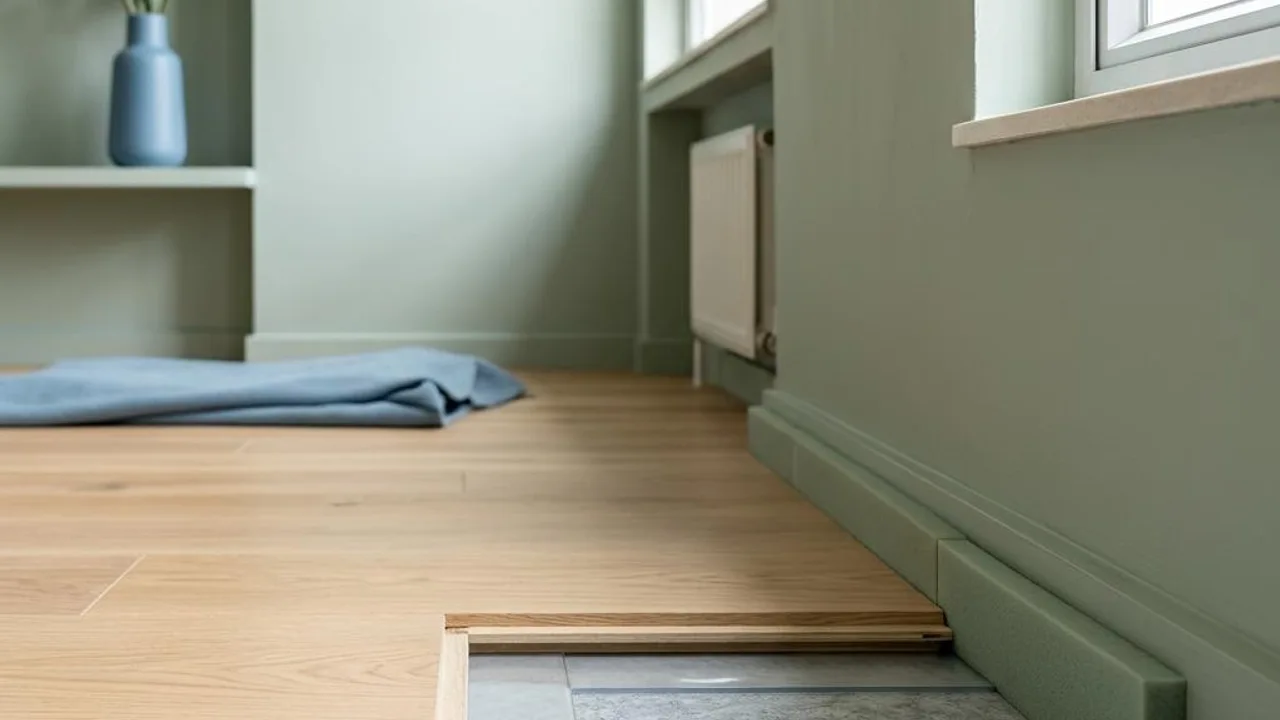
Professional property inspection services go far beyond visual checks. In essence, they involve using various measuring instruments and professional judgment to conduct a comprehensive health check on the property. OPO Inspection teams typically utilize non-destructive testing methods, such as using infrared thermography to check for abnormal seepage within walls, using spirit levels to check floor flatness, and conducting standard water pressure tests to replace intuitive guesses with scientific data.
During the inspection, owners can observe how professionals record data and defect points and may request detailed follow-up explanations. These professional tools can accurately reveal hidden concerns difficult to detect with the naked eye, such as water seepage caused by failed window frame sealant, or the distribution of hollow areas in walls. After obtaining an objective list of defects, owners should refer to the professionals' suggestions and contact appropriate repair contractors for targeted repairs.
- Professional inspections should cover wall hollowness and flatness testing.
- Use instrument-assisted checks for the sealing performance of water pipes and windows.
- Record the specific locations of structural cracks and water seepage points for subsequent repairs.
- Establish repair priorities through professional data analysis.
FAQs
If cracks are found in the walls at home, how should one judge the severity?
Owners can observe the width, direction, and depth of the cracks. If they are fine surface paint cracks, they are usually caused by material shrinkage. If the cracks extend diagonally, penetrate through the wall, or cause brick displacement, it may involve structural issues. It is recommended to mark the location of the cracks, continue to observe them, and hire a professional to assess their nature.
If water seepage is discovered indoors, what action should be taken?
First, identify the source of the water seepage, such as whether it is caused by windows, pipes, or the unit above. Owners should properly record photos of the location, frequency, and scope of the seepage, and provide the information to the property management office for assistance in investigation. If hidden pipes are involved, professionals must use water pressure tests to determine the cause; do not chisel open the wall yourself.
Why does professional property inspection not recommend that owners attempt to dismantle structural components for inspection themselves?
Privately dismantling walls, ceiling decorations, or interfering with electrical and gas installations involves extremely high risks. If operated improperly, it may damage concealed facilities or destroy building structures, and even lead to illegality if load-bearing walls are touched. All inspections involving structures or systems should be carried out by registered professionals in the relevant fields to ensure safety and compliance with legal standards.