Building safety and mandatory window inspection responsibility.
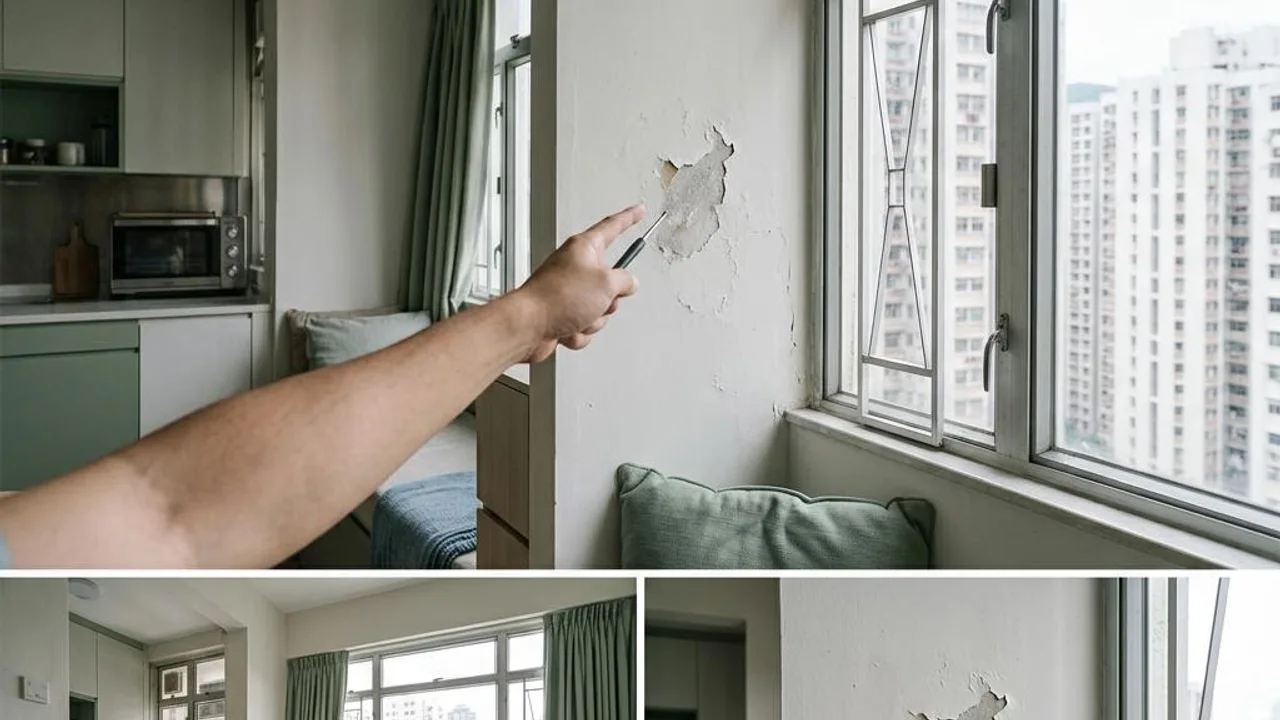
Private building safety is the owner's responsibility. According to current ordinances, private buildings aged 10 years or older must undergo mandatory window inspections periodically. If a statutory notice is issued by the Buildings Department, the owner must appoint a qualified person registered with the Buildings Department to perform an inspection, checking the condition of window components such as hinges, screws, and locks. Such statutory inspection procedures must be handled by professionals and are independent procedures, not the general inspection services provided on this website.
The window inspection process includes a comprehensive visual check and functional test for all windows, ensuring that operation switches are smooth and the structure is solid. This is not only to comply with legal requirements but also an important line of defense to safeguard the daily living safety of occupants. Any necessary repair works must be carried out by a registered contractor to ensure repair craftsmanship meets statutory safety standards.
- For private buildings aged 10 years or older, if owners receive a notice for the Mandatory Window Inspection Scheme from the Buildings Department, they must hire a qualified person to carry out the inspection and supervise necessary repair works. This inspection is a statutory procedure and is not included in general home inspection services.
- Appoint a qualified person to execute the prescribed inspection.
- Perform any repair works through a registered contractor.
- Periodically inspect the corrosion status of key components such as window hinges and screws.
Household electrical safety management.
Household electrical safety is a focal point in property inspections. Residents should regularly check the appearance of plugs, flexible cords, and electrical installations, noting any signs of charring, deformation, odors, or poor contact. Never use extension units in damp locations and avoid touching electrical appliances while your body is wet to prevent electric shock accidents. Correct usage habits can significantly reduce electrical risks.
High-load appliances such as air conditioners, electric heaters, or dehumidifiers must occupy dedicated fixed sockets; avoid sharing extension units to cause overloading. In addition, any modification or addition to fixed electrical installations, or the connection of equipment not supplied via sockets (such as water heaters or ceiling lights), must be handled by a registered electrical contractor. Upon completion of the work, please ensure to request a Completion Certificate (WR1) to ensure the electrical work is safe and reliable.
- High-power appliances must be connected to independent wall sockets.
- Check plugs and electrical wires for aging or odors.
- Prohibit the use of extension units in damp areas or near water sources.
- Fixed electrical installation modifications are the responsibility of a registered electrical contractor.
Indoor environment and health quality.
Indoor air quality management is the core link to improving a healthy living environment. Maintaining ventilation and controlling humidity are key to preventing mold growth. Indoor relative humidity should ideally be kept below 70%. If a moldy smell is detected in the environment or mold spots appear on walls, check the wall or ceiling for hidden seepage, and clean and repair the affected surfaces.
Smells or physical discomfort can only be considered as cues for environmental problems. If residents perceive that air quality is abnormal, it is recommended to start by checking for leakage points, cleaning air conditioner dust filters, and maintaining kitchen and bathroom ventilation. Through a systematic property inspection, the sources of factors affecting the indoor environment can be identified earlier, thereby adopting effective remedial or improvement measures.
- Keep indoor relative humidity below 70%.
- Regularly clean the air conditioner dust filters to improve airflow.
- For mould issues, clear the mould first before carrying out leak-proofing works.
- If there is a persistent odour, check for the presence of concealed leaks.
Property maintenance and value preservation strategies.
Regular property inspections are essential for maintaining property value. Over time, building structures and concealed pipelines inevitably suffer wear and tear. Through professional property inspection and routine maintenance, addressing pipe leaks or rebar corrosion early can prevent maintenance costs from increasing exponentially due to delays. Well-maintained units are more competitive in the second-hand market and enhance transaction confidence.
During property transactions, transparent inspection records are the key to successful buying and selling. Providing regular maintenance records and professional property inspection assessments helps to illustrate the management status of the property. Inspection advice is considered a means of asset preservation, helping to prevent the functional deterioration of the house and maintain the market value of the property. Inspection reports only reflect the conditions within visible ranges; they do not guarantee the safety or compliance of the property structure, electrical systems, or gas installations, nor can they determine the condition of concealed pipes, the thickness of waterproofing layers, or the remaining service life.
Thermal imaging technology only displays surface temperature distribution and does not represent the cause of moisture leakage or the condition of concealed structures; inspection tools also cannot guarantee the discovery of all concealed defects. Building window inspections are specific statutory procedures that must be carried out by qualified persons registered with the Buildings Department and are not part of general routine inspections. For matters involving professional safety or technical regulations, please consult relevant professionals. Owners should avoid conducting electrical tests, dismantling fixed installations, adjusting water pressure valves, or performing high-altitude inspections themselves, and it is recommended to keep formal inspection records and follow up on repair advice.
- Preventive maintenance can significantly reduce long-term repair costs.
- Properly preserve repair and maintenance records to prove the property condition.
- Identify risks of concealed pipeline wear and tear early through property inspection.
- Well-maintained residential properties are easier to keep at market valuation.
Professional inspection and consultation advice.
When conducting a professional property inspection, seeking an experienced professional team is an important step to ensure an objective assessment. Professional consultants can identify structural defects that are difficult to detect with the naked eye and provide advice on maintenance priorities based on the actual condition of the unit. This scientific testing can help owners avoid unnecessary repeat maintenance expenses caused by misjudging the source.
If owners discover structural cracks, signs of water seepage, or abnormalities in electrical installations, they should record the affected locations and take photos, and seek an evaluation from a qualified professional. Avoid dismantling or repairing by yourself; you should require professionals to use non-intrusive equipment for testing, plan appropriate repair works based on the test results, and ensure the repair quality meets safety standards.
- Commission professionals to carry out objective and standardised assessments.
- Obtain repair and management advice based on professional testing.
- Avoid costs resulting from repeat repairs caused by incorrect judgement.
- Ensure testing procedures comply with Hong Kong industry standards.
FAQs
What steps should owners take after receiving a Mandatory Window Inspection Notice?
Owners must appoint a qualified person listed on the Buildings Department register to carry out the inspection. This person will inspect the windows, and if repairs are found to be necessary, they must be executed by a registered contractor. After the repairs are completed, the qualified person must issue a certificate of inspection and submit it to the Buildings Department to ensure that safety requirements are met.
How to determine if there is a hidden leak problem in the home?
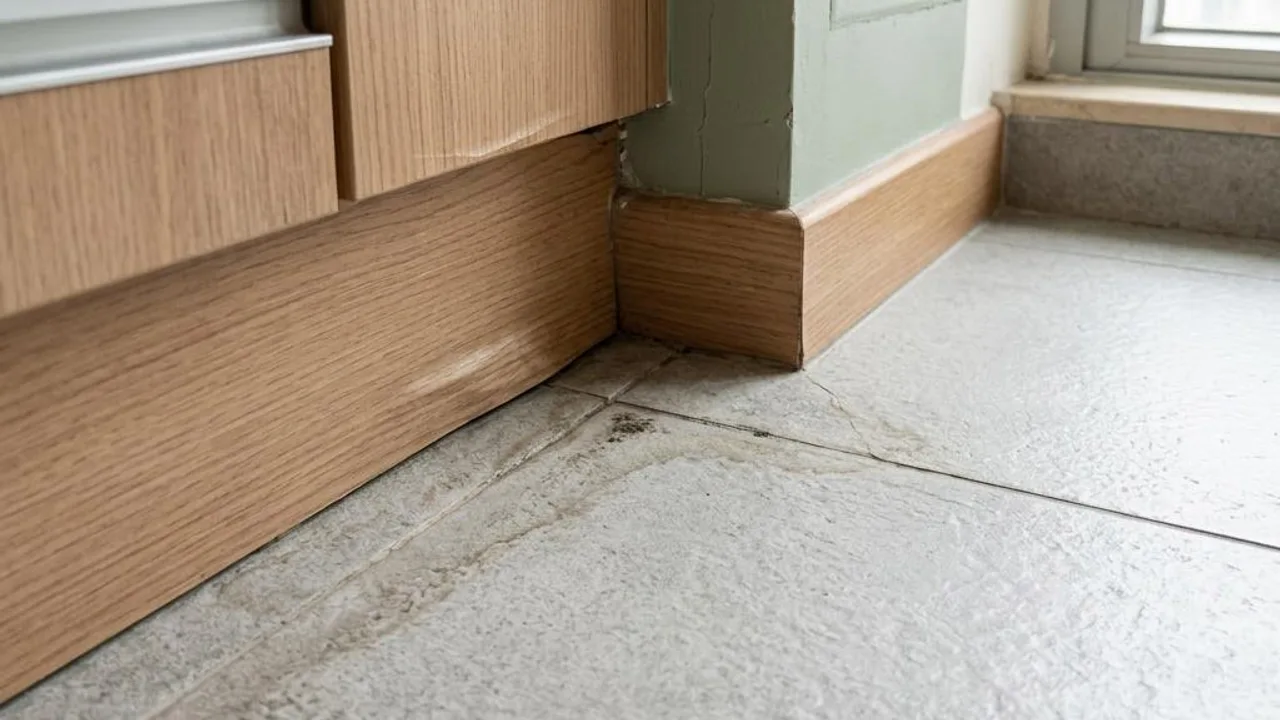
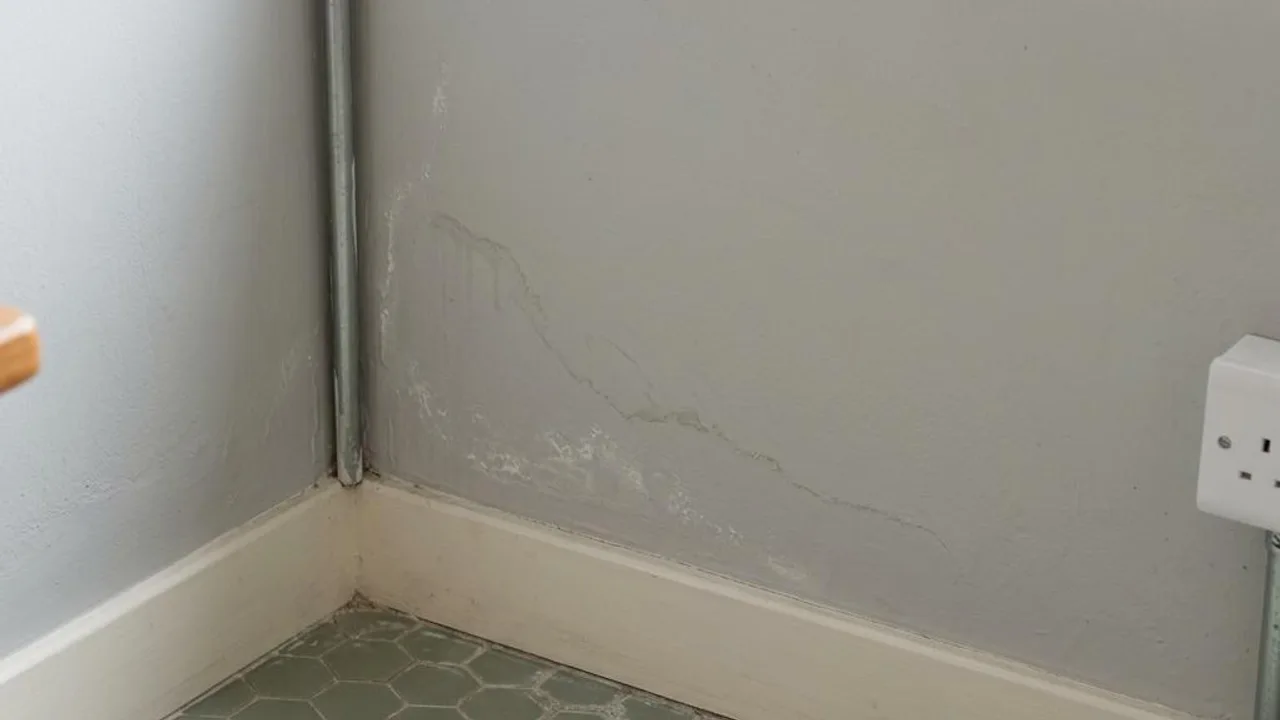
Owners can observe whether the wall paint is bubbling, peeling, mouldy, or turning darker in colour, especially in bathrooms, kitchens, and walls where pipes pass through. If the above situations are found, they should commission a professional to use equipment such as infrared thermal imaging cameras to conduct testing to confirm the source of the leak and carry out targeted repairs.
What types of home electrical work must hire a registered electrical contractor?
All installation, modification, or additional works for fixed electrical installations, such as connecting water heaters, ceiling lights, or extra sockets, must be carried out by a registered electrical contractor. Upon completion, the contractor must issue a Work Completion Certificate (WR1); this certificate is a formal record ensuring electrical safety and compliance.