Professional scope and limitations of building inspection
Building inspection is not just about checking for surface flaws, but a technical job that assesses property function and basic safety. Through professional inspection, owners can have a clearer grasp of the property condition and judge whether repairs are needed or if the developer should be requested to follow up.
Property inspection service scope includes operation tests and appearance checks of various facilities. Please note that the inspection service does not involve intrusive structural inspection or dismantling of renovations, and the report itself does not include photo records; the report is provided on the next working day after inspection.
- Professional inspection covers structural safety, water supply/drainage, and electrical functions
- Electronic inspection report provided within the next working day
- Inspection service does not include destructive testing
- High-pressure water jet test requires separate application and payment
Key points for structural safety observation
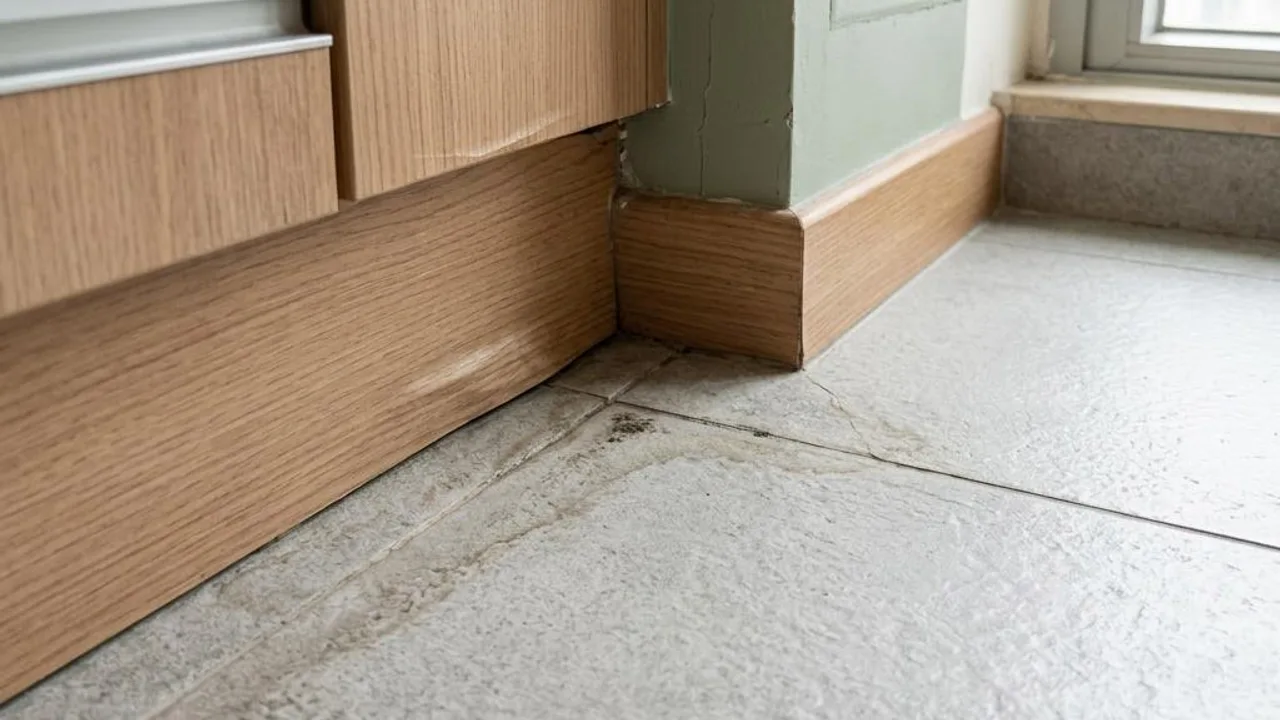
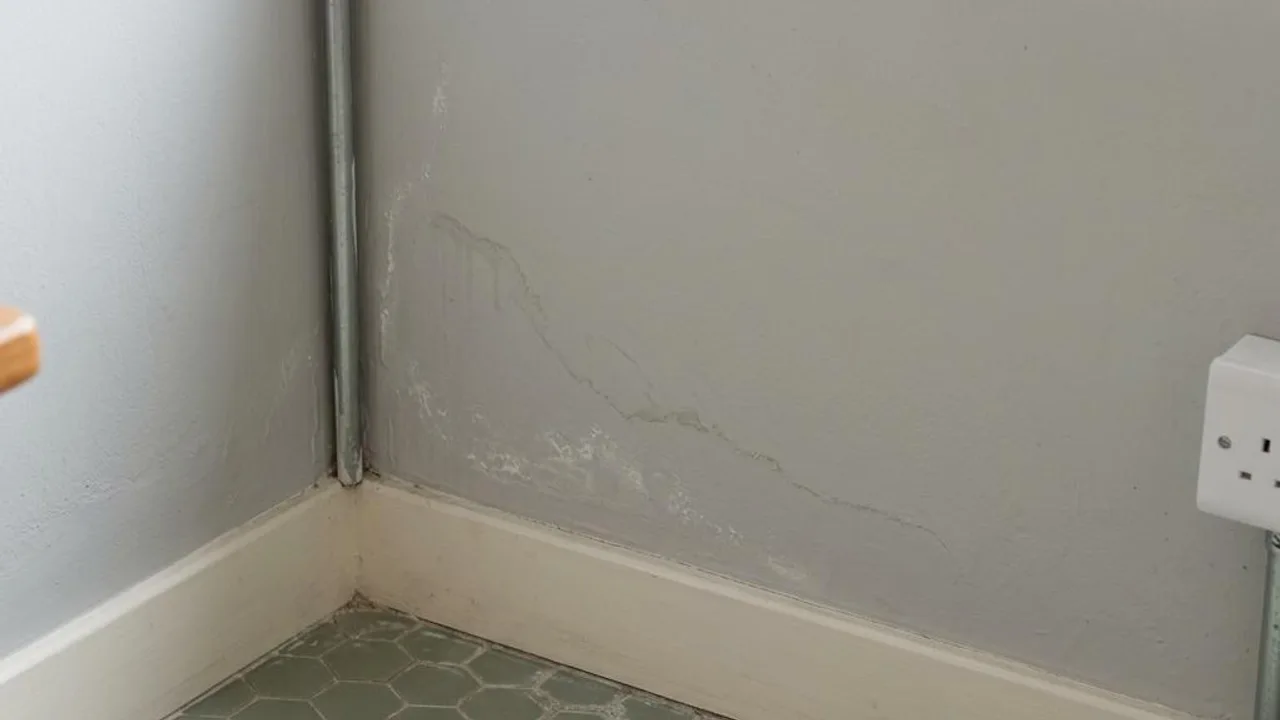
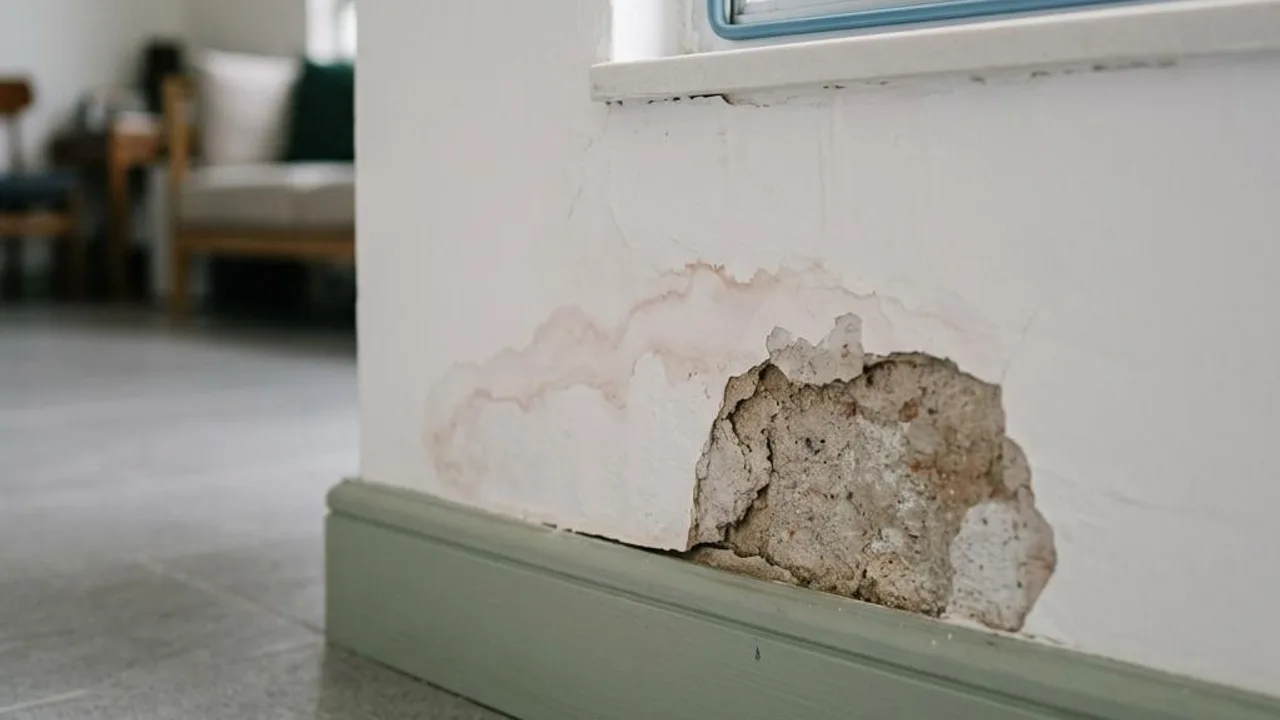
The focus of structural inspection is to identify physical anomalies in the building's foundation, columns, beams, and walls. When inspecting the property, owners should observe whether abnormal cracks, hollows, or water stains appear at indoor and outdoor walls, ceilings, and junctions of beams and columns.
For joints around window frames and door frames, observe if there are unusual cracks or gaps; these signs sometimes reflect the condition of the building structure under stress. If abnormal conditions are observed, it is recommended to have them further assessed by qualified personnel.
- Check walls and ceilings for water seepage or abnormal cracks
- Observe if there are gaps at the edges of window and door frames
- Pay attention to whether beams and columns show deformation or settlement
- Examine if there are serious hollows in renovation finishes
Function and safety of water and electricity systems
Water and electricity safety is the foundation of home operation and involves multiple safety standards. Inspection focuses include the leakage status of water pipes, drainage speed, and the connection safety of electrical installations. Electrical sockets and distribution boards should operate normally without overheating or burning smells.
According to the home electrical safety code, high-power appliances such as air conditioners or electric heaters should occupy sockets individually to avoid overloading caused by shared power strips. Any modifications to fixed electrical installations must be performed by a Registered Electrical Contractor and a WR1 certificate must be issued.
- Test water pipe connections for signs of seepage
- Check operating status of all lighting and sockets
- Ensure distribution board circuits comply with safety regulations
- Check if the drainage system is clear of obstructions
Ventilation and drainage system inspection
Maintaining indoor ventilation can effectively control environmental humidity and reduce the risk of mold growth. Inspection focuses include the smoothness and locking mechanism of window operation, and whether the exhaust function of ventilation ducts is normal, ensuring air conditioning and extraction equipment operate well.
Drainage system inspection includes floor drainage, bathtub, and washbasin drainage performance. Ensure drainage pipes are leak-free and take note of any damp smells in the unit potentially caused by poor drainage. If a strange smell is discovered, it should be treated as a warning for further investigation.
- Test whether window opening/closing and locking functions are secure
- Verify that kitchen and bathroom extraction systems are operational.
- Check drainage pipes for signs of leakage.
- Monitor drainage speed and the functionality of P-traps/odor traps.
Fire safety and equipment
Fire safety within residential premises is of paramount importance. Ensure the main door meets fire door specifications and that all safety equipment is in working order. Residents should regularly self-test smoke detectors and firefighting equipment, and ensure indoor escape routes are not obstructed by debris.
Owners should pay attention to the clear access of corridors and escape routes, as these are critical details for safeguarding life. Any alterations involving fire-resisting construction must comply with the Buildings Ordinance to protect the long-term safety of the property and its occupants.
- Verify whether the residential main door has the required fire-resisting performance.
- Check smoke detector batteries and test their status.
- Ensure indoor escape routes are free from obstruction by debris.
- Check that emergency lighting equipment is operating correctly.
Necessity of professional inspection
Property inspection is a professional and meticulous task; relying solely on visual observation is often insufficient to identify all engineering hazards. OPO Inspection teams possess extensive experience and can perform systematic inspections tailored to different building structural types, assisting owners in accurately submitting defect rectification requests.
Professionals can assist owners in establishing an objective inspection record, providing a comprehensive assessment from infrastructure to detailed finishing. This assessment serves as a strong basis for communication between owners and developers or contractors, ensuring the quality of the property handover.
- Property condition assessment by experienced inspectors.
- Obtain objective and comprehensive property inspection technical support.
- Formulate effective defect rectification lists based on specific details.
- Provide professional consultation to boost confidence in property acceptance.
FAQs
How should cracks in walls discovered during property inspection be handled?
Owners should first document the location and length of any cracks and photograph them for filing. If a crack is deep and long, consult a qualified building inspector to determine if it affects structural safety; never attempt to grout or cover it up yourself.
Who should one consult if there is a persistent drainage odor in the bathroom?
Odors may originate from damaged P-traps or pipe gas leaks; first confirm that pipe connections are secure. If the issue persists, it is recommended to engage a professional licensed plumber to inspect the drainage system's trap functionality and vent pipe clearance.
Does an OPO Inspection report prove that electrical installations are absolutely safe?
The inspection report provides a record of on-site operational observations and cannot replace periodic inspections and statutory certifications conducted by a registered electrical contractor in accordance with the Electricity Ordinance. Any circuit modifications must be carried out by professionals.