Decoding the key value of professional property inspection reports
Buying a property is a major life event, and when receiving a thick property inspection report, many owners feel worried by the list of defects. However, this report is not just a list of problems; it is your core bargaining chip when negotiating with the developer. When developers handle defect rectification, they often prioritise resources for issues supported by scientific data, as these directly reflect whether their handover standards have been met.
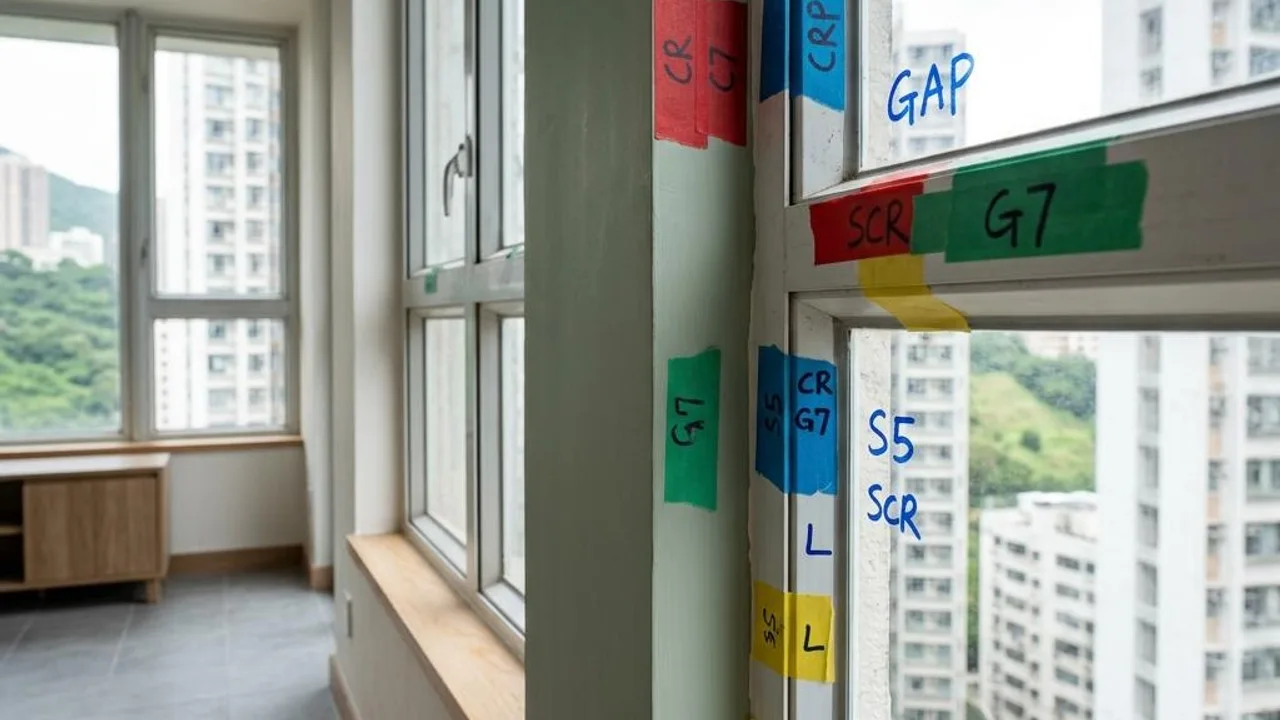
Precise values obtained by property inspectors using professional instruments, such as the area of hollow tiles, deviations in wall flatness, or moisture readings, provide strong justification for your claims. Compared to vague subjective feelings, these objective and quantifiable data points make it difficult for developers to push back. Learning to use this data is the first step in securing your reasonable repair rights and helps the other party's engineering team understand the repair priorities more clearly.
- Use specific area data measured by a hollow tile hammer or instruments as the basis for repairing floor tiles or walls.
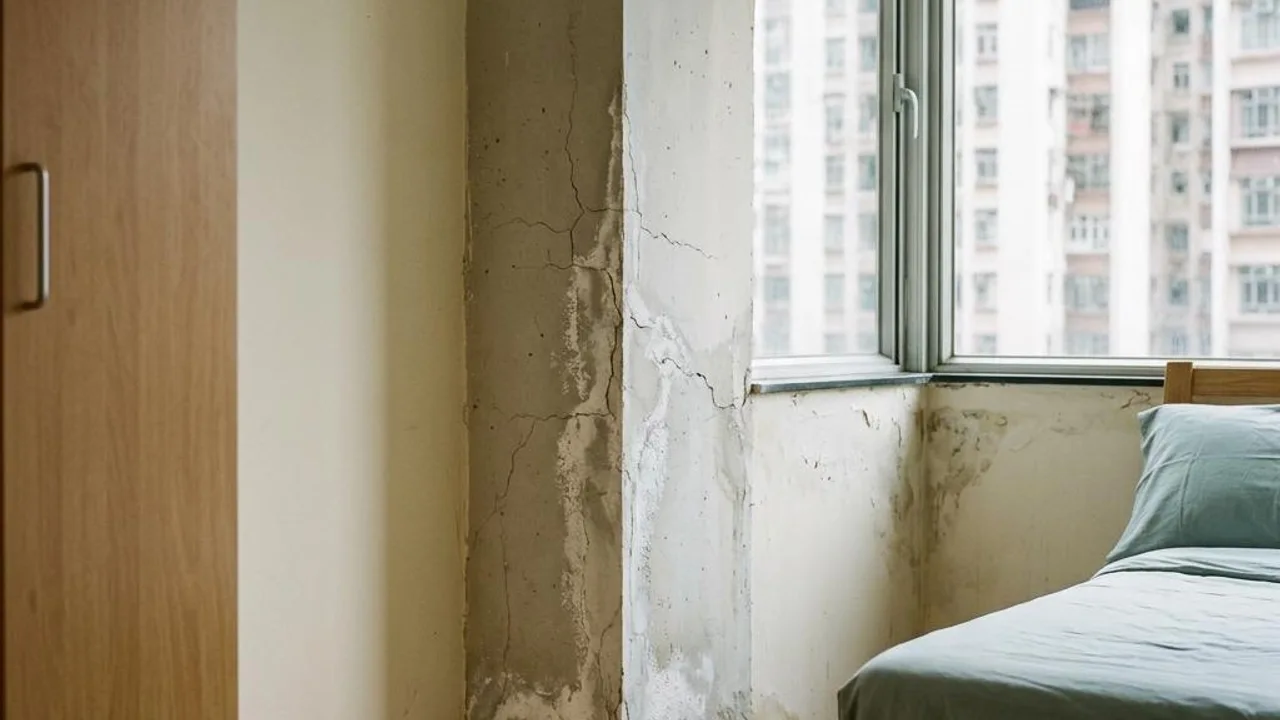
- Use a high-frequency moisture meter to record abnormal humidity and compel the developer to follow up on the source of seepage.
- Use the data-driven report as a basis for written negotiations to avoid execution errors caused by verbal promises.
Defect classification and application of negotiation strategies
Faced with over 100 items for deduction, adopting a 'tiered management' strategy is crucial. Mixing all problems together when requesting action can lead to a loss of focus in negotiations and may even lead developers to think the owner is being unreasonable. We recommend that owners categorise defects into structural safety, functional defects, and surface aesthetics, and formulate corresponding negotiation plans for each to ensure a clear focus.
Structural and waterproofing safety issues are 'zero-tolerance' items that must be insisted upon, and developers must be required to produce test reports. Functional defects affect daily quality of living and should require comprehensive repairs rather than simple partial fixes. As for purely aesthetic issues, these can be used as bargaining chips to be adjusted after other major items are addressed. This clear strategy significantly improves communication efficiency.
- Structural safety: Window sill water seepage, load-bearing wall cracks, etc., must be ranked as the highest priority.
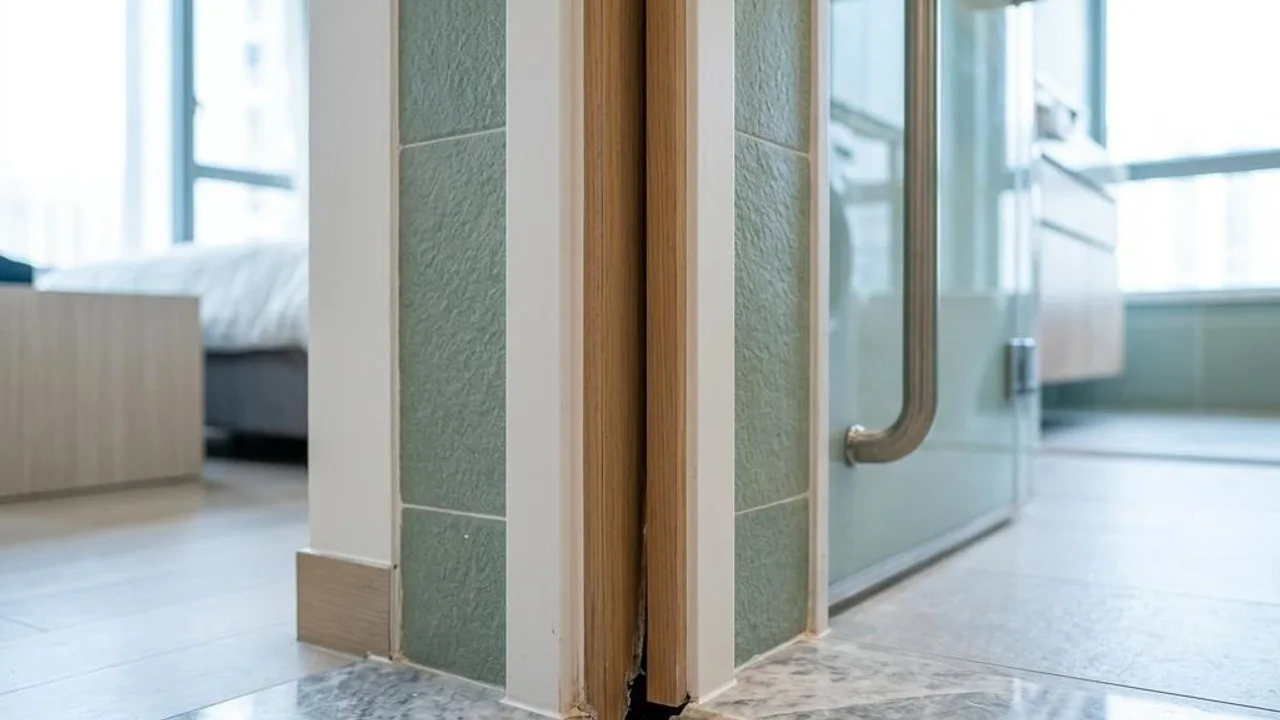
- Functional: Hollow floor tiles, faulty door locks, slow drainage, etc., require complete repair.
- Surface aesthetics: Uneven paint, scratches on skirting boards, etc., can be discussed after major items are completed.
Negotiation techniques to deal with developer delays
During the handover of first-hand properties in Hong Kong, developers often respond to owners' rectification requests by citing 'industry-accepted workmanship tolerances'. If owners want to deal with this 'tai chi' attitude, they must possess a solid legal and contractual foundation. The Defect Liability Period (DLP) listed in the sales contract is your most important shield; any verbal response should, as much as possible, be requested to be confirmed in writing or by email.
Keep every communication record, email exchange, and on-site photo to build a complete chain of evidence. If the other party insists that certain problems fall within a 'normal range', try asking them to explain the specific source of that standard and insist on using the scientific data in the report as the benchmark. A firm and professional attitude can often prompt the developer to resolve problems more actively, reducing your future troubles.
- Cite sales contract clauses and Defect Liability Period regulations to formally demand rectification commitments.
- Ensure all communication content is recorded in writing and attached with photos as evidence.
- Insist on using scientific measurement standards and refuse to accept non-objective 'industry tolerance' claims.
Monitoring the defect rectification process and reinspection points
The handover report is only the beginning; monitoring the subsequent defect rectification process is equally critical. Owners should be personally present when workers arrive, especially for work involving demolition, repaving, or waterproofing, as monitoring can prevent rough workmanship. If secondary damage is caused to surrounding equipment by workers during rectification, these damages must also be included in the acceptance list. Property inspections cannot guarantee structural, electrical, or gas safety or the state of concealed works; thermal imaging cameras only show surface temperature differences and are not absolute evidence of moisture or seepage. For professional issues such as structural safety or statutory window inspections, please consult a registered engineer or relevant authorised person.
Never perform electrical tests or dismantle structures yourself; related repairs should be handled by professionals.
After defect rectification is completed, never sign handover documents without checking. You must go through the original report item by item and demand to inspect the post-repair results. If the rectification process involves professional electrical or waterproofing modifications, ensure that the contractor meets relevant requirements, such as ensuring professional qualifications related to electricians. Only when you have confirmed that all problems have been completely repaired can you sign the confirmation.
- Supervise the process during defect rectification to avoid secondary damage, such as scratches on wooden flooring.
- You must bring the original property inspection report during reinspection to compare repair quality item by item.
- Confirm that all structural and seepage problems have been properly handled and refuse to close the case before defects are cleared.
Seeking professional testing and consultancy support
If faced with a tough attitude from the developer or tedious follow-up procedures, and the owner feels under too much pressure, seeking support from a professional property inspection team is a wise move. Professionals are not only familiar with property handover processes, but can also plan negotiation arguments for owners from an objective perspective, saving the owner time and costs while increasing the success rate of securing a reasonable outcome.
Electronic inspection reports do not include photos; owners should take photos themselves on-site as a backup for comparison. If a professional property inspector is required to return to the site for reinspection, this is an independent paid service and is not included in the automatic free follow-up scope after the first inspection.
- Professional property inspection teams can assist owners in clarifying complex contractual responsibilities of developers.
- Use expert experience to formulate negotiation arguments and increase the chances of negotiation success.
- Ensure unit quality reaches the standard through professional testing and reinspection services.
FAQs
When will the property inspection report be sent to the owner?
The property inspector's electronic report is usually sent to the owner on the next working day after on-site testing.
Does the owner need to take photos as a record?
Because electronic property inspection reports do not include photos, we suggest that owners take photos themselves during the inspection to facilitate checking repair progress and results in the future.
Is reinspection service provided free of charge after defect rectification?
Reinspection is an independent professional service and is not a free item automatically provided after the first inspection; owners must arrange an appointment according to the relevant service terms.