Systematically organizing defect locations
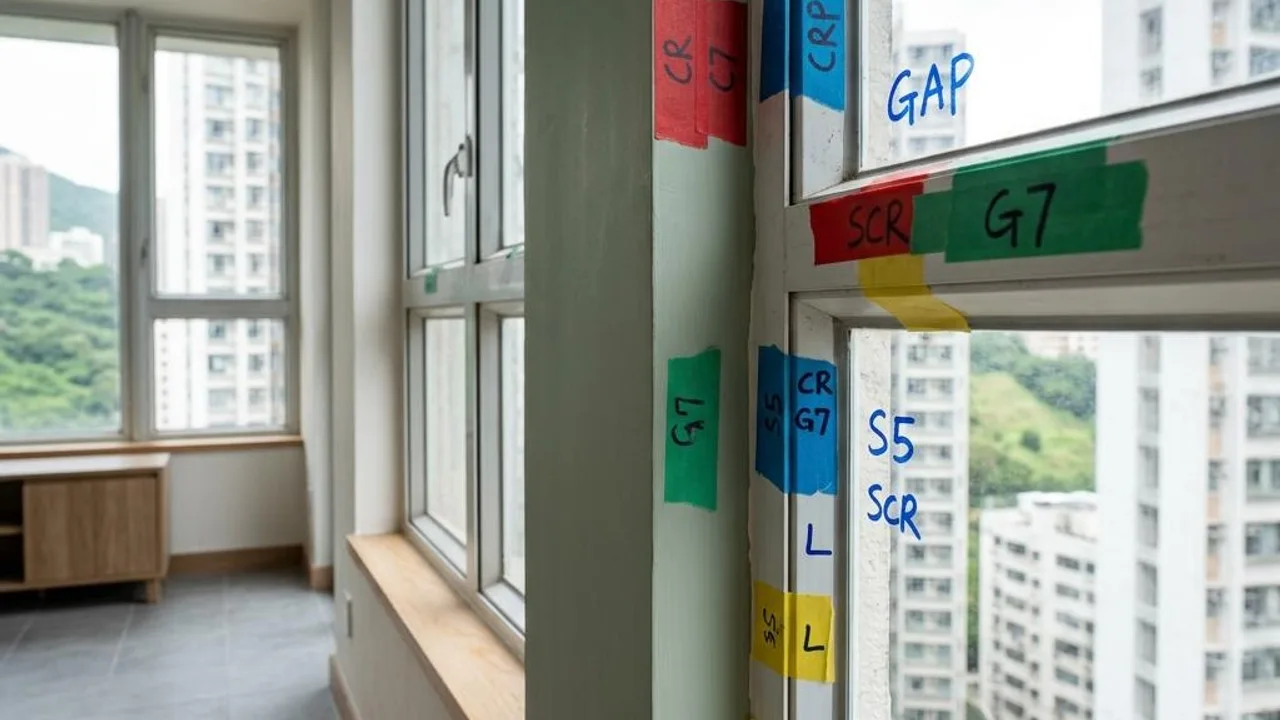
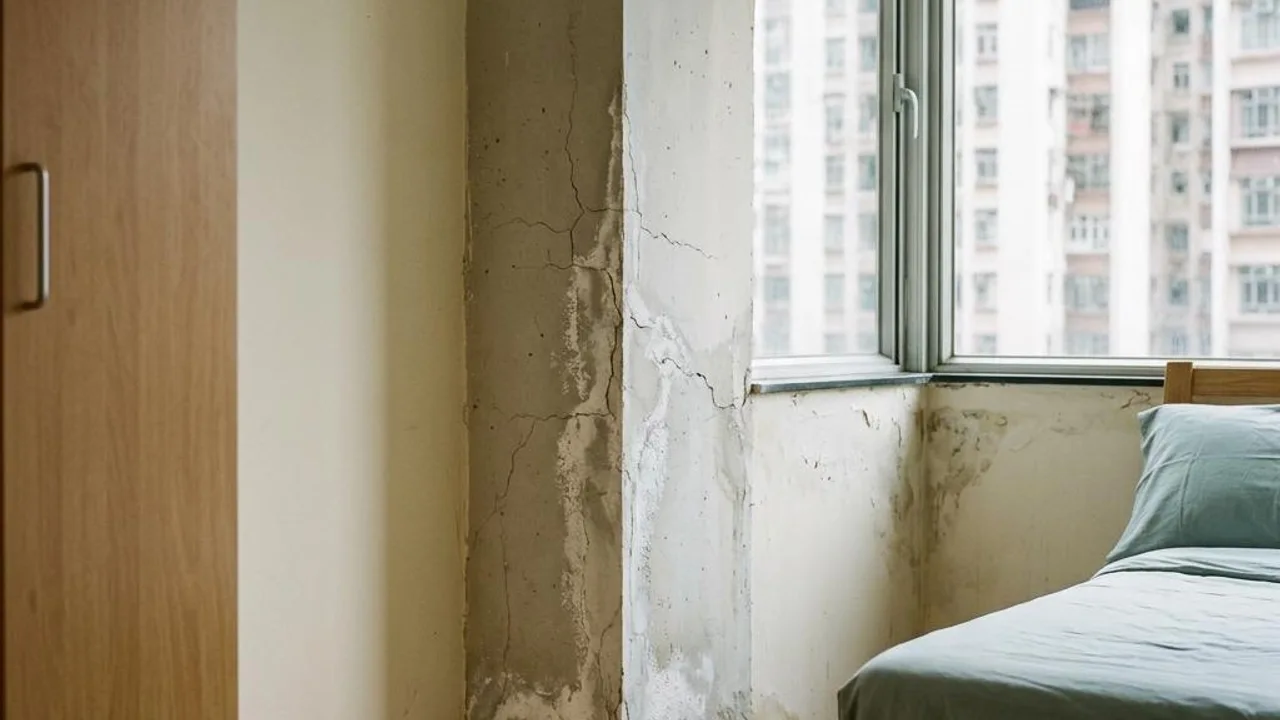
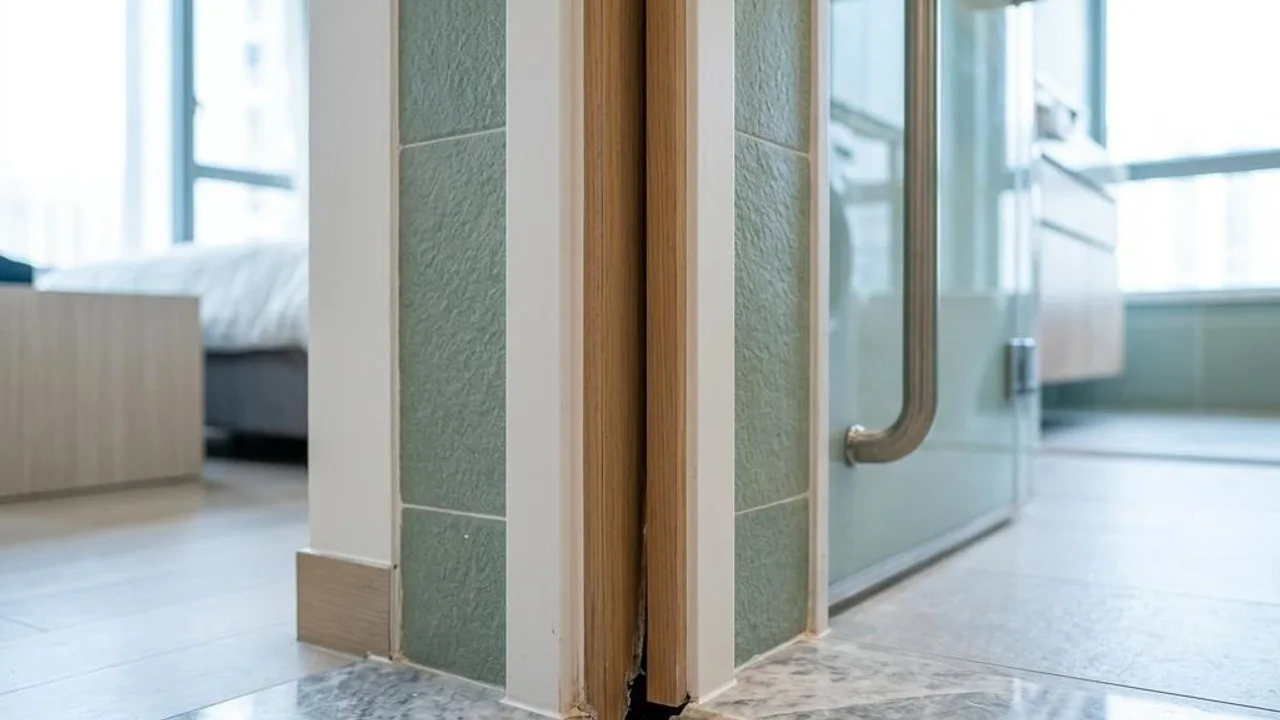
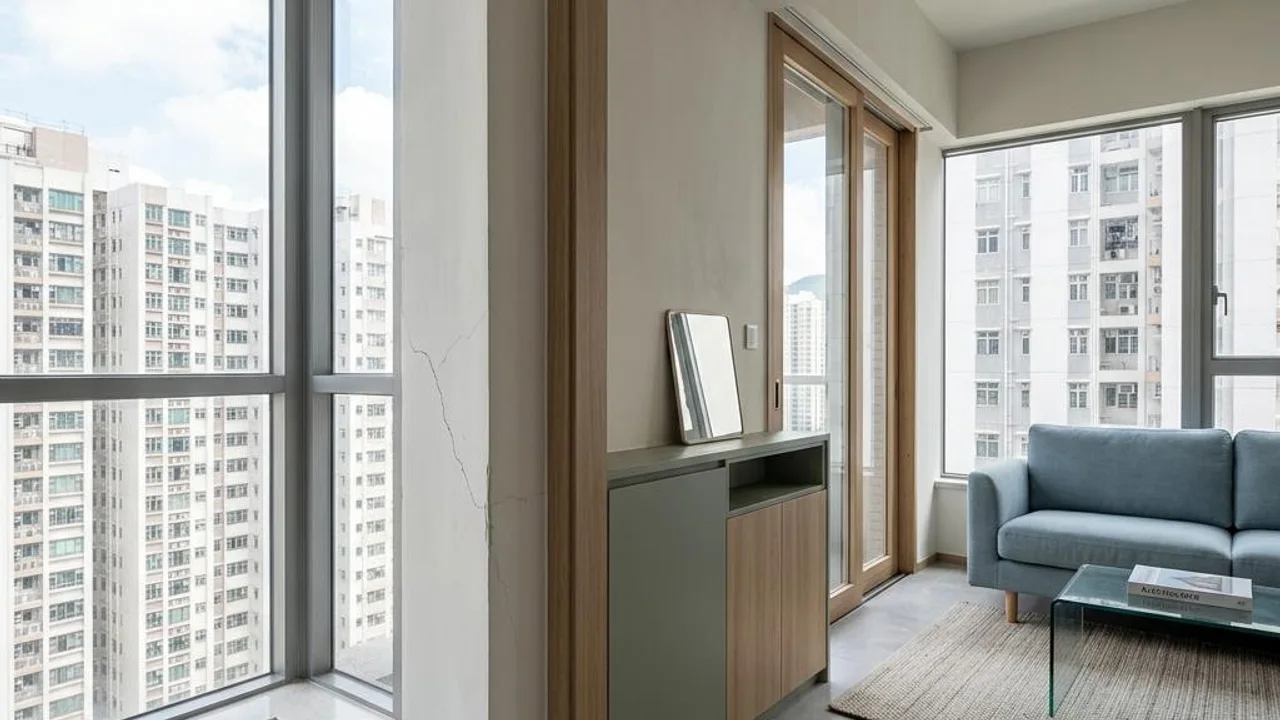
During the property inspection process, when facing various problems such as wall cracks, floor tile hollowing, water marks near windows, or uneven cabinet doors, relying solely on memory can easily lead to omissions. A property handover report can organize all defects by area and category, allowing owners to check them item by item during subsequent rectification.
A clear report is not just a simple list, but a tool for owners to manage project progress. Through structured recording, owners can clearly grasp the status of various parts of the unit, thus ensuring that follow-up work will not become chaotic due to fragmented problem descriptions.
- Classifying defects by space (e.g., living room, bedroom, kitchen, bathroom)
- Precisely positioning problem locations to facilitate identification by repair staff
- Establishing a clear list to ensure every detail is followed up
- Avoiding reinspection loopholes caused by reliance on memory
Visual records to assist communication
Relying solely on text descriptions of problems can often trigger cognitive differences. A professional property handover report should contain accurate location annotations, combined with image records (such as water seepage marks, floor tile hollowing areas), allowing developers or renovation teams to quickly grasp the real on-site situation.
If owners need more detailed image supplementation, they can take their own photos of the defect points within the report as supplementary material when communicating with contractors, ensuring that both parties have a consistent understanding of the issues.
- Providing image references for leakage and water stain locations
- Recording the specific extent of floor tile hollowing to facilitate assessment
- Reducing understanding differences caused by verbal descriptions
- Serving as an objective basis for professional follow-up communication
Planning the priority of defect rectification
Not all handover defects have the same urgency. Compared to a slight color difference in paint and severe water seepage near windows, the latter definitely falls into the category requiring immediate attention. The report can assist owners in clarifying priorities and reasonably allocating resources and time.
Identifying which items affect normal residential functions through a professional perspective allows for effective planning of the rectification schedule. This helps owners coordinate progress with the rectification team, avoiding a decline in engineering efficiency or repetitive work due to an indiscriminate order of rectification.
- Prioritizing items that affect residential safety (e.g., leakage)
- Distinguishing between functional problems and purely aesthetic defects
- Planning construction order according to the urgency of the problem
- Improve the overall efficiency of processing defect rectification projects
Accurate comparison before and after rectification
Reinspection after defect rectification is a critical stage. Without the original report as a benchmark, it is difficult for owners to determine whether problems have been resolved, such as whether water stains on walls have disappeared or if hollow tiles have improved. The report provides a comparative blueprint.
During reinspection, owners can refer to the report item by item to ensure every rectified defect has reached a satisfactory condition. This method of comparison minimises long-term disputes that arise from incomplete rectification or recurring issues.
- Establish objective benchmarks for reinspection and acceptance
- Accurately compare status differences before and after defect rectification
- Submit secondary requests for inadequately repaired locations
- Ensure all recorded problems have been addressed
Records of leakage and water/electrical items
Plumbing, electrical installations, and waterproofing are core safety items for a property. Components such as sink drainage, bathroom floor drains, consumer unit tests, and air-conditioning drainage must have their status clearly recorded. Even if some conditions are not severe at the time, they can serve as a basis for future maintenance.
If potential seepage appears on ceilings, near windows, or on walls, it is essential to record the location in detail, as these conditions may evolve with water usage or climate changes. Retaining preliminary records is vital for determining whether a problem is worsening and provides clues for future professional repairs.
- Record the operational status of power sockets and light switches
- Monitor drainage speed and signs of pipe leakage
- Mark the locations of water stains on walls or ceilings
- Establish baseline data records for plumbing and electrical testing
The importance of a professional OPO Inspection team.
Seeking professional assistance is not just about obtaining a document; it is about receiving objective professional advice during property handover to reduce future repair hassles and costs. A professional team helps owners organise their findings, turning the report into an effective technical reference.
Professional property inspectors can identify hidden defects that are often difficult to notice in daily life and require specific tools to detect. The information provided in the report enables owners to make reasonable repair requests to developers under professional guidance.
- Identify hidden defects that are difficult to detect with the naked eye
- Provide objective and impartial property inspection judgments
- Assist in analysing the overall condition of the unit
- Provide professional defect rectification consultation for owners
FAQs
When is the property inspection report usually sent to the owner?
Generally, the property inspection report is sent on the next working day after the inspection is completed. The report does not include photos; we recommend that owners take photos themselves during the inspection of areas needing follow-up for reference.
If the developer completes defect rectification, does the report include a free reinspection service?
The handover report and reinspection are separate services. If a reinspection is required to ensure that repair works have achieved the expected results, the owner must arrange an appointment separately; it is not automatically included with the report.
Why are image records in the report so important for owners?
Image records provide objective on-site evidence, especially for hidden issues such as water seepage stains or hollow floor tiles, allowing developers and maintenance personnel to identify problems more intuitively and reducing communication errors caused by differences in understanding.