Why are there colorful tapes all over the walls during a new property handover?
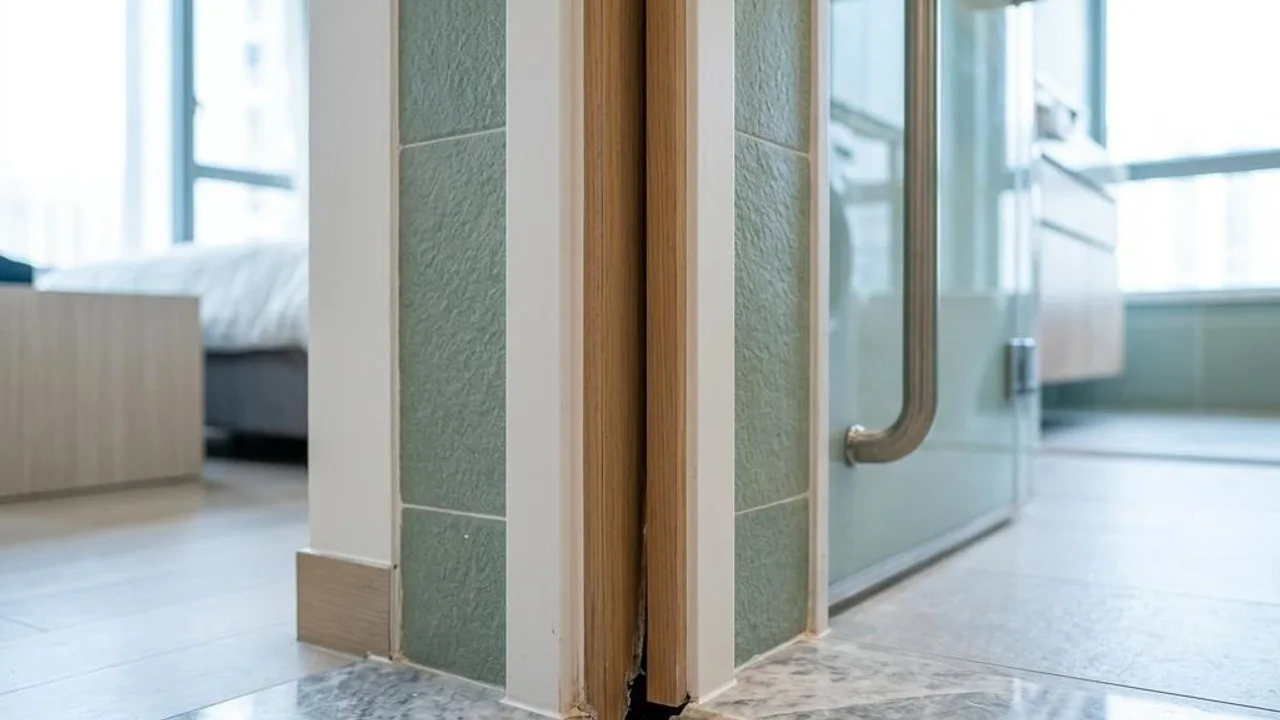
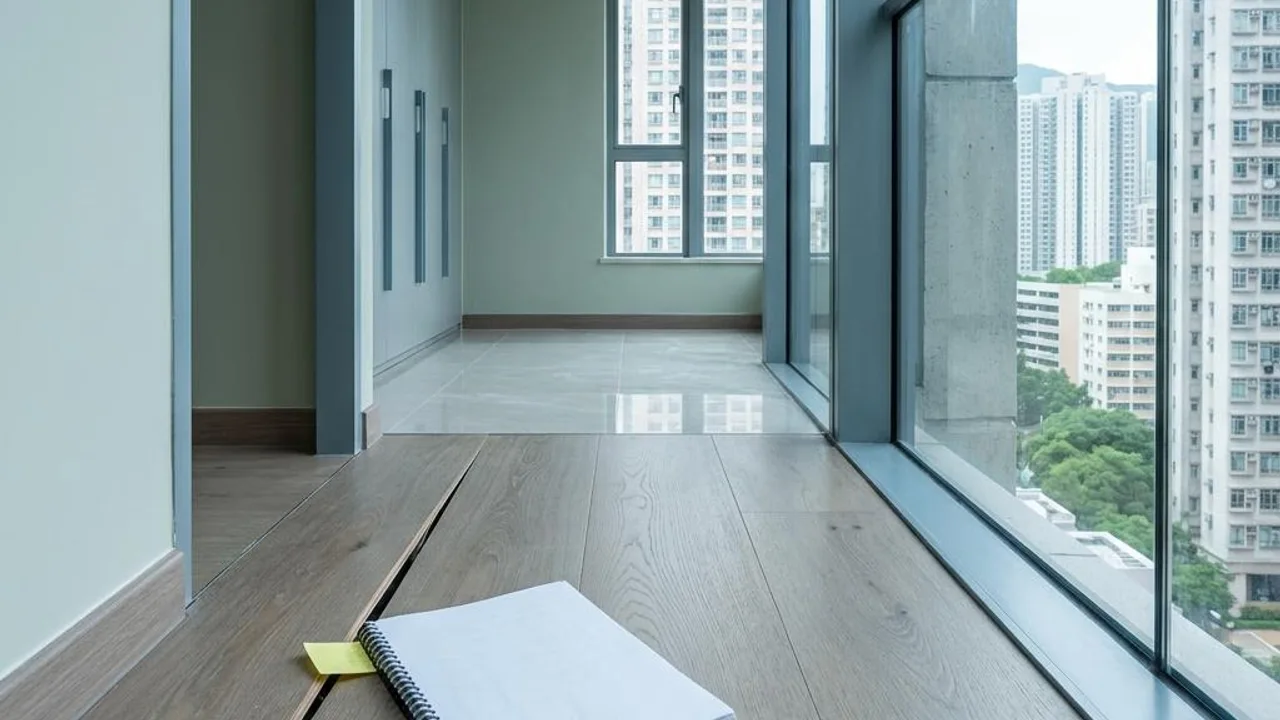
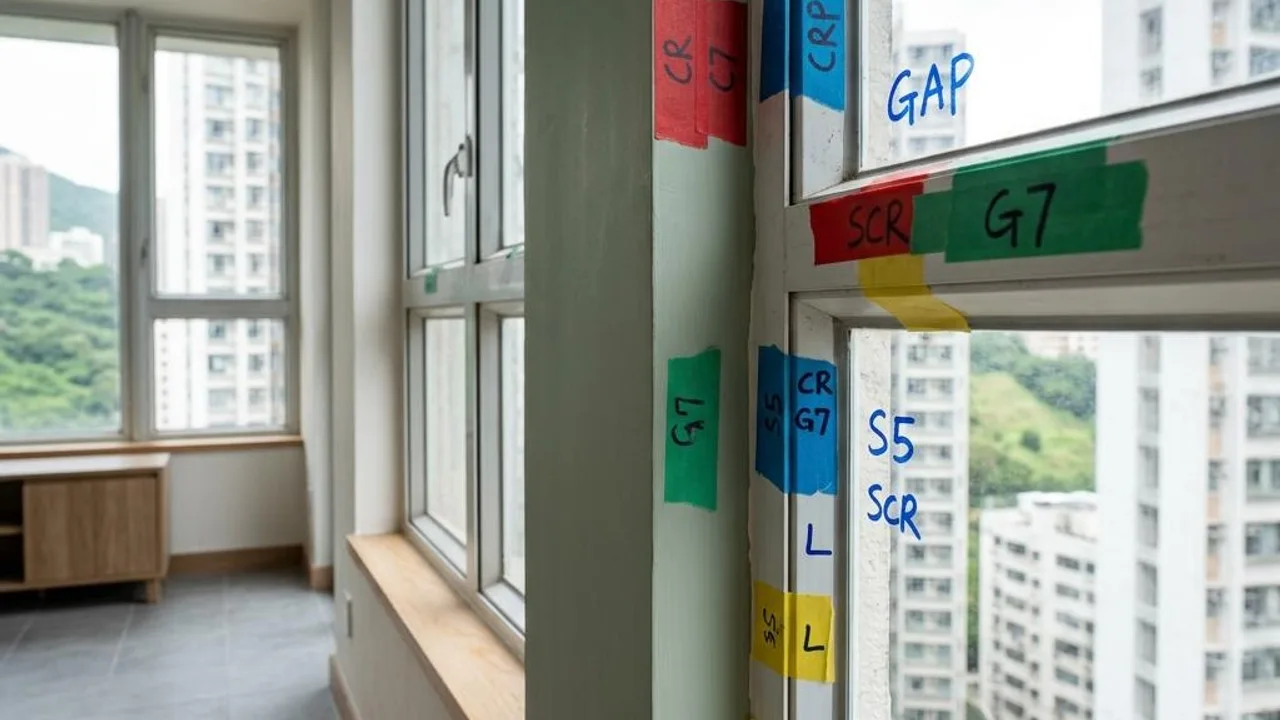
During a property handover, owners often find walls, window frames, or floors covered in colorful tape. These marks are not random graffiti, but precise positioning made by professional inspectors during the inspection process to address wall plastering, window operation, floor flatness, and finish defects.
When facing a unit of several hundred to over a thousand square feet, it is difficult to accurately communicate all defects to the repair contractor with the naked eye alone. Using specific colors of tape to mark the location of defects effectively avoids disputes on the defect rectification list, ensuring that repair work can target the issues directly and improve repair efficiency.
- Providing positioning for defects not easily noticed by the naked eye
- Avoiding communication deviations during verbal descriptions
- Providing visual guidance for subsequent defect rectification work
- Serving as an intuitive record of property inspection results
Decoding the hidden classification of tape colors in the property inspection industry
Professional property inspection firms usually use different colors of tape to mark defects based on their severity and category. This unwritten consensus aims to help owners and contractors clearly grasp the overall construction quality of the unit and the items requiring priority handling.
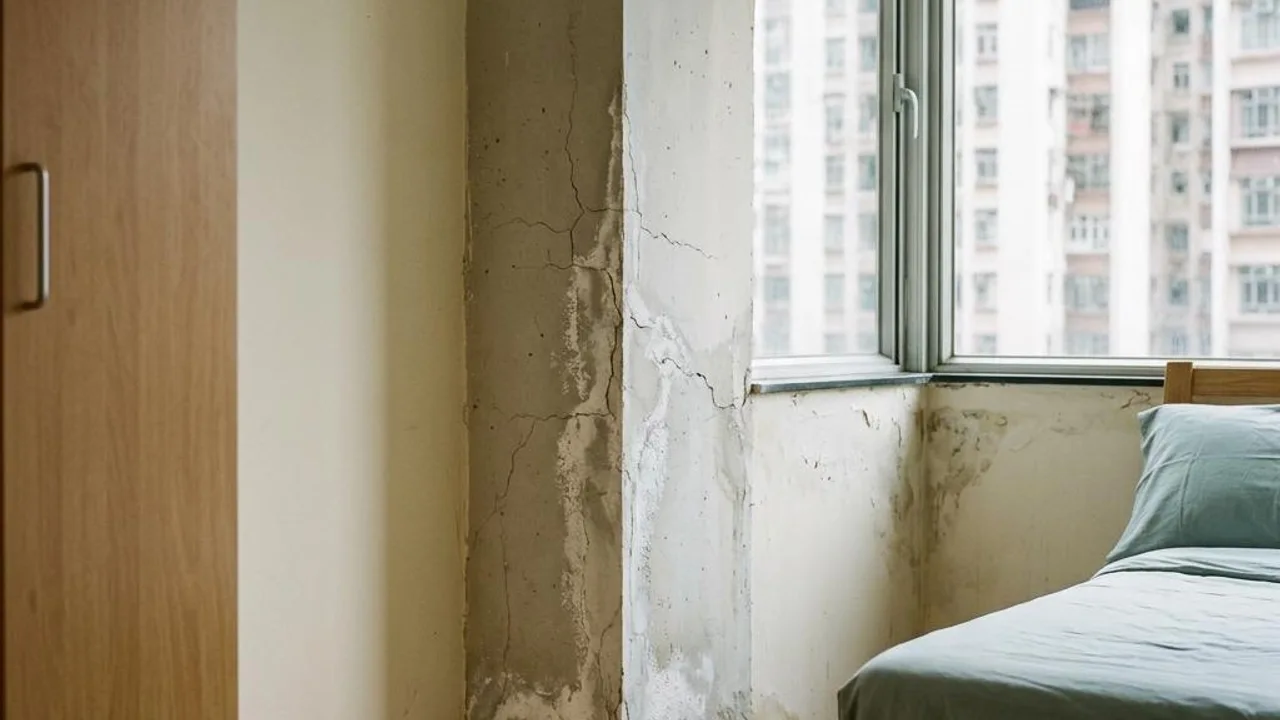
Red tape generally represents structural or safety issues, such as wall cracks or severe hollowing; yellow tape usually denotes craftsmanship defects, such as uneven plastering or paint damage; while blue or green are used for aesthetic adjustments, such as minor scratches or hardware lubrication issues.
- Red: Serious structural, safety, or electrical hazards
- Yellow: Moderate craftsmanship defects and uneven plastering
- Blue/Green: Minor aesthetic issues or minor adjustments
Differences between professional property inspection and self-inspection by the owner
Many owners consider preparing their own tools for inspection when facing handover defects. However, self-inspections are often limited by testing equipment and professional experience, making it difficult to detect hidden hollowing, floor level deviations, or potential water and electrical installation problems.
Hiring a professional property inspection team means that instruments such as hollow-tapping hammers, levels, and infrared thermometers can be used for in-depth inspection. Professional reports have scientific data support, providing higher bargaining power and a stronger argumentative basis when negotiating the defect rectification list with the developer.
- Using professional equipment to detect hidden hollowing and levels
- Issuing professional property inspection reports with legal effect
- Possessing professional knowledge to engage effectively with developers
- Systematically categorizing defects to ensure comprehensive defect rectification coverage
Correct marking techniques and subsequent follow-up
If the owner decides to participate in the follow-up personally, pay attention to the method of using the tape. Choose tape with moderate adhesion that leaves no residue to avoid paint peeling or marks on the wall when removed later.
It is recommended that after applying the tape, use an oil-based marker to write a brief note on the nature of the issue on the tape surface, such as 'hollow', 'crack', or 'chipped'. At the same time, ensure you coordinate with photographs and written lists to record each location to avoid the tape falling off or missing defect rectification items due to environmental changes.
- Using dedicated marking tape that does not leave residue
- Noting brief defect codes on the markers
- Recording defect details with photographs throughout the process
- Cross-checking with the defect rectification report list
Professional property inspection procedures and information on electronic reports
New property handovers involve complex wall standards and handover criteria. If owners have concerns about defect determination or defect rectification procedures, a professional property inspection team can provide objective testing services. We have extensive experience in inspecting new properties in Hong Kong and are familiar with the handover indicators of major developers.
After the property inspection, the electronic property inspection report will be sent the next working day. The report does not include photographs; it is recommended that owners take their own photos of the defect locations for archiving and future cross-checking. If a second inspection (reinspection) is required, it must be arranged as an independent project.
- Familiar with handover standards of major Hong Kong developers
- Electronic inspection report issued on the next working day
- The report does not contain photographic records of the site
- Reinspection is an independent service arrangement
FAQs
Can the tape stuck on the wall during property inspection be torn off immediately?
It is recommended to keep the tape as a guide for defect rectification until you have confirmed that the developer's repair staff have clearly recorded all defects and completed the handover; otherwise, tearing it off may lead to missed defects.
What should I do if I find the tape is missing after receiving the electronic property inspection report?
Even if the tape falls off, the owner should refer to the photos taken by themselves at the handover and the text records in the report to communicate with the repair staff based on the location markers.
Why do property inspection reports not include on-site photographs?
Property inspection reports mainly focus on professional inspection data and defect list descriptions. Owners can take photos themselves on the day of the inspection to record the details of the defects in the most intuitive way.