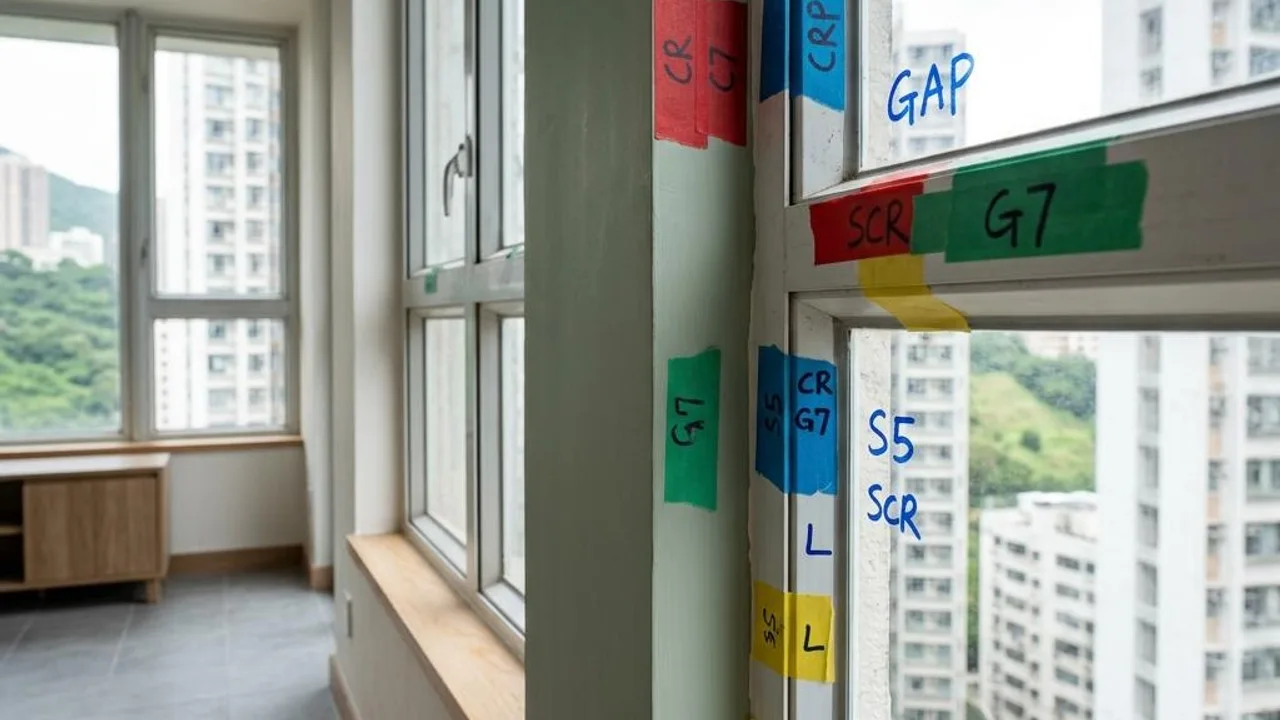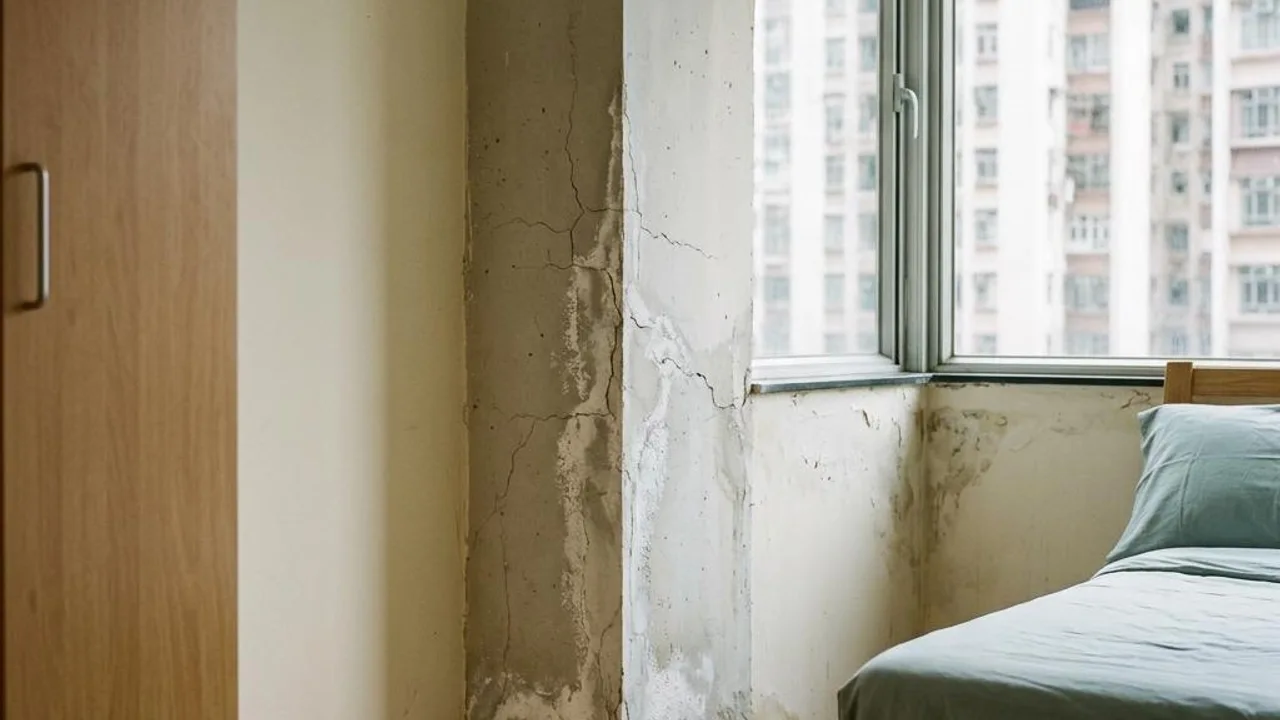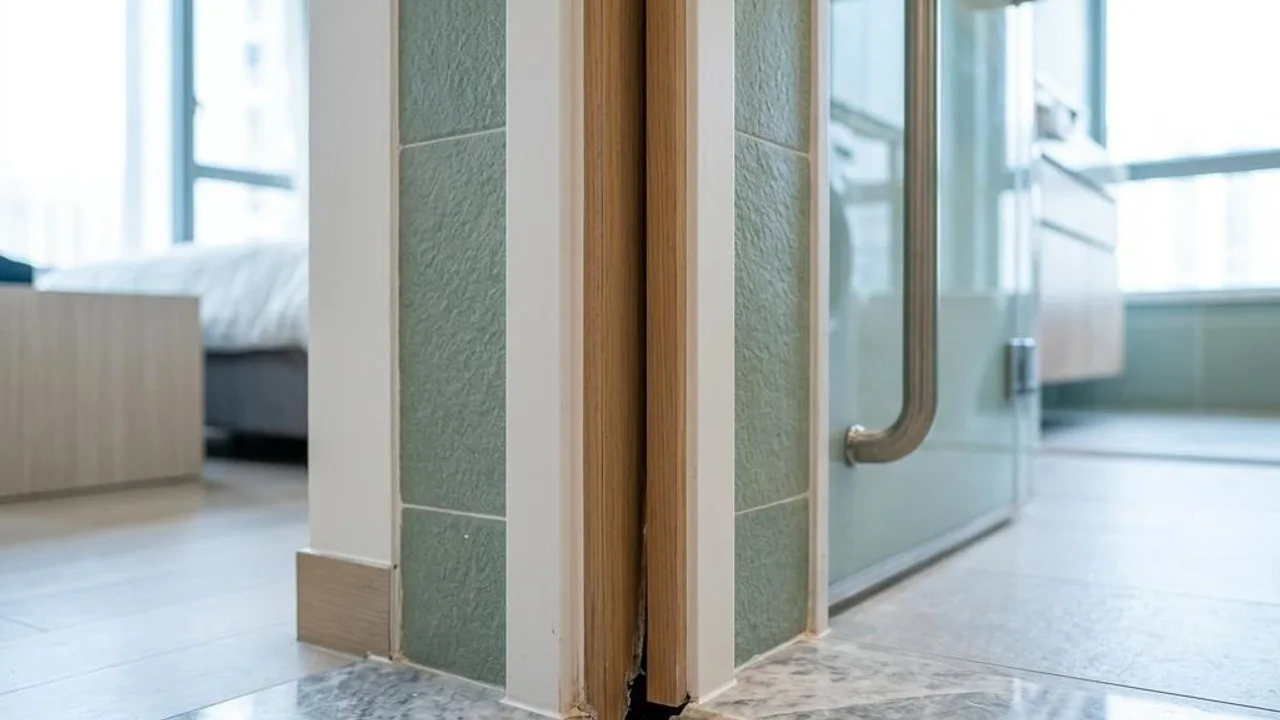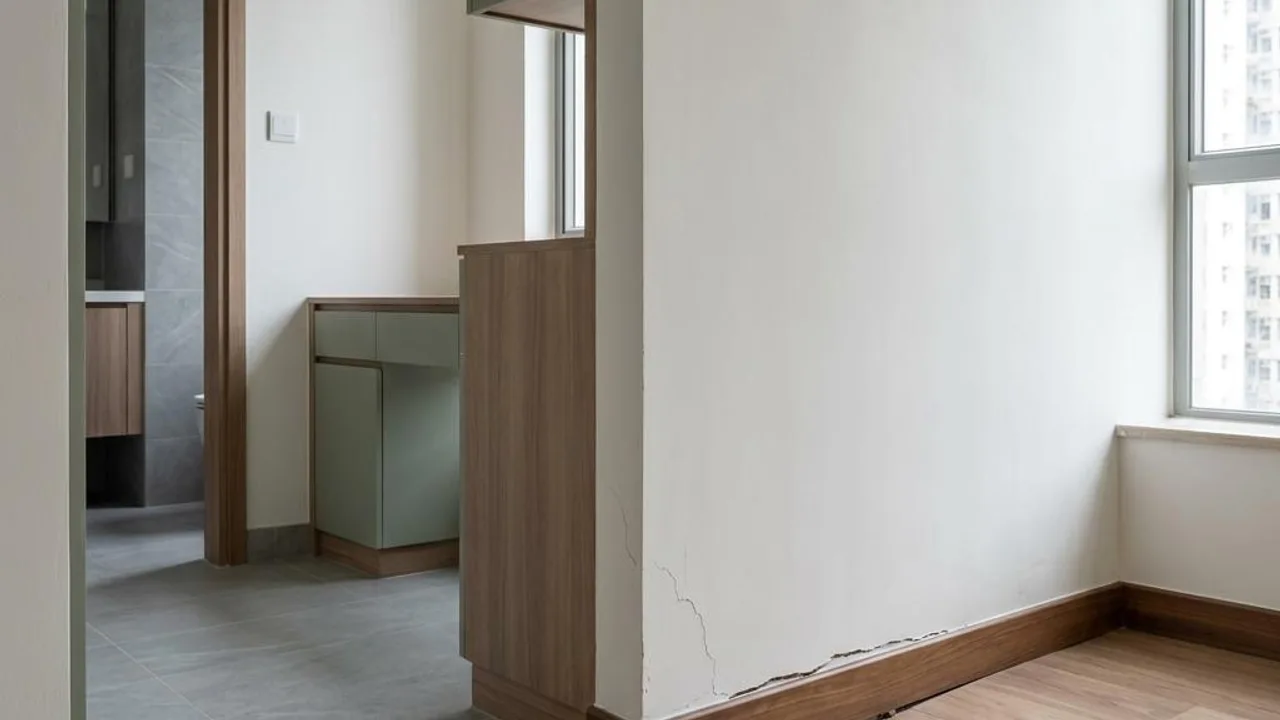
Why submission of the defect rectification list requires adherence to time limits.
The first seven to fourteen days after receiving the keys to your new home constitute the golden period for addressing unit defects. Before commencing any renovation work or moving in furniture, owners should complete a check of all external cosmetic defects and submit a defect rectification list. This is key to establishing that these defects are the developer's responsibility and effectively prevents developers from attributing issues to human damage caused by subsequent renovations.
Timely submission of the list ensures that the contractor is still on-site, allowing for the highest repair efficiency. If you wait several months before making a request, the workers will have already left the site, significantly extending the scheduling time and increasing your waiting costs for moving in.
- Ensuring clear boundaries of liability.
- Avoiding disputes over secondary damage caused by renovations.
- Improving contractor repair efficiency.
- Shortening the waiting period for move-in.
Distinguishing between initial defect rectification and the statutory warranty period.
Owners need to distinguish between the administrative requirement for a defect rectification list and the statutory defect liability period. The first seven to fourteen days stipulated by the developer belong to the administrative processing period, intended for the rapid identification of surface defects within the unit. According to the law, however, buyers enjoy a statutory warranty period of six months from the date of completion, which covers functional defects of the unit's equipment.
Although the law provides six months of protection, if the unit has already undergone renovation during this period, claims regarding aesthetic issues (such as glass scratches) become extremely difficult. Therefore, it is absolutely essential to screen for aesthetic problems through a professional property inspection before starting renovations.
- Administrative period is 7-14 days after key collection.
- Statutory warranty period is 6 months after completion.
- Administrative period covers both appearance and functionality.
- Statutory protection focuses on latent defects.
The action schedule for the golden fourteen days.
On the first day of key collection, you should carefully check the handover documentation to confirm the final submission deadline set by the handover department. The second to fourth days are the golden period for property inspection; it is recommended to hire a professional team to conduct a comprehensive check and archive records of water, electricity, wall hollowness, window frame leakage, and visual details.
Complete the report and submit it back to the developer between the fifth and seventh days, remembering to get a stamped receipt. The eighth to fourteenth days are the contractor's entry and construction period. Upon completion of all repairs, owners must personally reinspect to confirm that defects have been thoroughly improved before signing the satisfaction paper.
- Confirming administrative time limits on day one.
- Arranging a comprehensive professional property inspection on the second day.
- Timely submission of reports to obtain a stamp.
- Supervising contractor defect rectification progress.
- Strict reinspection before signing the satisfaction paper.
Preventing hidden risks through professional property inspection.
Defects in new buildings are often hidden where the naked eye cannot discern them. For example, micro-leaks in ceiling pipes, hollow voids behind wall tiles, and the lack of waterproof performance in window frames; if these hidden safety hazards are not dealt with in time, future repairs will be arduous and costly. Professional property inspection teams possess high-precision instruments and extensive building knowledge, helping you pinpoint hidden defects.
Through a report from a professional team, owners have stronger grounds for negotiation with developers. This not only avoids missing critical defects but also ensures you have full protection during the handover process, giving you more confidence in the safety of your new home.
- Detecting leaks in ceiling pipes.
- Screening for hollow wall tiles.
- Confirming the effectiveness of window frame waterproofing.
- Checking for electrical safety hazards.
Property inspection reports and follow-up processes.
After completing the inspection, the electronic report is usually provided on the next working day. Please note that the content of such reports consists of text and data records and does not include on-site photos; owners may take their own photos for archiving and comparison if needed.
For special test items involving high-pressure water jet tests, etc., owners must obtain permission from the management office or developer beforehand and must not operate them forcefully. The follow-up for repairs after completion is an independent procedure; if a second reinspection is required, it falls under a separate service scope.
- Electronic report provided the next day
- Reports do not include on-site photographs
- High-pressure water jet test requires prior approval
- Reinspection service is charged separately
FAQs
Why do property inspection reports not include photographs?
Our electronic reports use a structured professional record, designed to precisely identify the location and nature of defects within the unit. Property owners can use the inspection checkpoints suggested in the report to take and keep their own on-site photographs as records; this approach ensures that the owner holds the original evidence.
What if the developer fails to complete the defect rectification within two weeks?
The first two weeks are an administrative defect rectification period. If the work is complex, both parties can discuss extending the access time. As long as it is within the statutory six-month maintenance period, relevant functional issues are still covered; owners should retain written records of communication to avoid claims being affected by renovation delays.
Can a professional property inspection still be conducted if renovations have already begun?
If an inspection is conducted after renovations, it is difficult to distinguish whether defects existed upon handover or were caused by renovation work. Therefore, it is strongly recommended to conduct a property inspection between receiving the keys and commencing renovation work to establish liability boundaries and protect the owner's own interests.