The impact of hidden seepage on Hong Kong residences
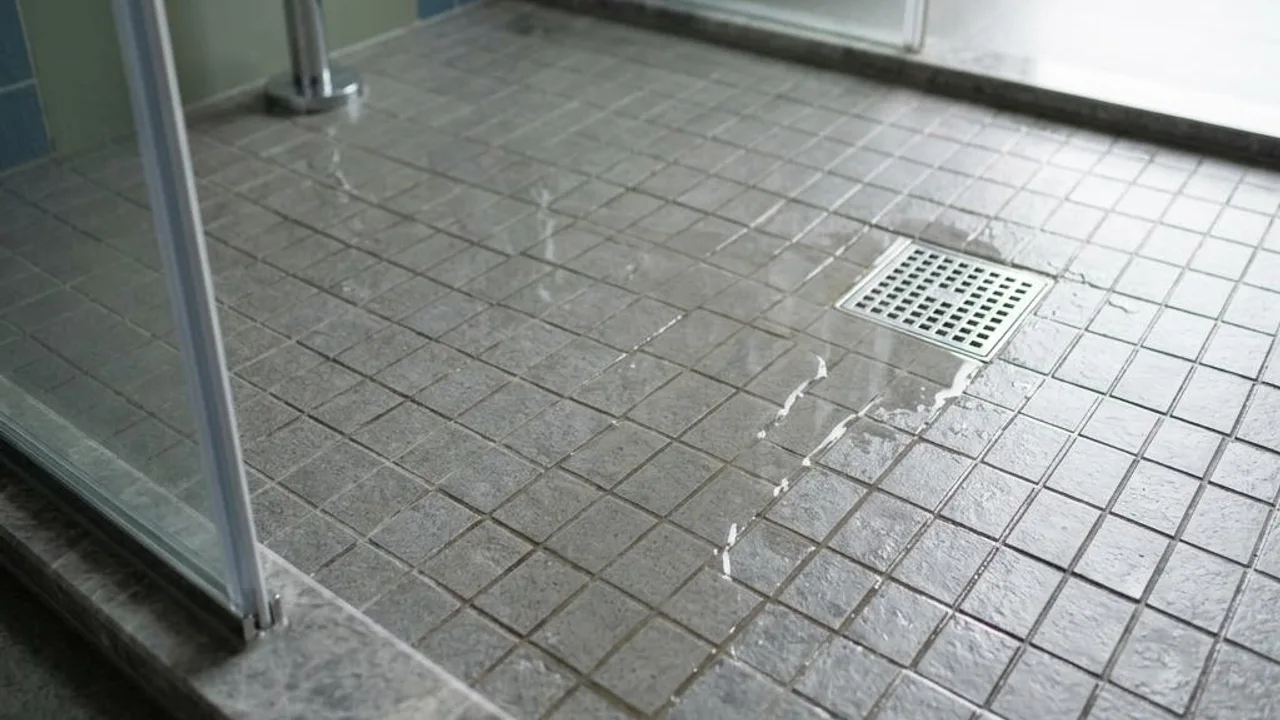
Hong Kong residential buildings are densely packed with complex pipework; water pipes within walls and floors are under high-frequency usage long-term. Hidden seepage is often difficult to detect with the naked eye initially, as moisture slowly permeates and diffuses along the building structure, creating long-term hazards for the living environment.
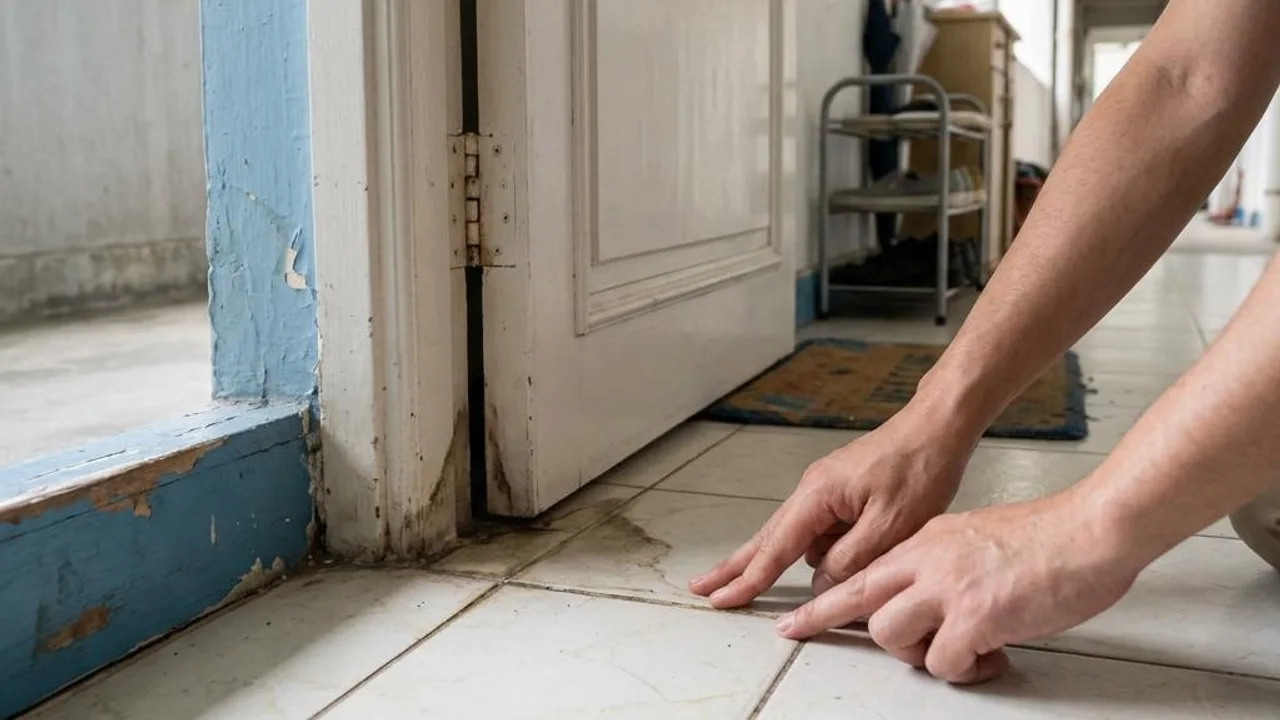
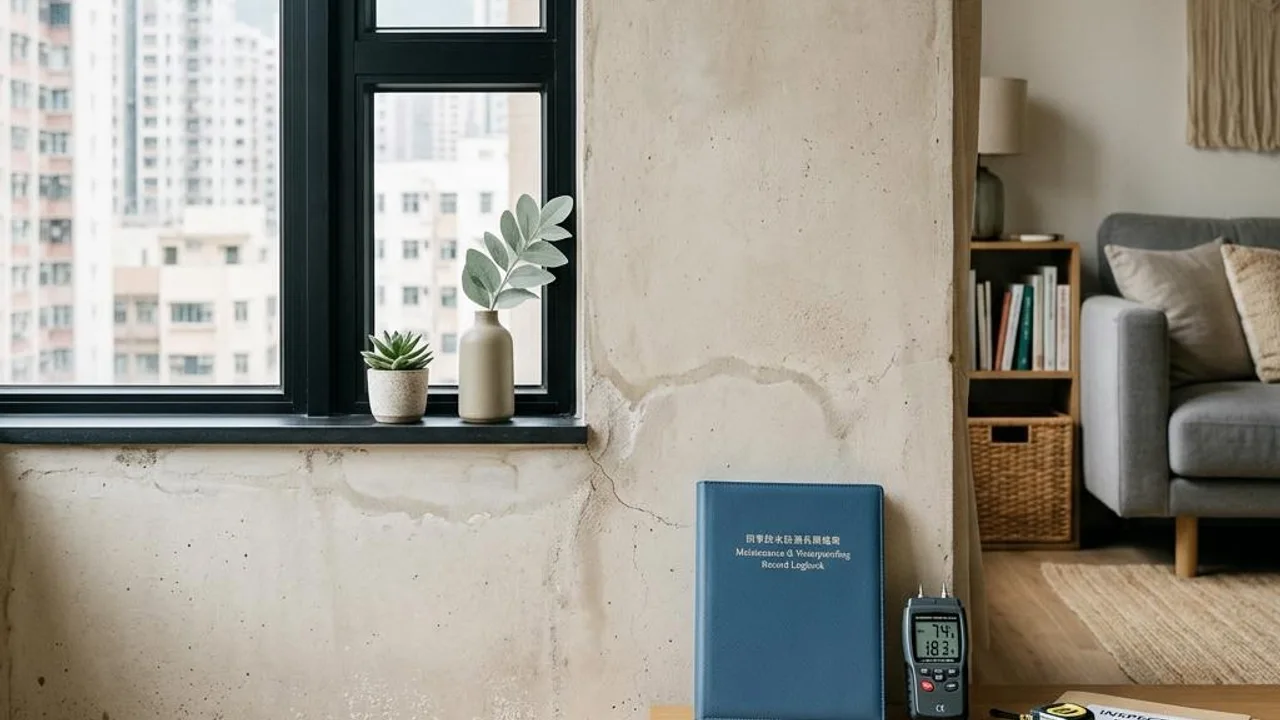
If an owner discovers blistering or peeling paint, loose wallpaper, mouldy odours at the skirting, or obvious water stains, they should be alert as these could be precursors to internal water seepage. Identifying these signs early can prevent moisture from further eroding the building structure and avoid deterioration of indoor air quality.
- Wall paint blistering or peeling
- Wallpaper mould or loosening
- Obvious water stains appearing at the skirting
- Persistent mouldy odour in indoor air
The detection principles and advantages of professional instruments
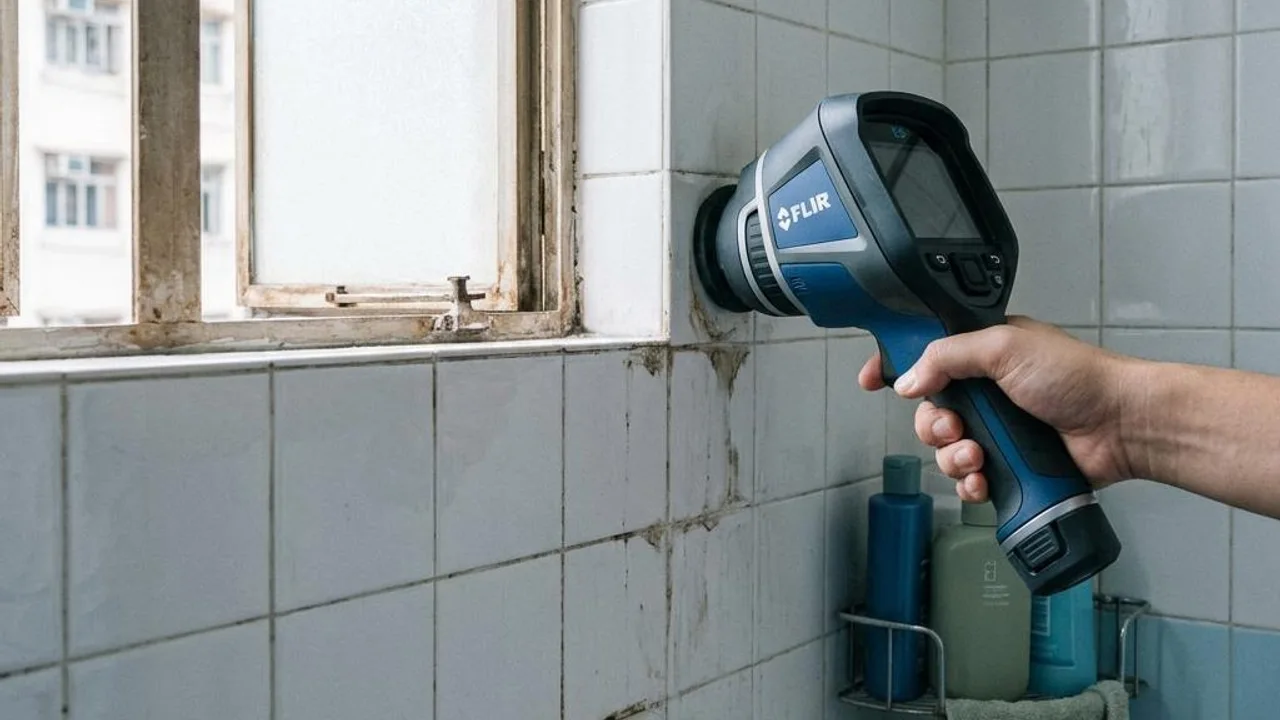
Modern leakage detection technology mainly uses non-destructive instruments. Through tools like infrared thermography or moisture meters, operators can precisely sense moisture variations and temperature difference distributions within the wall. This technology helps identify hidden abnormal moisture points, avoiding the need to blindly demolish walls to locate the source.
Professional equipment not only displays the internal structural condition of the walls but also helps infer the specific routing of hidden water pipes. This provides positioning references supported by scientific data for subsequent repair work, greatly increasing the accuracy of determining the leak source and reducing the risk of misjudgment.
- Non-destructive testing technology focuses on protecting renovation structures
- High-precision identification of moisture anomalies within walls
- Significantly shorten the time for tracing leakage sources
- Scientifically assess and define the affected seepage scope
Improve maintenance efficiency and protect renovation structures
Traditional leakage detection methods often require large-scale wall demolition or prying off tiles, which is not only time-consuming but causes huge interference to the living space. By using precise professional instrument assistance, maintenance personnel can perform targeted construction, preserving most of the original interior design and wall integrity.
For space-constrained and expensively renovated Hong Kong homes, precision construction not only shortens the overall engineering cycle but also effectively controls maintenance costs. Reducing repeated repairs and remedial work caused by incorrect positioning lowers the dust, noise, and daily interference generated during the maintenance process.
- Reduce unnecessary demolition of walls and floors
- Shorten the engineering construction cycle
- Preserve most of the interior renovation integrity
- Lower dust and noise interference during maintenance
The importance of preventive testing
Regular monitoring is a core component of modern property management. Whether for newly possessed units or older building refurbishments, if owners can conduct professional wall and hidden pipe testing before moving in or during renovation, they can intervene early before problems escalate, effectively reducing the risk of legal disputes between neighbours due to water seepage.
This preventive management model helps maintain long-term stability in a home environment. Owners should view regular inspections as a necessary investment for protecting their property asset rather than just performing remedial work after significant damage has occurred; proactive monitoring ensures the safety and health of the living space.
- Perform a comprehensive professional property inspection before moving into a new home
- Older buildings require regular monitoring of drainage and water supply pipe conditions
- Establish a regular indoor humidity observation mechanism after moving in
- Prevent seepage risks that may cause damage to the unit below
Professional consultation and on-site assessment process
Addressing complex hidden seepage problems requires relying on a team with professional equipment and extensive experience. The inspection process typically combines detailed on-site observation with instrumental scientific analysis to provide owners with an objective and comprehensive judgment on seepage, ensuring that subsequent repair plans are supported by scientific evidence.
When seeking professional assistance, owners should ensure that the inspection personnel have relevant experience and can clearly explain the testing methods and results. Through on-site professional analysis, owners can learn the specific nature of the leakage source, effectively communicating with repair technicians to implement targeted repair strategies.
- Combine on-site visual observation with instrumental data analysis
- Provide an objective report on the causes of seepage
- Recommend appropriate repair directions based on inspection results
FAQs
How can you tell if abnormal wall humidity is caused by water seepage or condensation?
Condensation usually appears widely on surfaces during seasonal changes or when there is a significant temperature difference, whereas seepage is mostly caused by damaged water pipes or waterproofing layers and usually presents as a locally concentrated distribution. Professionals will use humidity meters to detect the internal humidity gradient of the wall and cross-reference the location of water stains with the route of water pipes to differentiate between them.
Does using instruments for inspection guarantee that all sources of seepage can be found?
Instruments can identify areas with abnormal moisture and infer the direction of seepage, significantly narrowing down the scope of investigation. However, due to complex building structures and the possibility that leaks originate from multiple minute points, the inspection results serve as an important scientific reference; it is recommended to follow the indications from instruments and work with professionals to conduct local inspections for further confirmation.
Do owners need to take any preparatory steps when performing an inspection?
Owners should ensure that there are no large objects obstructing the walls and surrounding affected areas to facilitate the operation of equipment by inspection personnel. At the same time, recording the time and progression of observed seepage signs will help professionals make more precise judgments and analyses based on site conditions.