Analysis of common ceiling leakage causes.
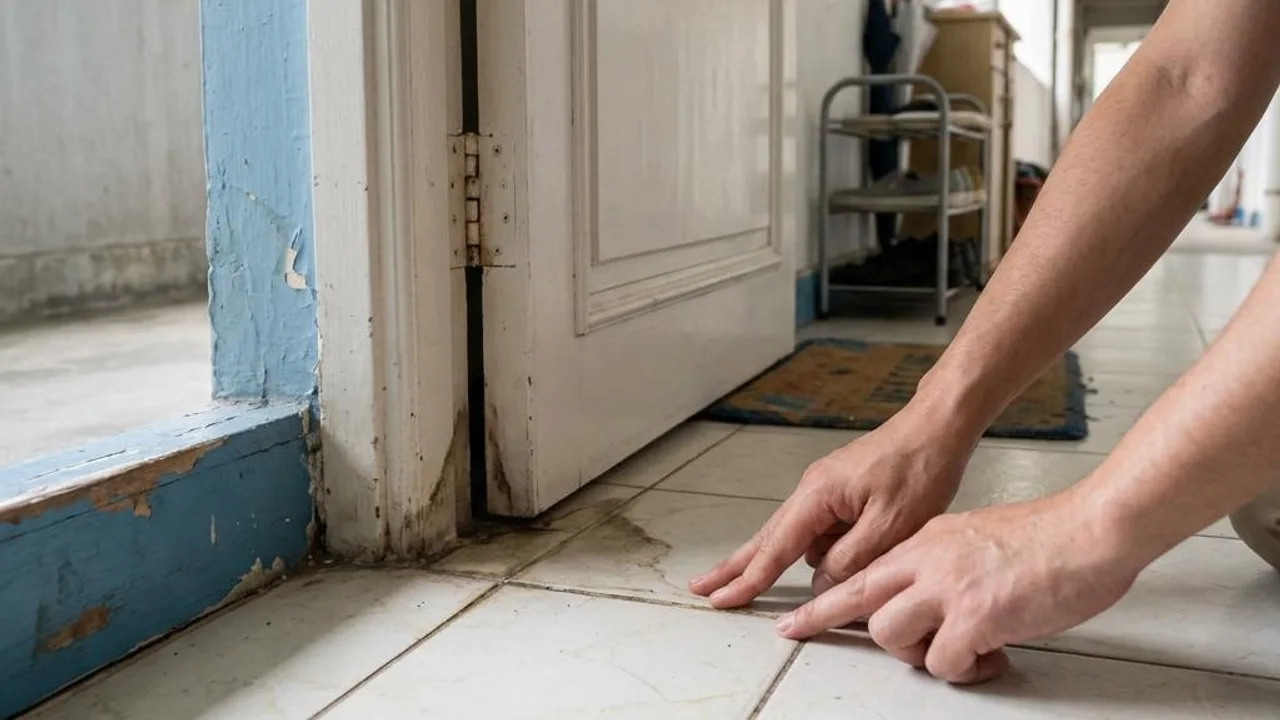
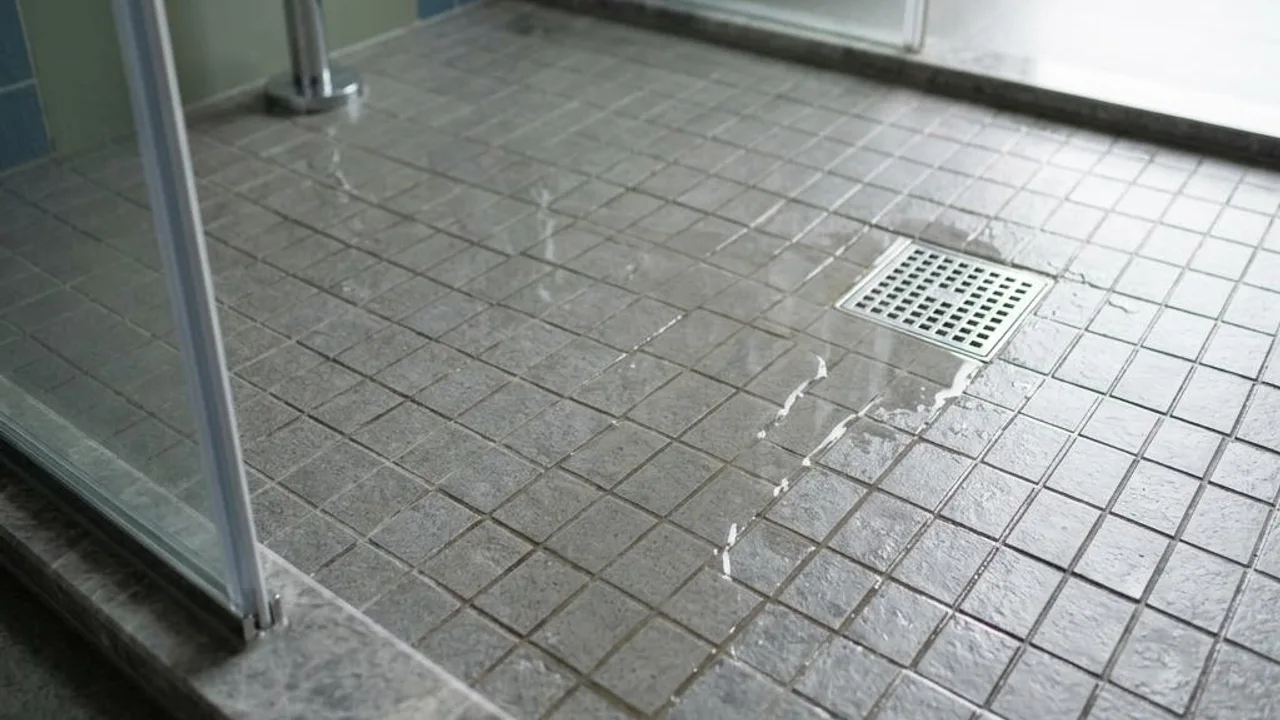
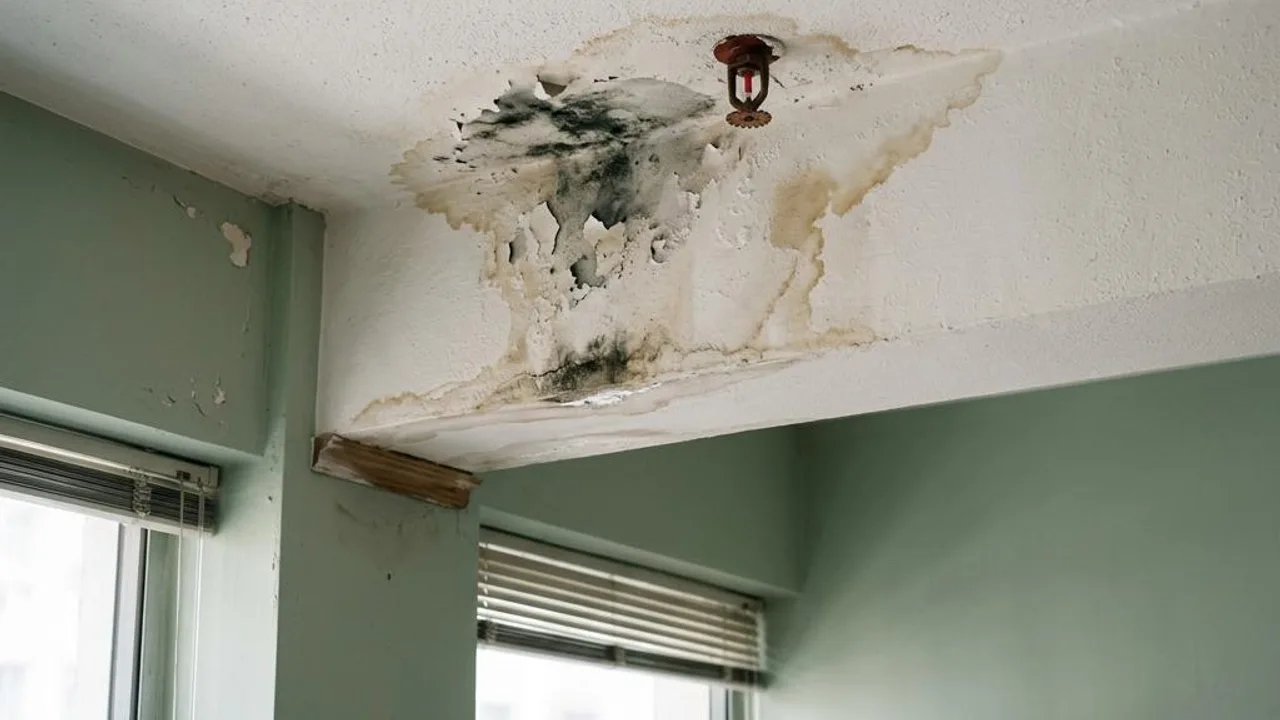
Residential ceiling leakage mostly stems from damage to the waterproof layer of the unit upstairs or the ageing of the water supply and drainage systems. When waterproofing effectiveness weakens, stagnant water from bathing or cleaning will seep into the concrete structure, leading to water marks or peeling paint. Such problems are usually directly related to building ageing and failed floor waterproofing, especially in frequently used bathroom spaces; if micro-cracks appear in the floor waterproof layer, moisture can easily penetrate the ceiling.
Pipe leakage is another major cause, involving loose joints in supply and drainage pipes, or cracks generated by long-term pressure or corrosion. If the leakage location is near the kitchen or toilet, priority should be given to the integrity of those systems. Once these hidden pipes break, leakage is often more continuous and severe, and the impact on the structure requires targeted assessment by professionals.
- Floor waterproofing layer failure or ageing cracks
- Loose connection points or material wear in water supply and drainage pipes
- Internal cracks in the concrete structure
- Structural seepage caused by the external environment
Leakage detection and source location methods.
The key to dealing with water seepage is to accurately locate the source. If abnormalities are found on the ceiling, it is recommended to record the position of the water stains in relation to the facilities located on the floor above. Before seeking professional inspection, property owners can first observe whether the seepage is regular, such as whether the leakage worsens after water usage upstairs; this observational information is extremely helpful for professionals conducting subsequent checks.
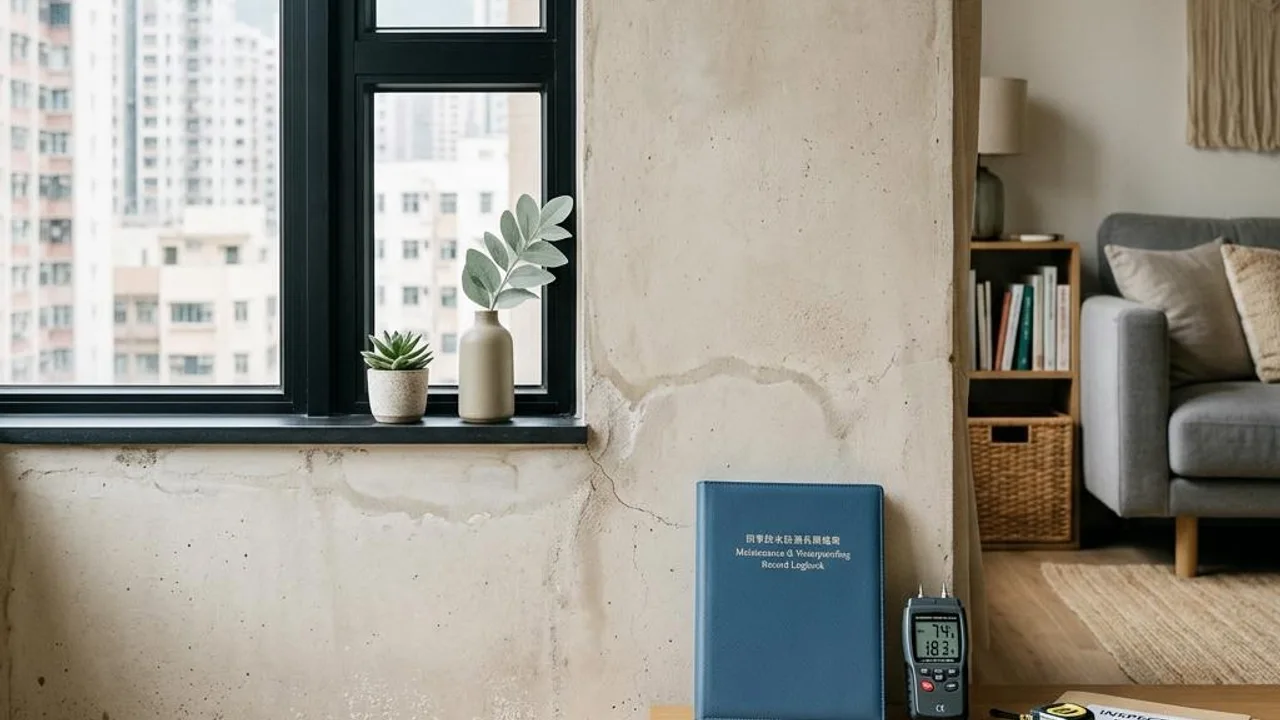
Professional surveying usually employs the use of instruments, such as infrared thermal imaging cameras to detect moisture distribution, and moisture meters to quantify the humidity levels in walls or ceilings. Please note that these testing methods are intended to assist in narrowing down the scope of the leakage and to help the owner determine whether the issue is caused by waterproofing failure or leaking pipes, rather than a single test being a replacement for an in-depth structural diagnosis.
- Use infrared thermal imaging cameras to detect moisture distribution
- Use moisture meters to quantify humidity levels
- Observe the correlation between the seepage location and the facilities on the floor above
- Hire qualified personnel for in-depth investigation
Professional maintenance and repair schemes.
Once the source of the leak is confirmed, targeted action should be taken. For issues involving concealed pipes, a licensed plumber should be hired for assessment and repair. If the inspection shows that the waterproofing layer is aged, waterproofing works typically need to be re-done. The scale of the repair depends on the actual damage, and it is recommended that it be carried out by qualified professionals to ensure an appropriate repair plan. This website is only for surface observation records and does not represent a guarantee regarding concealed structures, the thickness of the waterproofing layer, or repair results. Please consult professional engineers for in-depth investigation or safety certification.
Structural issues, such as severe concrete cracks, require assessment by professional engineers, who will then carry out repairs and reinforcement according to the actual situation. Do not fill cracks yourself using non-compliant materials; this not only fails to address the root cause but may also mask the extent of the damage, leading to more serious safety hazards. Adopting a professional repair plan is the only way to safeguard long-term structural safety at home.
- Replace damaged or aged water pipe fittings
- Re-do the waterproofing works for the damaged floor
- Fill concrete structural cracks to consolidate safety
- Repair works to be executed by licensed and registered professionals
Daily preventive monitoring and response.
Preventing leaks is better than remedial action. Property owners should develop the habit of regularly inspecting household pipes, paying particular attention to any unexplained discoloration or traces of mold growth on ceilings and walls. If any abnormalities are detected, they should be photographed immediately and the time of occurrence recorded in detail; this will assist in reporting the situation to relevant personnel later and avoid expanding the scope of repairs due to delayed handling.
For newly handed-over units, the operating status of all water supply and drainage facilities should be verified in detail during the handover process. In addition, maintaining indoor air circulation and a moderate humidity level can effectively reduce the accumulation of hidden moisture, lower the risk of mold caused by condensation, and help identify potential signs of minor water seepage at an early stage.
- Regularly check the condition of indoor water supply and drainage facilities
- Monitor ceilings and walls for abnormal color changes
- Maintain indoor air circulation to control humidity
- Retain on-site photographic records if abnormalities are discovered
Key steps in handling water seepage.
When dealing with ceiling leaks, it is crucial to first lock down the area affected by the seepage and confirm whether it is a continuous leak. Property owners can first ensure their own safety and avoid using electrical appliances in the leaking area. If the situation involves large-scale water seepage, the management office or the neighbor upstairs should be notified as soon as possible for initial coordination.
Subsequently, you should find qualified professionals to conduct an investigation to ensure the investigation procedures comply with standards. Professionals typically provide objective analysis based on instrument data, assisting owners in determining the priority of repairs. Remember, before the source of the seepage is clear, one should not rashly carry out any partial construction on walls or floors, so as not to waste resources or trigger further structural problems.
- Ensure electrical safety around the leaking area
- Maintain communication with the management office or upstairs neighbors
- Record information about the scope and frequency of the seepage
- Commission professionals for objective assessment
FAQs
What is the first step to take when water stains appear on the ceiling?
You should prioritize taking photos for evidence, observe whether the location changes after the upstairs neighbor uses water, record the relevant situation, notify the property management office, and then commission qualified personnel to perform a professional inspection.
Can an infrared thermal imaging camera directly prove the source of a leak?
Infrared thermal imaging cameras are primarily used to detect temperature differences and moisture distribution to assist in narrowing down the leakage scope. They are auxiliary inspection tools and must be analyzed by professionals in combination with other data to determine the source of the leak.
Is it okay to use waterproof sealant to fill ceiling cracks yourself?
It is not recommended to handle it yourself. Without professional assessment, blind filling may mask structural issues. You should have structural or maintenance professionals assess the cause of the seepage and the structural safety before implementing the correct repair plan.