Air pressure testing: Safeguarding the structural safety of the water supply system.
Pipeline air-tightness testing is a key procedure for ensuring the quality of water purification system installation. By utilizing the small volume characteristics of gas molecules to inject air pressure into closed pipes before water is turned on, it can effectively detect micro-gaps in connections that are difficult to discern with the naked eye.
This test is a non-destructive safety check that evaluates the strength of pipe joints and heat-fusion processes through compressed air. If the pressure test fails, it means the pipe sealing is insufficient; this procedure is the first step in ensuring the future safe operation of water purification.
- High-standard air pressure check before turning on the water.
- Use the gas penetration characteristic to test the sealing of connections.
- Evaluate the strength of heat-fusion rubber rings and threaded interfaces.
- Non-destructive testing to protect renovation integrity.
Pressure monitoring technology and micro-defect identification.
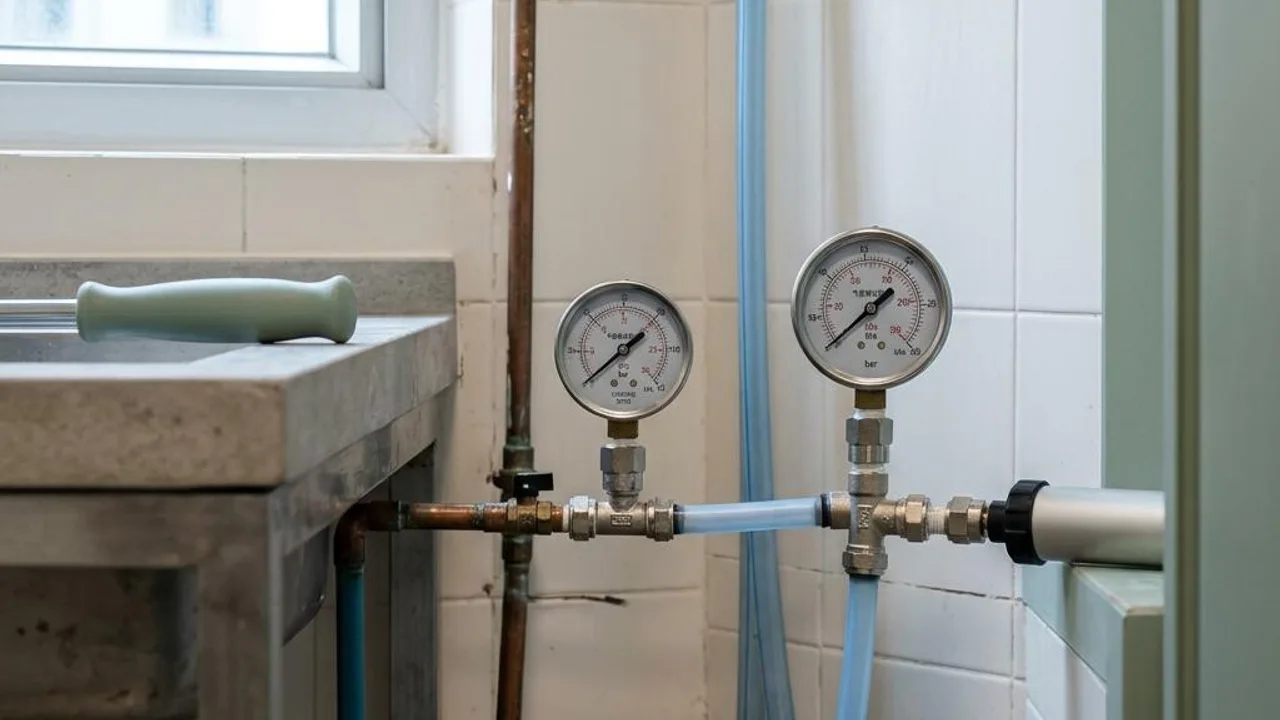
To accurately determine system quality, high-precision pressure gauges must be used after gas injection for continuous monitoring. During the specified test period, the pressure reading must remain absolutely stable; no numerical fluctuations or drops are permitted.
Simultaneously, technical staff will use leak detection agents for testing to observe if any bubbles form at joints. This rigorous quantitative testing can precisely identify blind spots in construction hidden in ceiling cavities or wall pipes, ensuring overall watertight and airtight balance.
- Use high-precision digital pressure gauges to record readings
- Ensure stable pressure values during the test period
- Apply leak detection agents to all joints for supplementary checks
- Identify minor construction defects in hidden locations
Scientific acceptance and long-term usage guarantee.
Incorporating airtight testing into the renovation handover process can effectively prevent property loss caused by burst water pipes. Hong Kong homes are often affected by water pressure fluctuations, making high-quality anti-fatigue pipe sealing performance essential.
Systems that rigorously pass airtight tests can comfortably cope with daily water hammer effects, preventing expensive renovations from being eroded by hidden leaks. This scientific management approach not only enhances home water quality and safety but is also an important embodiment of value for long-term property maintenance.
- Enhance the tolerance of piping systems to water pressure fluctuations
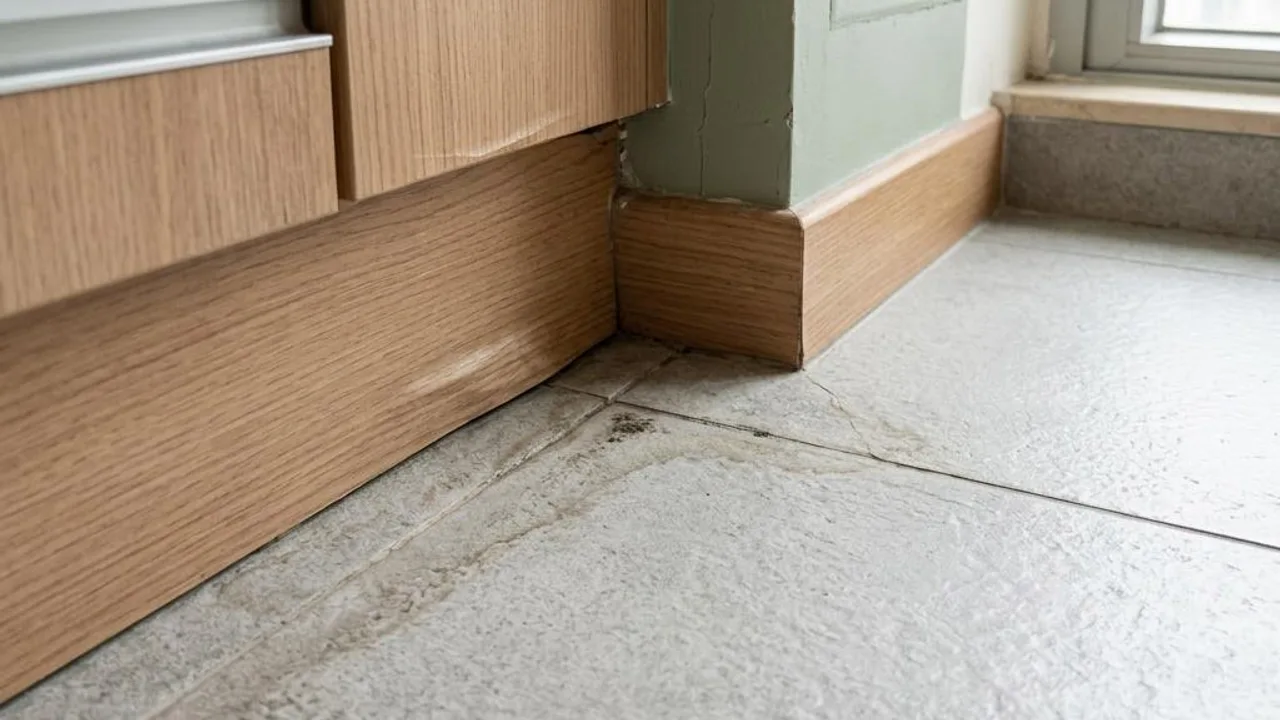
- Prevent damage to floors and walls caused by hidden leaks
- Optimise the overall installation effectiveness of water purification equipment
- Establish a scientific and value-added handover process
The inspection role of professional engineering teams.
Water purification pipe installation involves fluid mechanics and complex building regulations; generally, visual inspection is difficult to detect microscopic gas leaks. Hiring a professional property inspection or waterworks testing team can provide scientific and objective data diagnostics.
Professional staff are equipped with industrial-grade differential pressure testing instruments and moisture detectors to perform a comprehensive health check on your water purification network without damaging the wall structure. This quantitative quality control can assist owners in resolving construction defects and ensuring peace of mind for family water usage.
- Hire professional testing personnel with relevant backgrounds
- Utilise professional acoustic and moisture detection equipment
- Obtain objective and detailed system assessment records
- Accurately assess potential defects in workmanship
Focus points for daily maintenance and concealed pipes.
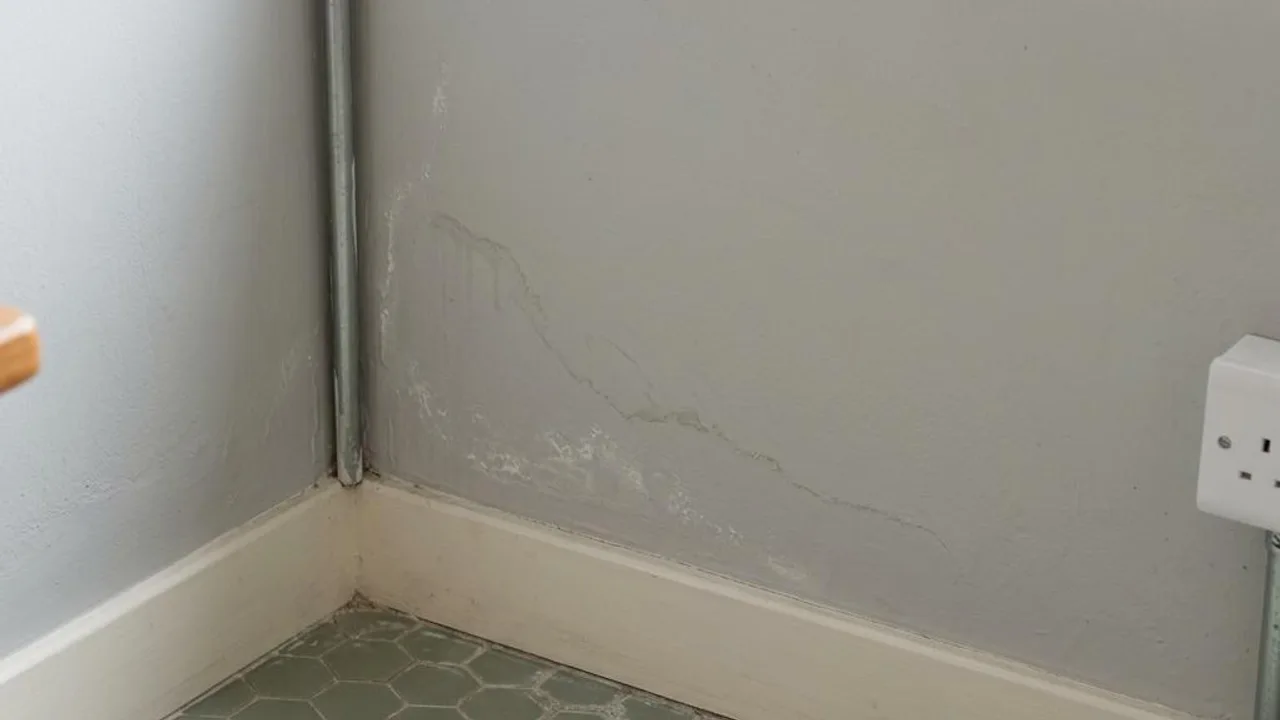
For water purification systems after home renovation, owners should regularly observe the wall finishes for abnormal water stains or mould. If water supply pressure is found to be unstable, seek help from qualified professionals in a timely manner.
During maintenance, never attempt to dismantle any enclosed pipe connections yourself to avoid damage to pressurised pipe fittings or causing serious leaks; checks should be conducted by qualified technical personnel.
- Observe walls and floor finishes for any abnormal changes
- Water supply pressure abnormalities should be investigated by specialists
- Avoid self-dismantling of closed pipe connection points
- Regularly check that the main valve operates smoothly
FAQs
Why must an air pressure test be conducted after installing a water purification system?
Most pipes in a whole-house water purification system are hidden works. A pressure test is recommended during installation to initially assess the sealing of pipe joints; this helps discover potential connection problems before water is turned on. Please note that this type of simple test cannot be considered a comprehensive guarantee of structural waterproofing or pipe leakage, nor can it confirm the remaining service life or whether installation quality fully complies with building standards. If professional safety and compliance of the water supply system need to be confirmed, please consult a licensed plumber for testing. Do not dismantle water supply devices yourself or attempt to perform operations involving high-pressure equipment.
What does it mean if the pressure gauge reading drops slowly during the test?
A pressure drop usually suggests the presence of a micro-gas leak in the system. Professional engineers should be hired to use leak detection fluid or acoustic instruments to locate the specific leaking joint and confirm if it is due to insufficient welding or loose pipe fittings.
How should owners cooperate with testing work during handover?
Owners can request the contractor to perform pressure recording on-site throughout the process, confirm that testing equipment is operating normally and that readings remain stable within the specified time, and request relevant handover data as a record.