Basics of home inspection and observation
Home inspection is not just a routine task before moving in, but a key to long-term quality of living. The core strategy for owners during various inspections is visual observation and recording, rather than performing dangerous tasks themselves. Through daily observation, owners can discover wall discolouration, water seepage marks, or ground irregularities early, and record these observations as basic data for inviting qualified professional personnel for subsequent repairs.
Safety is always the primary consideration during the inspection process. For any work involving structural walls, live electrical equipment, or high-altitude areas, owners should avoid forcing themselves to dismantle or climb. Making good use of simple tools, such as a flashlight to illuminate dark corners or a recording device to photograph abnormalities, is sufficient to present the condition of the problem. Organizing observation results into a systematic checklist will effectively improve the efficiency of communication with maintenance professionals and ensure more precise care plans.
list_items_placeholders_not_available_in_source_so_using_general_safety_principles_based_on_text
- Cultivate the habit of regularly inspecting your home
- Use visual records instead of dismantling things yourself
- Establish a checklist for abnormal conditions
Practical inspection for window and balcony water seepage
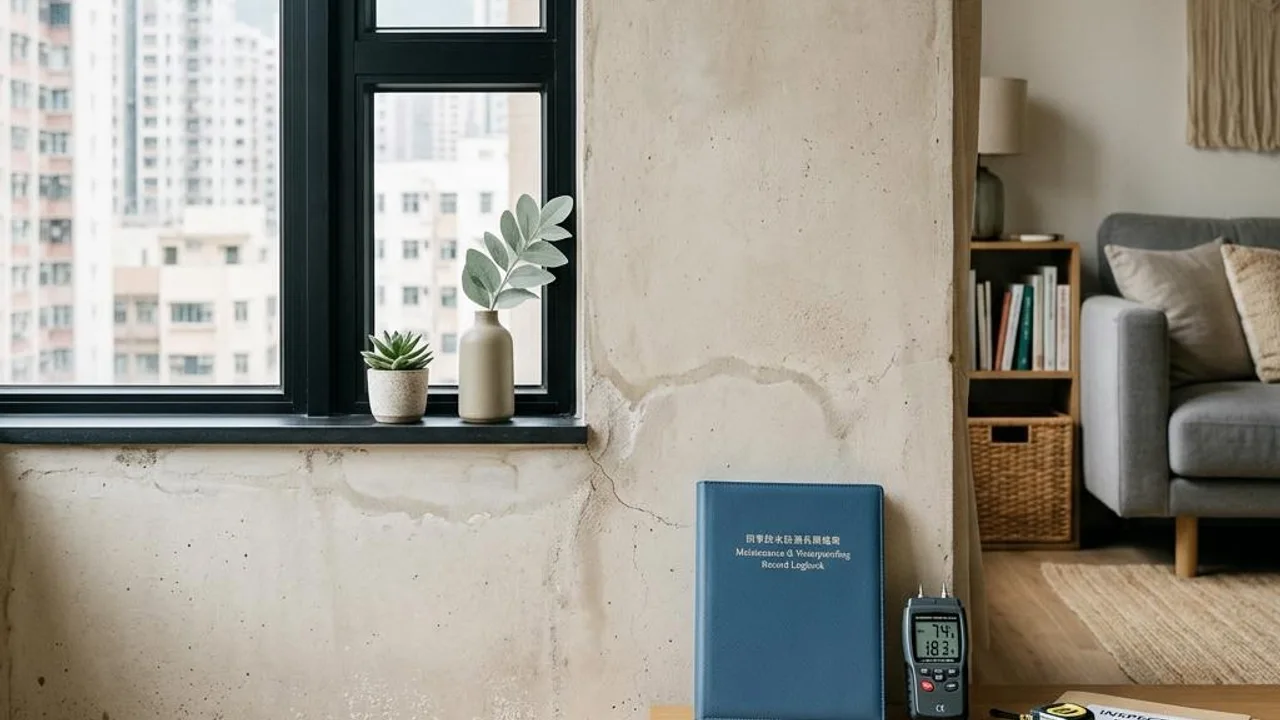
Window water seepage is a common problem in Hong Kong homes, especially during the windy and rainy season. Owners can start with visual observation, checking whether there are obvious water stains, paint peeling, or mould spots at the window frame edges. It is recommended to observe the window frame joints during the day to check for looseness or aging of the waterproof sealant. If obvious gaps are found, be sure to mark them for repair.
When testing yourself, you should use a bucket to splash water outside the window during clear weather, focusing on the joint between the window sill and the window frame. At the same time, ensure that the drainage holes in the balcony door track are unobstructed to prevent accumulated water from backing up into the living room. If it is found that water cannot be drained smoothly or seeps into the floor, it should be recorded immediately and the relevant party requested to handle it.
- Check the waterproof sealant at window frame joints
- Observe water stains by the window and peeling wall paint
- Clear obstructions from balcony door track drainage holes
- Test the waterproof sealing performance of the window sill
Floor tile and hollow tile marking
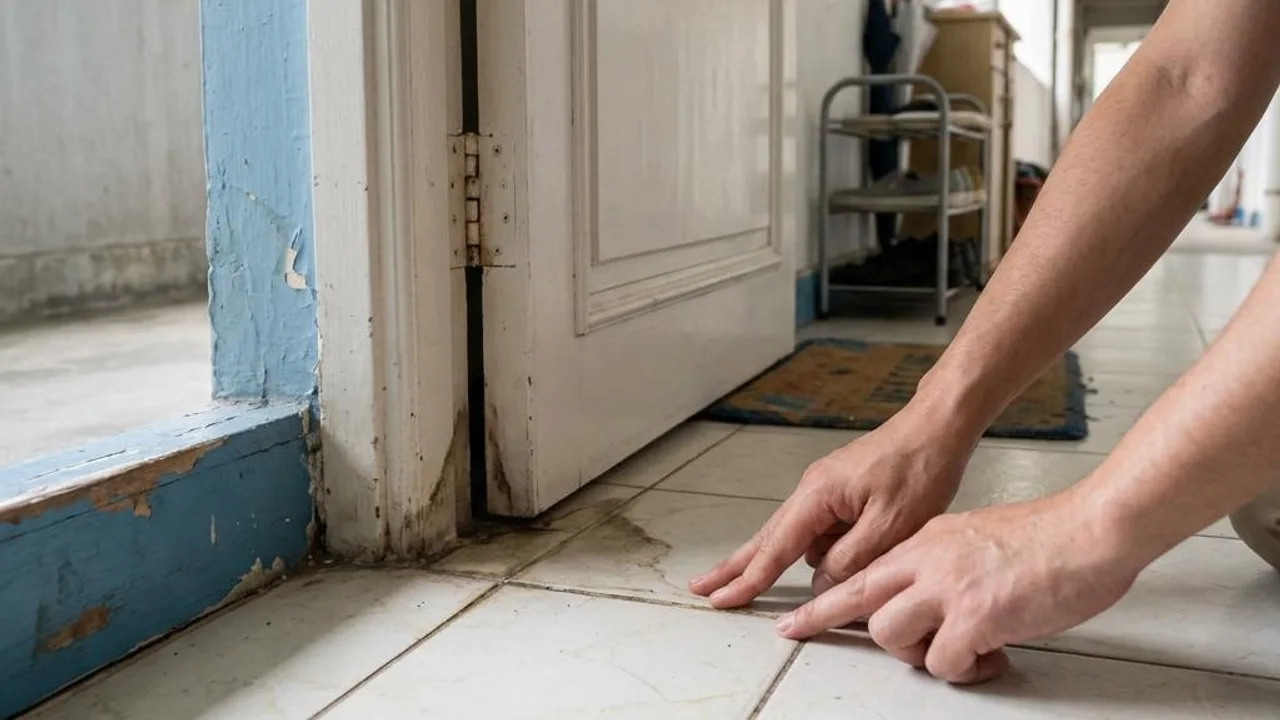
Hollow tile phenomena are usually caused by uneven distribution of cement mortar during construction. If left untreated for a long time, tiles are very likely to crack or even pop off when subjected to stress. Owners can use an inspection rod or a coin to tap the four corners and the centre of the tile. If a hollow, dull sound is emitted, it means the bottom layer is not fully adhered; it is recommended to record the number of tiles in that area.
During the inspection, one should start tapping from the door one by one and use adhesive tape to make marks. These hollow tile problems should be addressed by the contractor before moving in, especially in high-use areas such as corridors and kitchens, to avoid tripping hazards or more serious ground structural problems in the future.
- Use an inspection rod or coin for tapping tests
- Check the four corners and centre of the tiles
- Correctly mark the locations of hollow tiles
- Record the number of tiles that require treatment
Waterproofing performance testing for kitchens and bathrooms
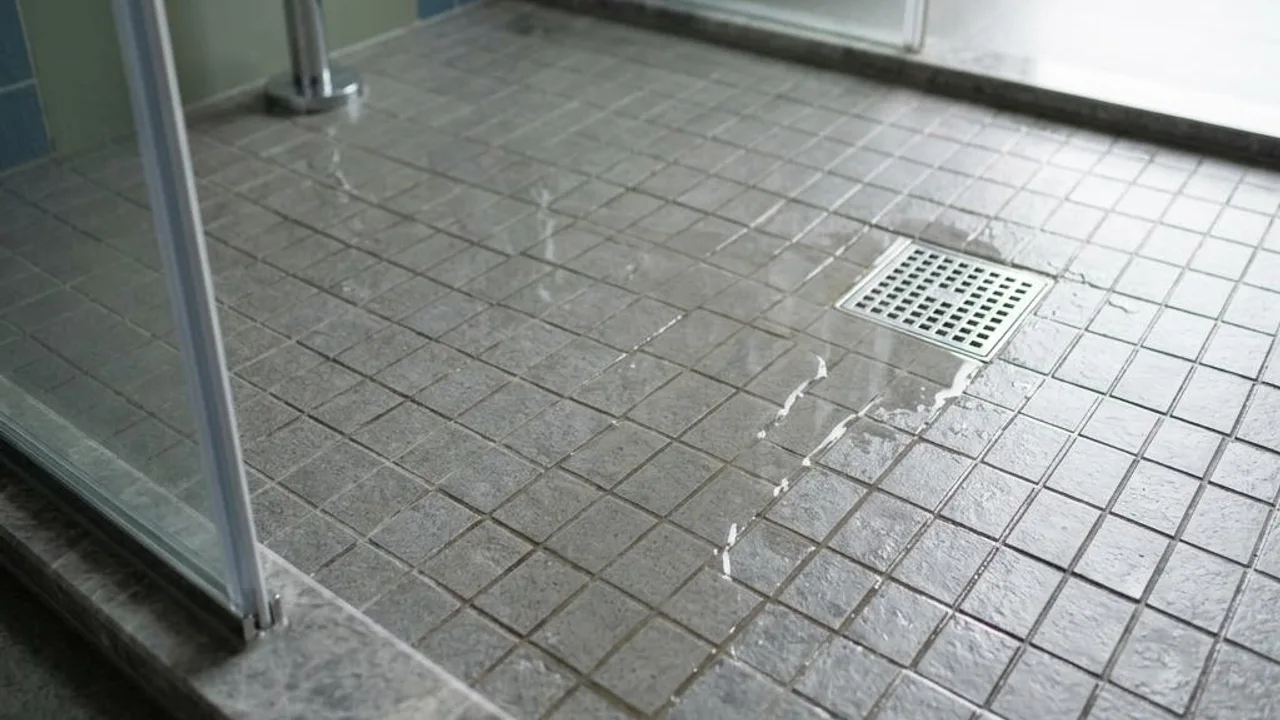
The bathroom is the place where water seepage occurs most frequently indoors. First, plug the floor drainage outlet and store water to about 2 cm, then leave it for at least 24 hours to observe whether there are signs of dampness at the wall foot or the floor of the adjacent room. During the observation, if water stains spread, it means the waterproof layer is failing to effectively block moisture penetration.
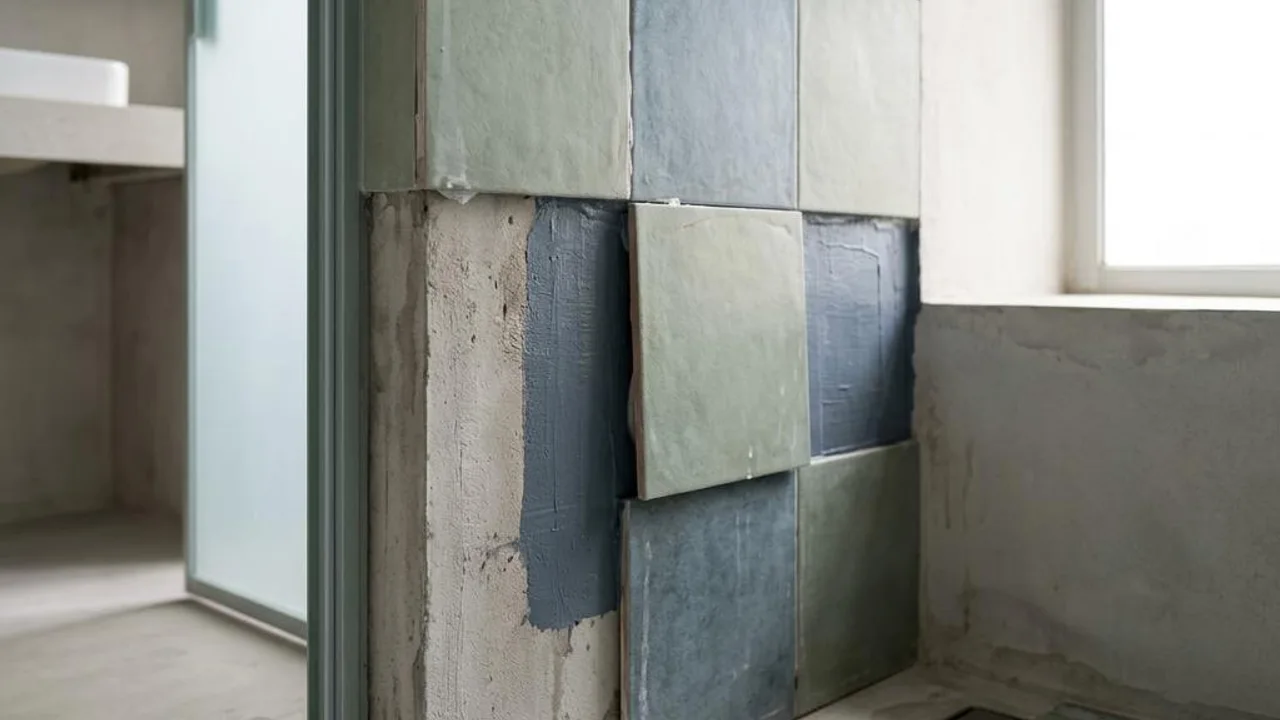
In addition, the connections of drainage pipes in kitchens and bathrooms are key inspection points. It is recommended to carefully check the drainage pipe connections under the washbasin when releasing water to ensure that there is no minor seepage when releasing water at full speed. At the same time, pay attention to whether the wall grout joints are intact; dense grouting is the key protection against water seeping into the walls.
- Floor storage test (leave for 24 hours)
- Inspect the connection points of the washbasin pipes.
- Observe the dampness levels of the walls and corners in the adjacent room.
- Check that the waterproof sealant is complete.
Home electrical system and safety inspection
Electrical safety affects the health of the whole family; never neglect the condition of socket connections. Homeowners can use a simple socket tester to check the electrical outlets throughout the house, ensuring they are powered and have the correct polarity. When in use, do not connect high-power electrical appliances (such as heaters or dehumidifiers) to the same extension lead simultaneously, as this can cause the circuit to overload, leading to melting or tripped circuit breakers.
The residual current device (RCD) inside the distribution box is key to ensuring life safety. During testing, you should regularly check that the switch operates smoothly. If there is any burning smell, charring, or if a socket feels overheated, you must stop using it immediately and contact a registered electrical contractor. All installation work involving fixed electrical installations must be carried out by qualified professionals.
- Inspect socket connections and power status.
- Verify the protection functionality of the residual current device.
- Avoid sharing extension leads for high-power appliances.
- Be alert for burning smells or overheating in appliances or sockets.
Professional property inspection and structural safety considerations
Although homeowners can carry out simple visual and physical inspections, OPO Inspection professionals possess more comprehensive tools and experience. Professional teams can be equipped with infrared thermal cameras and endoscopes to help observe surface temperature distribution or assist in inspections, though tools cannot be the sole basis for guaranteeing the discovery of concealed defects. For complex concealed works, hiring a professional team can provide objective inspection advice. Such tests cannot certify structural, electrical, gas safety, or the condition of concealed waterproof layers. If it involves legal regulations or professional certification scopes (such as the Mandatory Window Inspection Scheme), it must be carried out by a qualified person registered with the Buildings Department. Property inspection services are not equivalent to statutory testing.
A professional report not only helps the homeowner submit a specific list of repairs to the developer but also protects long-term property interests. Homeowners should not attempt to operate high-level windows or handle work involving structural safety themselves. Relying on a professional team ensures that home quality truly meets standards and avoids follow-up maintenance disputes caused by oversights after moving in.
- Use an infrared thermal camera to detect wall water seepage.
- Use an endoscope to explore the condition of concealed pipes.
- Identify engineering flaws through a professional team.
FAQs
What should I do if I find obvious hollow sounds from tiles?
Please first mark all affected tile locations and avoid placing heavy objects on them. It is recommended to record the size and location of the affected area, then submit the list to the developer or property management office, requesting that qualified engineering staff assess the repair plan.
When testing bathroom water storage myself, I found moisture on the adjacent wall. Does this mean the waterproof layer has definitely failed?
This could be a sign of leakage, but it is not necessarily limited to waterproof layer issues; it could also be a leak at a pipe connection point. It is recommended to record the observed humidity spread and invite a professional to use an endoscope or instruments for a deep inspection to determine the source of the leak.
Can I check the residual current device in the electrical box myself?
Homeowners can test the operational status of the residual current device, but must not carry out any work involving changes to the circuit or connections. If you find slow response from the switch, burning smells, or any signs of overheating during testing, you should stop operating it immediately and must hire a registered electrical contractor to handle it.