Structural impact and vibration challenges in private residential gyms
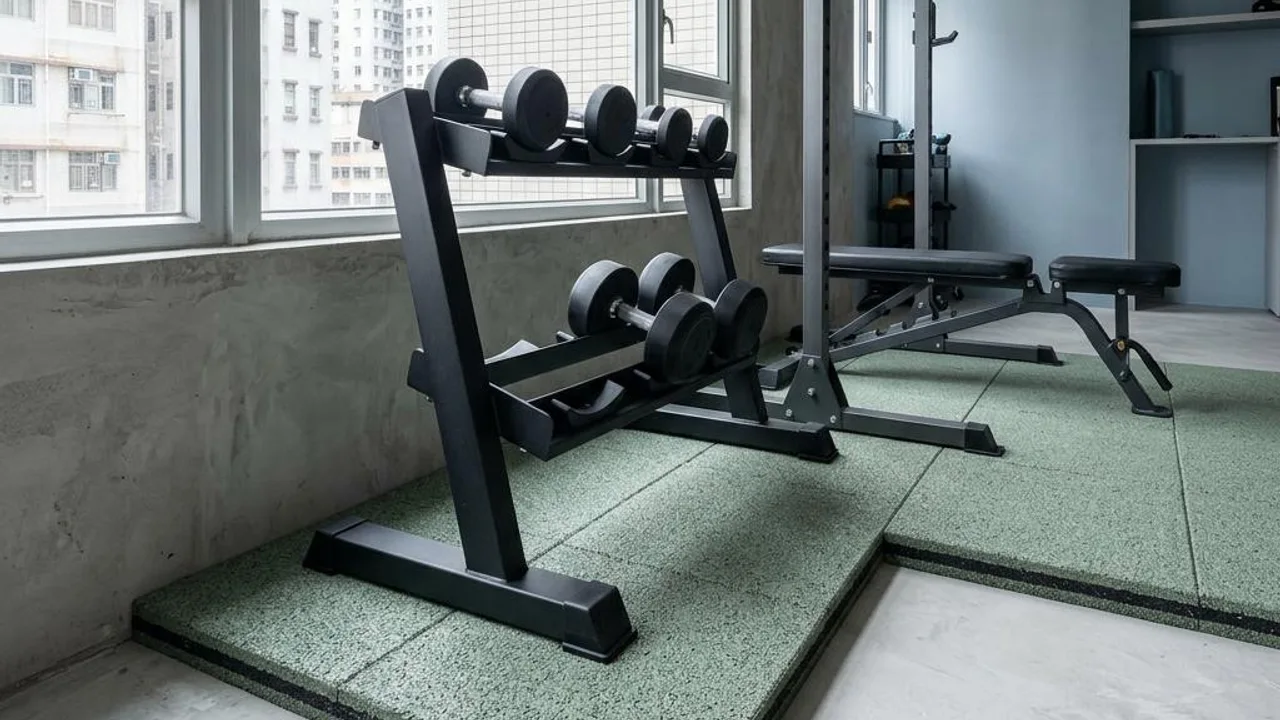
In recent years, home gyms have become a focus of many home renovations. However, the floor slab structure of private residences is not designed for high-impact physical training. When residents operate treadmills or perform heavy dumbbell or barbell training, the kinetic energy of equipment hitting the floor is transformed into powerful structural vibrations. If these energy forces are not effectively blocked, they will directly penetrate the building's floor slabs and beams, causing continuous vibration interference to the neighbour's living environment.
Building structures belong to an overall shared system, and low-frequency vibrations have extremely strong penetrating and transmissive power. Simply laying general rubber floor mats or sound-absorbing carpets is often insufficient to fully neutralise such solid-borne sounds. To maintain neighbourhood relationships and safeguard the structural integrity of the property, owners must incorporate professional anti-vibration and vibration reduction assessments into engineering considerations when planning gym areas, rather than stopping at visual renovation treatments.
- Heavy object impact generates high-energy, low-frequency solid vibrations
- Vibration can be transmitted to neighbouring units through structural components
- Single surface treatment is difficult to completely isolate structural sound transmission
- Anti-vibration inspection and acceptance is a key factor in maintaining neighbourhood harmony
In-depth understanding of the physical properties of solid-borne sound
Architectural acoustics divides sound propagation into airborne sound and solid-borne sound; gym impact waves belong to the latter. The characteristics of such vibrations are low frequency, long wavelength, and slow attenuation in reinforced concrete buildings. When kinetic energy contacts the floor slab, vibration waves instantly diffuse into the building structure in all directions, and general soundproofing foam or light renovation materials cannot effectively absorb these deep structural forces.
Accurately grasping such transmission characteristics is a prerequisite for implementing vibration reduction solutions. If there has been no specific physical testing, it is difficult for owners to judge whether vibration reduction measures are genuinely effective based solely on subjective feelings. The scientific approach lies in examining the attenuation amplitude of vibration waves after they contact the vibration reduction layer, ensuring that the majority of impact energy is locked within the gym area, rather than spreading into the building's main structure.
- Solid-borne sound possesses the characteristics of strong penetration and long-distance transmission
- Low-frequency vibration cannot be eliminated through simple sound-absorbing treatments.
- It is necessary to monitor whether vibration waves are transmitted through the floor slab to the main building structure.
Using professional equipment for physical vibration reduction inspection and acceptance
A standardized vibration reduction test process is core to evaluating the anti-vibration effectiveness of a gym. Technicians typically use standardized impact-generating devices to precisely simulate the energy of daily dumbbell drops or gym equipment operation, while deploying high-sensitivity vibration sensors at key architectural nodes downstairs or in adjacent units. These data can objectively and in real-time reflect the intensity of vibration transmission.
This data-driven monitoring can objectively present the performance of the vibration reduction system. By precisely analysing the attenuation ratio of impact energy after passing through the soundproof flooring, technicians can determine whether the current anti-vibration scheme meets the acoustic requirements of modern living environments. If the test results show that transmission values exceed safe ranges, it indicates that the current anti-vibration technique requires improvement, and the owner should adjust the plan immediately to eliminate potential disputes.
- Use a standardized impact-generating device to simulate energy sources.
- Utilise multi-point sensors to acquire precise vibration data.
- Objectively quantify the actual vibration reduction rate of anti-vibration materials and systems.
- Perform scientific data-based acceptance testing before the completion of renovation.
Scientific adjustment and continuous optimisation of anti-vibration solutions
The greatest value of floor slab testing lies in providing space for optimisation. If test data indicates that vibration is still leaking in certain areas, the owner can timely fine-tune the density of vibration-damping pads, increase the thickness of damping layers, or re-optimise the layout of gym equipment before large-scale machines are moved in. This proactive adjustment is crucial for ensuring long-term future usage safety.
Good anti-vibration planning is not only a matter of respect for neighbours but also essential for the long-term protection of residential buildings. If continuous, low-frequency micro-vibrations are not properly controlled, they may lead to micro-cracks in the floor slab structure invisible to the naked eye or the premature ageing of interior decoration over the years. Through systematic data optimisation, owners can enjoy a high-quality exercise lifestyle while maintaining community harmony and protecting the value of their property assets.
- Fine-tune the density of vibration reduction materials in real-time based on inspection data.
- Optimise equipment layout to disperse the structural load stress.
- Protect the floor slab structure from the effects of long-term micro-vibrations.
- Improve the overall service life and safety of home renovation.
Seeking technical support from a professional acoustic team
Floor slab vibration reduction testing belongs to the field of precision architectural acoustics, involving complex solid dynamics data analysis that cannot be accurately assessed by general renovation procedures or a property owner's personal feelings. It is recommended that owners hire a professional team with a background in architectural acoustics to use inspection solutions equipped with industrial-grade floor impact analysers and high-precision sensors to ensure that the anti-vibration results are supported by objective data.
An acceptance report provided by a third-party professional team serves as important objective evidence confirming that the private gym conversion possesses vibration safety. This professional assessment can assist the owner in eliminating sound transmission hazards that might lead to neighbourly conflict, establishing a reliable technical barrier for the home exercise environment, and ensuring that every fitness activity is conducted on a safe and compliant basis.
- Equipped with industrial-grade floor impact analysis measurement instruments.
- Provide data-driven acceptance results at the architectural acoustics level.
- Engineering quality and structural safety safeguarded by an expert team.
- Obtain objective third-party reports to increase acceptance confidence.
FAQs
How is it determined whether the anti-vibration engineering for a private gym meets the standards?
Whether it meets the standard should be based on professional physical testing, using a standardized impact simulation device paired with high-sensitivity vibration sensors to quantify the attenuation value of impact energy during transmission, rather than judging by subjective hearing.
If vibration leakage is discovered during testing, how should the owner handle it?
If structural vibration leakage is found during testing, it is recommended to consult acoustic professionals and adopt preventive measures such as increasing the thickness of the damping layer, adjusting the density of vibration-damping pads, or optimising the distribution of gym equipment to rectify the situation.
Is laying rubber mats in the gym area sufficient for vibration prevention?
General laying of mats is rarely sufficient to deal with low-frequency solid-borne sound. High-intensity exercise kinetic energy easily penetrates floor mats and transmits directly to the building structure, so professional acoustic assessment and vibration reduction system design based on building characteristics are required.